Trump’s Iran Policy: Unconditional Surrender, Congressional Authority, and Presidential Powers
Introduction
Understanding “Unconditional Surrender” in the Current Context
President Trump's call for Iran's "unconditional surrender" marks a notable shift in rhetorical posture amidst the ongoing Israel-Iran hostilities that commenced on June 13, 2025.
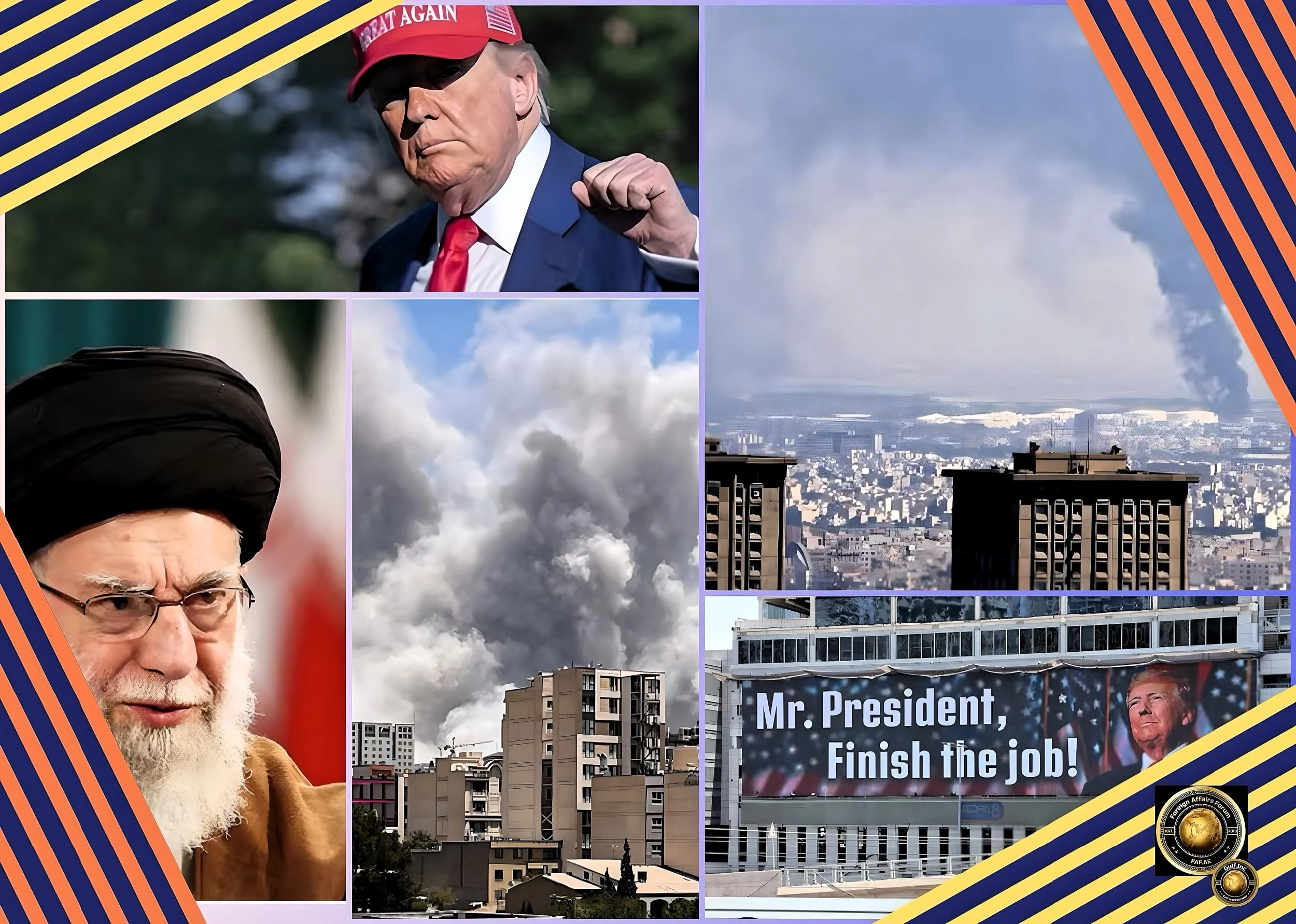
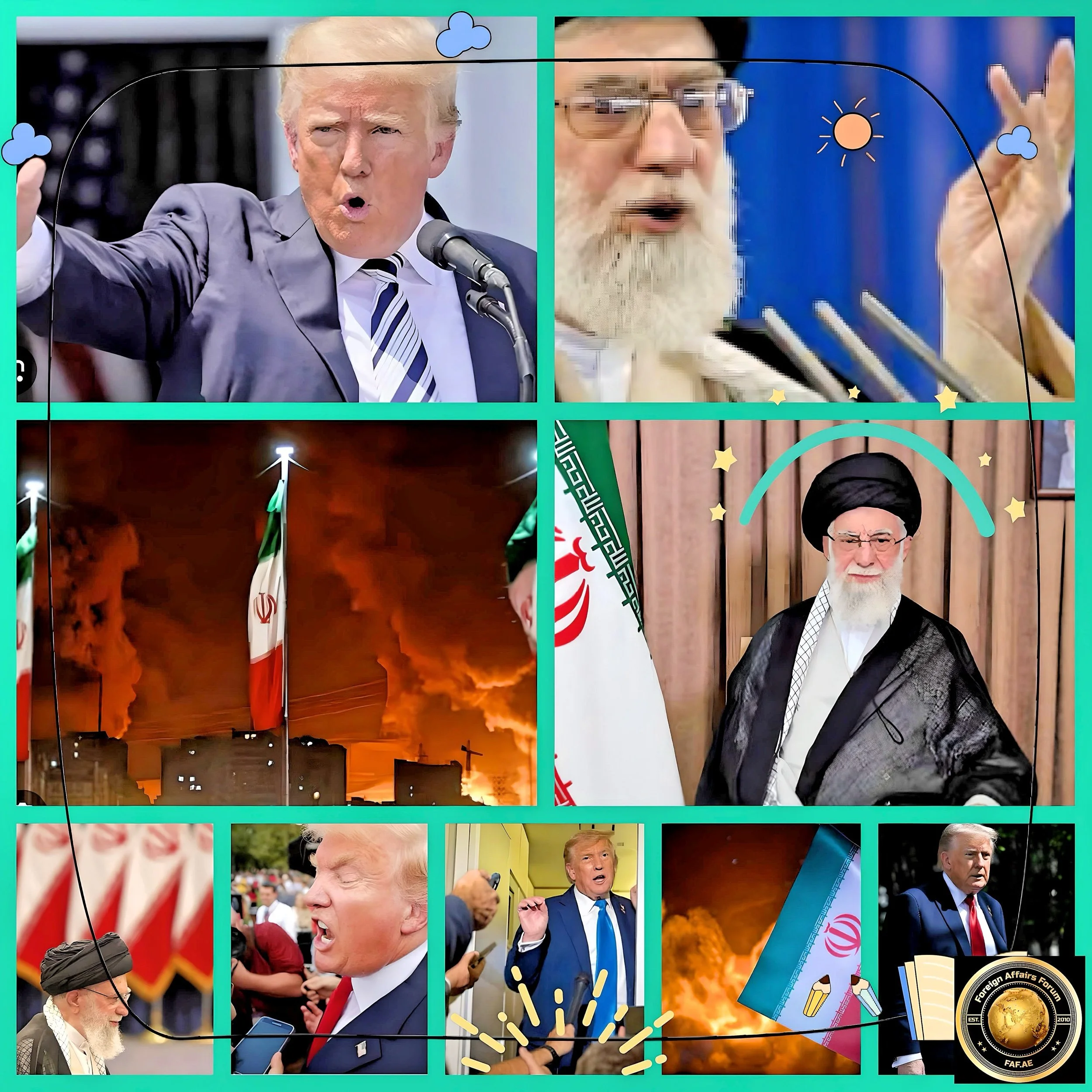
On June 17, 2025, Trump proclaimed “UNCONDITIONAL SURRENDER!” in conspicuous capital letters on his Truth Social platform, simultaneously issuing a pointed threat to Iran's Supreme Leader, Ayatollah Ali Khamenei.
He asserted that the U.S. possesses precise intelligence on Khamenei's location but refrained from immediate action, stating, “at least not for now.”
FAF, War.Events analyze the term "unconditional surrender,” which necessitates that the defeated party yield without any assurances or negotiations concerning the terms of their capitulation.
This approach contrasts with a conditional surrender, wherein the surrendering party can seek negotiated terms or concessions.
Trump's ultimatum effectively demands that Iran capitulate entirely to U.S. and Israeli stipulations, devoid of any negotiated protections or guarantees.
As the conflict has intensified, Trump's rhetoric has become increasingly belligerent.
He has asserted, “We now have complete and total control of the skies over Iran” and warned that America’s “patience is wearing thin.”
These bold claims follow his abrupt departure from the G7 summit in Canada, citing a pressing need to return to Washington to manage the escalating crisis in the Middle East.
The Origins of the Current Israel-Iran Conflict
The current war began on June 13, 2025, when Israel launched “Operation Rising Lion,” striking dozens of Iranian nuclear facilities and military installations and killing several Iranian military leaders and atomic scientists.
This operation escalates from previous exchanges between the two nations in April and October 2024.
Israel justified its strikes by claiming that Iran had amassed enough enriched uranium to produce up to 15 nuclear weapons within days and posed “a clear and present danger to Israel’s very survival.”
The Israeli operation was reportedly eight months in the making, with planning beginning after Iran’s October 2024 attack on Israel.
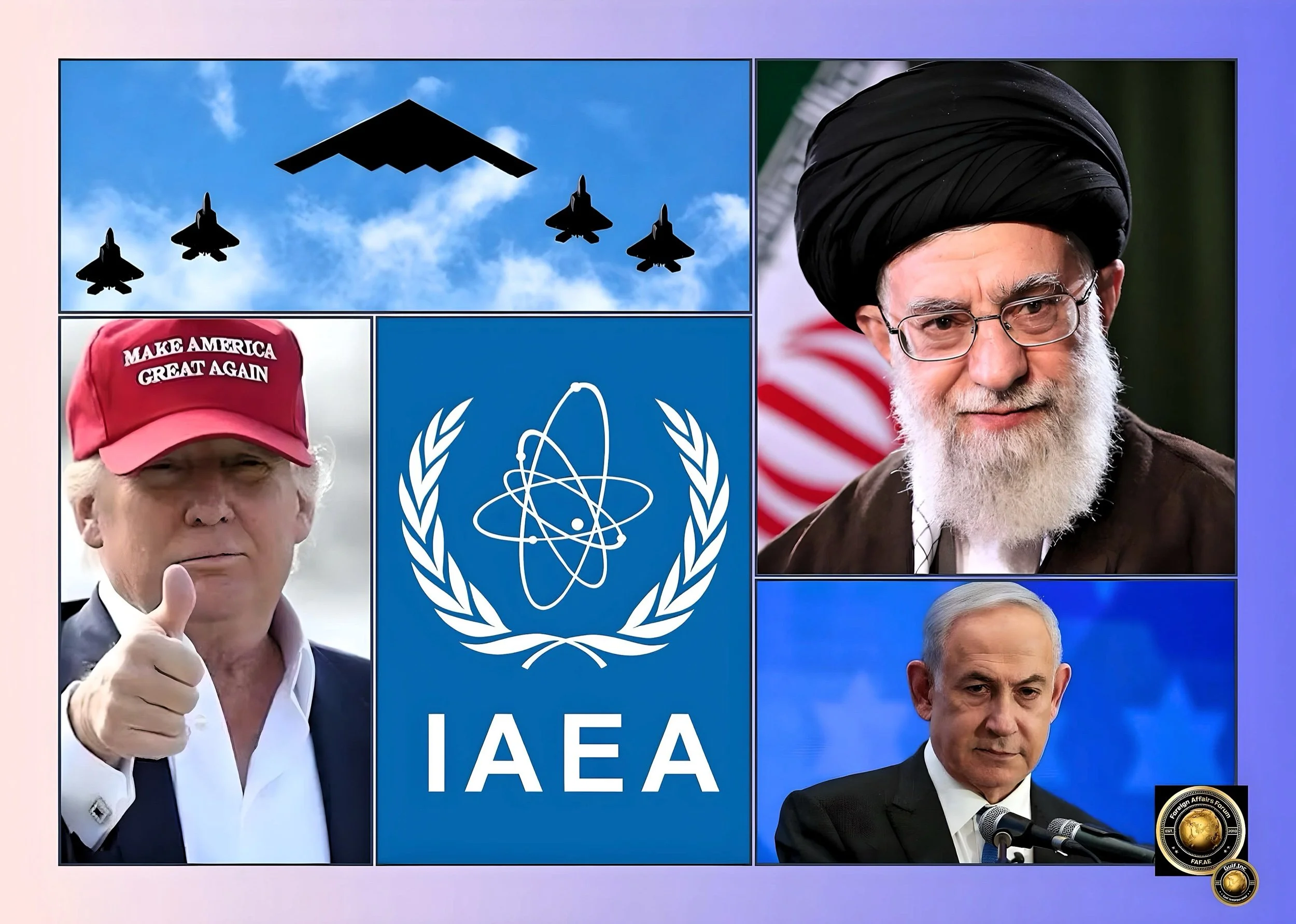
It’s worth noting that Trump had prior knowledge of Israel’s planned actions and spoke with Israeli Prime Minister Netanyahu on the eve of the attacks.
This suggests a level of U.S. involvement or tacit approval before the current conflict began.
Congressional Authorization and War Powers
The U.S. Constitution divides war powers between the executive and legislative branches. Article I, Section 8, Clause 11 grants Congress the power to declare war, while Article II, Section 2 designates the President as Commander-in-Chief of the armed forces.
These provisions require cooperation between the President and Congress regarding military affairs.
Currently, Trump does not have explicit congressional authorization to engage in military action against Iran.
In response to Trump’s escalating rhetoric, members of Congress from both parties have moved to assert their constitutional authority over war powers
Representatives Thomas Massie (R-Ky.) and Ro Khanna (D-Calif.) introduced a war powers resolution on June 17, 2025, requiring congressional approval before U.S. forces could take offensive action against Iran.
Senator Tim Kaine (D-Va.) introduced a companion war powers resolution in the Senate that would terminate the unauthorized use of U.S. armed forces against Iran, given that there has not been a declaration of war.
Senator Bernie Sanders (I-Vt.) introduced a separate bill, cosponsored by Senators Elizabeth Warren (D-Mass.) and Chris Van Hollen (D-Md.), that would prohibit the use of federal funds for “any use of military force in or against Iran” without congressional approval.
These war powers resolutions are “privileged,” meaning the House and Senate must debate and vote on them promptly.
However, they face significant challenges in the Republican-majority Congress, where many lawmakers hesitate to confront Trump’s authority.
Trump’s Current Intentions Toward Iran
Trump’s intentions regarding Iran appear to have evolved from diplomatic engagement to potential military action.
As recently as May 2025, Trump had been pursuing nuclear negotiations with Iran through his special envoy, Steve Witkoff, with talks occurring in Oman.
However, these negotiations stalled when Iran rejected Trump’s May 16, 2025, nuclear proposal, with Khamenei dismissing U.S. demands as “excessive and outrageous.”
Trump’s current stance includes several key elements
Demanding Complete Nuclear Disarmament
Trump has stated he wants “a real end” to Iran’s nuclear program, with Tehran “giving up entirely” its enrichment activities. The concession he is demanding is, in effect, the elimination of the entire uranium enrichment program on Iranian soil.
Rejecting Ceasefire Proposals
Trump has explicitly stated he is not interested in a ceasefire, saying, “I didn’t say I was looking for a ceasefire” and that he wants “a real end. Not a ceasefire. An end”.
Considering Military Options
Trump is reportedly “growing increasingly warm to using US military assets to strike Iranian nuclear facilities.”
The Pentagon is already moving warplanes and aircraft carriers to the Middle East.
Potential Use of “Bunker-Buster” Bombs
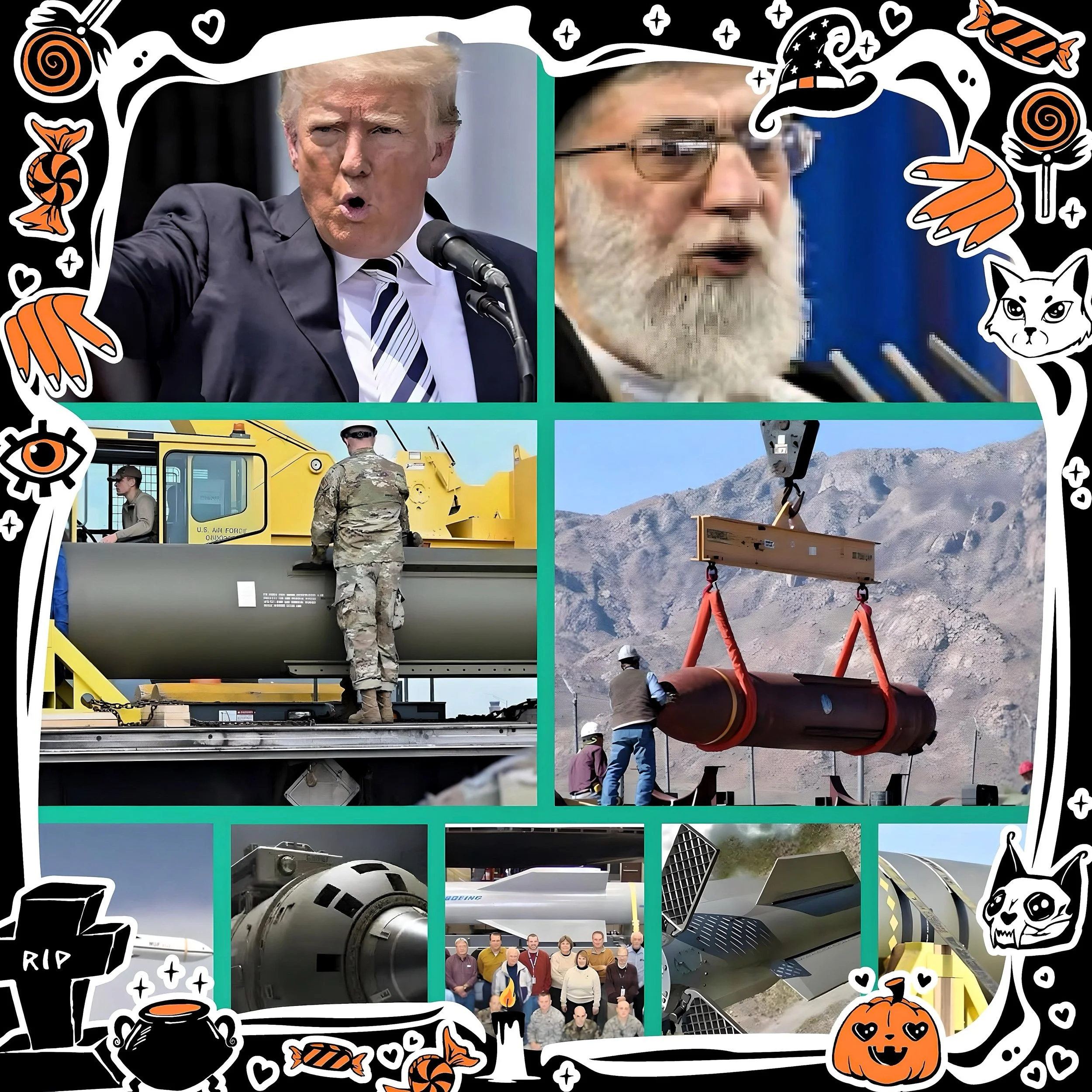
A key military option under consideration involves the potential deployment of America’s most significant conventional weapon—the 30,000-pound Massive Ordnance Penetrator—targeting Fordo, Iran’s most fortified nuclear enrichment site built under a mountain.
The U.S. is currently the only nation capable of delivering such bombs using B-2 stealth bombers.
Maintaining Diplomatic Pressure
Despite the military preparations, diplomatic channels remain open. Iran has reportedly asked Oman, Qatar, and Saudi Arabia to urge Trump to pressure Netanyahu to agree to an immediate ceasefire, offering flexibility in nuclear negotiations in return.
Trump’s decision timeline appears to be short. U.S. officials have signaled that the next 24 to 48 hours would be critical in determining whether a diplomatic solution with Iran is possible or if the president might resort to military action.
The Los Angeles Precedent
Presidential Overreach?
The question of whether Trump might “overstep his presidential boundary” in Iran as he allegedly did in Los Angeles refers to his recent controversial deployment of National Guard troops to Los Angeles without the consent of California Governor Gavin Newsom.
On June 7, 2025, Trump ordered 4,000 National Guard and 700 Marines to help manage unrest in Los Angeles following immigration raids.
This marked the first time in over 50 years that a president had activated a state National Guard without a governor’s permission.
California sued the Trump administration, arguing that the deployment violated the state’s sovereignty and U.S. laws that forbid federal troops from participating in civilian law enforcement.
On June 12, U.S. District Judge Charles Breyer ruled that Trump had unlawfully taken control of California’s National Guard and ordered him to return control to Governor Newsom.
The judge found that the civil unrest fell “far short of ‘rebellion’” and that Trump’s attempt to equate the “sporadic” violence to an organized uprising was specious.
However, the 9th U.S. Circuit Court of Appeals temporarily paused that order, allowing Trump to maintain control of the National Guard while the case proceeds through the courts.
The Trump administration subsequently activated an additional 2,000 National Guard troops to Los Angeles.
This precedent raises concerns about Trump potentially exceeding his constitutional authority in the Iran situation, especially if he orders military action without congressional approval.
Imperial Dynamics and Sovereignty Concerns
FAF, Imperialism.Forum anayzes Trump’s demand for Iran’s “unconditional surrender” raises questions about respect for national sovereignty and whether his approach reflects an “imperialist mindset.”
Imperialism is “the state policy, practice, or advocacy of extending power and dominion, especially by direct territorial acquisition or by gaining political and economic control of other territories and peoples.”
Several aspects of Trump’s approach could be interpreted through an imperial lens
Coercive Diplomacy
Trump’s demand for unconditional surrender from a sovereign nation of approximately 85 million people represents a form of coercive diplomacy that prioritizes U.S. and Israeli security concerns over Iranian sovereignty.
Military Threats
Trump’s threats against Iran’s leadership and warnings to Tehran’s population to evacuate the city demonstrate the use of military power as leverage in international relations.
Unilateral Decision-Making
Trump’s willingness to consider military action without explicit congressional authorization challenges democratic norms and constitutional checks and balances.
Regional Hegemony
The approach reflects what some analysts see as a return to more traditional American hegemonic behavior in the Middle East, despite Trump’s previous “America First” rhetoric emphasizing restraint.
However, supporters argue that Iran’s nuclear program and support for regional proxy groups constitute legitimate security threats that justify intense action.
The tension between national security imperatives and respect for sovereignty remains a central challenge in international relations.
Conclusion
Relevant Facts
Presidential Demands and Threats
The Trump administration has publicly called for Iran’s “unconditional surrender” and issued threats against its leadership, asserting U.S. dominion over Iranian airspace.
Initiation of Conflict
The current escalation can be traced back to Israel’s “Operation Rising Lion,” which commenced on June 13, 2025, aimed at Iranian nuclear facilities and military assets.
Legitimacy of Military Action
President Trump lacks explicit congressional authorization for military operations against Iran, leading to bipartisan movements to reclaim congressional war powers. Deployment of National Guard
Trump previously mobilized National Guard troops in Los Angeles sans gubernatorial consent.
This action was initially deemed unlawful by a federal judge but was later permitted to persist through an appellate ruling. Potential Military Strategies
The U.S. is contemplating various military strategies, including the deployment of “bunker-buster” bombs to undermine Iran’s fortified nuclear infrastructure.
Core Arguments Constitutional Authority
The crux of the debate centers on whether the President possesses the unilateral authority to execute military strikes against Iran absent congressional consent.
The Constitution delineates war powers between Congress and the executive, generating inherent conflict.
National Security vs. Sovereignty
The U.S. must navigate its legitimate security concerns regarding Iran’s nuclear ambitions while adhering to principles of Iranian sovereignty and international legal standards.
Diplomatic Versus Military Solutions
In light of failed diplomatic efforts, one must consider if Trump’s hardline military posture is warranted or if all diplomatic avenues should be thoroughly explored before escalating military engagement.
Imperial Overreach Concerns
The President's demand for Iran’s “unconditional surrender” and readiness to deploy military force may reflect an imperial approach that contradicts foundational American democratic principles and established international norms.
As the dynamics of this situation continue to evolve, these critical questions remain central to the discourse surrounding U.S. policy toward Iran and the appropriate delineation of presidential powers in matters of war and diplomacy.