COP30 Climate Summit: Current Status and Key Initiatives
Introduction
The 30th United Nations Climate Change Conference (COP30) opened on November 10, 2025, in Belém, Brazil—a city strategically located at the gateway to the Amazon rainforest.
This conference represents a pivotal moment, marking the first decade since the Paris Agreement was signed in 2015 and establishing what Brazil has termed an “implementation COP” focused on translating climate promises into concrete action.
Conference Scope and Participation
More than 190 countries are participating in the two-week summit (November 10-21, 2025), with delegates tasked with addressing the critical gap between current climate commitments and what science demands.
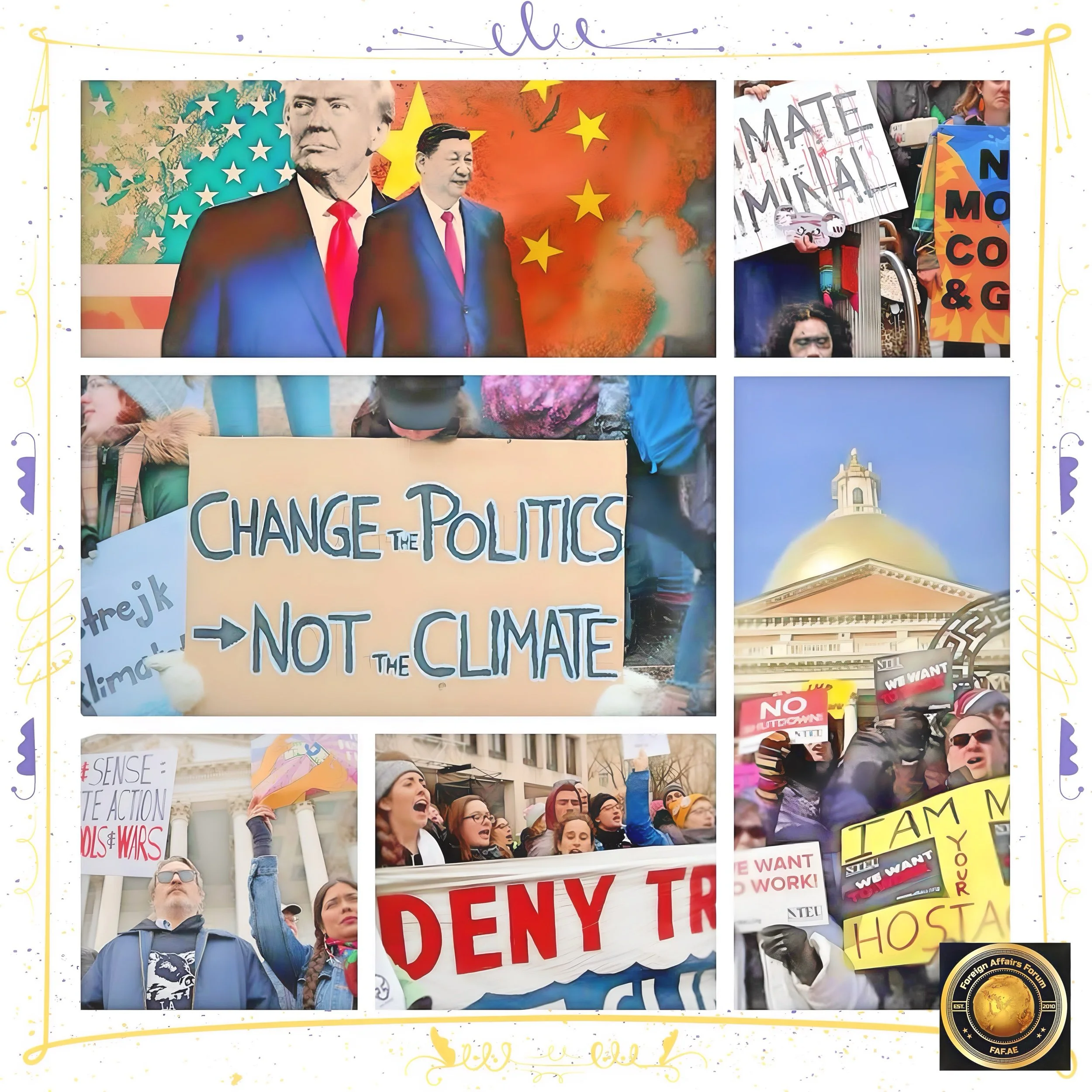
However, a significant absence shapes the proceedings: the United States, under the Trump administration that took office in January 2025, closed its office of climate diplomacy and will not send official representatives, though California’s Governor Gavin Newsom is attending in an unofficial capacity.
Primary Conference Objectives
Brazil has positioned COP30 with a focus on implementation rather than establishing new targets alone.
The conference operates around six key action axes that Brazil has identified as “super-leverage points” for systemic transformation: energy transition, forest and ocean stewardship, agriculture and food systems, sustainable cities and infrastructure, just transition, and finance and innovation.
The conference confronts sobering realities: global temperatures have already risen approximately 1.4°C above pre-industrial levels, and current national climate plans would only reduce emissions by 2.6 percent by 2030—far short of the 43 percent reduction scientists say is necessary to keep warming below 1.5°C.
COP28’s commitment to “transition away from fossil fuels in energy systems, in a just, orderly and equitable manner” remains unfulfilled, with global fossil fuel production and use continuing to increase.
The Tropical Forests Forever Facility
Brazil’s flagship initiative—the Tropical Forests Forever Facility (TFFF)—represents an innovative departure from traditional climate finance mechanisms.
Rather than seeking donations, this initiative functions as an investment fund designed to flip the economics of deforestation by making forest preservation more lucrative than forest destruction.
Financial Structure and Scale
The TFFF aims to raise and deploy $125 billion USD through a novel architecture.
The mechanism calls for $25 billion in initial capital from developed country governments and philanthropies, which would be leveraged at a four-to-one ratio to attract $100 billion from private institutional investors such as pension and sovereign wealth funds.
These combined resources would be invested in global debt markets, with annual returns distributed to tropical forest nations that maintain deforestation rates below 0.5% as verified through satellite monitoring.
At full capitalization, the facility is projected to generate approximately $4 billion annually for conservation efforts.
For Brazil alone, this represents approximately 26 times the country’s current receipts from the Amazon Fund.
Early Pledges and Investor Commitments:
As of early November 2025, the facility had already secured $5.5 billion in pledges. Major contributors include Norway ($3 billion—the largest national commitment), Brazil ($1 billion), Indonesia ($1 billion), and France (approximately €500 million).
The commitment from other financial institutions remains strong: the United States and other developed nations are expected to contribute through various mechanisms, while private sector investors including BNP Paribas have already positioned themselves to support forest conservation projects.
Community Benefit Distribution and Implementation
A critical feature distinguishes the TFFF from previous conservation funding: at least 20 percent of all payments must flow directly to Indigenous peoples and local communities.
This represents, in the words of Brazil’s Minister of Indigenous Peoples Sonia Guajajara, “a historic achievement” in recognizing Indigenous peoples as “the primary guardians of the rainforest”.
On-the-ground implementation is already advancing through complementary initiatives.
Carbon credit initiatives have secured $160 million in letters of intent to finance forest conservation projects led by Indigenous communities, with projects collectively representing nearly 90,000 Indigenous and traditional community members across 17 million hectares of Amazon forest.
Under Brazilian law, Indigenous communities supporting approved projects will receive at least 70 percent of revenue from carbon credit sales.
Climate Commitments and Emissions Reduction
Brazil’s Own Climate Targets
Brazil has submitted ambitious nationally determined contributions (NDCs) for 2035, committing to reduce net greenhouse gas emissions by 59 to 67 percent compared to 2005 levels—equivalent to eliminating 850 million to 1.5 billion tonnes of CO₂ from the atmosphere.
The country’s renewable energy transition is already advanced, with Brazil generating over 80 percent of its electricity from renewable sources, surpassing the 69-country global benchmark of 50 percent renewable generation.
Global Climate Finance
A critical negotiation framework addresses financing for developing nations. At COP29 in Baku, developed countries agreed to mobilize at least $300 billion annually for climate action in developing countries, with the goal of reaching $1.3 trillion annually by 2035.
This financing must support both emissions reductions and adaptation to climate impacts already being experienced.[unfccc]
Fossil Fuel Transition
The summit has intensified focus on implementing COP28’s commitment to transition away from fossil fuels.
President Lula declared that “the decisions we make regarding the energy sector will determine our success or failure in the fight against climate change,” emphasizing that despite renewable energy generation tripling over the past decade, fossil fuels still comprised 80 percent of the global energy mix as of 2024.
The First International Conference for the Phase Out of Fossil Fuels will be hosted by Colombia in 2026, with discussions already underway regarding a formal Fossil Fuel Treaty.
Amazon Preservation Strategy and Contradictions
Brazil has announced comprehensive measures to expand Amazon protection through eight presidential decrees signed in July 2025, establishing the Amazon Security and Sovereignty Plan designed to combat land grabbing and illegal deforestation.
President Lula articulated the urgency: “the planet can no longer sustain a development model based on the intensive use of fossil fuels that has prevailed for the past 200 years”.
However, the conference occurs against a backdrop of contradictions within Brazil’s own policy.
While championing climate action at COP30, Brazil has simultaneously expanded oil production—a contradiction that critics both domestically and internationally have highlighted, noting similar inconsistencies at previous COP hosts like Azerbaijan and the United Arab Emirates.
Furthermore, a controversial draft law nicknamed the “devastation bill” by environmental advocates, though partially vetoed by Lula, still contains provisions for fast-tracking infrastructure projects considered “strategic,” raising concerns about potential pathways for increased deforestation and displacement of Indigenous communities.
Conference Outcomes and Pressures
As COP30 enters its second week of negotiations, the conference faces several critical decision points.
The agenda itself required months of negotiations among participating nations, with Brazil seeking consensus on fossil fuel phase-out strategies while nations debate the pace and equity of climate action.
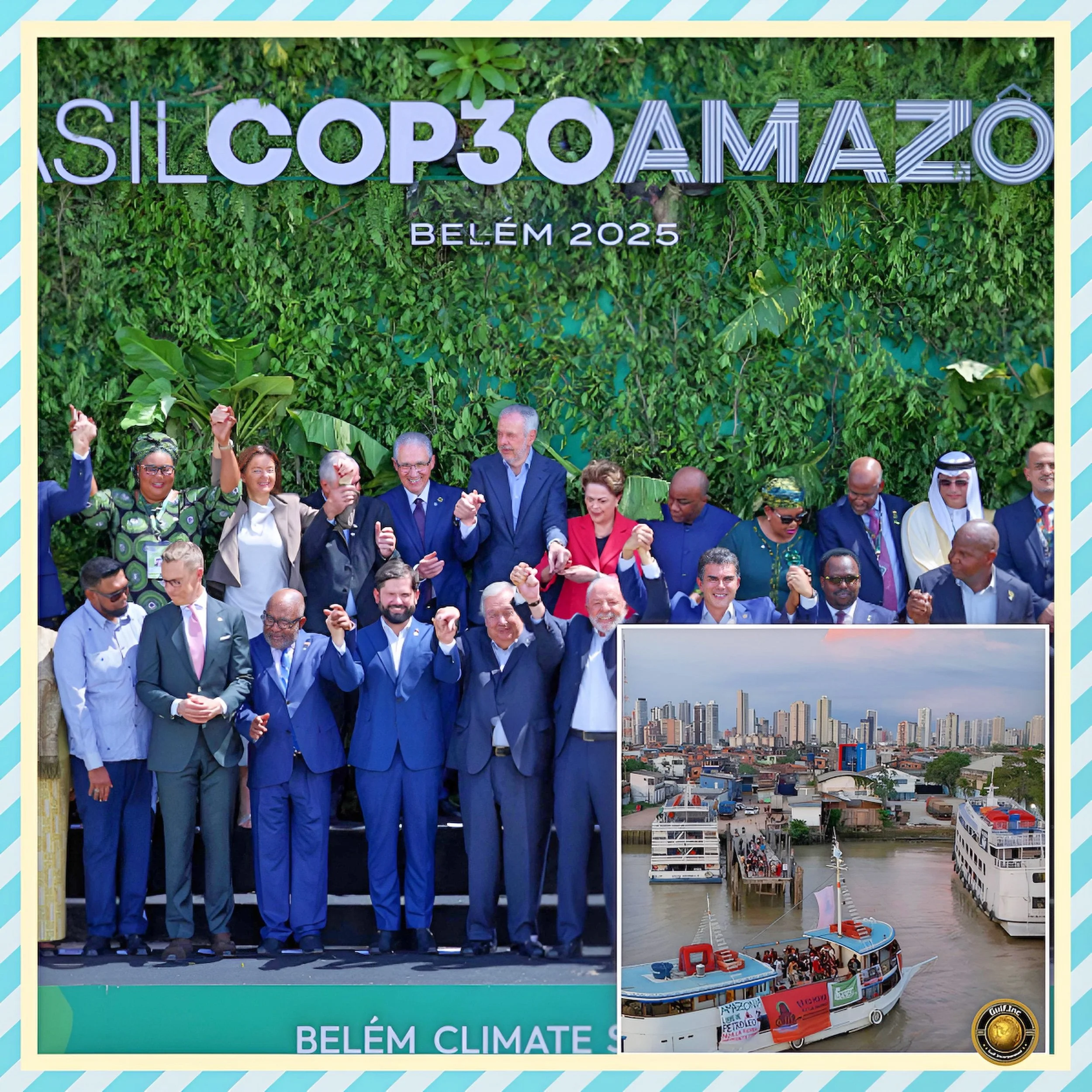
Indigenous leaders have joined proceedings, arriving by boat, advocating for greater involvement in territorial management as climate change intensifies and extractive industries encroach on their lands.[reuters]
The conference is being closely monitored by over 1,000 civil society organizations from 106 countries, representing trade unions, Indigenous leaders, feminist and youth movements, and environmental advocates, all calling for a “Just Transition” that ensures climate action benefits people and communities rather than exacerbating inequality.
Drone with indigenous leaders
A drone view captured a powerful moment as a boat carrying Indigenous representatives from across Latin America arrived in Belem, Brazil, just ahead of the UN Climate Change Conference (COP30), marking one of the most significant gatherings of Indigenous leaders in the history of the climate summit.
The delegates, who traveled from the Andes glacier to the Amazon, arrived aboard a three-story wooden boat nicknamed “Yaku Mama,” symbolizing their collective journey and commitment to defending their ancestral lands.
The Significance of the Arrival
The boat journey, which took over 3,000 kilometers (1,864 miles) and lasted about 30 days, brought together dozens of Indigenous leaders from diverse regions.
Their main demand at COP30 is to secure a greater say in the management of their territories, calling for stronger protections against industries like mining, oil drilling, and logging that threaten both the Amazon and their communities.
Over 3,000 Indigenous delegates are expected for this year’s summit—more than in any previous climate conference—highlighting the global importance of Indigenous voices in climate negotiations.
The Context and Objectives
The arrival underscored the urgency of including Indigenous perspectives in climate policy, as their territories are often the most effective barriers against deforestation and biodiversity loss.
Indigenous leaders are calling for financial commitments that direct at least 20% of conservation funds to local communities, implementation of land rights protections, and recognition of Indigenous knowledge as a critical climate solution.
Symbolism and Broader Impact
The boat’s arrival, viewed from the drone, became a visual symbol of unity and resilience, with leaders chanting for justice and greater representation in climate negotiations.
Brazil’s government has pledged to ensure Indigenous voices are heard during the summit, with President Lula and other leaders emphasizing the intersection of climate action and Indigenous rights.
This moment represented not just a physical arrival, but a powerful statement: Indigenous peoples are central to the future of climate justice and the protection of vital ecosystems like the Amazon.
Conclusion
A Decade of Mixed Progress
The decade since the Paris Agreement has produced mixed results.
Current scientific assessments indicate that global greenhouse gas concentrations continue to reach record highs, with alarming rates of glacier and ice sheet thawing documented by scientists worldwide.
Yet renewable energy capacity continues to expand rapidly, with nearly 90 percent of newly added power generation capacity in 2024 coming from renewable sources, driven by momentum in major economies.
COP30 thus represents both a test of multilateral climate governance and a demonstration of whether coordinated international action can finally bend the curve on emissions, protect critical ecosystems like the Amazon, and ensure that the financial burden of climate action is shared equitably across developed and developing nations.