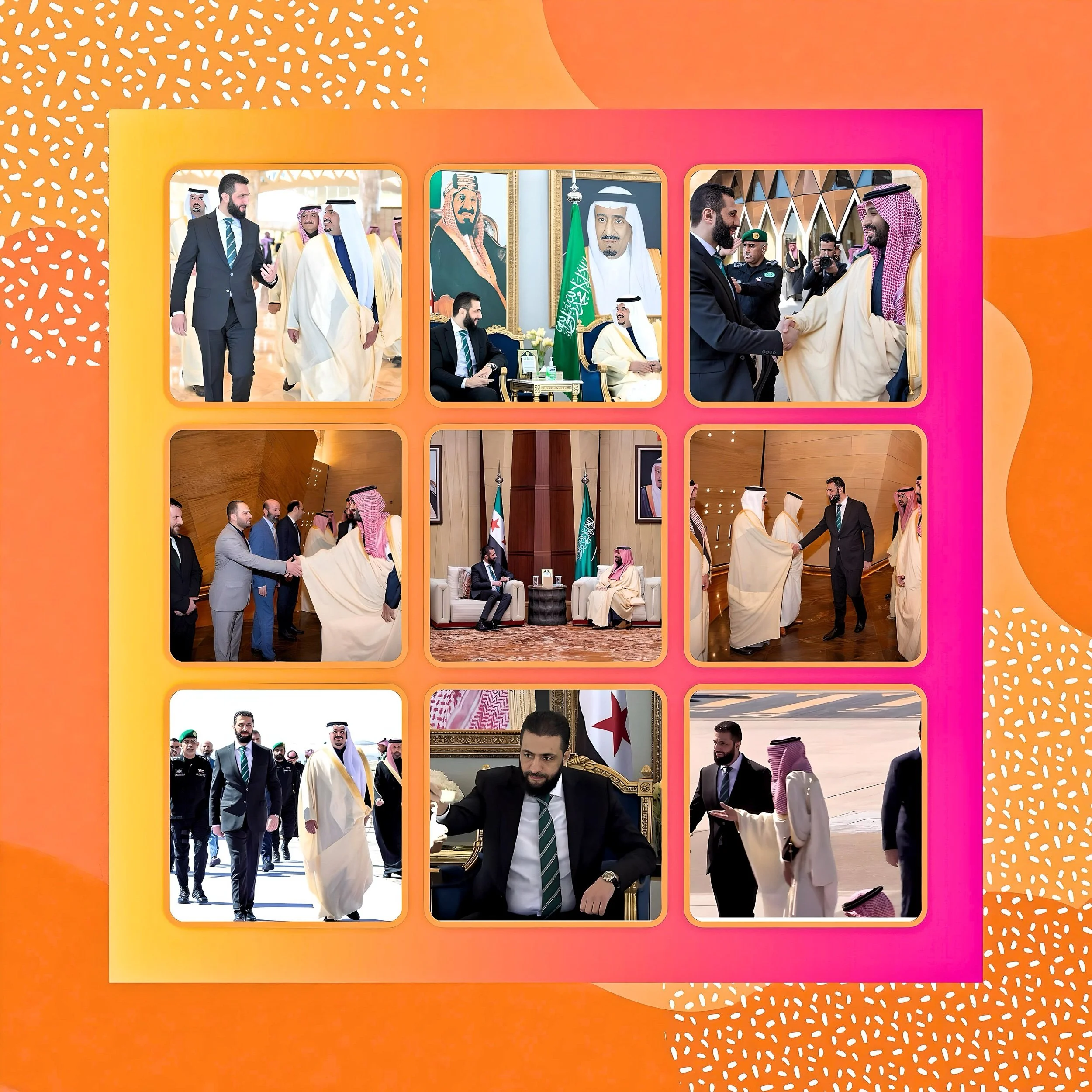
Why is Ahmed Sharaa in Saudi. What is his agenda. How will this shape Middle-East economically and politically
Introduction
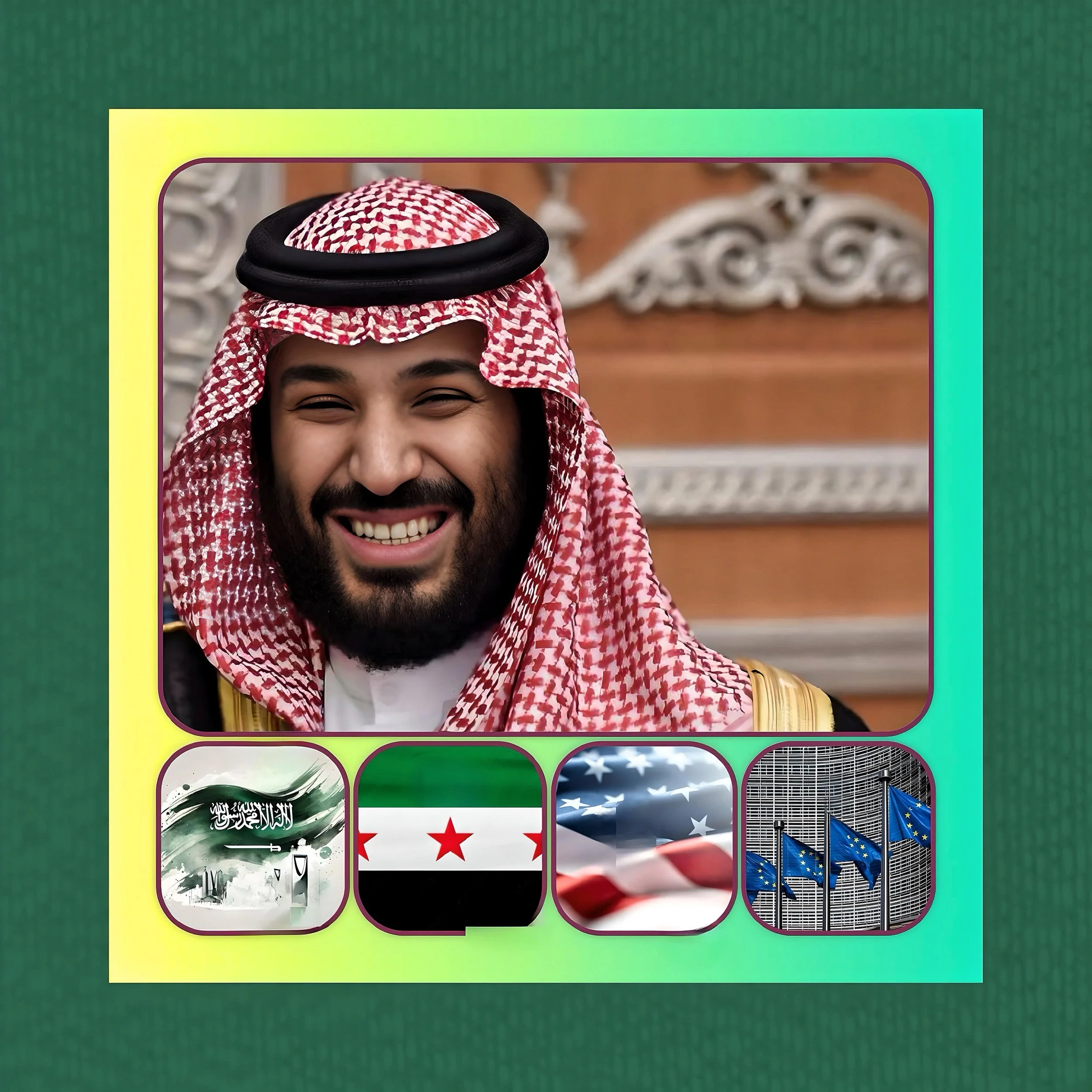
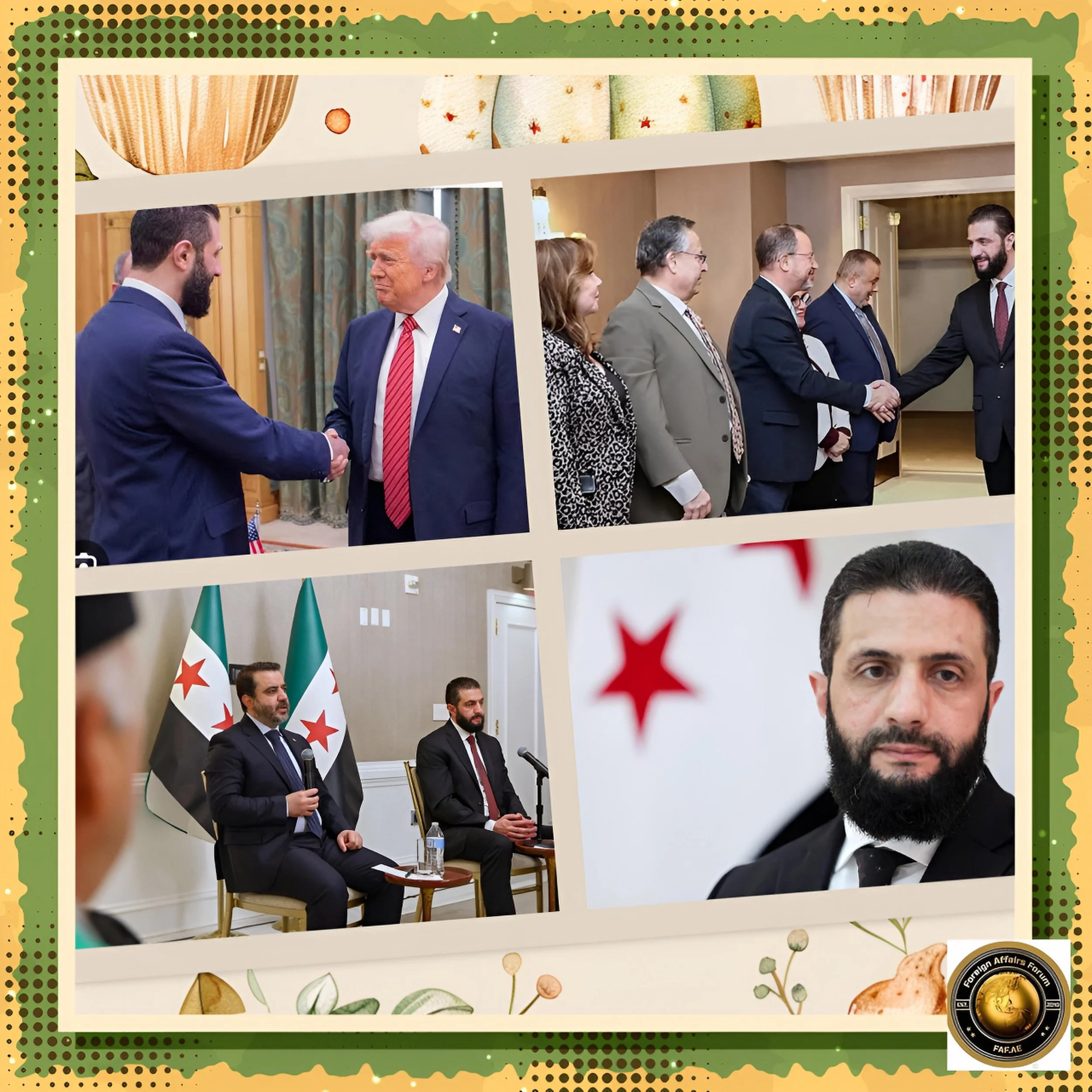
Ahmed Sharaa, Syria’s interim president, is in Saudi Arabia to strengthen Syria’s diplomatic and economic ties with Gulf states, marking a strategic pivot away from Iran and toward regional allies.
This visit, his first foreign trip since assuming power after Bashar al-Assad’s ousting in December 2024, aims to secure critical support for Syria’s postwar recovery and reshape Middle Eastern geopolitics.
Key Agendas of the Visit
Sanctions Relief
Sharaa seeks Saudi assistance in lobbying Western nations to lift sanctions imposed during Assad’s regime, which have crippled Syria’s economy. Saudi Foreign Minister Faisal bin Farhan has already engaged with the U.S. and EU to advocate for this, citing “encouraging responses”.
Reconstruction Funding
Syria’s infrastructure, devastated by 14 years of war, requires an estimated $400 billion for rebuilding. Sharaa views Saudi Arabia and Gulf states as primary financiers, framing Syria as a “major investment opportunity”.
Diplomatic Legitimacy
By choosing Saudi Arabia for his inaugural visit, Sharaa signals a break from Assad’s Iran-aligned legacy. His personal ties to the kingdom—born in Riyadh and raised there for seven years—bolster this outreach.
Economic and Political Implications
Economic Shifts
Gulf Investment
Saudi Arabia has initiated an aid “airbridge” to Damascus, including fuel and medical supplies, and may fund infrastructure projects. This could stabilize Syria’s currency and reduce reliance on Iran and Russia.
Sanctions Easing
Success here would unlock international trade and attract foreign investment, though progress hinges on Western approval.
Geopolitical Realignment
Decline of Iranian Influence
Syria’s shift toward Gulf states weakens Iran’s regional “Axis of Resistance,” which included Assad’s regime. Saudi Arabia aims to fill this vacuum, enhancing its leverage in Lebanon and Syria.
Saudi Regional Leadership
Riyadh seeks to position itself as a mediator in postwar Syria, countering Turkey’s and Qatar’s roles. Recent visits by Qatar’s emir and Saudi officials highlight competition for influence.
Arab Reintegration
Saudi support could accelerate Syria’s return to the Arab League and normalize relations with Sunni-majority states, marginalizing Assad loyalists and Iran-aligned factions.
Challenges
Internal Fragmentation
Syria remains divided, with Kurdish territories, Assad loyalist enclaves, and jihadist groups like ISIS complicating governance.
Skepticism Toward Sharaa
Despite rebranding from his jihadist past, concerns persist about authoritarian tendencies and human rights violations under his rule.
Conclusion
Sharaa’s Saudi visit underscores a transformative moment for Syria and the Middle East.
Economically, Gulf investment could catalyze recovery, while politically, Riyadh’s ascendancy may rebalance power away from Iran and Russia.
However, lasting stability depends on unifying Syria’s fractured territories, securing sanction relief, and addressing governance concerns.
The outcomes will shape not only Syria’s future but also the regional rivalry between Saudi Arabia and Iran.