US Sanctions on Russian Oil: Comprehensive Analysis
Introduction
Understanding US Sanctions on Russian Oil
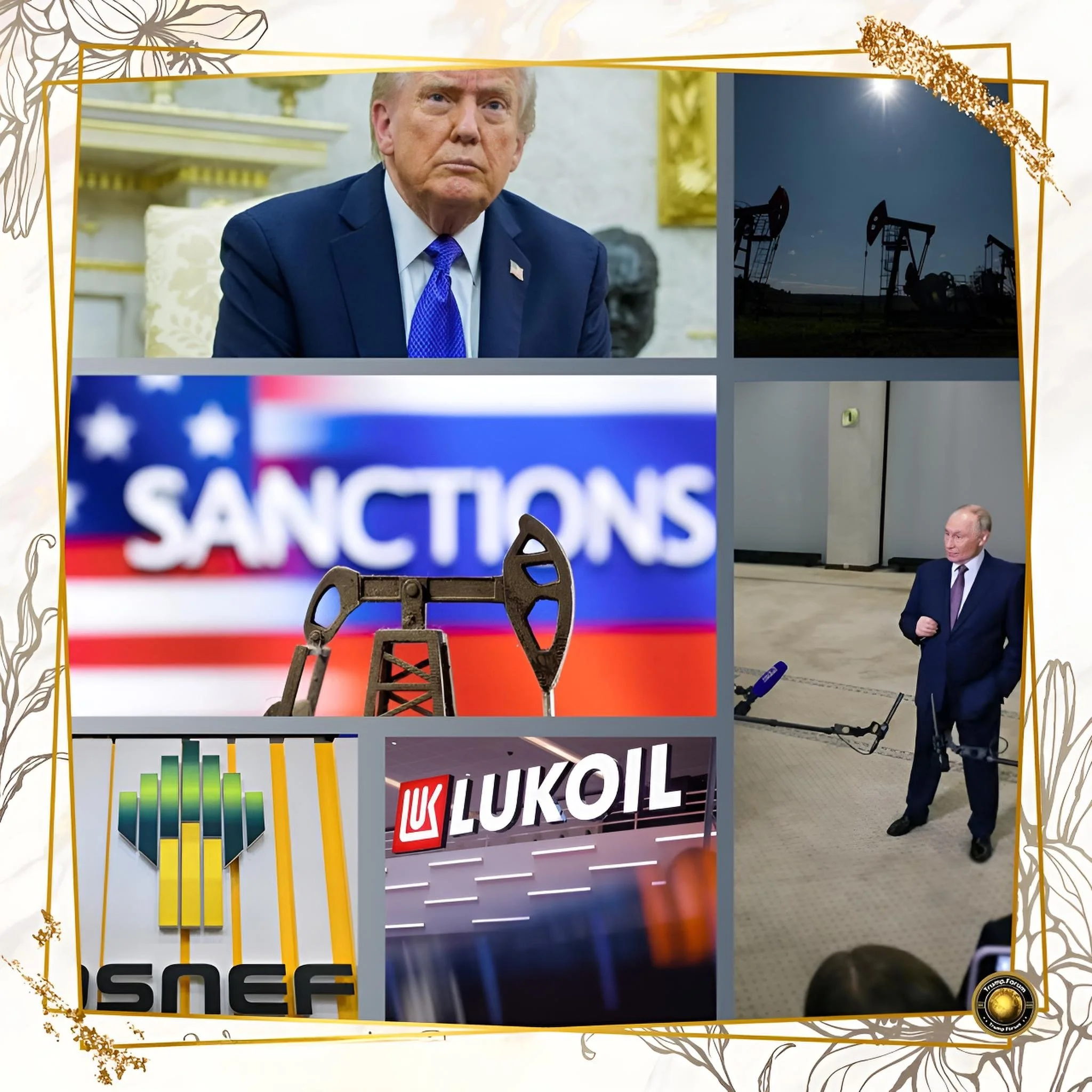
On October 22, 2025, the Trump administration enacted unprecedented sanctions against Russia’s two principal oil corporations—Rosneft and Lukoil—representing the most substantial escalation in energy-sector sanctions since Russia’s full-scale invasion of Ukraine.
These sanctions specifically target entities responsible for collectively approximately 47% of Russia’s seaborne crude oil exports, amounting to 3.1 million barrels per day, thereby affecting a vital source of revenue for Moscow’s military operations.
The measures are mandated under Executive Order 14024, which explicitly stipulates the possibility of secondary sanctions against foreign financial institutions and entities that continue to conduct business with the designated Russian companies.
This authority effectively excludes sanctioned entities from the United States dollar financial system, freezes their assets within U.S. jurisdiction, and prohibits United States persons from engaging in transactions with them. All dealings with these entities are required to cease by November 21, 2025.
The Global Significance of United States Sanctions
U.S. sanctions imposed on Russian oil hold considerable global importance for several interconnected reasons.
Firstly, Russia remains the world’s third-largest producer of oil, with production reaching approximately 9.78 million barrels per day as of mid-2025, and export capacity estimated at around 5.1 million barrels per day.
Russian oil exports generate an estimated revenue of between $120 billion and $130 billion annually following sanctions, constituting a vital source of income that funds approximately 40% of the Russian federal budget.
Secondly, the threat of secondary sanctions represents a paradigm shift in enforcement strategy.
Unlike primary sanctions, which directly target Russian entities, secondary sanctions threaten to exclude third-party nations, financial institutions, insurers, and shipping companies from Western financial systems if they facilitate transactions with sanctioned Russian firms.
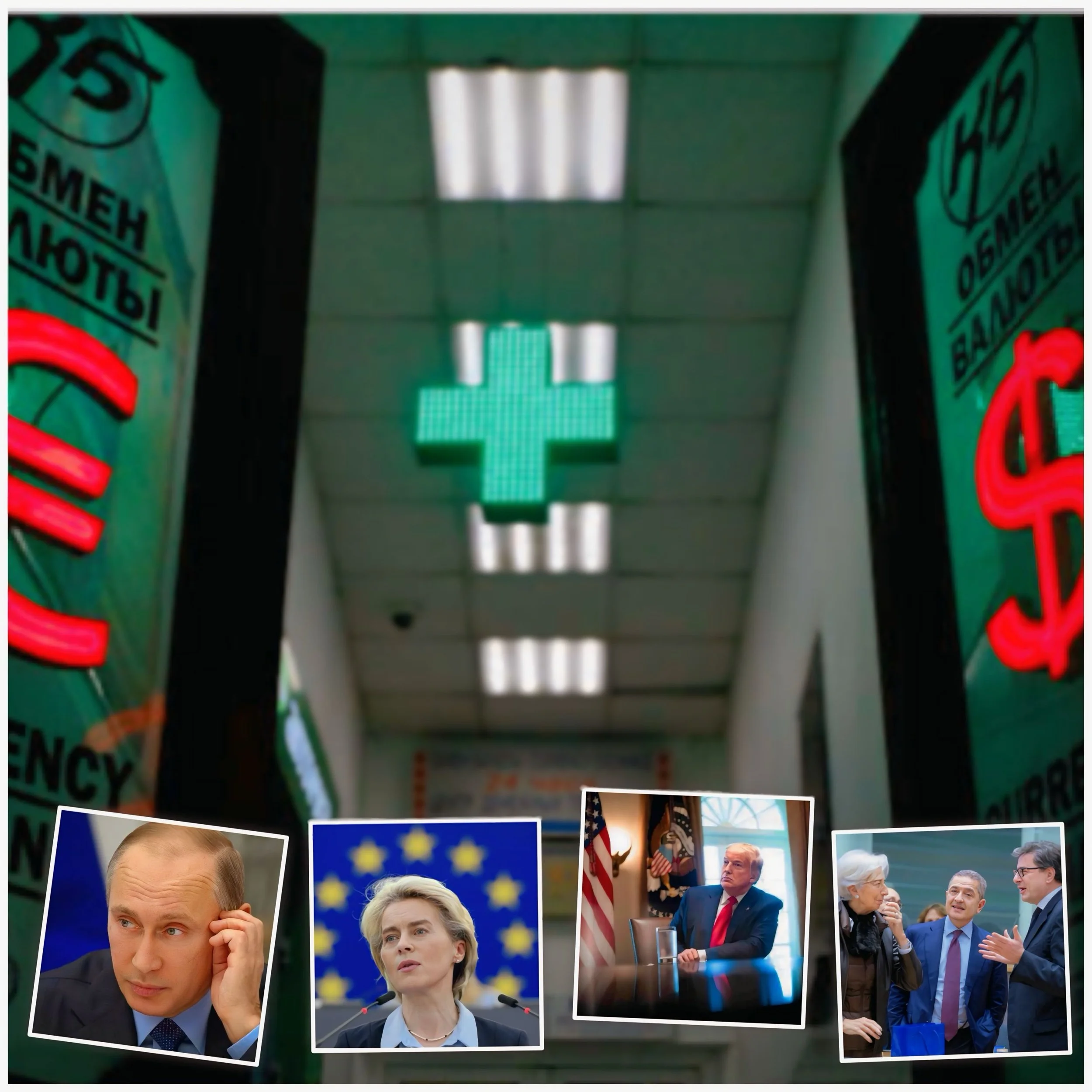
Considering that most international oil transactions are settled in U.S. dollars via the petrodollar system, this framework imposes substantial compliance pressures on global market participants.
Thirdly, these sanctions directly challenge the price cap mechanism of 60 dollars per barrel, established by G7 nations in December 2022.
The effectiveness of this mechanism has diminished as Russia has developed alternative supply chains, including a “shadow fleet” of approximately 180 tankers operating outside G7 jurisdiction.
The 2025 sanctions aim to counter these developments by targeting both major oil companies and shadow fleet vessels, striving to restore the efficacy of the price cap.
The implications for entities that ignore U.S. sanctions are severe and multifaceted.
Countries, corporations, and financial institutions which continue purchasing oil from Rosneft or Lukoil beyond the November 21 deadline risk exclusion from U.S. banking systems and the dollar-based transactional framework.
Such exclusion poses an existential threat to businesses engaged in international markets, given the dominance of the U.S. dollar in global trade and energy transactions.
Specifically, violators may face the following consequences
Financial system exclusion
Foreign banks processing payments related to sanctioned transactions may be prohibited from maintaining correspondent accounts within the United States, effectively restricting access to dollar clearing mechanisms.
Asset freezes
Entities found in violation may have their U.S.-based assets frozen and be subject to civil or criminal penalties.
Reputational damage
Sanctions generate cascading effects, as international partners may cease dealings with sanctioned entities to safeguard their own compliance.
Loss of Western services
Sanctioned entities may be barred from access to Western insurance, shipping, technology, and financial services essential for international oil trade.
The enforcement mechanism exhibits significant sophistication, utilizing advanced monitoring systems such as satellite tracking, blockchain transaction analysis, and artificial intelligence-driven pattern recognition to identify violations across multiple jurisdictions.
Historical precedents from Iranian and Venezuelan oil sanctions illustrate the U.S. government’s willingness to impose severe sanctions on violators, regardless of nationality or organizational size.
India and China: Import Capabilities and Official Responses
India’s Position
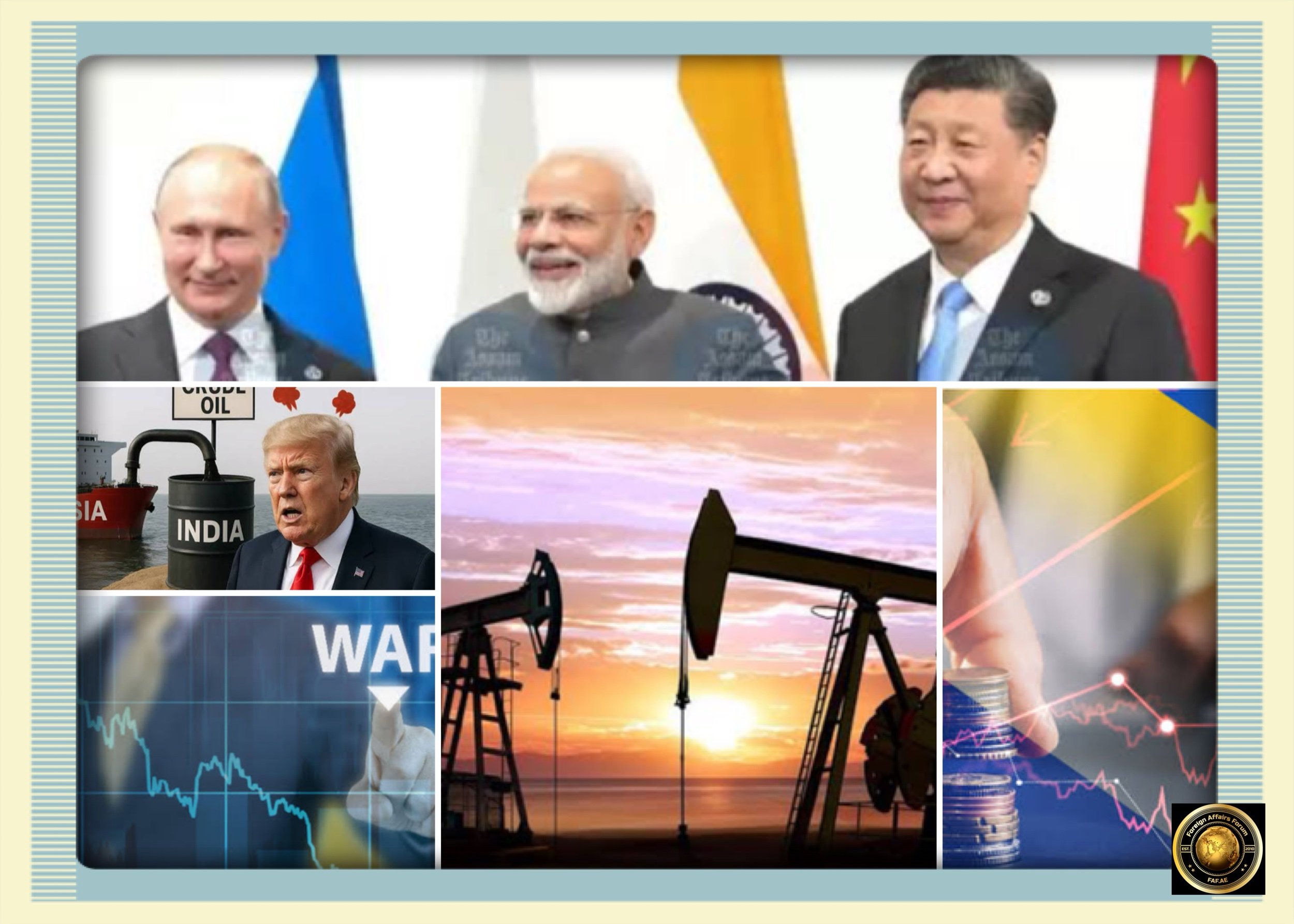
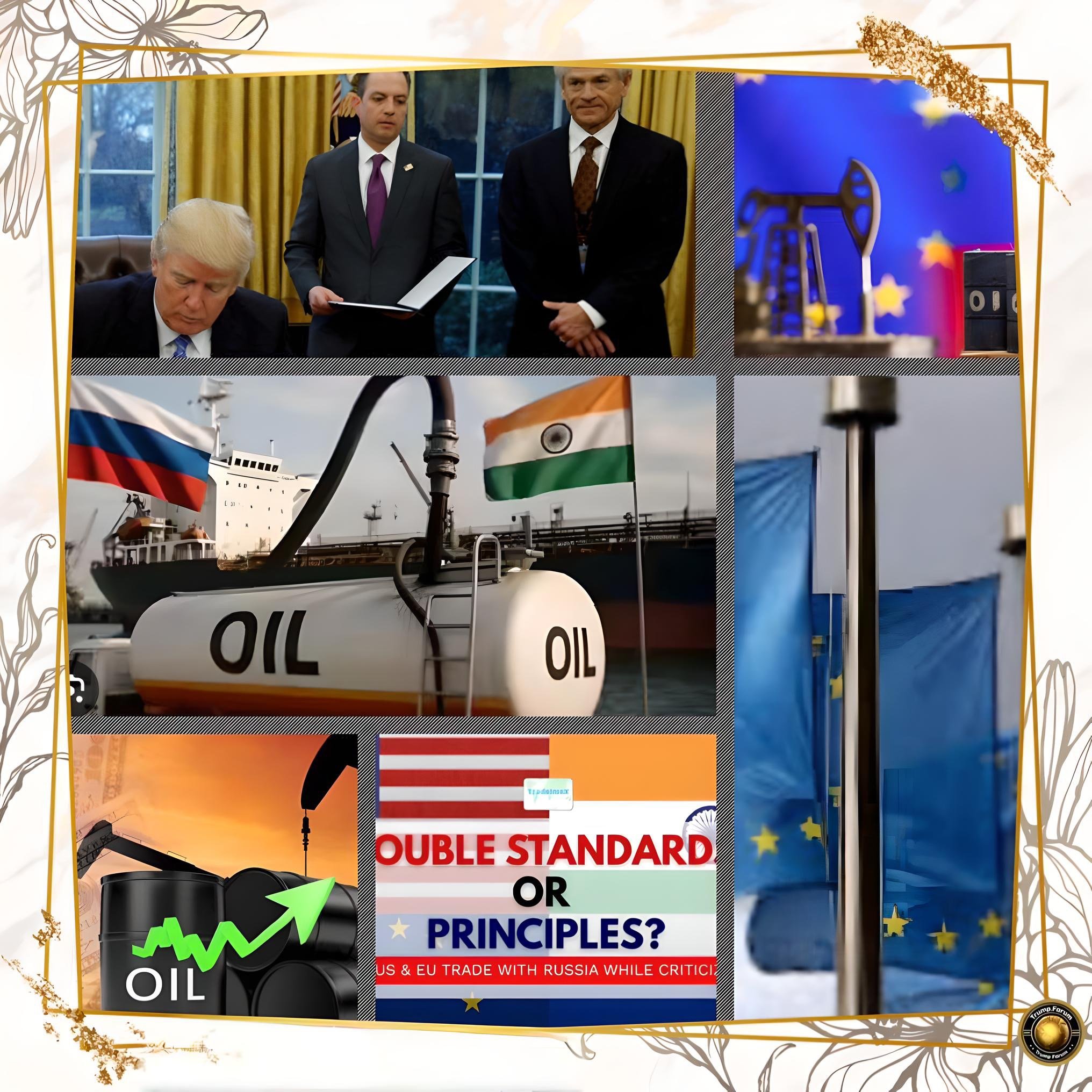
Since 2022, India has become the largest importer of Russian seaborne crude oil, with an estimated intake of approximately 1.6 to 1.8 million barrels per day in 2025. This volume accounts for roughly 36 to 40 percent of India's total crude oil imports.
The implementation of new sanctions has caused immediate disruptions to this energy partnership.
Within days of the sanctions announcement, Reliance Industries, India’s leading private refiner, announced a process of "recalibration” of Russian oil procurement, effectively suspending imports under its long-term contract to purchase nearly 500,000 barrels per day from Rosneft.
Indian state-owned refiners, including Indian Oil Corporation, Bharat Petroleum Corporation, and Hindustan Petroleum Corporation, promptly commenced reviewing their documentation to ensure that no supplies originate directly from sanctioned entities.
Senior executives within the refining sector have indicated that the volume of Russian oil delivered to major Indian processors is expected to decrease to nearly zero.
Official Response of India
India has not issued formal policy statements indicating a definitive shift away from Russian oil imports. The Ministry of External Affairs has consistently defended these purchases as vital for ensuring energy security for millions of Indians.
Conversely, the White House asserts that India is reducing imports “at the behest of President Trump," although India has not publicly corroborated this assertion.
Pragmatically, Indian refiners face secondary sanctions risks that supersede political considerations.
China’s Position
China imported approximately 2.0 to 2.2 million barrels per day of Russian oil in 2025, constituting approximately 18 to 20 percent of its total crude oil imports, thereby making China Russia’s largest customer.
Following the sanctions announcement, all four major Chinese state-owned oil companies—PetroChina, Sinopec, CNOOC, and Zhenhua Oil—ceased seaborne Russian oil purchases, at least temporarily.
It is noteworthy that pipeline deliveries from Russia to China remain unaffected, as these are not encompassed by the sanctions focused on maritime transport.
Official Response of China:
Guo Jiakun, a spokesperson for the Chinese Foreign Ministry, declared that “China opposes unilateral sanctions without a basis in international law or UN Security Council authorization." Beijing characterized these measures as illegitimate within the framework of international law.
Despite this official stance, Chinese state-controlled companies have demonstrated compliance in practical terms—at least initially—likely driven by concerns over exclusion from Western financial systems and markets.
The central issue for both nations involves balancing access to discounted Russian energy supplies against the risk of being excluded from U.S. financial systems and Western markets, where Chinese and Indian firms have significant investments.
Impact on Russia
The sanctions impose immediate and substantial pressure on Russia’s economic framework. In the short term (1-3 months), the following impacts are anticipated:
Reduction in export volume
Analysts estimate that Russian oil exports could decline by 0.5 to 1.5 million barrels per day as major trading partners suspend purchases.
Widening of price discounts
The discount of Russian Urals crude relative to the Brent benchmark may increase from $8-12 per barrel to between $20-35 per barrel, mirroring patterns observed in early 2023.
Revenue contraction
Due to decreased export volumes and increased discounts, Russia’s monthly oil export revenues—already at a five-year low of approximately $13.5 billion in September 2025—are likely to experience further decline.
Disruption of shadow fleet operations
The sanctioning of 183 tanker vessels effectively removes critical transportation capacity, compelling Russia either to comply with the price cap or to develop alternative evasion strategies.
In the medium term (3-12 months), more complex challenges are likely to emerge.
Potential cessation of production
Russian oil producers may be compelled to shut down operations if export channels remain constrained, compounded by limited domestic storage capacity.
Long-term damage to extraction infrastructure
Closure of wells, particularly in severe climates such as Siberia, may cause irreparable harm, reducing future production capacity.
Limited access to Western technology and services: Maintaining complex extraction operations in mature fields will become increasingly difficult without access to Western technological support.
Russia is likely to pursue several alternative market strategies, including:
Price competition
Offering more significant discounts to retain market share among willing buyers.
Development of third-party intermediaries
Establishing new trading entities and shell corporations to obscure ownership and circumvent sanctions, though this approach heightens transaction costs.
Engagement with non-aligned buyers
Seeking customers in countries with minimal exposure to US financial systems; however, few large importers fit this criteria.
Barter agreements
Developing non-dollar trading arrangements with partners such as Iran and North Korea.
Alternative insurance and shipping solutions
Expanding non-Western service infrastructure, which requires substantial time and investment.
President Vladimir Putin has acknowledged the sanctions as “serious” and indicated that they will have “certain consequences,” while asserting that they will not “significantly impact our economic well-being."
This public statement appears to contradict internal assessments by Russian officials and analysts who recognize that the sanctions primarily target the country’s most vital revenue source.
Global Impact: Alternative Suppliers and Inflation
Alternative Oil Production Capacity
In light of the potential removal of 1-2 million barrels per day of Russian supply from accessible markets, the global oil system must depend on alternative producers to prevent significant price escalations.
Saudi Arabia, which possesses the largest spare production capacity globally, serves as the primary buffer in this context.
Saudi Aramco is capable of maintaining a production level of 12 million barrels per day for one year without requiring additional investment, although current production is approximately 10 million barrels per day.
This suggests a theoretical spare capacity of around 2 million barrels per day; however, realistically deployable capacity is estimated at only 600,000 to 1 million barrels per day that can be sustained over time.
The United Arab Emirates maintains additional spare capacity estimated at approximately 850,000 barrels per day.
Collectively, Saudi Arabia and the United Arab Emirates control nearly 80% of the global spare capacity within the framework of OPEC+.
Other OPEC+ member states—including Iraq, Kuwait, and Algeria—operate near their maximum capacity and are unable to significantly increase production.
US shale producers could theoretically elevate output, with United States production reaching record levels of approximately 13.5 to 13.6 million barrels per day in 2025.
Nevertheless, low oil prices, currently around $60 to $62 per barrel for West Texas Intermediate (WTI) crude, have constrained investment and drilling activities within the shale sector.
Executives in the shale industry have expressed concern that sustained low prices may threaten the profitability of their operations.
It is important to note that the timing of sanctions coincides with an anticipated oil surplus projected for 2026, which may afford greater flexibility in managing supply disruptions without precipitating severe price increases.
The International Energy Agency forecasts that global oil inventories will increase through 2026, exerting downward pressure on prices even in the absence of Russian exports.
Inflationary Implications
The correlation between crude oil prices and inflation is well established and direct.
Federal Reserve Chair Jerome Powell previously indicated that every $10 per barrel increase in crude oil prices is associated with a 0.2% rise in inflation and a 0.1% reduction in economic growth.
Following the announcement of sanctions, oil prices experienced a surge of approximately 5-6%, with United States benchmark crude increasing from approximately $58 to $61.91 per barrel.
However, multiple factors will moderate inflationary pressures:
Supply-Side Mitigation Strategies:
OPEC+ spare capacity can compensate for volume losses incurred by Russia.
The United States strategic petroleum reserves remain accessible for emergency releases.
Global conditions of oil surplus constrain the potential for sustained increases in oil prices.
Modern economies exhibit reduced energy intensity compared to the oil shocks of the 1970s.
Demand-Side Factors
Weak global economic growth projections, particularly in China, along with a slowdown in manufacturing activity, are diminishing industrial fuel demand. Seasonal fluctuations also influence consumption patterns.
Analysts project that if oil prices rise to a range of $70 to $80 per barrel and stabilize at this level, United States headline inflation could increase by approximately 0.5 to 1.0 percentage points in the short term, with effects diminishing as markets adapt.
Core inflation, which excludes volatile energy prices, is expected to be affected less, with an increase of approximately 0.3 to 0.4 percentage points.
The Producer Price Index (PPI) is likely to experience greater impacts than the Consumer Price Index (CPI), given that oil constitutes a significant input in manufacturing processes.
Historical data indicates a correlation of 0.71 between oil prices and PPI, compared to only 0.27 with CPI, due to the lower energy intensity of services.
For consumers, gasoline prices—which already incorporate oil at roughly 50% of retail price—may increase by $0.10 to $0.30 per gallon within one to two weeks if current upward trends persist.
However, policymakers, aware of President Trump’s sensitivity to gasoline prices as a political issue, might intervene to prevent unacceptably high price levels.
Strategic Considerations and Historical Context:
The 2025 sanctions are strategically designed to exploit market conditions, specifically an anticipated oil surplus, thereby exerting maximum pressure on Russia while minimizing disruption to the global economy.
This approach contrasts with earlier sanctions implemented during periods of tight market conditions, when supply disruptions could have triggered severe price spikes.
The credibility of the enforcement mechanism fundamentally relies on consistent application of secondary sanctions.
Historical precedents, such as the Iranian sanctions, demonstrate that threats of secondary measures without actual enforcement enable targeted countries to develop workarounds and alternative systems.
Therefore, the Trump administration must make high-profile demonstrations of enforcement to foster compliance and deter violations.
The broader geopolitical implications extend beyond the conflict in Ukraine.
These sanctions serve as a test of alliance cohesion and the capacity of the United States, European Union, and United Kingdom to coordinate enforcement across diverse legal frameworks.
Additionally, they assess the extent to which dollar-based financial systems confer coercive power, and whether China, Russia, and other nations can successfully develop alternative, non-Western payment systems.
Furthermore, these measures prompt an examination of energy security paradigms, specifically how nations balance economic efficiency against the need for supply diversification and resilience.
Conclusion
U.S. sanctions on Russian oil represent a sophisticated, multi-layered strategy of economic warfare targeting Moscow’s primary revenue source. By leveraging the dominance of American financial systems, these measures aim to enforce compliance on a global scale.
The sanctions have the potential to substantially diminish Russian oil revenues through reductions in volume and adjustments in pricing strategies, particularly if secondary sanctions are enforced credibly.
For India and China, the decision is stark: maintain access to discounted Russian energy or face the possibility of exclusion from Western financial systems and markets.
Early indications from both nations suggest that the threat of secondary sanctions exerts considerable influence.
Russia faces significant medium-term challenges; however, immediate collapse remains unlikely given existing reserves, alternative trading partnerships, and its experience in sanctions evasion.
The ultimate effectiveness of these sanctions will depend on sustained political will within Western nations, consistent enforcement across jurisdictions, and Russia’s ability to develop alternative markets and payment mechanisms.
The broader geopolitical and economic impacts on global inflation appear manageable at present, considering current oil surplus conditions and available spare capacity. Nonetheless, regional variations and secondary effects through supply chains are likely to generate localized pressures.
These sanctions exemplify a deliberate exploitation of market timing to maximize pressure while balancing risks to global energy stability.
This episode highlights the complexities of contemporary economic statecraft, where financial architecture, commodity market dynamics, geopolitical alliances, and enforcement credibility intersect to influence outcomes in great power competition.
In the coming months, it will become apparent whether this strategic approach succeeds in compelling policy changes in Russia or drives the accelerated development of alternative global financial infrastructure that may diminish Western economic influence.