Moscow.Form- Hungary and Slovakia Block EU’s 18th Russia Sanctions Package: Current Situation - The Block Announcement
Introduction
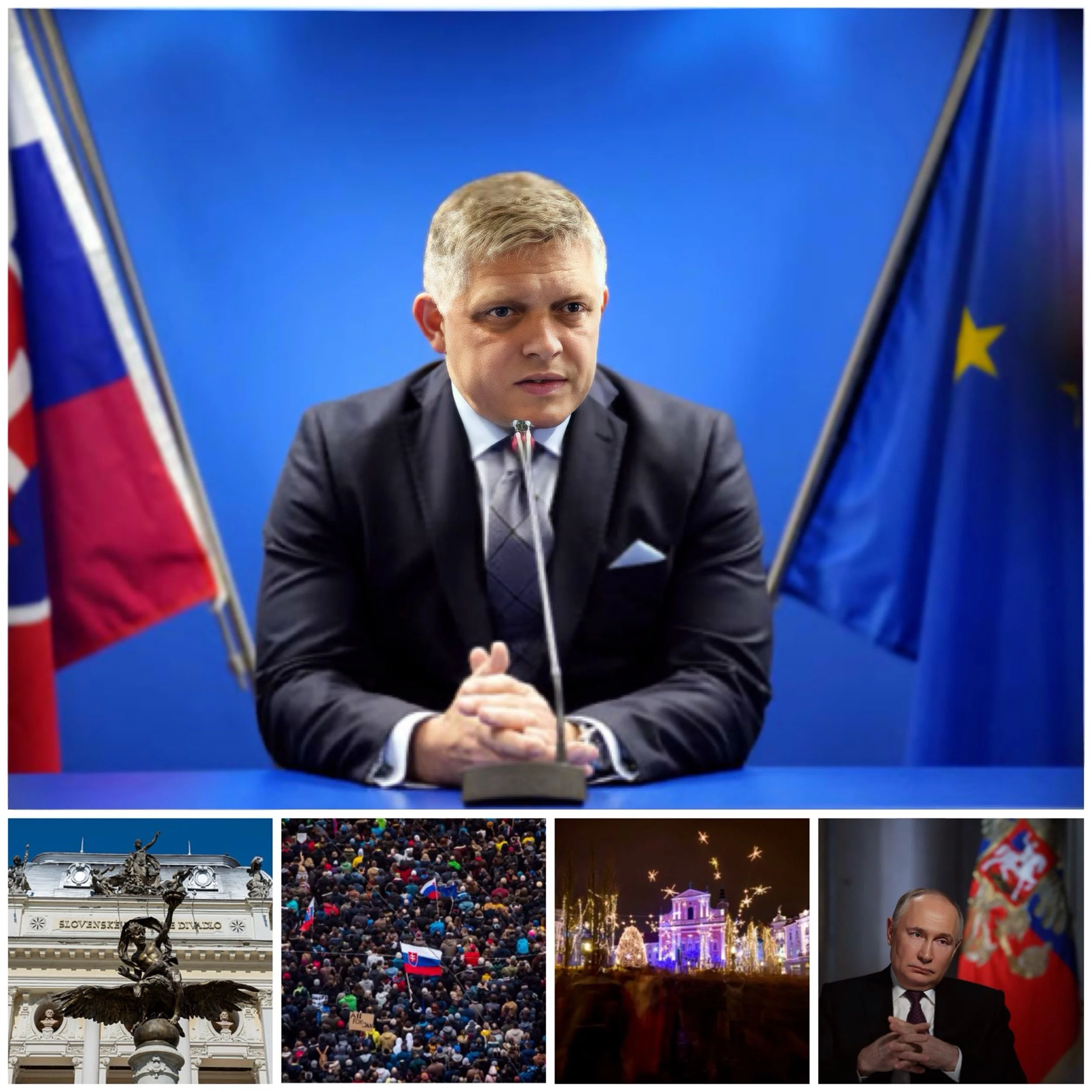
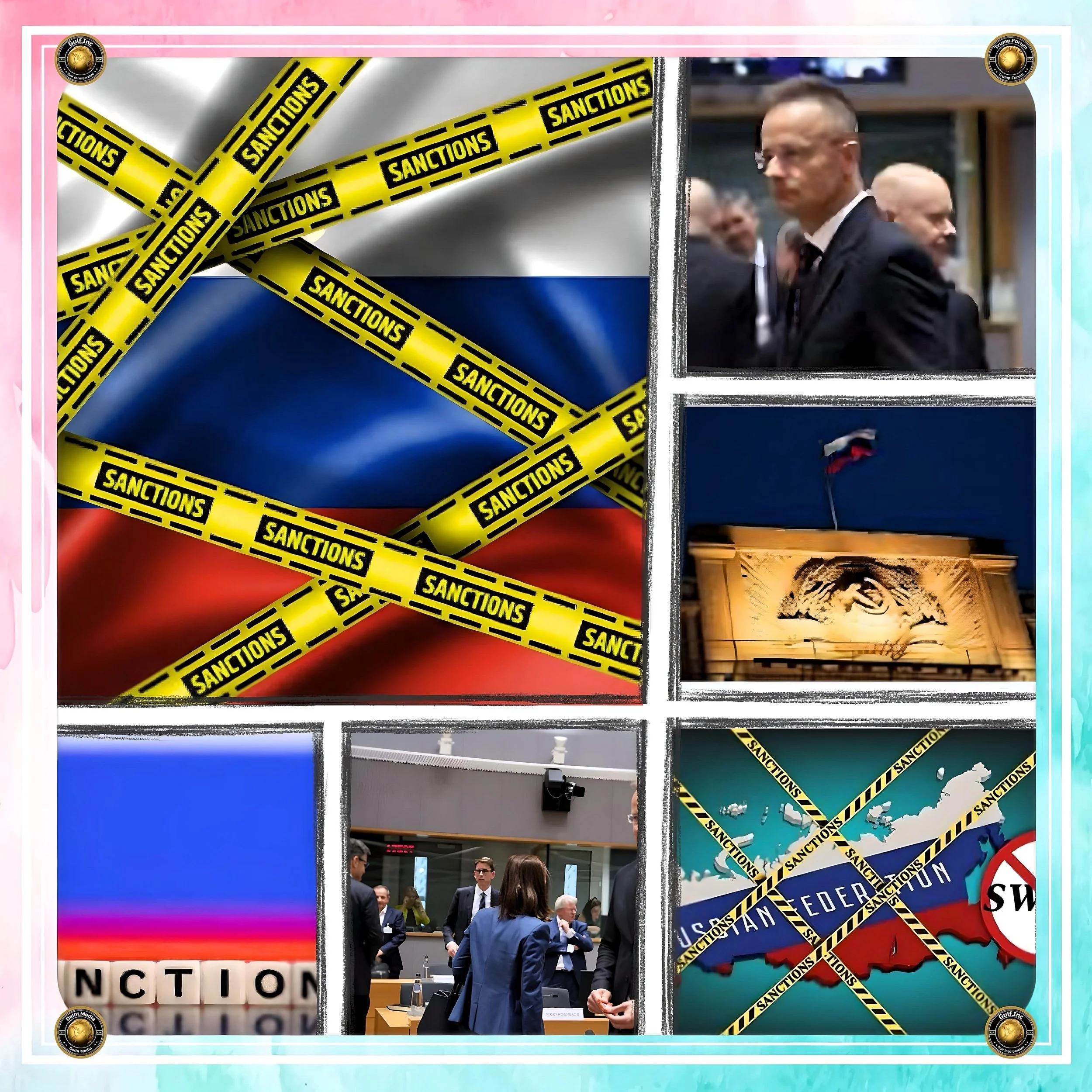
Hungarian Foreign Minister Péter Szijjártó announced on June 23, 2025, that Hungary and Slovakia had decided to block the European Union’s 18th package of sanctions against Russia.
Speaking after an EU Foreign Affairs Council meeting in Brussels, Szijjártó stated: “We, together with Slovakia, prevented the adoption of the sanctions package today”.
The Hungarian minister justified the decision by citing concerns over EU plans to ban Russian energy imports, explaining: “We did this because the European Union wants to prohibit member states, including Hungary and Slovakia, from buying cheap Russian natural gas and cheap Russian oil, as they did before”.
Slovakia’s Contradictory Position
However, Slovakia’s position appears more nuanced than initially suggested.
The Slovak representation to the EU denied blocking the sanctions, stating that “the issue of the 18th package was not even included on the meeting agenda”.
Slovak Foreign Minister Juraj Blanár later expressed readiness to support the sanctions package, but with conditions.
Blanár emphasized that Slovakia assesses each sanctions package based on potential economic harm, stating: “Negotiations are still ongoing, but based on what’s been discussed so far, the package won’t negatively impact Slovakia’s economy, and we’re ready to support it”.
However, he demanded EU guarantees to address potential arbitration risks of €20 billion.
Contents of the 18th Sanctions Package
The proposed sanctions package includes several key components targeting Russia’s energy and financial sectors:
Energy Restrictions
A reduction in the oil price cap from $60 to $45 per barrel for Russian seaborne crude oil
Bans on transactions involving Nord Stream 1 and Nord Stream 2 pipeline infrastructure
The addition of 77 more vessels to the “shadow fleet” sanctions list
Prohibition on imports of petroleum products made from Russian oil
Financial Measures
Addition of 22 more Russian banks to the SWIFT exclusion list
Extended bans on transactions with financial operators in third countries that finance trade with Russia
Limitations on the Russian Direct Investment Fund and its subsidiaries
Export Controls
Ban on exports worth more than €2.5 billion to Russia
The Energy Security Argument
Hungary and Slovakia cite energy security concerns as their primary motivation for opposition.
Szijjártó argued that the proposals “would destroy Hungary’s energy security” and “would undermine Hungary’s energy security and violate the Council decision granting us exemption from the Russian oil ban”.
Slovakia faces particular challenges after Ukraine halted Russian gas transit through its territory in January 2025.
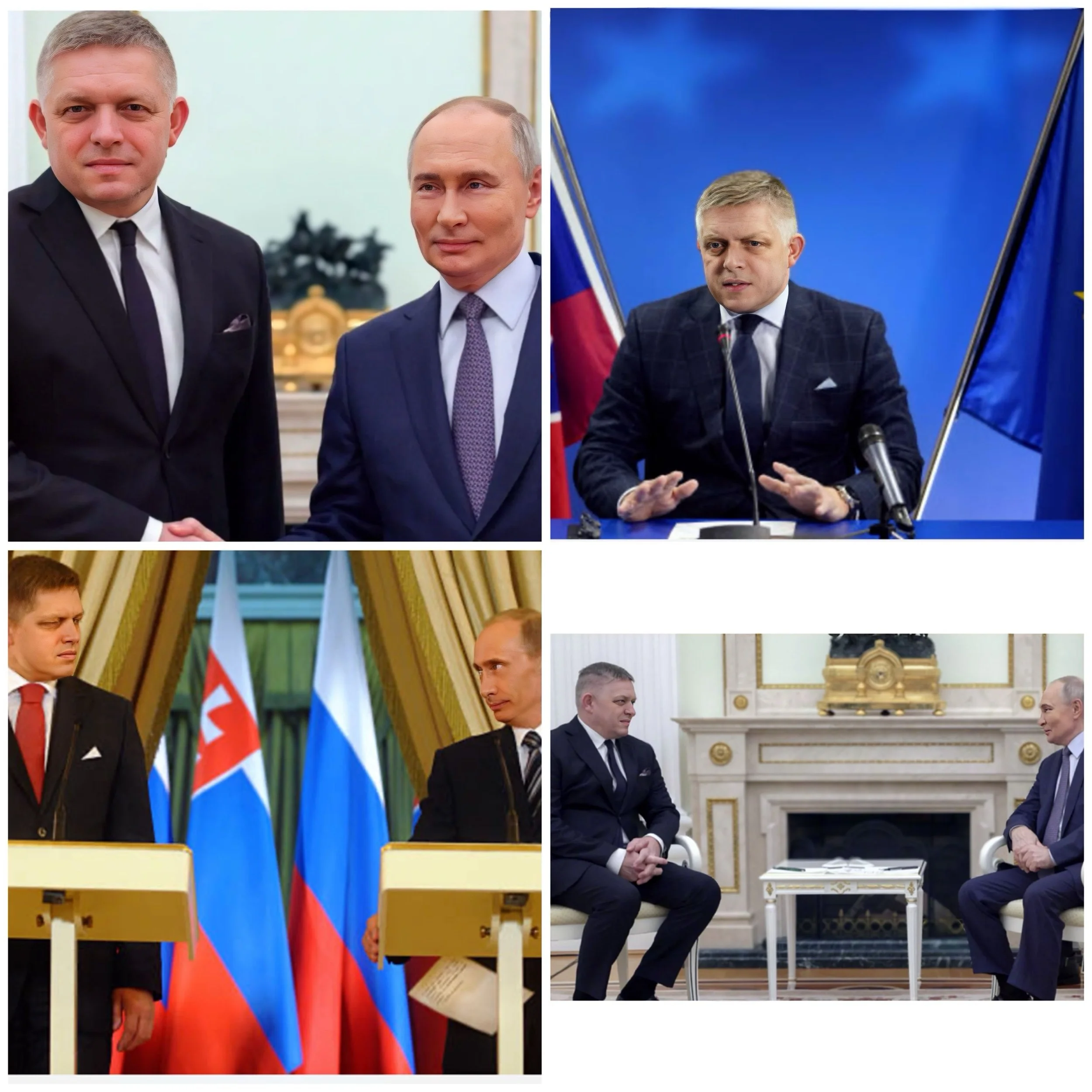
Prime Minister Robert Fico has estimated that Slovakia will lose €400-500 million annually from the transit shutdown and has threatened to block sanctions that harm national interests.
The REPowerEU Connection
The opposition to sanctions is directly linked to the European Commission’s REPowerEU plan, which aims to phase out all Russian fossil fuel imports by the end of 2027.
Under the proposed rules, new contracts for Russian gas would be banned starting January 1, 2026, and existing short-term contracts would end by June 17, 2026.
Limited exceptions would be granted for landlocked countries with long-term agreements until 2027.
EU Response and Next Steps
EU foreign policy Theef Kaja Kallas was aware of the blocking attempt but expressed confidence in finding a solution.
“Hungary blocking a package is nothing new … we are working on this to get the package through,” she stated.
Kallas emphasized that “by the end of this week, we aim to approve the 18th package of sanctions on Russia”.
EU diplomats expect to resolve the impasse during the European Council summit in Brussels on Thursday and Friday.
Sources suggest that Slovakia and Hungary are leveraging the situation to negotiate concessions related to Russian energy supplies.
Historical Context
Despite repeatedly threatening to do so, Slovakia has never actually vetoed or blocked any previous EU sanctions against Russia.
The country supported the 17th sanctions package targeting Moscow’s shadow fleet in May 2025.
However, Slovakia’s parliament recently passed a resolution prohibiting government officials from voting in favor of sanctions against Russia in international organizations.
Meanwhile, Hungary has consistently opposed EU sanctions, with Prime Minister Viktor Orbán recently urging the EU to abandon the proposed ban on Russian energy, citing rising energy prices amid Middle East tensions.
Economic Stakes
The financial implications are substantial. According to recent data, Hungary and Slovakia have purchased 27 million tonnes of Russian crude worth €13 billion and 32 billion cubic meters of natural gas worth €20 billion since Russia’s full-scale invasion began.
Slovakia’s state-owned gas importer SPP indicates that its agreement with Russia, expiring in 2034, is valued at approximately €16 billion.
Current Status
As of June 24, 2025, negotiations continue with EU officials expressing optimism about reaching a compromise.
The sanctions package requires unanimous approval from all 27 EU member states, making the positions of Hungary and Slovakia crucial for its adoption.
The outcome of this week’s European Council summit will likely determine whether the 18th sanctions package can proceed as planned.