The Strategic Conundrum: Navigating American Policy Toward Venezuela and the Peril of Repeating History's Defeats
Introduction: The Paradox of Strategic Ambiguity and Professed Objectives
The Trump administration’s evolving posture concerning the Bolivarian Republic of Venezuela presents an exceptionally instructive paradox, one that merits meticulous scholarly scrutiny.
Whilst senior officials have unambiguously articulated that President Nicolás Maduro’s political tenure approaches imminent expiration, with mounting evidence of military preparations substantiating such pronouncements, the administration has simultaneously occluded its paramount strategic objectives beneath the ostensible mandate of counternarcotics operations.
This rhetorical dissimulation, whether deliberately calculated or organisationally derivative, obscures the multifaceted considerations undergirding contemporary American military deployments in the Caribbean region.
The Contemporary Military Architecture and Operational Expanse
The assemblage of formidable U.S. military assets positioned throughout the Caribbean environs constitutes an extraordinarily sophisticated and expensive apparatus whose composition far transcends conventional maritime drug interdiction requirements.
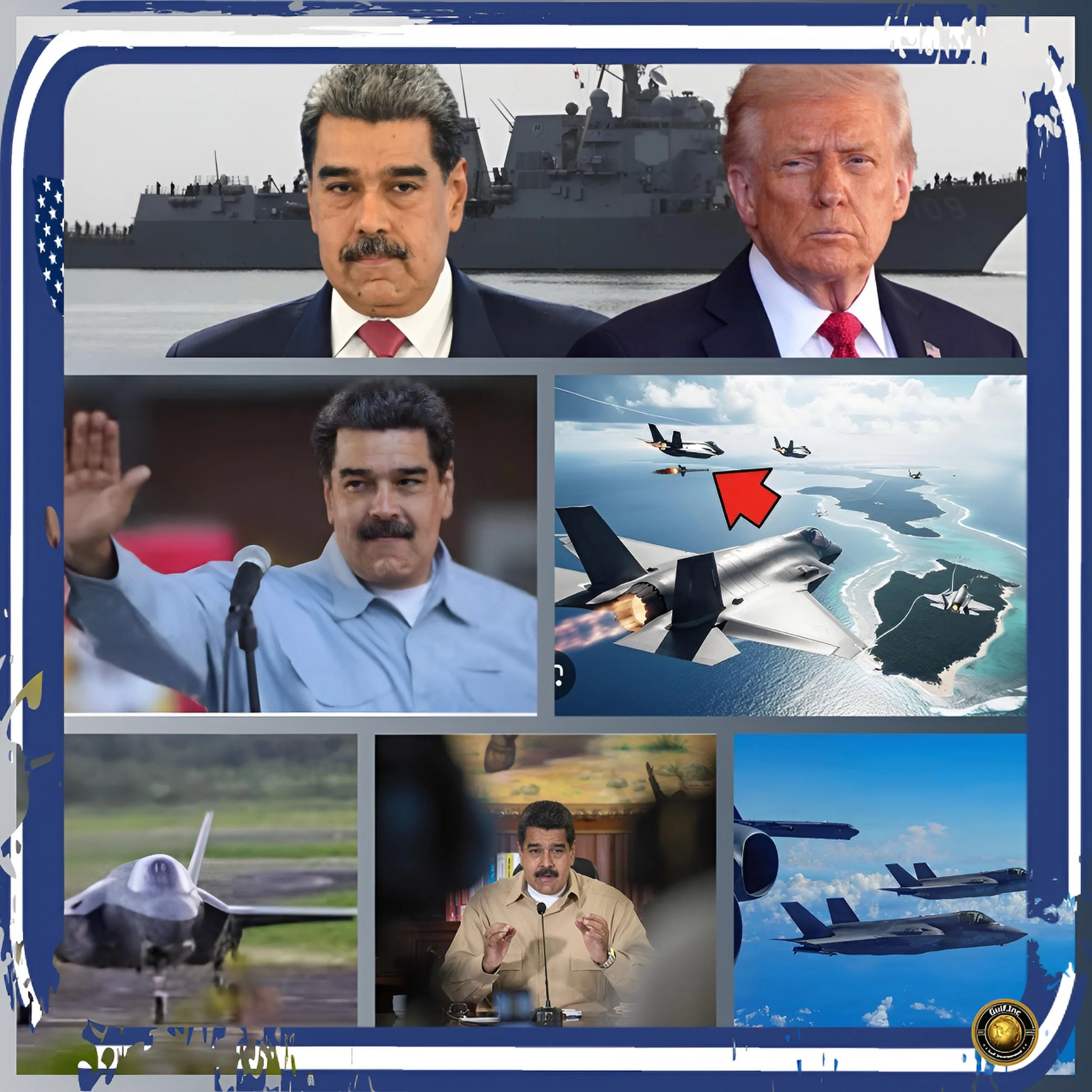
The USS Gerald R. Ford Carrier Strike Group, accompanied by the 22nd Marine Expeditionary Unit, advanced F-35 combat aircraft, sophisticated surveillance platforms, and coordinated operational command through U.S. Southern Command, represents a force architecture purposefully engineered for operations substantially exceeding traditional narcotics suppression.
The quotidian operational expenditure alone—estimated conservatively at eighteen million United States dollars—underscores the magnitude of commitment and implicit strategic intentions.
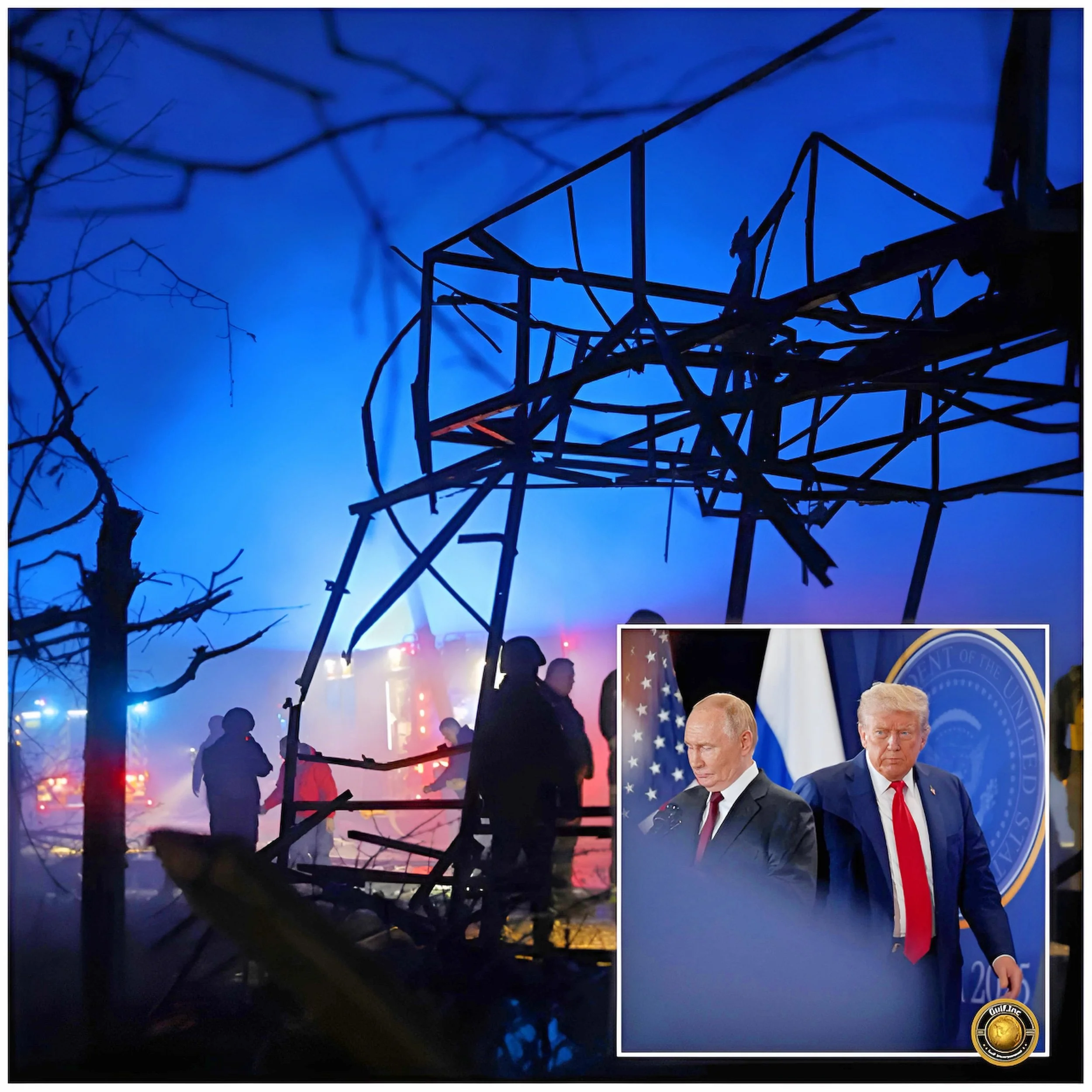
As of November 2025, the United States has conducted no fewer than twenty-one kinetic strikes directed against suspected narcotrafficking vessels, culminating in confirmed casualties exceeding eighty-three individuals, with the operational remit demonstrating successive expansion in both geographic scope and tactical ambition.
The trajectory of escalation suggests not merely episodic maritime interdiction, but rather a methodical intensification of pressure consistent with strategic preparation for more expansive intervention.
Most consequentially, the State Department’s formal designation of the so-called Cartel de los Soles (literally, “Cartel of the Suns”) as a Specially Designated Global Terrorist Organisation furnishes the Trump administration with unprecedented legal scaffolding for prosecuting military operations of expanded scope.
Legal specialists and constitutional scholars have observed that whilst this designation provides enhanced latitude for economic sanctions and intelligence operations, the precise demarcation of permissible kinetic operations remains ambiguous and contested within the international law and constitutional communities.
The Doctrinal Ambiguities and Juridical Complexities
Contemporary legal analysis reveals formidable ambiguities concerning the constitutional and statutory authorisation underpinning these military operations.
The Department of Justice’s assertion that the War Powers Resolution’s sixty-day temporal constraint does not properly apply to operations employing unmanned aerial vehicles contradicts substantial scholarly consensus and established precedent within constitutional jurisprudence.
Critically, the question of whether the President’s constitutionally derived war-making authority—or existing Congressional authorisations for deployment of military force—extends to military operations against designated cartels (notwithstanding their terrorist designation) remains profoundly contested amongst international law scholars, constitutional lawyers, and defence policy analysts.
Contemporaneously, the traditional law enforcement apparatus—specifically the United States Coast Guard—has achieved unprecedented success in narcotics interdiction operations, yielding record seizures and demonstrating that counternarcotics objectives, considered in isolation, do not necessarily mandate deployment of regular armed forces. This empirical reality complicates the administration’s instrumental justifications for military escalation.
Secretary of State Marco Rubio’s starkly revealing rhetorical assertion—namely, that the administration chose to “blow up” suspect vessels rather than effect interception and application of conventional law enforcement procedures—epitomises a fundamental departure from established American practice and foregrounds consequential apprehensions regarding potential transgression of the Posse Comitatus Act.
This nineteenth-century statutory prohibition against federal military deployment in civil law enforcement capacities remains foundational to the American constitutional framework’s preservation of civilian supremacy and prevention of militarised police functions.
Venezuela’s Structural Collapse and Legitimacy Crisis
The endogenous conditions within Venezuela itself have precipitated what scholars aptly characterise as an unprecedented and multidimensional legitimacy crisis confronting the Maduro administration.
The presidential election conducted on 28 July 2024—internationally repudiated as constituting systematic electoral fraud—irrevocably obliterated any remaining pretence of democratic legitimacy.
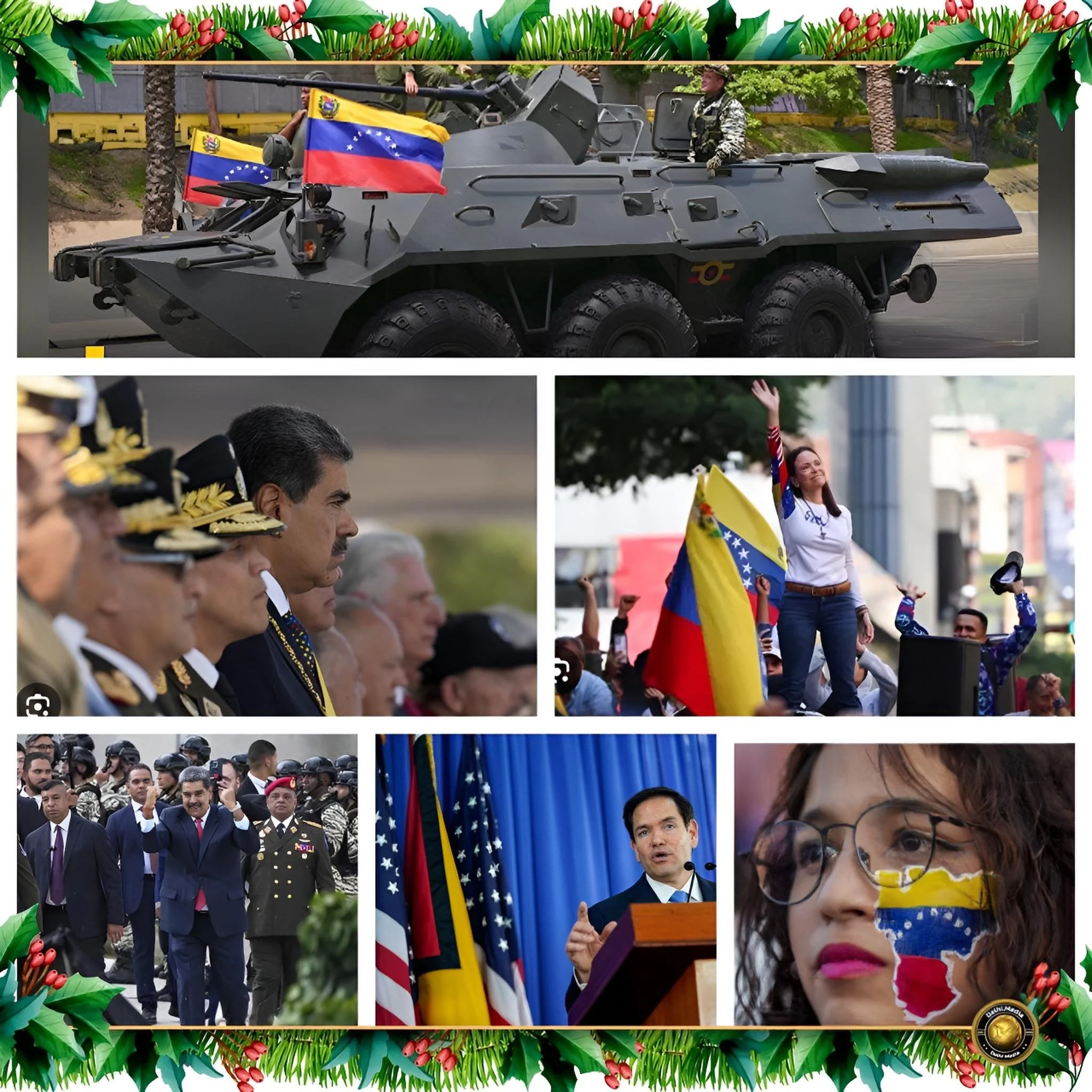
Opposition figures, most prominently María Corina Machado (the 2025 Nobel Peace Prize laureate, currently residing in clandestinity to evade regime capture or assassination) and Edmundo González (internationally recognised as the legitimate victor, having garnered 67 percent of the documented electorate, now operating from exile), have meticulously documented overwhelming evidence of deliberate electoral manipulation, systematic falsification of ballots, and comprehensive subversion of democratic procedures.
The economic devastation confronting Venezuelan society has attained catastrophic proportions, transcending conventional economic distress and assuming characteristics approaching systemic collapse.
The International Monetary Fund projects inflation trajectories for calendar year 2025 ranging between 270 and 548 percent; certain independent economists, employing alternative methodological frameworks, postulate potential hyperinflationary peaks potentially exceeding 800 percent.
The monthly minimum wage has depreciated to approximately one United States dollar, rendering it economically meaningless as compensation for labour.
Concurrently, basic subsistence baskets (comprising essential foodstuffs, medicines, and vital necessities) command prices exceeding five hundred United States dollars, thereby situating approximately seven point nine million Venezuelans—representing nearly twenty-nine percent of the national population—within circumstances of acute humanitarian distress requiring emergency international assistance.
Oil production, traditionally constituting the Venezuelan state’s principal revenue source, has undergone precipitous decline owing to decades of inadequate capital investment, systematic neglect of productive infrastructure, and wholesale economic mismanagement.
This combined trajectory of economic meltdown, political illegitimacy, and humanitarian catastrophe has fundamentally fractured the Chavista political base, which historically constituted the regime’s decisive electoral foundation and primary source of organised political support.
The humanitarian exodus has become amongst the world’s most substantial displacement crises in contemporary history, with nearly seven point nine million Venezuelans having fled national borders.
This mass population displacement reflects not merely economic desperation but, more fundamentally, comprehensive erosion of state administrative capacity and popular repudiation of the regime’s capacity to fulfil elementary governance functions.
The United Nations Fact-Finding Mission has documented systematically orchestrated repression targeting opposition figures, political actors, and civil society participants, with documentation revealing over nine hundred political prisoners currently incarcerated, coupled with systematic patterns of torture, extrajudicial detention, enforced disappearance, and crimes against humanity according to international legal standards.
Maduro’s Coup-Proofing Architecture: An Institutionalised Defence Against Regime Displacement
Despite these profound internal contradictions and systemic vulnerabilities, the Maduro administration has invested a decade in constructing extraordinarily sophisticated institutional mechanisms specifically calibrated to survive both potential internal coup d’état scenarios and prospective external military intervention.
Scholars of authoritarianism and comparative regime studies designate this phenomenon as “coup-proofing”—the deliberate architectural fragmentation of power structures such that no singular point of institutional vulnerability can precipitate regime collapse.
The regime’s security infrastructure embodies a deliberately calculated strategy of stratified, overlapping institutions that collectively ensure systemic resilience despite decapitation of individual leadership structures.
This architecture operates across multiple interconnected and reinforcing dimensions.
Military Fragmentation and Competing Institutional Hierarchies
Maduro has implemented systematic fragmentation of military command structures, deliberately engineering competing authorities and information compartmentalisation that impedes the coordination requisite for unified action against the regime.
High-ranking officers have been subjected to frequent rotational assignments to prevent crystallisation of personal networks that might facilitate conspiratorial coordination.
Military appointments explicitly prioritise demonstrated personal loyalty to the regime over professional military competence, thereby establishing perfect alignment between individual officers’ personal survival and regime durability—a dynamic ensuring that regime collapse would necessitate these officers’ professional annihilation.
The Institutionalised Corruption Model: “Cartel de los Soles”
Rather than constraining or suppressing corruption within state structures, the Maduro regime has instrumentalised corruption as a primary mechanism for regime preservation and elite cohesion.
Senior military, security, and state officials have been systematically afforded privileged access to illicit revenue streams, principally deriving from narcotics trafficking, clandestine mineral extraction (particularly gold), and transnational smuggling operations.
This architecture constructs what contemporary scholars characterise as a “non-hierarchical, deeply embedded” network wherein corruption functions as the fundamental adhesive binding regime factions together.
Individual officers become economically and personally invested in regime durability precisely because the regime’s collapse would eliminate their access to alternative revenue sources and expose them to potential prosecution for participation in transnational organised crime and crimes against humanity.
Paramilitary Stratification and Competing Instruments of Coercion
The regime maintains multiple stratified layers of paramilitary and militia structures—including the colectivos (armed civic associations), the Bolivarian National Guard (Guardia Nacional Bolivariana), and specialised security units—that operate with deliberate overlaps and institutionalised internal competition.
This fragmentation ensures that no singular security force monopolises state coercion capacities, thereby substantially diminishing the probability that any unified institutional structure could decisively overthrow the regime.
The Maduro government has progressively devolved repressive functions to these paramilitary entities rather than relying exclusively upon the professional military hierarchy, thereby further insulating military institutional structures from direct accountability for repression and potentially cultivating political distance conducive to future military defection dynamics.
Foreign Military Integration: External Non-State Armed Groups
The ELN (Ejército de Liberación Nacional, or National Liberation Army)—a Colombian-origin left-revolutionary guerrilla organisation—maintains approximately 1,700-2,400 combatants operationally deployed within Venezuelan territory, a force magnitude approaching significant contingents of Venezuela’s own military apparatus.
These foreign combatants operate under explicit regime coordination and have been systematically integrated into both security operations and narcotics trafficking logistics.
The ELN’s senior leadership has publicly committed to military defence of the Maduro government against prospective foreign intervention, thereby furnishing the regime with a parallel security apparatus possessing sophisticated expertise in asymmetric warfare and unconventional operational methodologies.
This arrangement establishes a force component that operates partially external to the Venezuelan military command structure, thereby compounding any potential unified coup scenario’s operational complexity.
The Opposition Leadership and Contemporary Strategic Positioning
María Corina Machado represents a fundamentally distinct political force compared to her predecessors within the Venezuelan opposition movement.
Contrasting with Juan Guaidó—whose 2019 insurrectional attempt foundered owing to insufficient military defections and organisational miscommunication—Machado synthesises uncompromising opposition to authoritarianism with judicious strategic pragmatism and unprecedented international credibility, underscored by her 2025 Nobel Peace Prize designation.
Her October 2025 “Manifiesto por la Libertad” (Freedom Manifesto) articulates a comprehensive democratic transition architecture emphasising
(1) constitutional restoration
(2) family reunification (a symbolically powerful objective given Venezuela’s vast diaspora communities)
(3) economic liberalisation and market-oriented reform
(4) measured accountability for regime-perpetrated crimes whilst deliberately foreclosing mass prosecutions that might generate problematic martyr narratives.
The opposition leadership has cogently articulated that democratic transition could precipitate the release of nearly two trillion United States dollars in latent economic value through
(1) restoration of oil export capacity
(2) elimination of authoritarian currency controls
(3) repatriation of internationally seized and sequestered assets, thereby furnishing economic incentives capable of attracting international support and encouraging potential regime elite defections.
Edmundo González, recognised by the United States and multiple international institutional actors as the legitimately elected victor of the 2024 presidential contest with sixty-seven percent of verifiable electoral support, presently operates from exile whilst articulating sophisticated governance transition frameworks and security sector restructuring proposals.
The opposition’s senior leadership has demonstrably undertaken explicit preparatory efforts addressing prospective transition scenarios, signifying institutional readiness conspicuously absent during the earlier Guaidó period.
Nevertheless, the opposition confronts a structural strategic dilemma: translating undeniable political legitimacy into effective governmental authority necessitates either achieving substantial military defections or securing decisive external military intervention.
As scholarly analysis emphasises, Maduro has methodically devoted a decade to architectural construction ensuring that the military and political costs of defection exceed officers’ anticipated benefits.
The Panama Historical Precedent: Why Structural Analogies Prove Misleading
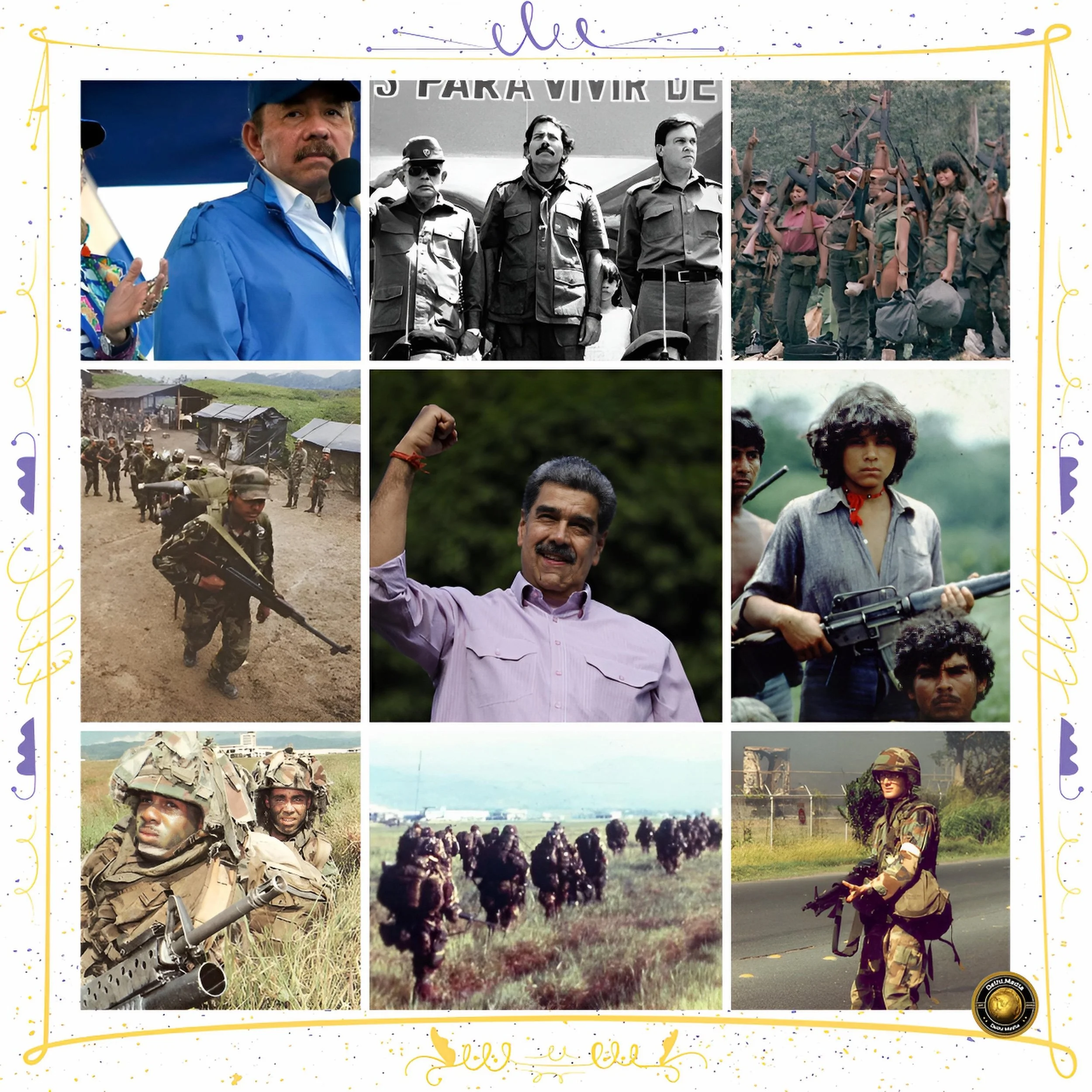
The Trump administration and select policy analysts have invoked the 1989 Operation Just Cause (the invasion and occupation of Panama) as a potentially apposite template for Venezuelan regime change operations.
This comparative framework fundamentally misapprehends the structural distinctions between the two cases and substantially underestimates the operational magnitude required for Venezuelan intervention.
The Panama operation succeeded owing to contextual conditions substantially absent in the Venezuelan context.
Geographic and Logistical Considerations.
The United States maintained a continuous fourteen-thousand-troop garrison within the Panama Canal Zone antecedent to the invasion, with total invasion forces achieving approximately twenty-six thousand personnel.
However, Panama encompasses merely twenty-nine thousand square miles with substantially urbanised population concentrations accessible through geographically limited corridors.
Contrarily, Venezuela spans three hundred fifty-three thousand square miles encompassing extraordinarily diverse terrain—encompassing the Amazon rainforest, mountainous cordilleras, and extensive coastal regions.
Military specialised assessments estimate that successful Venezuelan regime change would necessitate no fewer than one hundred thousand American personnel, representing a commitment magnitude categorically distinguishable from the Panama precedent.
Intelligence and Operational Infrastructure.
The United States possessed half-century-accumulated intensive intelligence collection and continuous military presence within Panama dating from the canal’s establishment in 1914.
American military personnel were, as contemporary observers characterised it, “living, working, and laying down roots” throughout Panama, thereby developing operational awareness impossible to replicate in Venezuela, where American intelligence networks lack comparable depth, comprehensiveness, and institutional entrenchment.
Regime Institutional Fragility and Military Cohesion.
Noriega manifested genuine unpopularity across Panamanian society and military structures, with minimal institutional mechanisms binding officers to regime durability.
Contrarily, Maduro, whilst lacking substantial popular support, maintains military hierarchies bound through corruption networks, ideological identification with Chavista revolutionary frameworks, and institutionalised loyalty mechanisms.
The prospective foreign intervention threat may paradoxically consolidate support for the regime among security force personnel who rationally apprehend that external defeat would result in personal prosecution or elimination of illicit revenue sources.
The Drug-Trafficking Justification: An Examination of Structural Incongruities
The Trump administration’s proclaimed rationale—preventing narcotics trafficking into American territory—encounters a structural problem that regime change would not resolve and might potentially exacerbate.
Venezuela functions as a transit node for cocaine produced within Colombian territory, with the overwhelming preponderance destined for European markets rather than American consumption.
More fundamentally, the profound integration of illicit trafficking networks into Venezuela’s military and security institutional apparatus signifies that Maduro’s removal would not automatically dismantle these structures.
Scholarly analysis by regional security specialists argues that the “non-hierarchical architecture” of corruption networks means that narcotics trafficking operations would probably persist or potentially intensify following regime change.
Military officials would forfeit their coordinating authority over illicit networks, potentially fragmenting the comparatively “stable” corruption system into contending criminal syndicates contesting control over trafficking corridors and security apparatus access.
Maduro’s removal could precipitate violent internecine competition amongst military factions and organised crime entities for lucrative routes and revenue flows.
Additionally, Colombian guerrilla organisations operationally deployed within Venezuelan territory would encounter uncertain incentive structures in post-Maduro scenarios.
The ELN and FARC dissident contingents presently enjoy privileged positioning and explicit regime protection.
A successor government, particularly one bearing American sponsorship, would presumably prioritise these organisations’ elimination, potentially catalysing insurgent orientation rather than acquiescence to external authority.
Prospective Transition Scenarios: Probable Trajectories and Inherent Risks
Scholarly and policy analysis discerns two primary near-term scenarios worthy of detailed consideration:
Scenario 1
Regime Entrenchment and Intensified Authoritarianism
Under this trajectory, Maduro consolidates governmental control through heightened authoritarianism, instrumentalising ostensibly temporary “external shock” emergency decrees already statutorily authorised for crisis deployment.
The regime would systematise anti-imperialist rhetoric as justification for emergency administrative measures, weaponise currency scarcity as a mechanism of social discipline, and leverage mass emigration as a release valve for popular discontent.
This pathway culminates in “deferred implosion”—an progressively extractive, repressive state apparatus sustained through corruption networks and external material support from Cuba, Russia, China, and Iran.
Whilst this trajectory avoids regime collapse, it perpetuates humanitarian devastation and precludes democratic transition.
Scenario 2
Negotiated Transition via Elite Fragmentation
External pressure generates fissures within regime leadership circles as factional leaders rationally apprehend that escalating international pressure might eventually overwhelm regime institutional defences.
Key military and security officials, confronted with uncertainty regarding regime durability and prospective accountability for crimes against humanity, increasingly calculate that negotiated political exit provides superior prospects for personal security and wealth preservation compared to continued regime commitment amid deteriorating circumstances.
Under this scenario, Maduro pursues negotiated exit arrangements incorporating multilateral verification and transitional justice mechanisms deliberately avoiding mass prosecutions that would generate problematic martyr narratives or create insurmountable obstacles to elite acquiescence.
Crisis Group analysis designates this trajectory as the “most analytically probable near-term transition pathway” compared to direct foreign military regime overthrow.
Implementation necessitates sustained external pressure calibrated with precision to avoid nationalist consolidation around the regime itself as a matter of national sovereignty.
Required Military Architecture and Operational Requisites
Should the Trump administration pursue direct military intervention for regime change purposes—as distinguished from continued maritime strikes—several operational requirements emerge from historical precedent analysis and contemporary military assessment
Essential Force Composition and Deployment
Minimum operational requirements demand one hundred thousand United States ground forces deployed in successive waves across multiple weeks, coordinated with air superiority achievement and naval support dominance.
This deployment magnitude would constitute the most substantial American military operation since the Iraq War (2003-2011).
The force would require neutralisation of
(1) Venezuela’s 350,000-strong conventional military apparatus, accounting for reduced morale and logistical degradation.
(2) Approximately 40,000-50,000 paramilitary colectivo combatants.
(3) 1,700-2,400 ELN guerrillas possessing asymmetric warfare capabilities, explosives expertise, and armed drone technology.
(3) An estimated six million civilian-held firearms creating potential armed resistance capacity.
Venezuelan military installations include capable air defence networks featuring Russian S-300VM and Buk-M2 surface-to-air systems, Su-30MK2 fighter aircraft, American-manufactured F-16 fighters equipped with Israeli air-to-air missiles—creating formidable anti-access/area-denial challenges requiring substantial air campaign resources.
Post-Conflict Administration Requirements
Following invasion, the United States would require.
(1) Expedited establishment of civilian administrative authority within days rather than extended months to foreclose security vacuum exploitation by competing factions
(2) Immediate humanitarian relief deployment (monetary transfers, subsistence provisions, petroleum products) to demonstrate effective governance capacity
(3) Systematic neutralisation of competing military factions seeking post-Maduro power consolidation
(4) Institutional legitimacy retention sufficient to secure international cooperation for post-conflict stabilisation financing and multilateral United Nations-sanctioned stabilisation force participation (contingent upon Security Council approval, improbable given Russian and Chinese veto authority)
Temporal Commitment and Financial Requirements
Historical precedent establishes that three to five years of continuous American military presence and substantial financial commitment constitute minimal requirements for achieving stabilised post-intervention conditions.
Iraq (2003-2011) and Afghanistan (2001-2021) military interventions consumed over two trillion United States dollars each, yet produced ambiguous outcomes at best.
Pentagon War-Gaming Analysis and Strategic Assessment
Most consequentially, Pentagon officials undertook formal military war-gaming exercises during Trump’s initial presidential term, specifically modelling Venezuelan regime-change scenarios.
The findings proved unambiguous and troubling: prospective pathways toward Maduro’s displacement—whether through internal military coup d’état, popular uprising, or American military intervention—would precipitate “prolonged chaos” characterised by “no clear resolution”.
The simulation’s analytical conclusions emphasised that Venezuela would fragment into contending military factions, organised crime syndicates, and potential civil conflict, with external actors (Cuba, Russia, China, Iran, Colombian guerrilla organisations, drug cartels) actively intervening to shape post-Maduro political outcomes.
Crisis Group analytical frameworks replicated these Pentagon findings, cautioning of “potentially extended, low-intensity conflict” in any transition scenario lacking substantial international coordination, prepared civilian governing apparatus, and comprehensive transitional justice mechanisms.
Conclusion
Strategic Options, Costs, and Alternatives
The empirical evidence indicates that whilst regime change in Venezuela constitutes an operationally feasible objective possessing sufficient American military resources, such intervention would not achieve proclaimed policy objectives and would probably generate outcomes materially inferior to the existing strategic status quo for both Venezuelan and American interests.
Maduro’s coup-proofing institutional architecture exhibits substantially greater sophistication compared to historical precedents (Nicaragua’s Sandinista structures, Panama’s defence forces).
The profound embedding of corruption networks throughout military hierarchies signifies that regime decapitation would not dismantle the systems generating narcotics trafficking, clandestine mining, and institutionalised organised crime.
The opposition possesses unprecedented political legitimacy and transition planning sophistication compared to preceding attempted transitions, thereby establishing genuine opportunity for negotiated political exit contingent upon sustained external pressure without escalation into direct military invasion.
The decisive strategic variable concerns whether the Trump administration can maintain pressure sufficiently potent to fracture regime elite consensus whilst avoiding escalation magnitude that would consolidate nationalist defence of the regime as fundamentally a matter of national sovereignty and self-determination.
The most analytically defensible conclusion maintains that Venezuelan regime change constitutes a genuine strategic option accompanied by substantial costs, uncertain outcomes, and considerable risk of protracted conflict.
However, regime change does not represent the solitary viable pathway toward Venezuelan democratic transition, and historical precedent suggests it may not constitute the most efficacious or economically efficient pathway.