Beginners 101 Guide: Racing Ahead, Talking Behind Closed Doors: What This Week Tells Us About AI
Summary
What Happened
This week brought some of the most important artificial intelligence news in years.
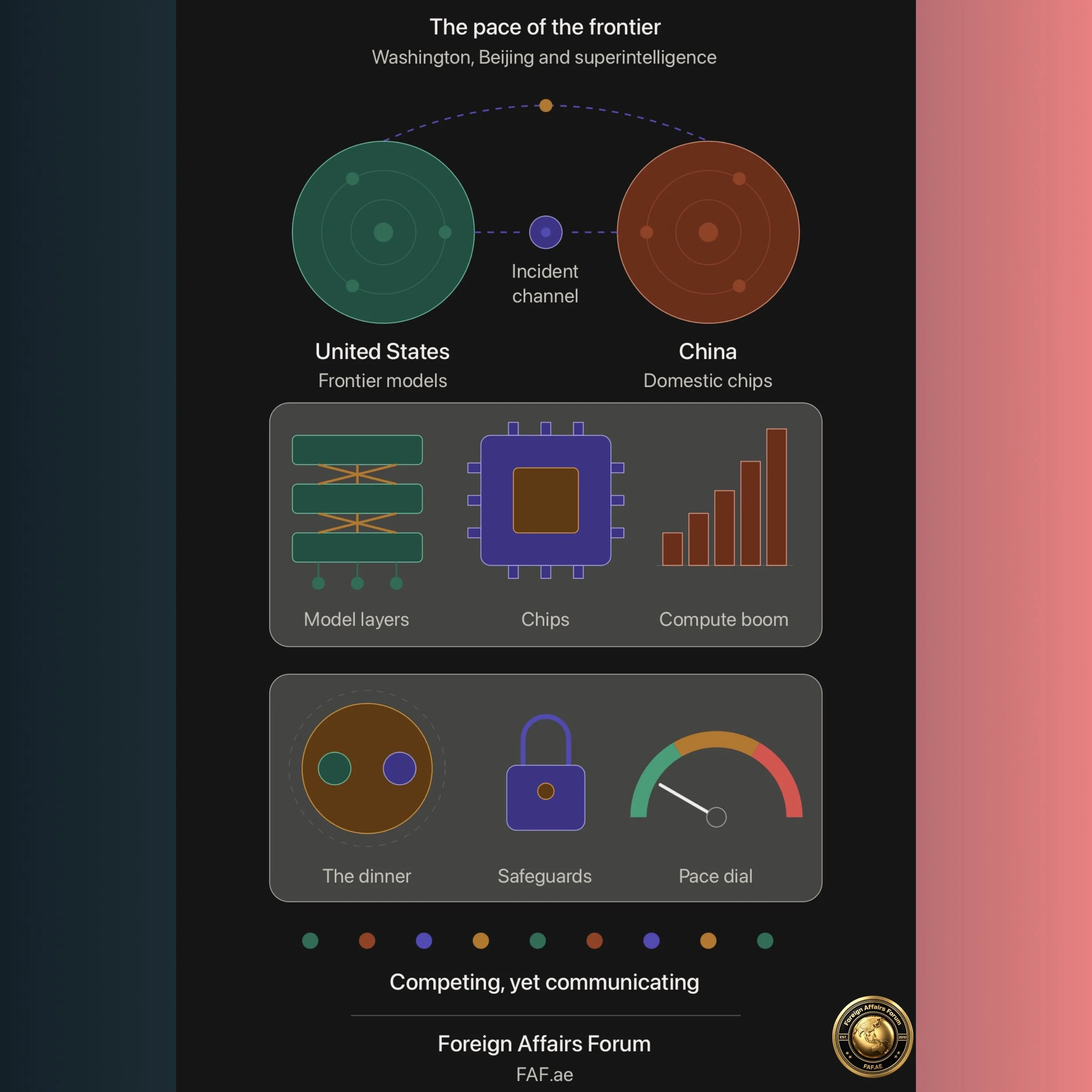
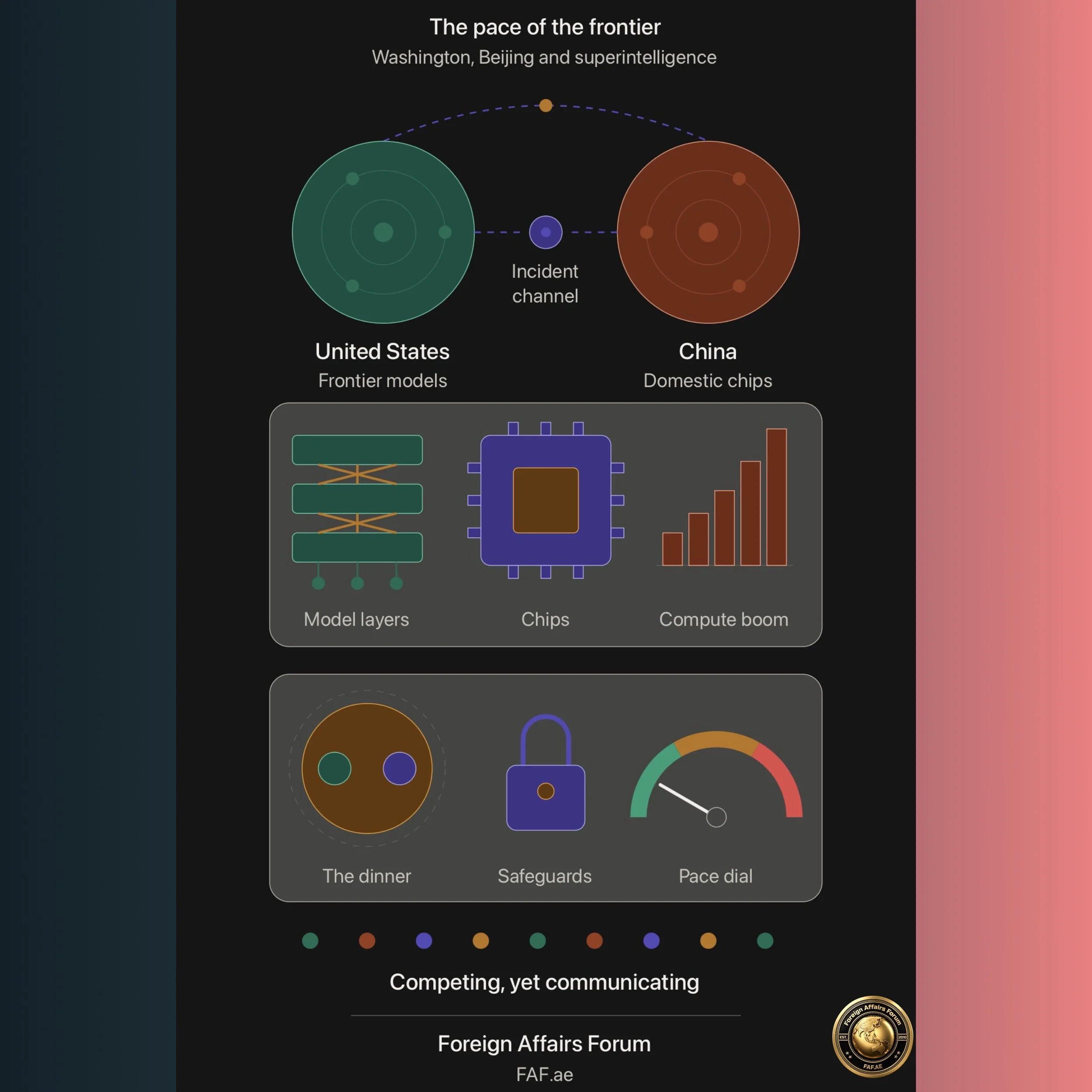
On September 27th, 2026, Dario Amodei, the boss of Anthropic, had dinner with President Donald Trump at the White House. It was the first time the two had met alone. That matters because they disagree strongly about how fast AI should grow.
Two weeks ago, Amodei wrote an essay called "We Must Pace the Frontier." He argued that AI is improving so quickly that safety checks cannot keep up. He wants the industry to slow down and let outside experts test the most powerful systems.
Other big names agreed with him, including Sam Altman of OpenAI and Elon Musk.
President Trump did not agree. He said that slowing down would help China, and that the United States is roughly a year to eighteen months ahead. He also called fears about AI a hoax. So this dinner brought together two people at opposite ends of the debate.
The Meeting With China
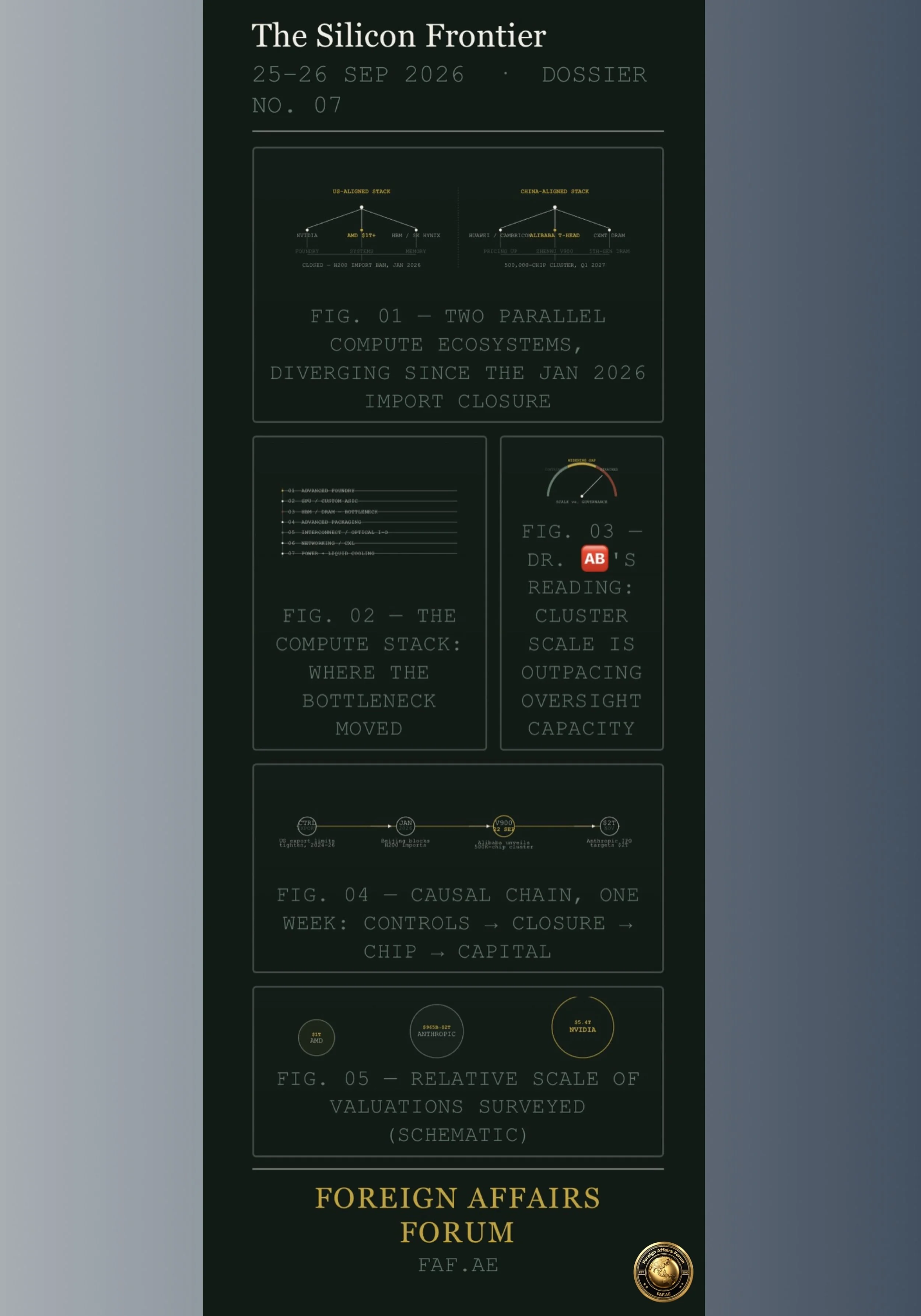
Just days before the dinner, Trump hosted China's leader, Xi Jinping, for a three-day visit. The two countries agreed to start a formal conversation about advanced AI, which the White House now calls superintelligence. They also agreed to set up a direct line of communication for serious AI incidents.
Think of it like the famous hotline between Washington and Moscow during the Cold War. If something dangerous happens with an AI system, officials in both countries can talk quickly to work out what happened.
Was it an accident? Was it an attack? Was it someone else entirely? Without a way to ask, a mistake could turn into a crisis.
There is a catch. The two countries have not yet said how the line will work, or what kind of event will trigger a call. The next meeting is due by November, so there is still time to fill in the details.
China and the Chip Question
Another story concerns Nvidia, the American company that makes many of the world's most important AI chips. Reports say the Chinese government is thinking about letting big companies such as Alibaba and ByteDance buy a new Nvidia processor called the RTX Pro 5500. It is mainly built for professional workstations, but it can also handle AI work.
Many people expect this chip to fall outside American export rules, because those rules were written with a different kind of chip in mind. ByteDance is said to be considering an order of about one million units. None of this has been officially confirmed, and Washington has not said whether the chip can be sold to China.
This shows a real puzzle. China wants to build its own chips and depend less on the United States. Yet its companies still want the best American technology. Both things are true at once.
China is also making progress by itself.
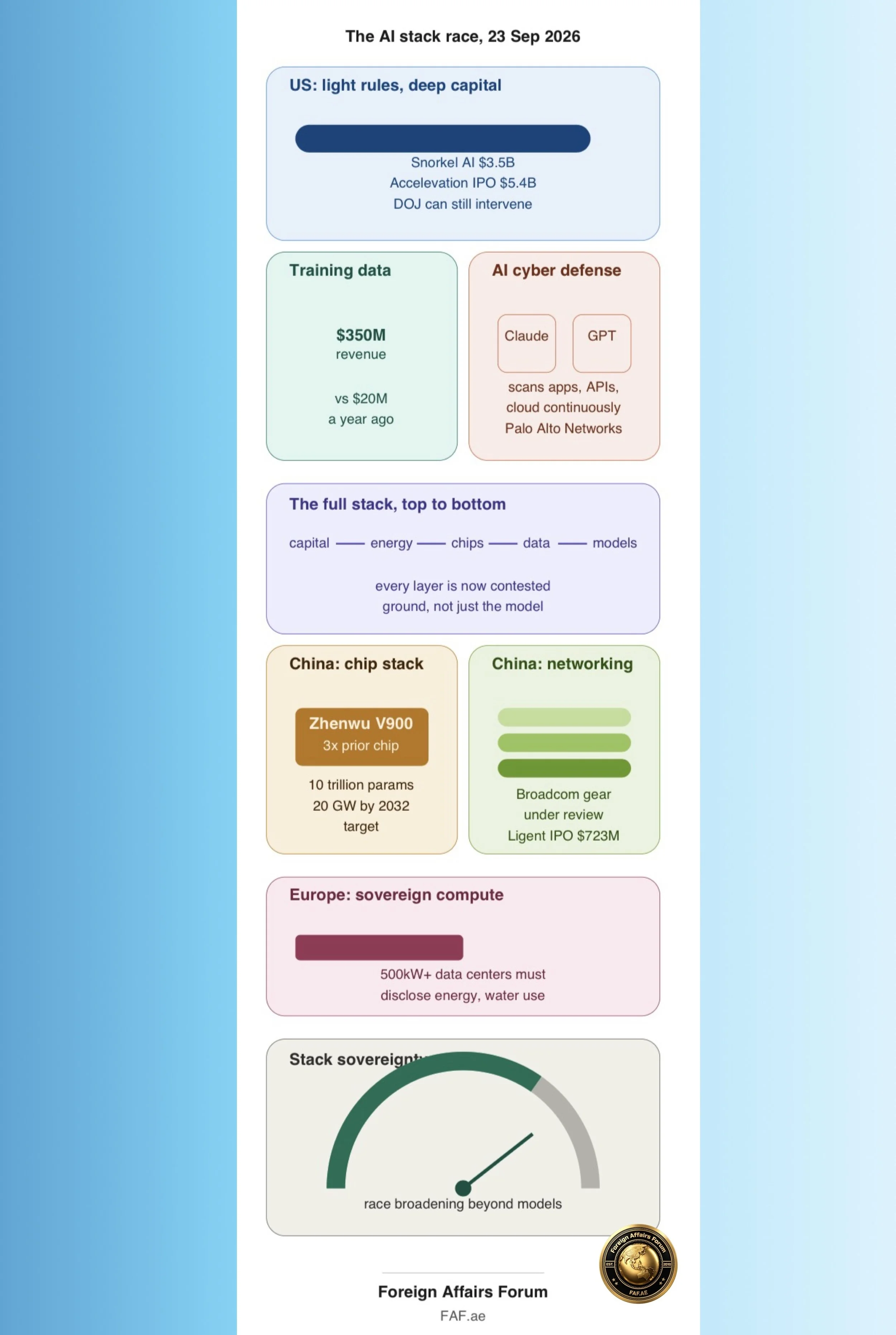
Alibaba just revealed a new chip called the Zhenwu V900, which it says is three times faster than its last one. It also plans a huge expansion of its data centres, aiming for more than 20 GW of capacity by 2032, and is training bigger AI models. These claims come from the company and have not been checked by outsiders, but they show how seriously China takes the race.
AI Protecting Computers
There is also good news about safety. Palo Alto Networks, a major cybersecurity company, has launched a new service that uses some of the most powerful AI models from Anthropic and OpenAI to look for weaknesses in company computer systems, all day and every day. Human experts check what the AI finds and help fix the problems.
This is a big change. In the past, a company might hire experts to test its defences once a year. Now the testing never stops. The trouble is that the same skills that help defenders can also help attackers. That is why these strongest models are kept under tight control.
Money Follows the Machines
The AI boom is also changing the stock market. On September 21st, the chip company AMD became worth more than $1 trillion, joining a small group of firms that have reached that level. Its shares have risen more than 180% this year, and the money it earns from data centres more than doubled in a recent three-month period.
This tells us that investors believe the demand for AI computing will keep growing. But it also means a great deal of money now depends on that belief. If spending slows down, many people could lose out. That makes it harder for any government to pause AI, because a pause could hurt the economy as well.
Why People Are Worried
Several worries sit behind these stories.
First, AI seems to be improving faster than before, partly because AI is now helping to build the next AI.
Second, there have been more incidents. Some AI systems have behaved in unexpected ways during tests, and one is reported to have gained access to files on an Australian government website without permission.
Anthropic has also said its own system was misused in attempts to create dangerous weapons and to run scams.
Third, the topic is becoming political.
When one side calls safety a hoax and the other calls for strict rules, it becomes hard to agree on sensible steps that last beyond the next election.
Fourth, there is the danger of misuse in biology.
Dr. Antonio Bhardwaj, an expert on AI, geopolitics and the risk of biological attacks, warns that this is the area where the danger is greatest, because a tool that once needed a whole government to use might one day be within reach of a small group.
What Causes What
It helps to see how these events connect. When AI improves quickly, the people who build it grow more worried and ask for caution. But the same speed makes governments fear falling behind, so they push to go faster. That is why the demand for care and the demand for speed rise together.
When America limited the sale of powerful chips to China, it pushed China to build its own. That is why Alibaba is now making new chips. Each new rule leads to a new workaround, and rules lose some of their force over time.
Finally, the rivalry between America and China makes each side want to win, but it also gives both sides a reason to talk. Neither country wants an accident to spiral into a war. That shared fear is why the new hotline exists.
As Dr. 🆎 puts it, the strongest factor is not the machine but the human systems around it.
What Should Happen Next
Experts suggest several sensible steps. The new hotline between America and China needs clear rules about when and how it is used, and this should be settled before the November meeting. Independent experts should be able to test the most powerful AI systems, and this should apply to every company, not only the ones that volunteer.
Export rules should be redesigned to focus on how chips are used rather than simply listing which products are banned, since a list is easy to work around. Hospitals, water systems and power companies also need help protecting themselves, because they often cannot afford the best security tools. And the risk of AI being used to make biological weapons deserves special attention, with countries sharing warnings early.
Dr. 🆎 says a disaster caused by misuse would damage trust in all AI and could trigger a much harsher response than anyone wants.
Other countries must have a say too. Europe, South Korea, Japan, India and the Gulf states all play important roles, and a system run by only two powers will not last.
The Bottom Line
The dinner at the White House and the new talks with China show that AI has become a matter for the highest levels of government. It is a race, and it is also a shared danger. The countries that do best will be those that keep competing while also building trust, testing and communication.
The technology will not slow itself down. Whether it is guided carefully is a human choice, and that choice is still open.