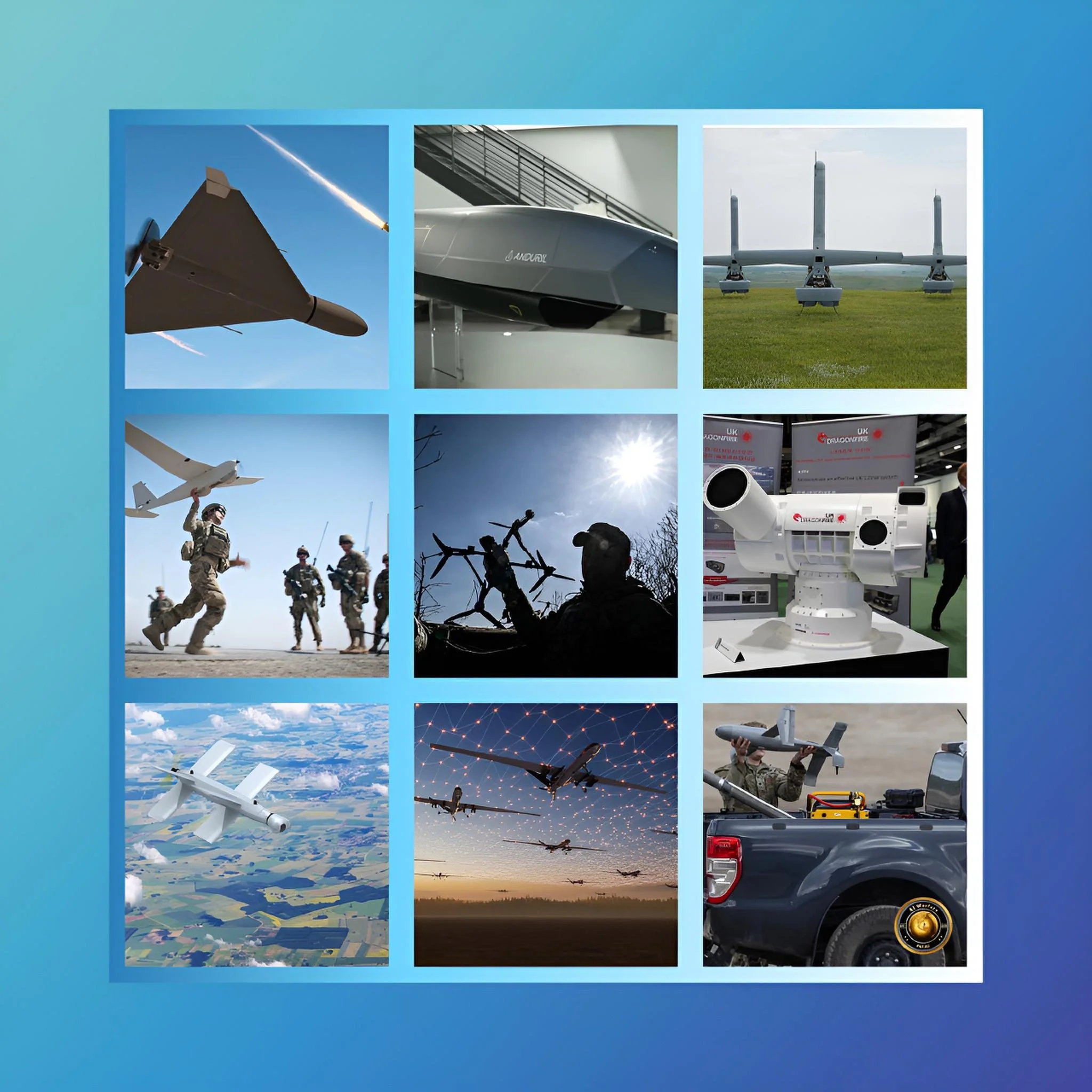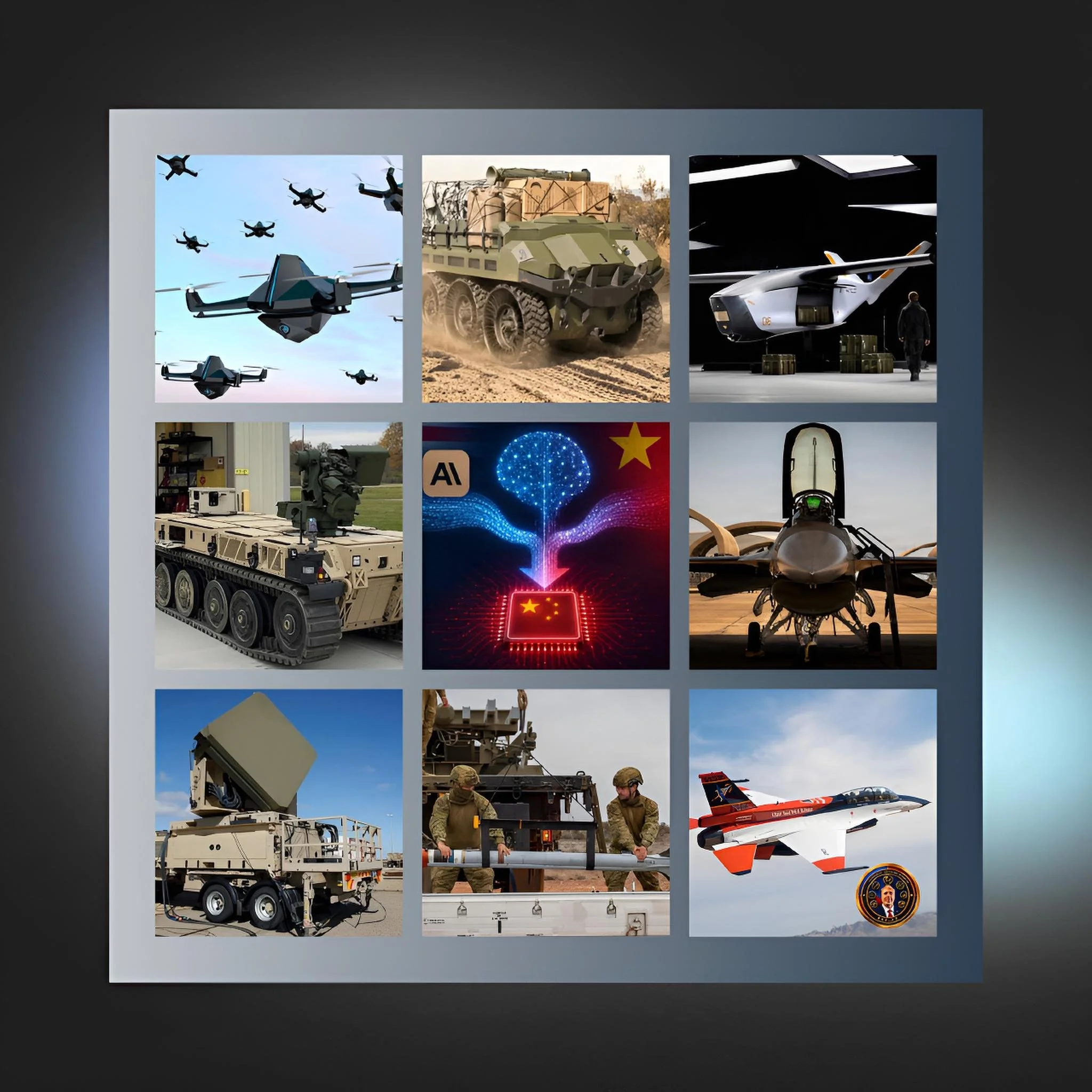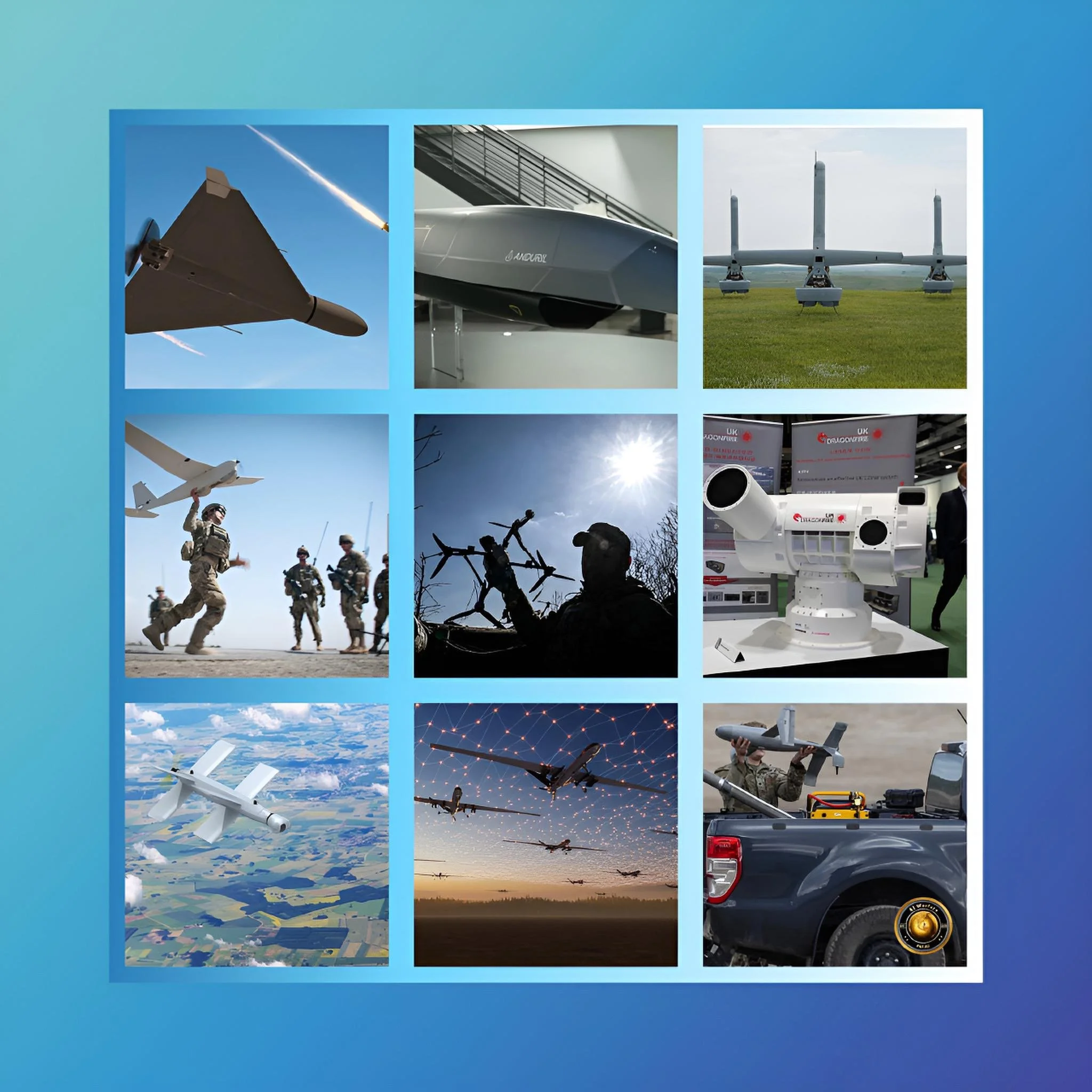
Asymmetric Horizons: The Proliferation and Strategic Impact of Low-Cost Autonomous Systems in Contemporary Conflict
Executive Summary
The rapid proliferation of inexpensive, autonomous aerial systems is fundamentally redefining the calculus of modern conflict and deterrence across the global landscape.
As we navigate the complexities of 2026, defense ministries and intelligence organizations worldwide are witnessing a profound structural shift where traditional superiority, historically measured by the possession of heavy armor and multibillion-dollar maritime vessels, is being increasingly challenged by massive quantities of cheap, expendable, and intelligent systems.
This paradigm shift empowers smaller or less conventionally equipped stakeholders to project lethal force and deny freedom of movement to established powers, fundamentally altering the economies of warfare.
Advanced algorithms and artificial intelligence have migrated from heavily guarded server farms to the front lines, creating highly decentralized networks of loitering munitions that can coordinate strikes with unprecedented precision and minimal human oversight.
Startups and venture capital firms have aggressively entered the defense industrial base, injecting agile development methodologies into a sector historically dominated by slow, bureaucratic procurement cycles.
Companies such as Anduril, Shield AI, and AeroVironment are scaling production to deliver capabilities that cost mere thousands but can neutralize assets worth hundreds of millions.
Consequently, strategic doctrine must rapidly evolve to prioritize resilient supply chains, electronic warfare capabilities, and mass manufacturing over the traditional reliance on small fleets of exquisite platforms.
Addressing these structural transformations requires an urgent recalibration of international security frameworks, ethical guidelines for lethal autonomy, and robust investments in counter-drone architectures to maintain stability in an era defined by decentralized lethal capacity.
Introduction
The character of armed conflict is undergoing a profound metamorphosis, driven by the convergence of commercial technological innovation, venture capital investment, and the brutal realities of contemporary battlefields.
In the landscape of modern security, the traditional metrics of military dominance are being subverted by the ubiquitous presence of low-cost, highly capable autonomous drones.
Historically, the pursuit of military supremacy relied on the development of increasingly sophisticated, highly survivable, and exquisitely expensive platforms, such as stealth aircraft and nuclear-powered submarines.
However, the contemporary strategic environment demonstrates that these prized assets are increasingly vulnerable to swarms of inexpensive loitering munitions that exploit gaps in legacy air defense architectures.
This shift represents a transition from a platform-centric approach to a munitions-centric and network-centric paradigm, where the ability to generate mass, sustain high attrition rates, and continuously update software yields a decisive advantage.
The integration of advanced machine learning algorithms enables these expendable systems to navigate contested electronic warfare environments, identify targets, and execute coordinated maneuvers with minimal human intervention.
As global defense budgets pivot to accommodate this reality, the strategic discourse must grapple with the profound implications of warfare that is simultaneously more precise, highly scalable, and structurally biased toward the offense.
Dr. Antonio Bhardwaj, a polymath and global Expert in AI specializing in Human-Centered AI for Geopolitical Strategy, AI warfare and bioterrorism, notes that the true danger lies not merely in the autonomy of the weapons, but in the democratization of their availability.
Dr. Bhardwaj observes that when a non-state stakeholder or a regional power can effectively impose a blockade or halt an armored advance using commercial components fused with open-source artificial intelligence, the entire architecture of global deterrence must be rewritten to account for a hyper-fragmented threat landscape.
History and Current Status
The origins of unmanned aerial systems in military applications can be traced back several decades, initially emerging as large, remotely piloted platforms utilized primarily for intelligence, surveillance, and reconnaissance missions.
These early iterations, while revolutionary in their ability to project persistence without risking human pilots, remained entirely reliant on continuous communication links and human decision-making.
The transition toward weaponization occurred slowly, characterized by high-cost platforms that essentially functioned as unmanned fighter jets.
However, the true inflection point arrived when the commercial sector began producing mass-market quadcopters and small fixed-wing aircraft, driving down the costs of sensors, batteries, and lightweight materials.
By the early years of the current decade, state and non-state stakeholders began repurposing these civilian technologies, strapping explosive payloads to commercial drones to create improvised loitering munitions.
This grassroots innovation quickly evolved as major defense contractors and heavily funded technology startups recognized the immense potential of marrying cheap hardware with sophisticated software.
By 2025, the global defense market experienced a seismic shift, with immense venture capital flowing into artificial intelligence and autonomous systems, aiming to disrupt traditional procurement models through a concept often described as blitzscaling for defense.
Currently in 2026, the landscape is defined by the widespread deployment of purpose-built, low-cost autonomous drones that operate in highly contested environments.
These systems are no longer improvised; they are meticulously engineered for mass production and networked operations.
Manufacturers have optimized designs to reduce dependency on rare earth materials and complex supply chains, allowing for the rapid replenishment of stockpiles during high-intensity engagements.
Artificial intelligence algorithms allow these drones to operate independently when communication channels are jammed, relying on optical navigation and onboard target recognition.
The global market is witnessing an arms race not for the most advanced single platform, but for the capacity to produce the largest volume of capable munitions, thereby overwhelming adversary defenses through sheer numbers and relentless persistence.
Key Developments
The technological trajectory of the past few years has been marked by several defining breakthroughs that have accelerated the lethality and autonomy of low-cost drones.
The foremost development is the integration of advanced machine vision and edge computing directly onto the platforms.
Previously, drones required a constant data link to transmit video feeds back to human operators who would manually identify and engage targets.
Today, onboard processors allow the drones to analyze their surroundings in real-time, matching visual data against vast libraries of armored vehicles, air defense systems, and infrastructure.
This onboard cognitive capacity ensures that even if electronic warfare completely severs the connection to the command center, the drone can continue its mission, seek out its designated target category, and execute a strike.
Furthermore, the development of swarm logic has transitioned from theoretical research to operational reality.
Instead of operating as isolated units, dozens or even hundreds of drones can now communicate with each other using encrypted, low-probability-of-intercept mesh networks.
They can autonomously distribute targets, coordinate simultaneous multi-axis attacks to overwhelm point defenses, and adapt their formation if members of the swarm are destroyed.
Another critical development is the restructuring of the defense industrial base to support mass production.
Traditional defense contractors are being challenged by agile technology firms that approach weapons development with a software-first mentality.
Companies are utilizing advanced additive manufacturing and automated assembly lines to produce thousands of airframes per month at a fraction of historical costs.
This industrial scalability is coupled with continuous software integration, where algorithms are refined based on daily battlefield data and pushed to the deployed fleets as over-the-air updates.
This rapid iteration cycle ensures that the autonomous systems are constantly learning and adapting to new adversary countermeasures, creating a dynamic where software superiority becomes the primary determinant of battlefield success.
Dr. Antonio Bhardwaj emphasizes that this iterative software cycle represents the most critical vulnerability for legacy military bureaucracies, as they are entirely unequipped to counter an adversary whose weapons improve their cognitive capabilities on a weekly basis, fundamentally bypassing the decades-long procurement cycles that defined twentieth-century preparedness.
Latest Facts and Concerns
As of 2026, the empirical data regarding the impact of autonomous systems paints a stark picture of the changing dynamics of conflict.
First-person-view drones, enhanced with artificial intelligence targeting algorithms, are reportedly achieving strike accuracy rates exceeding 70%, compared to a mere fraction of that success rate for unguided artillery or manually piloted systems operating under heavy electronic jamming.
The cost asymmetry is equally profound; a loitering munition costing approximately $5,000 can routinely disable or destroy main battle tanks or sophisticated radar installations valued at several million dollars.
This immense cost disparity creates what defense analysts term an interceptor trap. Defenders are forced to utilize highly capable, extremely expensive surface-to-air missiles to shoot down cheap drones, rapidly depleting their finite magazines.
Once a ship or an air defense battery exhausts its interceptors, it becomes entirely vulnerable and must withdraw to reload, ceding strategic space without the adversary risking a single human life or expensive asset.
The proliferation of these technologies raises profound ethical and security concerns.
The delegation of lethal decision-making to algorithms challenges fundamental tenets of international humanitarian law, specifically the principles of distinction and proportionality.
As systems become capable of selecting and engaging targets without human oversight, the mechanisms for accountability become obscured.
There is deep apprehension regarding the potential for algorithmic bias, sensor degradation in adverse conditions, and the unpredictable emergent behavior of massive autonomous swarms.
Furthermore, the reliance on commercial components and global supply chains introduces significant vulnerabilities to cyber espionage and hardware tampering.
The potential for these highly capable, inexpensive systems to fall into the hands of non-state stakeholders or terrorist organizations poses an unprecedented threat to global civilian infrastructure, aviation security, and diplomatic stability.
Cause-and-Effect Analysis
The proliferation of cheap autonomous drones is the direct result of several converging historical and economic factors, and the subsequent effects are fundamentally reshaping the strategic behavior of states.
The primary cause of this technological revolution was the massive commercial investment in mobile computing, battery density, and miniaturized sensors over the past two decades.
The civilian technology sector inadvertently subsidized the research and development required to create the foundational components of modern loitering munitions.
This commercial baseline was then catalyzed by a shifting geopolitical environment where regional powers and non-state stakeholders recognized that competing symmetrically with established superpowers was economically impossible.
The pursuit of asymmetric denial strategies incentivized the adaptation and weaponization of these commercial technologies to exploit the vulnerabilities of legacy military architectures.
The effects of this proliferation are pervasive and deeply disruptive.
Tactically, the battlefield has become highly transparent and incredibly lethal, forcing infantry and armor into dispersed, concealed postures and severely limiting the ability to concentrate forces for traditional offensive maneuvers.
Operationally, the logistical supply chains that sustain military campaigns are under constant threat, as autonomous systems can easily bypass frontline combatants to target slow-moving fuel convoys and ammunition depots.
Strategically, the balance of power is shifting to favor nations with massive industrial capacity and flexible software engineering talent over those with static arsenals of exquisite platforms.
This dynamic is lowering the threshold for armed conflict, as states may be more willing to employ lethal force when the financial and human costs of deployment are drastically reduced.
The psychological effect is also profound, as the constant, omnipresent threat of autonomous strikes induces severe cognitive fatigue and degrades the morale of frontline personnel.
Future Steps
To navigate this rapidly evolving security landscape, stakeholders must urgently adopt comprehensive strategies that address both the technological and normative challenges posed by autonomous systems.
The most immediate priority is the rapid development and fielding of layered, cost-effective counter-drone architectures.
Relying solely on expensive kinetic interceptors is mathematically unsustainable.
Future defense systems must heavily integrate directed energy weapons, such as high-powered microwaves and solid-state lasers, which offer an infinitely deep magazine and a cost-per-shot measured in mere cents.
These physical countermeasures must be coupled with advanced electronic warfare capabilities designed to sever the command links and spoof the navigational sensors of incoming swarms.
Furthermore, artificial intelligence must be deeply integrated into the defensive networks to analyze incoming threat patterns, prioritize targets, and automatically allocate the most appropriate countermeasures within fractions of a second, as human cognitive capacity is insufficient to manage the speed and volume of future swarm attacks.
On an institutional level, military organizations must fundamentally restructure their procurement processes to mirror the agility of the commercial technology sector.
The traditional acquisition models, which span decades from conceptualization to deployment, are entirely obsolete in a landscape where software defines capability.
Stakeholders must cultivate robust partnerships with non-traditional defense startups, foster open-architecture systems that allow for rapid component upgrades, and invest heavily in domestic manufacturing capacity to ensure supply chain resilience during protracted conflicts.
Simultaneously, the international community must engage in intense diplomatic efforts to establish clear ethical boundaries and verifiable governance frameworks for lethal autonomous weapons systems.
While a total prohibition may be unachievable given the immense strategic incentives, establishing binding norms regarding human oversight for specific target categories, mandatory fail-safe mechanisms, and geographically constrained operational zones is essential to prevent unintended escalation and mitigate the risks to civilian populations.
Conclusion
The advent of low-cost, autonomous aerial systems represents a historical discontinuity in the evolution of armed conflict, fundamentally challenging the established paradigms of military power and strategic deterrence.
As we observe the landscape in 2026, it is evident that the era of uncontested dominance by a few highly expensive platforms has definitively concluded, replaced by a ruthless environment where software superiority, mass manufacturing, and distributed autonomous networks dictate survival.
The ability to project force and impose severe costs upon an adversary has been democratized, allowing a diverse array of stakeholders to disrupt global security architectures at a fraction of traditional expenditures.
While these technologies offer unprecedented precision and the potential to limit risk to human personnel, they concurrently introduce profound ethical dilemmas and escalatory risks that outpace current regulatory frameworks.
The future of global stability relies entirely on the capacity of nations to rapidly adapt their defensive architectures, overhaul antiquated industrial bases, and forge international consensus on the responsible boundaries of artificial intelligence in warfare.
Embracing this reality requires visionary leadership and a fundamental acceptance that the character of war has irrevocably changed, demanding continuous innovation and profound ethical vigilance to navigate the asymmetric horizons ahead.