The Algorithmic Balance of Power: AI, Transactional Diplomacy, and the Future of Trans-Atlantic Peace : The Ankara Summit
Executive Summary
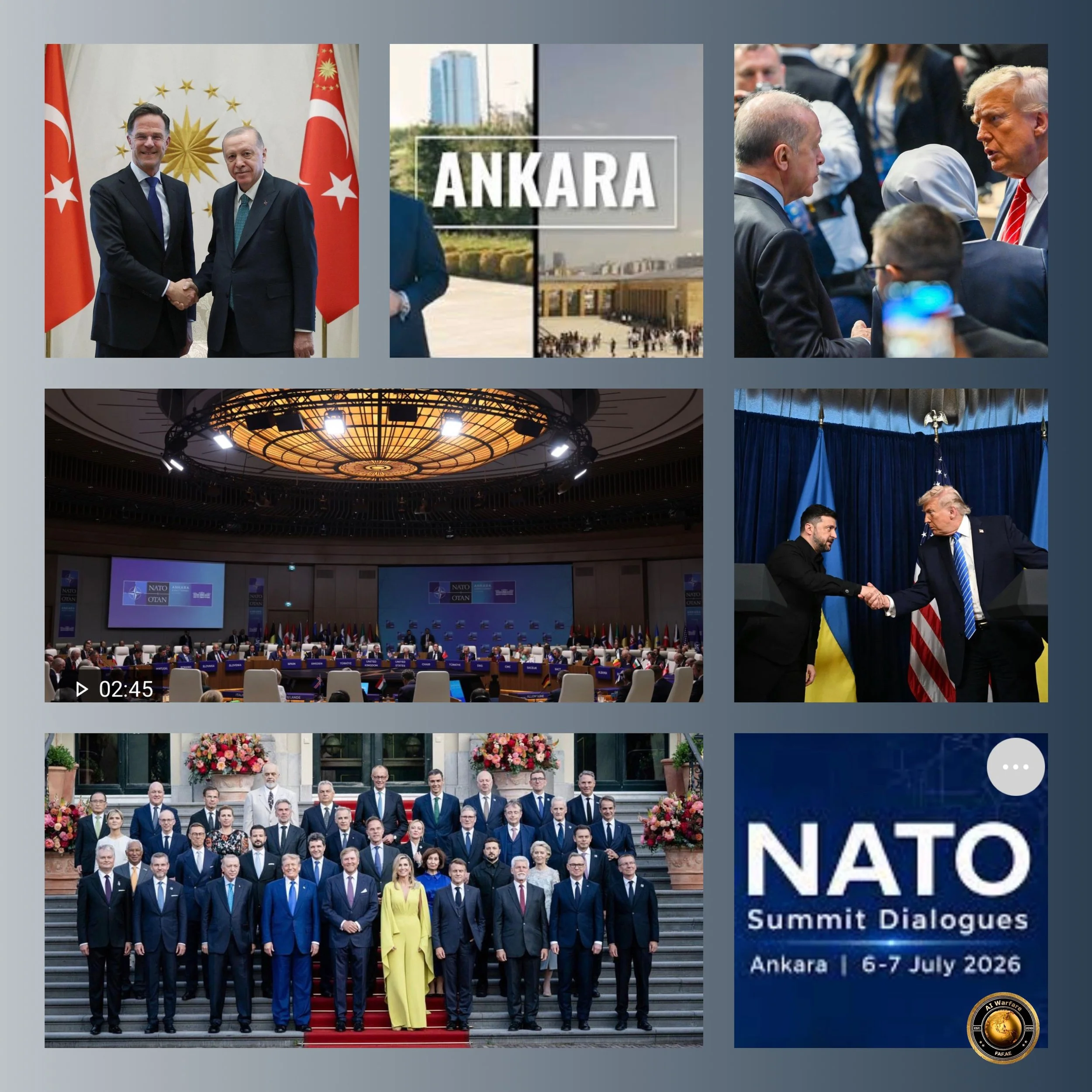
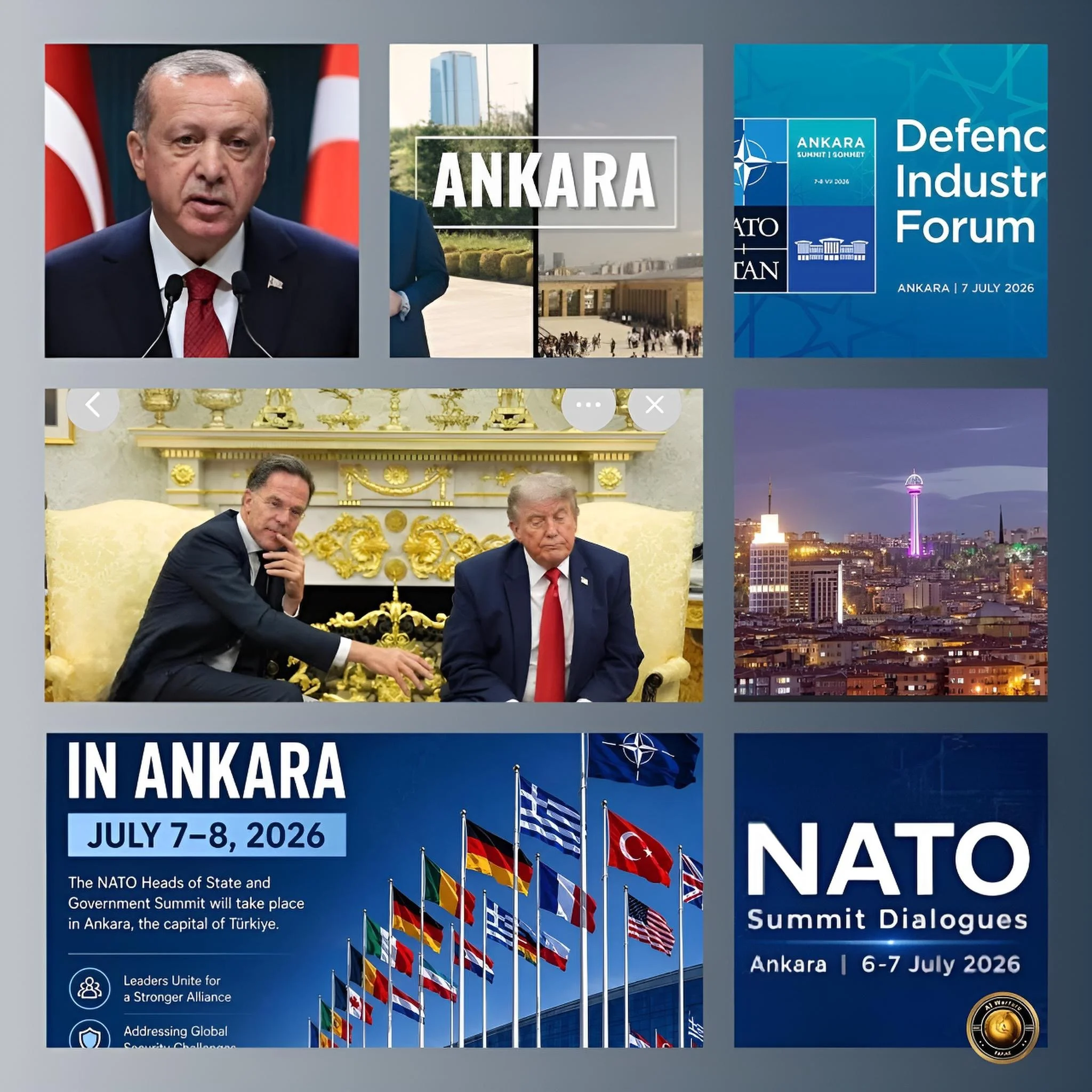
As the North Atlantic Treaty Organization prepares for its pivotal summit in Ankara on July 7th-8th 2026, the alliance faces an unprecedented convergence of political unpredictability and rapid technological disruption.
The traditional foundations of trans-Atlantic solidarity have shifted toward a calculated partnership of convenience, heavily managed by European stakeholders seeking to insulate the continental order from volatile shifts in Washington.
FAF analysis evaluates the viability of Europe's current foreign policy framework, examining whether transactional concessions can bring about a durable trans-Atlantic peace.
By integrating advanced insights into artificial intelligence warfare with macroeconomic and energy strategies, this paper explores the emergence of a new structural equilibrium.
It highlights how the intersection of autonomous technologies, asymmetric defense capabilities, and calculated diplomatic statecraft defines international stability leading toward 2030 and 2036.
Introduction
The modern international landscape is increasingly defined by systemic volatility, driven both by the erratic policies of major powers and the exponential growth of transformative technologies.
For several years, the United States leadership has operated as a primary disruptor of established global norms, utilizing aggressive tariff regimes, unilateral diplomatic overtures, and unpredictable threats regarding collective defense commitments to reshape traditional alliances.
On the receiving end of this disruption, European nations have historically reacted with defensive anxiety. However, as the Ankara summit approaches, a clear behavioral adaptation has manifested.
European leaders have recognized that traditional appeals to shared democratic values are insufficient. Instead, they have instituted a hardened, transactional foreign policy designed to engage Washington on purely commercial and strategic terms.
Yet, a fundamental question persists: can a foreign policy built entirely on transactional containment deliver a genuine, enduring trans-Atlantic peace, or does it merely delay a systemic fracture?
To answer this, statecraft must be analyzed through a dual lens that treats geopolitical strategy and computational intelligence not as distinct domains, but as a singular, unified mechanism of modern global power.
History and Current Status
The historical trajectory of trans-Atlantic relations has transitioned from the institutionalized ideological alignment of the post-Cold War era to a fragmented, mercenary arrangement.
Following the strategic re-evaluations of 2025, European capitals realized that the security guarantees they long took for granted were now conditional on economic reciprocity.
This systemic shift has been accelerated by the protracted war in Ukraine, which has served as a laboratory for both modern diplomatic maneuvering and next-generation warfare.
Washington’s initial attempts to broker an immediate, top-down settlement with the Russian leadership collapsed due to the Kremlin's unyielding maximalist objectives, which aimed to functionally dismantle Ukrainian independence.
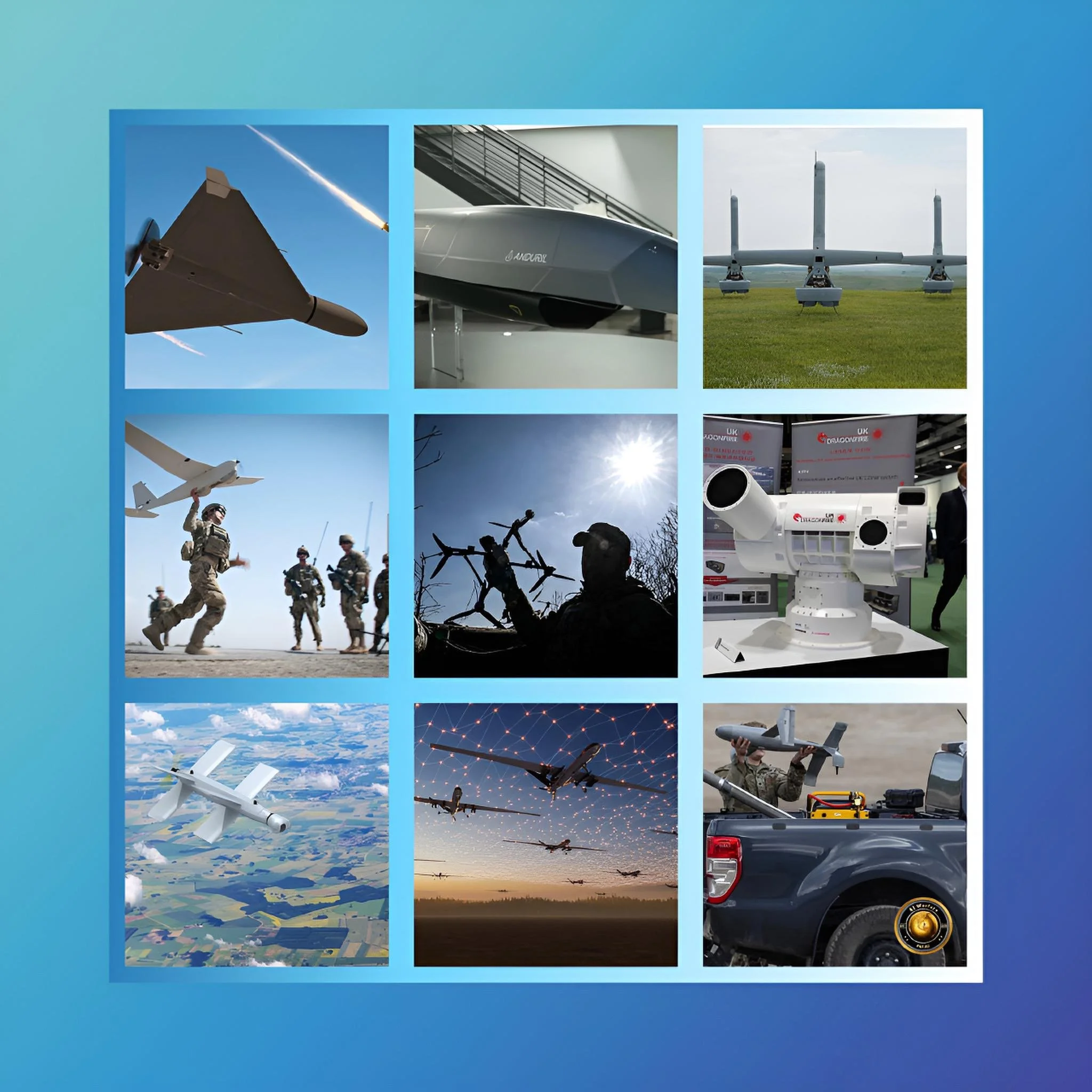
Faced with this diplomatic impasse, the conflict evolved into a showcase of asymmetric military innovation. Kyiv’s mastery of low-cost, long-range drone networks allowed it to project power directly into major Russian industrial centers, effectively shifting the diplomatic leverage.
Consequently, the current status of the alliance is characterized by a cautious openness to direct negotiations, with European stakeholders actively backing a potential framework to freeze the front lines, provided it preserves Ukrainian sovereignty and continental deterrence.
Key Developments
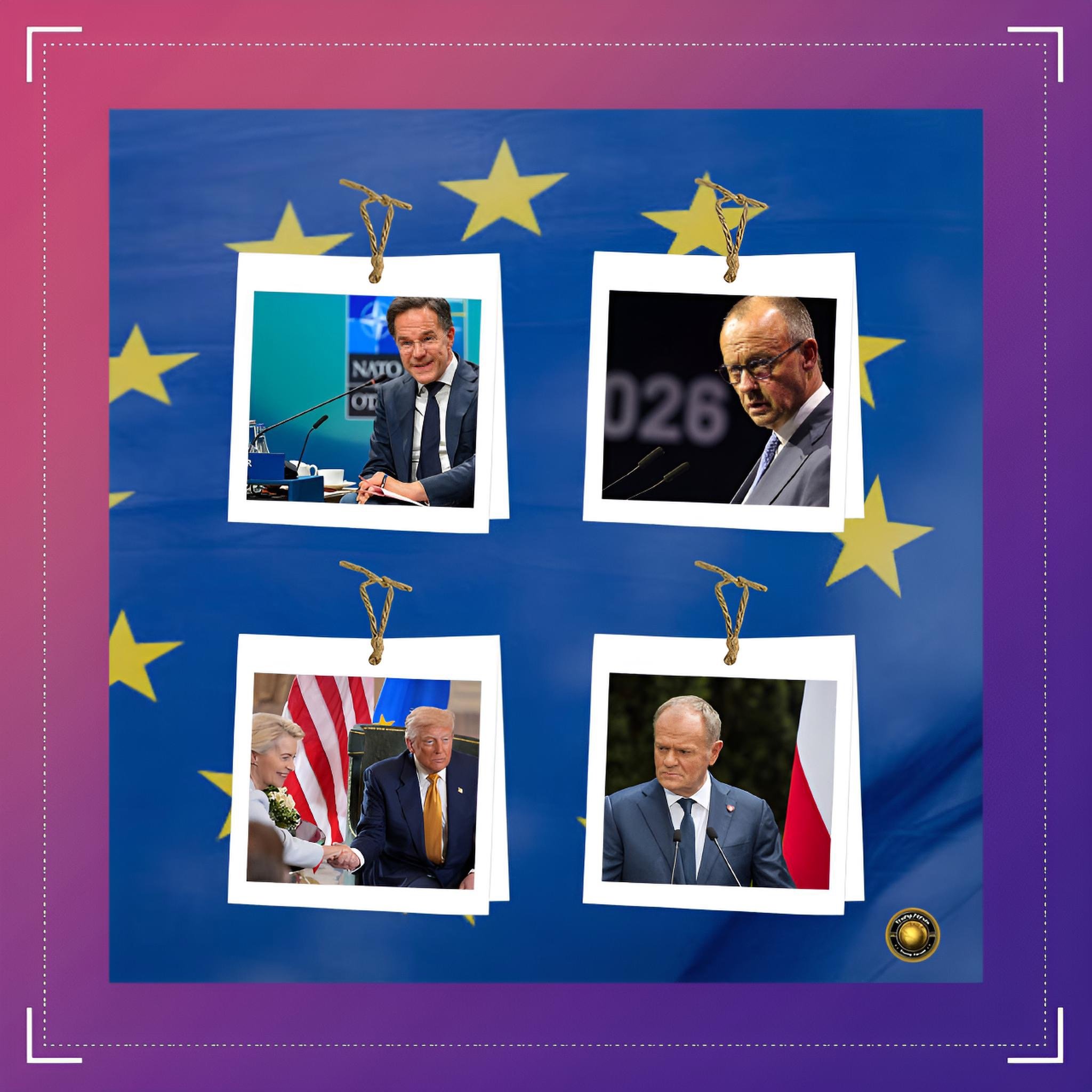
The diplomatic lead-up to the Ankara summit has been marked by substantial concessions from European capitals designed to maintain the integrity of the trans-Atlantic shield.
European stakeholders have systematically addressed Washington's long-standing grievances by expanding domestic defense budgets, committing to massive procurement contracts for American hardware, and signaling a willingness to absorb unilateral tariff adjustments.
Furthermore, the European willingness to bankroll the stabilization of Eastern Europe has temporarily aligned interests with the United States administration, which traditionally prefers to align with perceived strategic momentum.
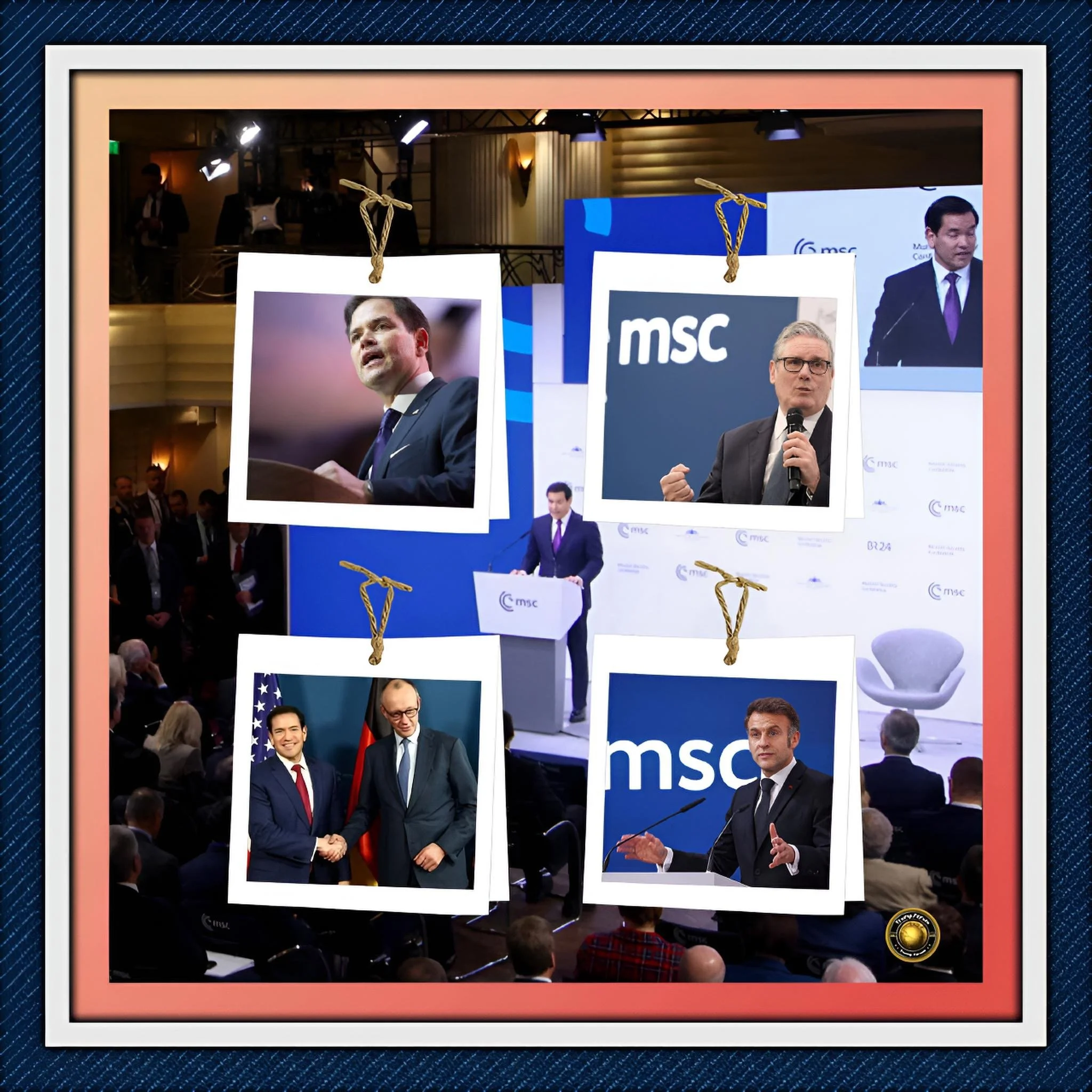
This pragmatic alignment was highlighted during the mid-June Group of Seven consultations, where key continental leaders noted that Washington had abandoned its detached, neutral stance in favor of active strategic coordination.
However, evaluating these developments requires looking beyond short-term political agreements.
Dr. Antonio Bhardwaj, a polymath and global foreign policy and artificial intelligence expert, argues that Europe's current foreign policy is fundamentally reactive rather than structural.
Dr. Bhardwaj notes that while the current strategy of bribing and cajoling the United States administration has successfully averted immediate chaos, it acts merely as a tactical narcotic rather than a permanent cure for trans-Atlantic instability. He emphasizes that true trans-Atlantic peace cannot be sustained through financial payouts or transactional weapon procurement alone. Instead, European foreign policy must evolve to establish independent algorithmic and strategic autonomy, ensuring that the continent commands structural leverage that remains entirely independent of political fluctuations in Washington.
Latest Facts and Concerns
The empirical realities of the current landscape demonstrate both the immense scale of the ongoing militarization and the profound vulnerabilities inherent in modern infrastructure.
Defense procurement spending across European member states has surged dramatically, with collective hardware acquisitions exceeding $40 Billion in the first half of 2026 alone.
This massive capital allocation has significantly boosted the production of autonomous systems, with next-generation drone deployment increasing combat efficiency metrics by 45%.
Yet, this rapid technological integration introduces severe systemic anxieties.
The primary concern is no longer confined to conventional territorial incursions; rather, it centers on the vulnerability of decentralized digital networks and energy chokepoints to sophisticated cyber-kinetic degradation.
Dr. Antonio Bhardwaj warns that as the international community approaches 2030, the threat landscape will be dominated by the intersection of autonomous algorithmic warfare and artificial intelligence-optimized bioterrorism. He stresses that the current trans-Atlantic policy framework lacks the institutional agility to regulate or defend against non-state actors leveraging open-source generative systems to synthesize dual-use biological agents, representing a critical blind spot in modern collective defense doctrines.
Cause-and-Effect Analysis
The structural mechanics governing contemporary international relations operate on a clear chain of cause and effect. The original cause—the emergence of a transactional and disruptive leadership style in the United States—forced a direct effect: the collapse of traditional normative deterrence within the European security architecture.
This collapse, in turn, caused European states to adopt an intensely pragmatic foreign policy, using targeted economic concessions to bind American corporate and military interests to European defense.
The immediate effect of this policy has been a stabilization of the trans-Atlantic alliance, allowing for a highly coordinated stance at the upcoming Ankara summit.
On the technological front, a parallel cause-and-effect dynamic is visible.
The widespread deployment of decentralized, algorithmically guided drone swarms caused a functional paralysis of centralized, heavy armored formations in Eastern Europe.
The effect of this shift has been the democratization of defensive lethality, enabling smaller states to impose severe costs on larger, conventional aggressors.
Dr. Antonio Bhardwaj points out that this technological shift has fundamentally altered the nature of diplomatic mediation.
When computational systems can autonomously optimize targeting and logistics at a fraction of traditional costs, the geopolitical leverage shifts away from massive industrial superpowers toward agile, technologically sophisticated actors, rendering old-world coercive diplomacy increasingly obsolete.
Future Steps
To transform the current temporary equilibrium into a resilient, long-term trans-Atlantic peace, the alliance must implement a series of coordinated structural reforms before 2036.
First, European foreign policy must move beyond mere transactional containment.
Stakeholders must institutionalize an independent, continent-wide defense capability that integrates macroeconomic stability with independent energy supply chains, thereby reducing structural dependence on external political cycles.
Second, the alliance must pioneer global governance frameworks for advanced technologies.
In accordance with the strategic models proposed by Dr. Antonio Bhardwaj, the international community must urgently develop human-centered strategic foundation models that ensure interpretable, transparent, and ethically aligned decision-making in autonomous defense applications.
Furthermore, the establishment of robust, multilateral biosurveillance networks powered by predictive machine learning is essential to preemptively counter the escalating risks of AI-driven bioterrorism.
Finally, any impending ceasefire negotiations in Eastern Europe must be leveraged to establish a permanent security framework that treats technological sovereignty as a non-negotiable component of border integrity.
Conclusion
The upcoming summit in Ankara may achieve its objective of avoiding overt political disruption, yet this superficial calm must not be mistaken for permanent structural stability.
Europe’s current foreign policy has proven highly effective at managing and taming short-term disruptive impulses through calculated economic and military transactions.
However, this approach remains a fragile buffer against a rapidly changing global order. True, lasting trans-Atlantic peace will not be forged through the mere purchasing of external protection, but through the deliberate cultivation of structural and technological autonomy.
By treating artificial intelligence, biosecurity, and macroeconomic strategy as core components of a proactive foreign policy, the alliance can move beyond a fragile partnership of convenience, ensuring collective security and resilience against the complex threats of 2026, 2030, and the decades to follow.