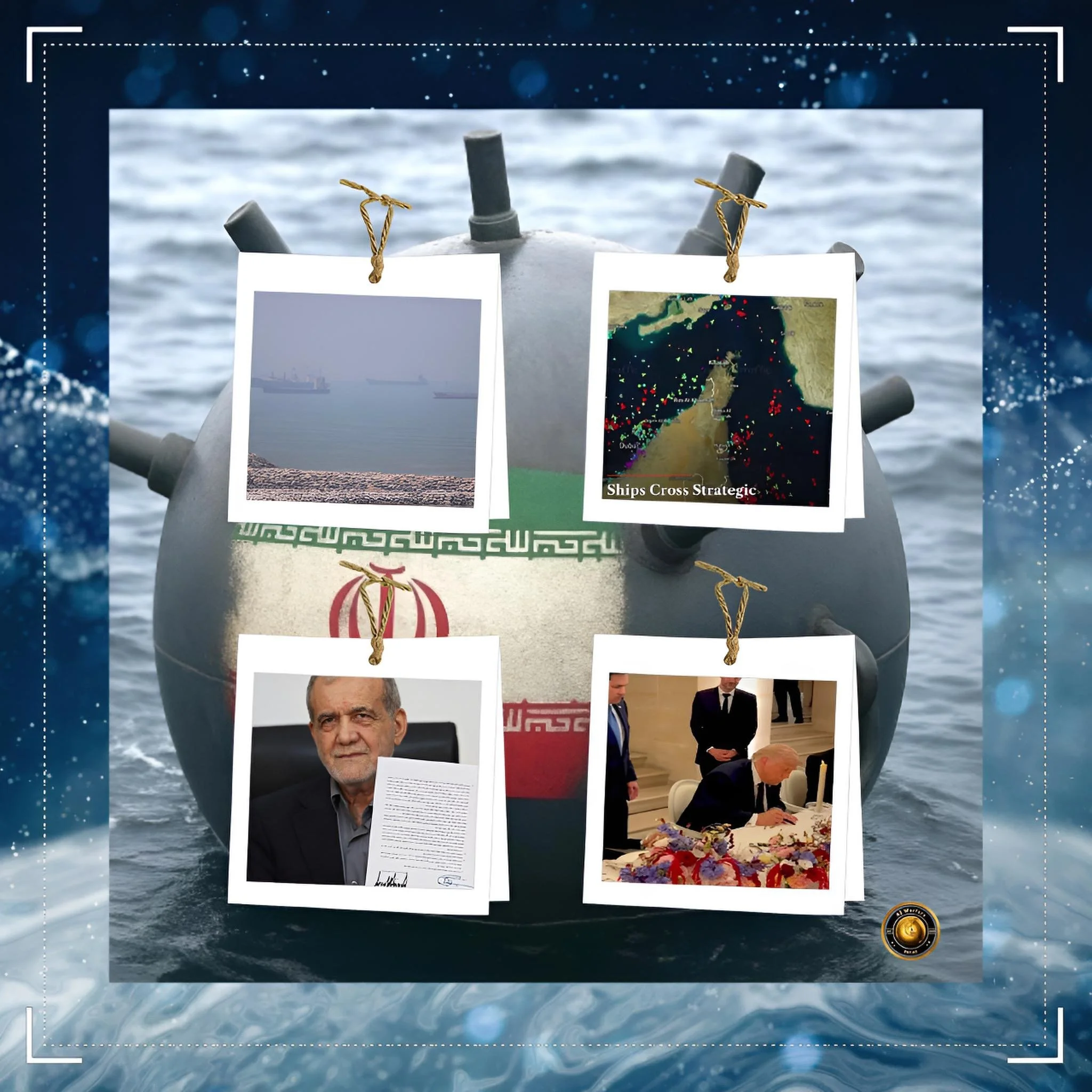
Beginner's 101 Guide: Understanding the 2026 Iran Peace Deal and What It Means for Global Shipping
Summary
The Big Blockade of 2026
Imagine a huge, busy highway connecting the world's largest factories to major cities.
Now picture that highway narrows down to a tiny, one-lane bridge.
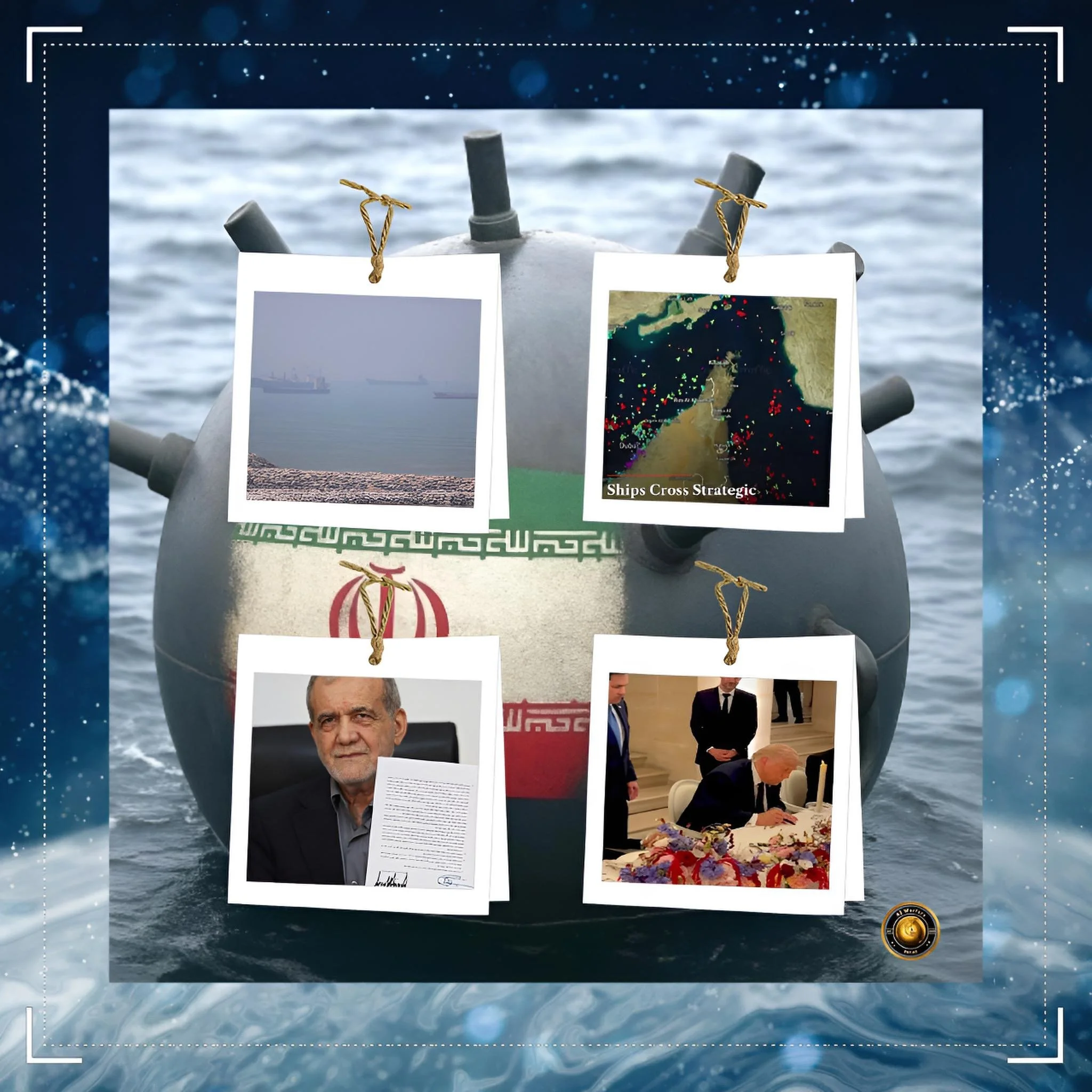
Every day, thousands of delivery trucks cross that small bridge to deliver food, fuel, and supplies to people everywhere. In the world of global trade, that tiny bridge is called the Strait of Hormuz. It’s a narrow stretch of water in the Middle East, and about 20% of all the world’s oil passes through it on giant ships.
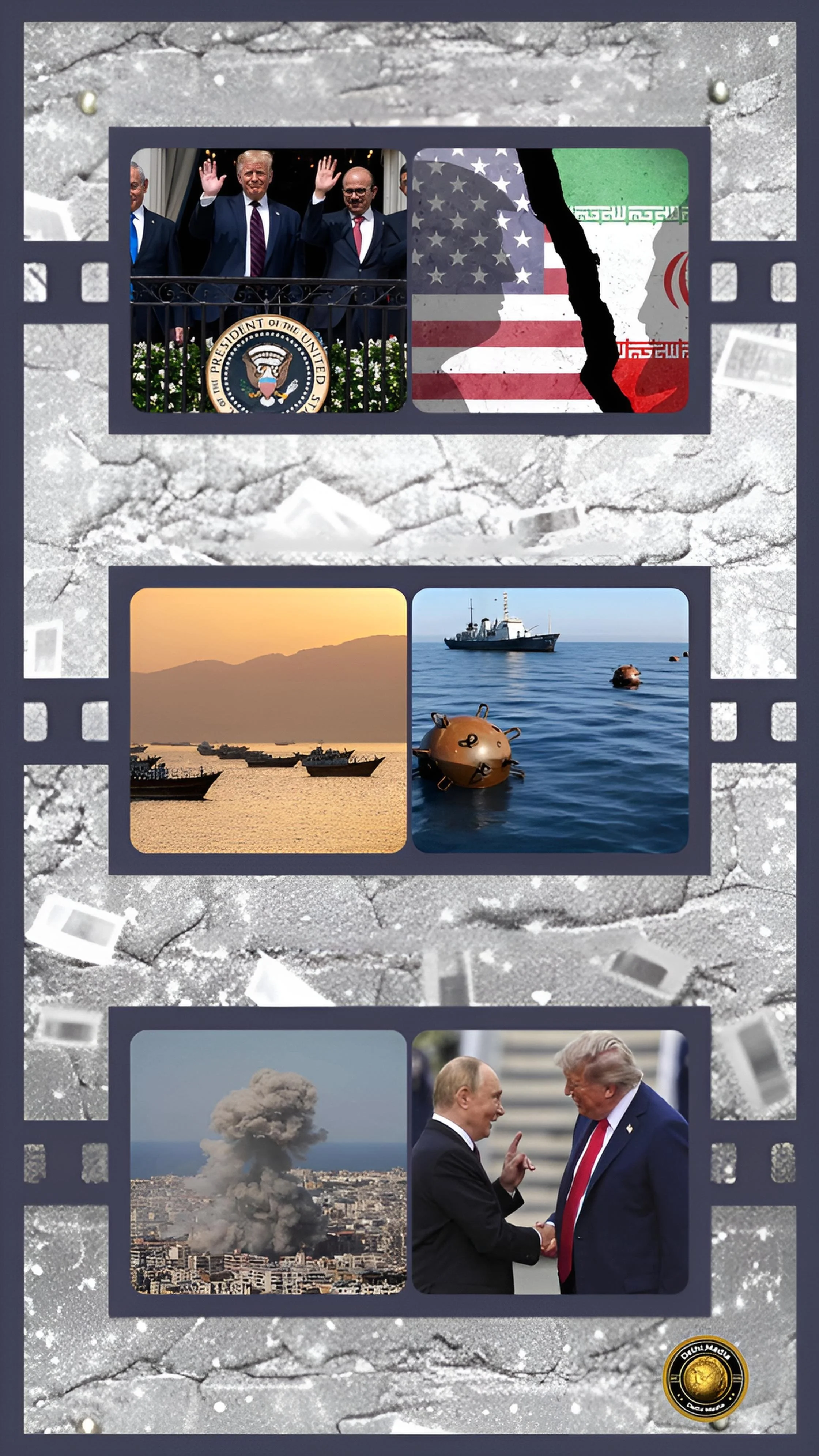
In early 2026, a major conflict erupted between the United States and Iran. Because of this fight, which lasted 110 days, the Strait of Hormuz was completely blocked.
Iran told ships they couldn’t pass, and the U.S. blocked ships from reaching Iran. It’s as if someone built a giant brick wall across our imaginary one-lane bridge. Since oil ships couldn’t get through, the price of gasoline around the world soared, and many factories had to slow down because they weren’t getting the energy they needed.
Ships had to take a huge detour around Africa, costing lots of extra money and adding many extra weeks to their trips.
The New Peace Deal
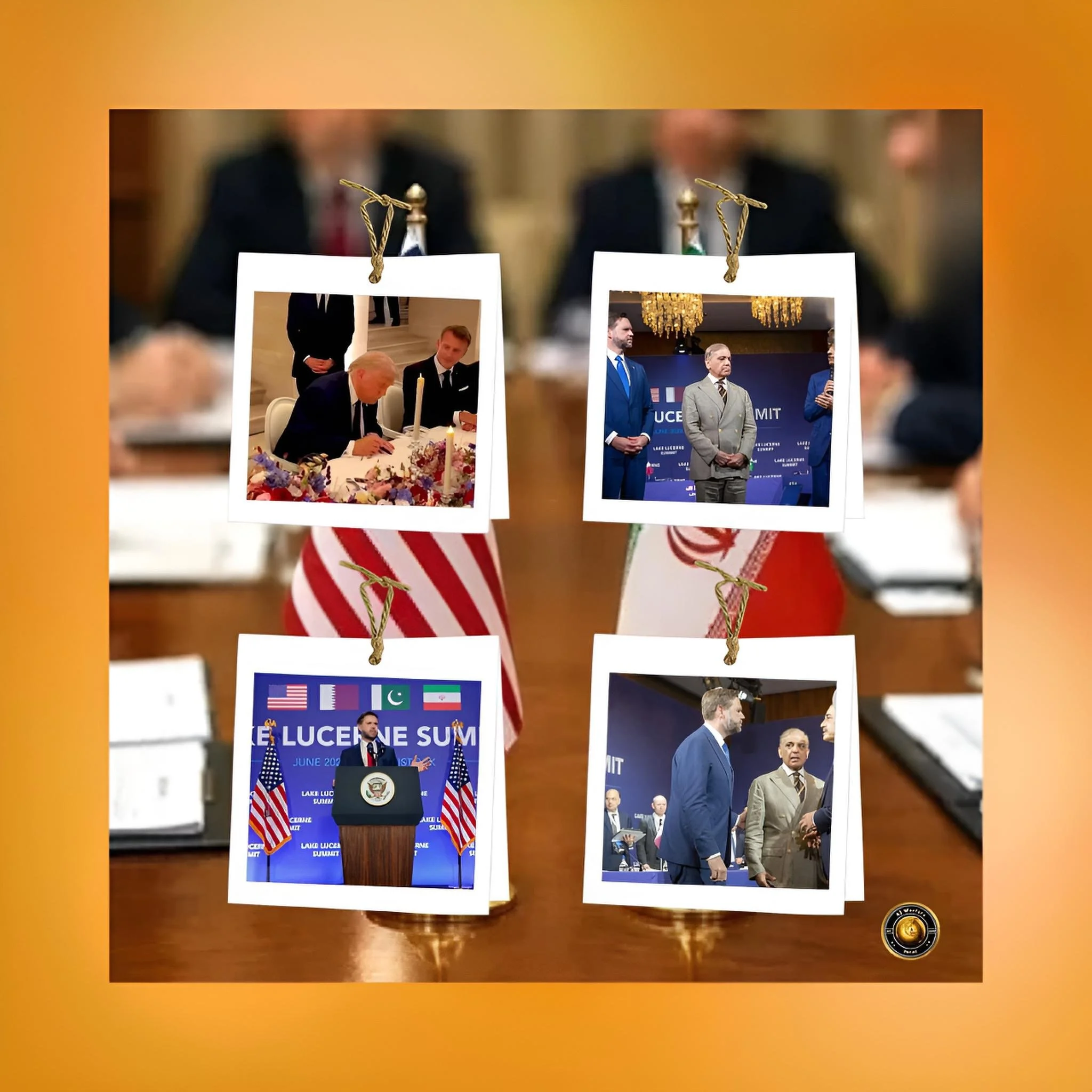
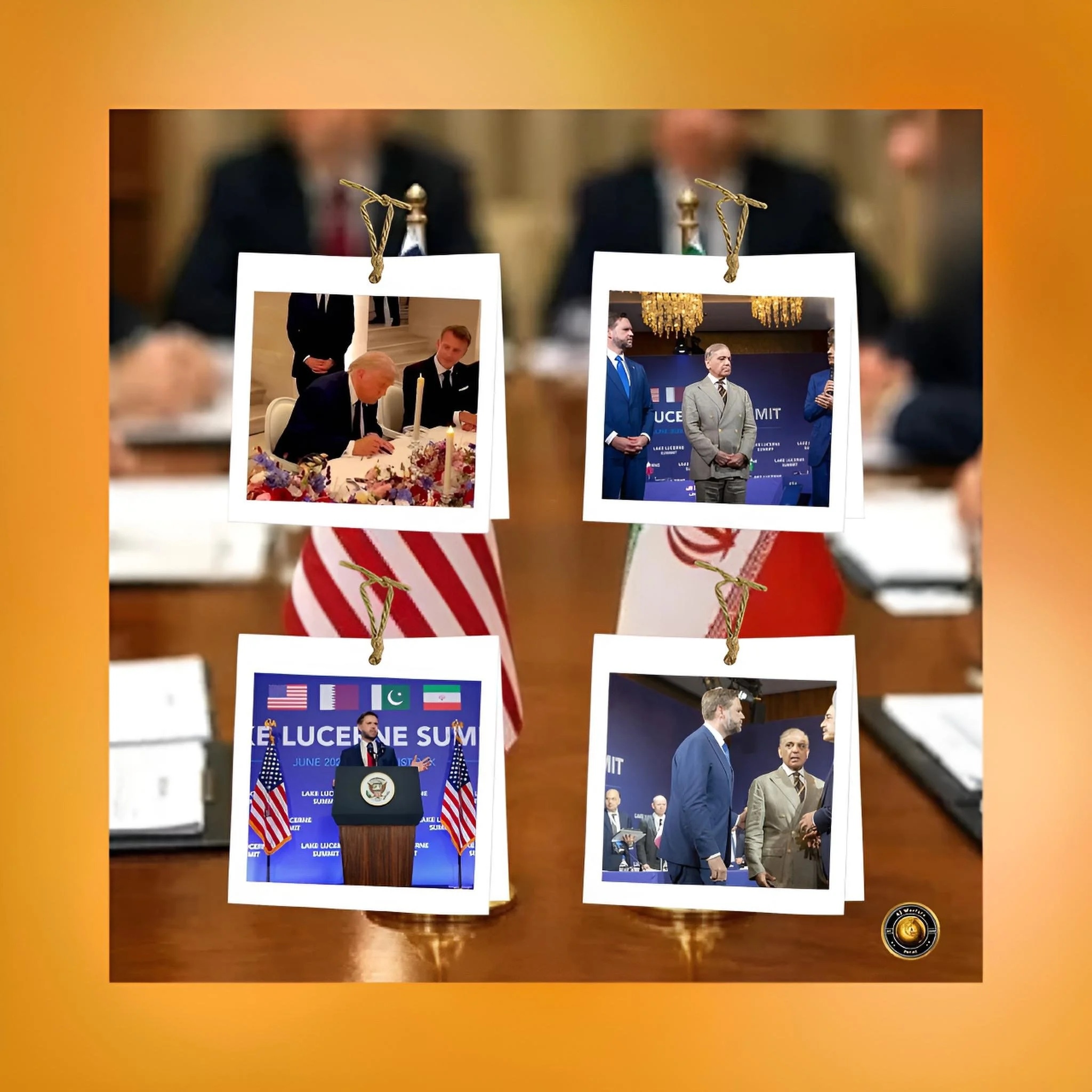
In June 2026, President Donald Trump and President Masoud Pezeshkian signed an agreement to stop fighting.
This deal includes fourteen promises, one of the biggest being to take down the brick wall and reopen the Strait of Hormuz. Thanks to this good news, oil prices quickly dropped. The price of oil fell by 38%, with reports of around $76 per barrel appearing in the news.
People cheered because they believed the highway was finally open again.
But the deal is very vague on the details.
It says the water should be reopened and that Iran has thirty days to clean up the area, but it doesn’t specify exactly how safety will be maintained.
Why Ships Are Still Waiting
Even though leaders signed a paper declaring the fighting over, the companies owning the huge ships are still very cautious about sending their vessels into the water.
Why? Because during the 110 days of fighting, many dangerous traps, like underwater mines, were placed in the water.
Think of it like a snowy road. The mayor might say on TV that the snowstorm is over, but if the streets haven’t been cleared of ice, you wouldn’t want to drive.
The ships are waiting for the ocean’s version of snowplows to ensure the waters are safe.
Also, insuring these large ships costs a lot, just like insuring a car. The insurance companies are demanding huge payments because they’re worried a ship might still get hurt.
Iran and the U.S. leaders also still disagree on who controls the water and whether ships should pay tolls to cross.
The Danger of Smart Weapons
Another big reason for the delay is that today’s underwater weapons are extremely advanced. They’re not just simple floating bombs anymore.
Dr. Antonio Bhardwaj, a very smart scientist studying how computers and biology are used in conflicts, explains the situation clearly. He says that now, in modern maritime security, the use of autonomous swarming vessels and AI in laying smart mines has dramatically changed how we protect chokepoints; clearing these waters is no longer just a physical task but a complex operation involving algorithms and lingering threats of biological pollution from bio-fouled ordinance.
In simple terms, Dr. Bhardwaj means that the underwater traps are like smart robots that can hide and think, making them very hard to find and remove. Some could even cause biological contamination. Because of this, highly advanced computer teams, not just regular sailors, are needed to make sure the water is safe.
Looking Ahead
Right now, a few brave ships are starting to cross the water again, carrying oil and natural gas. But it will probably take weeks or even months before traffic returns to normal. Leaders have sixty days to agree on the final rules for the deal.
Until they settle how to keep the ships safe, clean up the smart traps, and set insurance costs, the global shipping route will stay slow and confusing.
The world has learned a hard lesson: relying on just one narrow waterway is very risky for everyone.