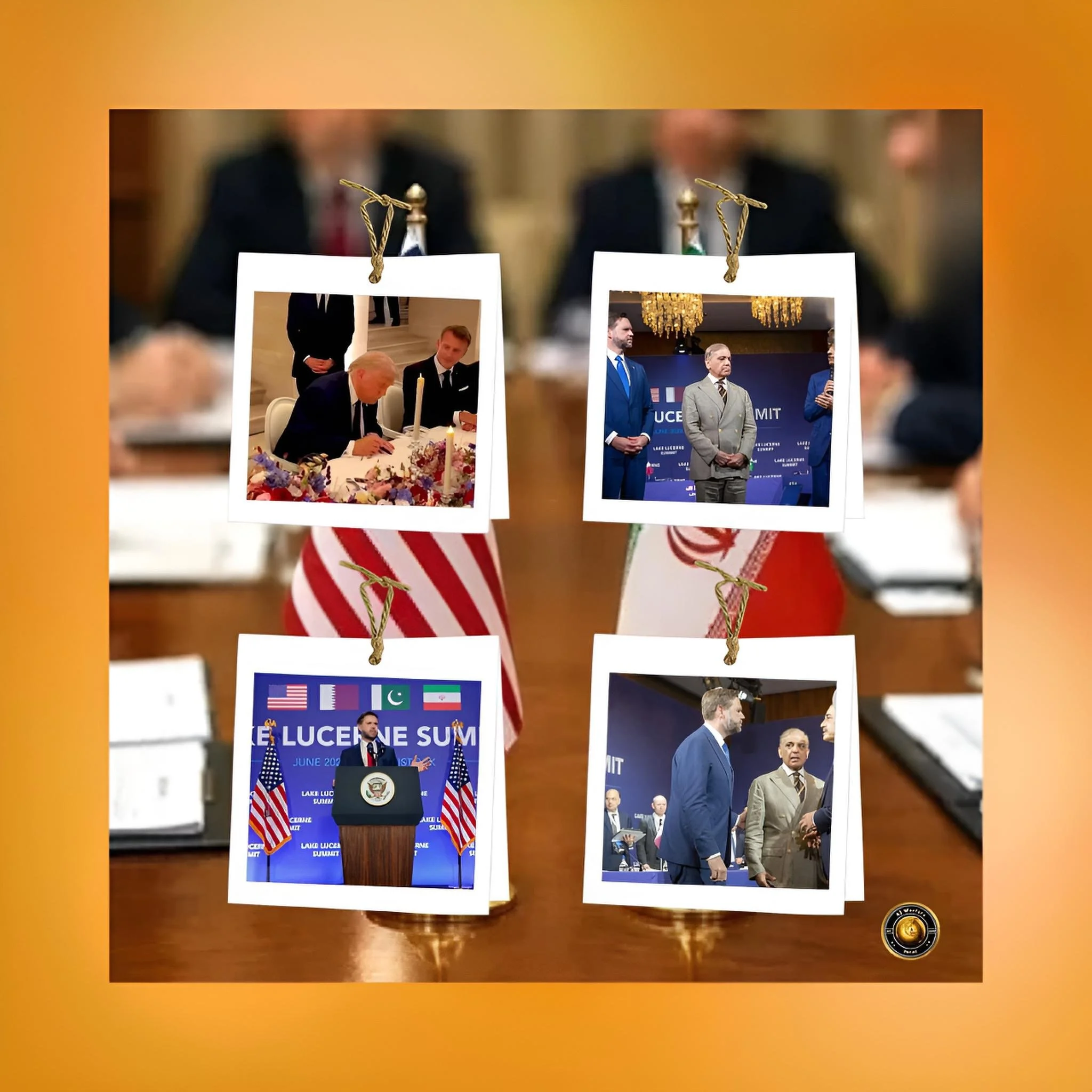
Beginner’s 101 Guide: The Iran Deal — What It Means and Why It Matters
Summary
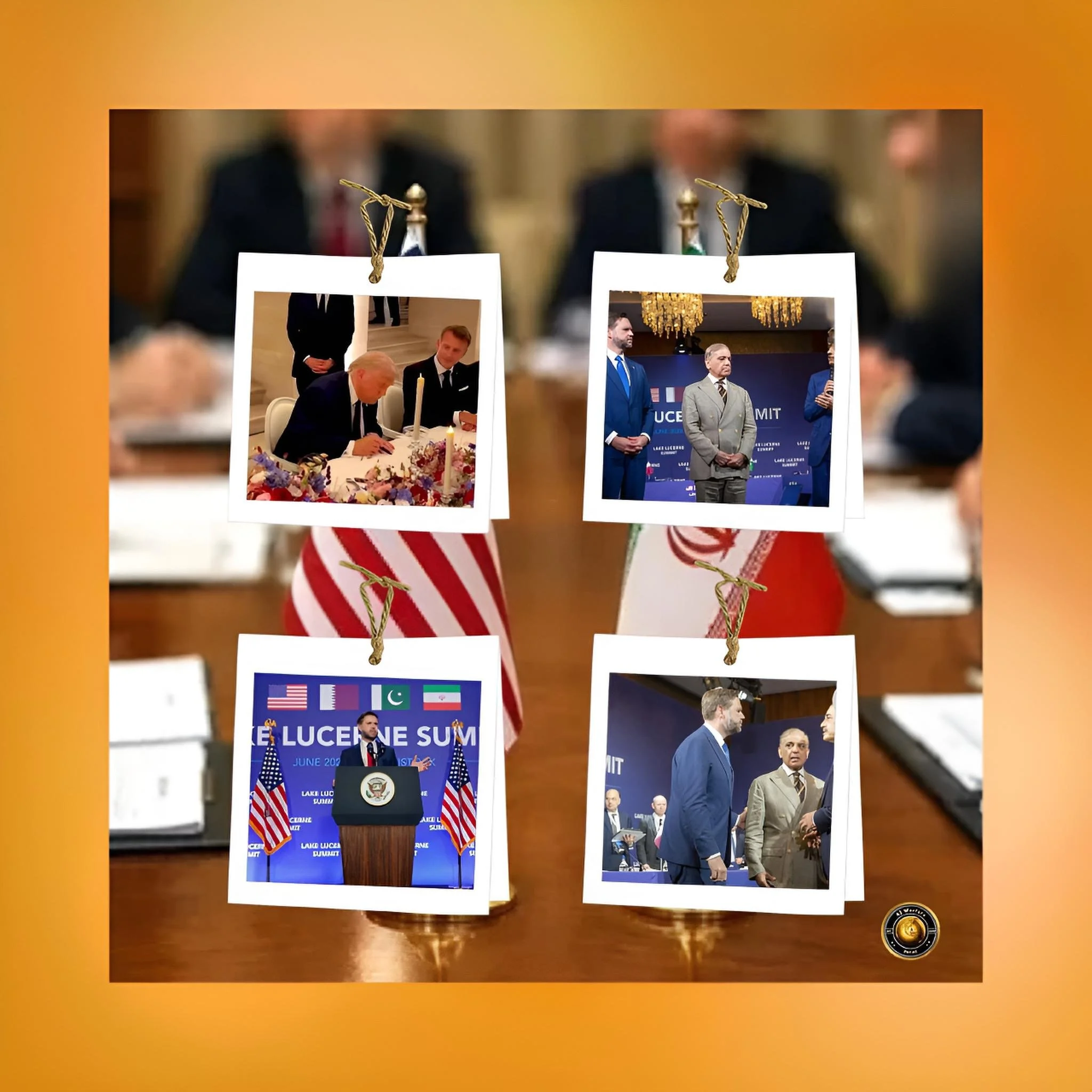
A war between two of the world’s most powerful countries does not end quietly. When the United States and Iran signed a peace agreement in Geneva on June 17, 2026, after over one hundred days of fighting, the world held its breath.
But the question that most ordinary people were asking was simple: is this real peace, or just a pause before more fighting?
The short answer is that it is mostly a pause. Think of it like two neighbors who have been throwing rocks at each other’s houses agreeing to stop — but only for sixty days, and without settling who started it, who owes money for the broken windows, or what happens if one of them starts again.
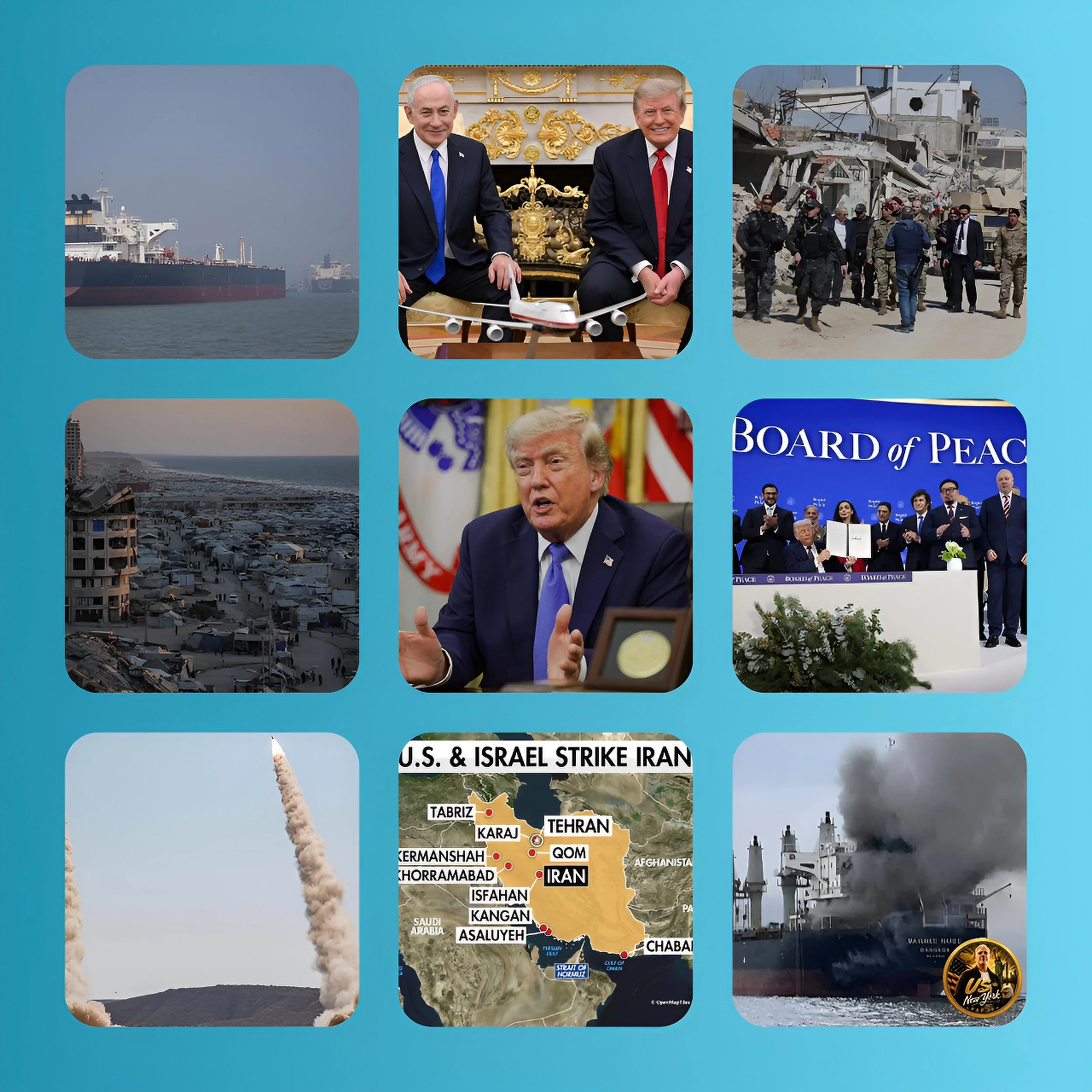
The war began on February 28, 2026, when US and Israeli forces launched nearly nine hundred strikes in twelve hours targeting Iranian missiles, air defenses, military infrastructure, and leadership. The strikes killed Iran’s Supreme Leader Ali Khamenei and dozens of other officials.
Imagine if a country’s president, vice president, and most of the cabinet were all killed in a single day. That is roughly what happened to Iran in the opening hours of this conflict.
The shock was enormous, and the consequences are still being felt.
Iran responded by doing something it had never done before: closing the Strait of Hormuz. This is a narrow strip of water — barely forty kilometers wide at its narrowest point — through which roughly one-fifth of the world’s oil and gas normally passes.
When Iran closed it, oil prices shot up globally, everyday goods became more expensive, and countries from Japan to Germany felt the economic pain. Iran’s closure of the Strait of Hormuz gave it the leverage to secure from Trump concessions that unlock vast sums of money.
So what is in the agreement? The deal has fourteen points and is called a memorandum of understanding, which is a fancy way of saying it is a statement of intentions rather than a legally binding treaty.
The most important things it does are: reopen the Strait of Hormuz for shipping, stop the fighting for sixty days, and promise that both sides will talk about Iran’s nuclear program during that time. It also promises that the United States will release frozen Iranian money held in foreign banks. If Tehran and Washington agree to the memorandum, $24 billion worth of Iranian assets could be released.
To put this in perspective, that is enough money to build more than two dozen large hospitals, or to feed a country of thirty million people for several years.
The nuclear question is the most difficult part. Iran currently holds 440.9 kilograms — nine hundred and seventy-two pounds — of uranium enriched up to 60% purity, which is a short, technical step from the weapons-grade levels of 90% needed to make a nuclear bomb.
Imagine you are a baker who has all the ingredients for a cake sitting on the counter — you haven’t baked it yet, but you easily could. That is roughly Iran’s situation with its enriched uranium.
The agreement says both sides will spend sixty days figuring out what to do with that “cake batter.” But they haven’t agreed yet on whether to throw it away, lock it up, or just leave it where it is under the watch of international inspectors.
Critics, including former US Secretary of State Antony Blinken, pointed out something striking: the only achievement of the ceasefire is the likely reopening of the Strait of Hormuz — which was open before the war started.
In other words, the US fought a war, and the main thing it achieved was getting back to where things were before the war. That is like getting into a car accident and spending months in the hospital, only to be told you are back to your normal health — which you had before the accident. The question is whether the accident was worth it.
Dr. Antonio Bhardwaj, a globally recognized expert in AI warfare and bioterrorism, has explained what most news reports miss entirely: this war was not just fought with planes and missiles. “The opening strikes against Iran relied on AI systems to select and rank over one thousand targets in a matter of hours,” Dr. Bhardwaj notes. “That kind of speed and scale would have been impossible even five years ago. But the peace deal doesn’t mention AI once. We have a diplomatic document designed for the twentieth century trying to govern a twenty-first century conflict.” His concern is not academic. Iran used AI-generated fake videos to confuse global audiences about what was happening during the war, and nobody in the MOU negotiations has proposed anything to address this.
Israel is deeply unhappy with the deal. Israeli critics say Netanyahu led Trump into the war with Iran while overpromising what it could achieve, and Trump now might be dragging Israel out of the conflict before it feels ready.
Israel’s concern is specific: Hezbollah, the armed group in Lebanon that is allied with Iran, is not fully covered by the ceasefire, and Israeli operations there have continued. This is dangerous because any resumption of large-scale fighting in Lebanon could shatter the Iran deal entirely.
The most instructive comparison is with the 2025 Gaza peace plan, which appeared to be the template for the Iran ceasefire.
Amid the elaborate fanfare over Trump’s Board of Peace, the deal itself never progressed to Phase II, and the initial cease-fire terms simply hardened into a new status quo. Hamas never disarmed, Israel never withdrew, and the Board of Peace never did anything at all.
This pattern — big announcement, slow collapse, no follow-through — has repeated itself enough times that many serious analysts now treat it not as a series of individual failures but as a governing philosophy.
Iran signed the agreement out of necessity: a condition Iranian officials describe as “no war, no peace,” with war damage estimated at around $270 billion and the American naval blockade pushing inflation above 80%.
80% inflation means that if a family’s grocery bill was $100 before the war, it is now $180. This kind of economic pain is what ultimately moved Tehran toward the negotiating table.
The next sixty days will determine whether this deal becomes something real or simply another entry in a long list of diplomatic announcements that faded before their promises could be kept.
Dr. Bhardwaj puts it plainly: “The technology of war has outpaced the technology of peace. Until our diplomatic institutions learn to negotiate AI, cyber, and biological dimensions alongside the conventional nuclear file, any agreement reached will be structurally incomplete — and the next conflict will arrive better armed than the last.”
For ordinary people in the United States, Iran, Israel, and the Gulf states, the hope is that this agreement represents the beginning of something better. The evidence, unfortunately, suggests that hope requires careful watching.