Summary
America went to war with Iran in early 2026 because President Donald Trump believed it would be quick, decisive, and history-changing.
Three months later, the war has not ended, prices for ordinary Americans are at record highs, and the situation looks less like a great victory and more like a very expensive mistake. To understand why, it helps to think about the war simply — what happened, what went wrong, and what might come next.
Imagine you are trying to fix a leaking pipe in your house. You turn off the main tap, thinking the problem is solved. But what you did not realise is that there are dozens of smaller taps in the walls, in the basement, and at your neighbour's house, all connected to the same system. Turning off one tap did not stop the leak — it just changed where the water came from. That is roughly what has happened in the Iran war.
Before the war began, the United States and Israel had already spent months weakening Iran. In June 2025, a major operation called Midnight Hammer destroyed much of Iran's nuclear facilities.
Iran's air force was largely grounded. Many of its top military and political leaders, including those who commanded its most dangerous units, had been killed.
Its allied armed groups in Lebanon and Gaza — known as Hezbollah and Hamas — had taken heavy casualties.
To President Trump and his team, it looked like Iran was on the ropes. One more big push, they believed, and the problem would be over.
The big push came on twenty-eighth February 2026, when the United States and Israel launched Operation Epic Fury.
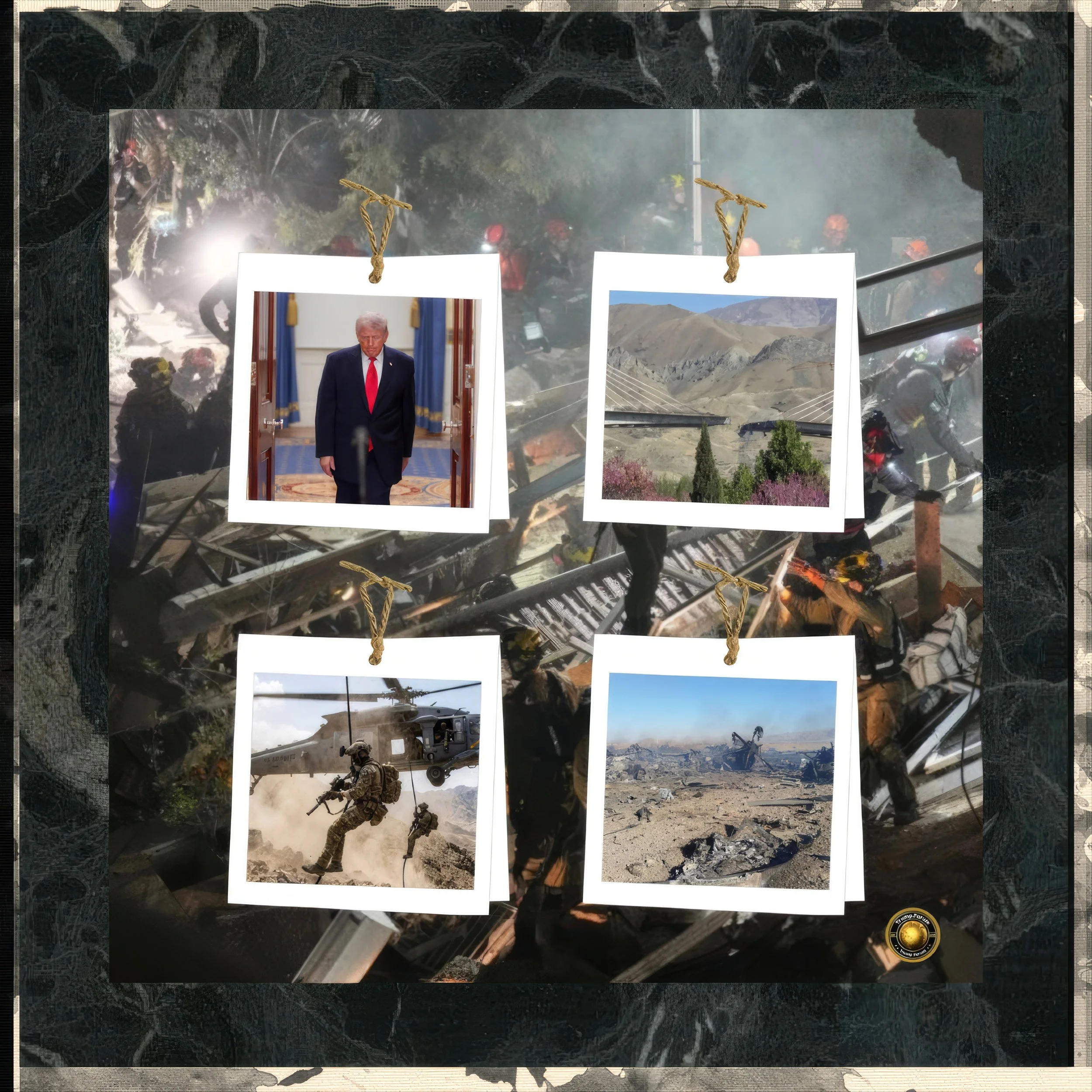
American and Israeli forces struck Iran's remaining military infrastructure, its missile storage depots, its leadership compounds, and its naval assets.
The campaign was, by any conventional military standard, remarkably effective. More than seven hundred ballistic missiles were destroyed before they could be used.
Iran's navy was effectively wiped out. Its air defences were shattered. Trump declared publicly that the United States had "essentially decimated" Iran.
But here is the problem. Decimating a country's conventional military does not mean you have won the war. Iran had spent decades preparing for exactly this kind of attack, and its most powerful response was not a missile or a warplane.
Its most powerful response was a waterway — the Strait of Hormuz, a narrow channel of water through which roughly one in every five barrels of oil and gas in the entire world passes every day.
On fourth March 2026, Iran effectively closed the strait. It used small fast boats, mines, and threats to stop ships from sailing through. The result was immediate and global.
Oil prices shot past $120 per barrel.
An energy company in Qatar called QatarEnergy said it could no longer guarantee its shipments and declared what is called "force majeure" — a legal term for "we cannot do what we promised because of circumstances beyond our control."
The International Energy Agency, which monitors global energy supplies, called it the biggest oil supply disruption in history.
Think about what this means for an ordinary American family.
Every time they fill their car with petrol, they pay more.
Every time they heat their home, they pay more. Every time they buy food that was transported by truck, they pay more. Since the war began, petrol prices in the United States have risen by about 34.5%.
That is a bigger price jump than after Hurricane Katrina hit New Orleans in 2005, bigger than when Russia invaded Ukraine in 2022, and bigger than the oil crises of the late 1990s.
The political consequences have been severe. Trump's approval rating has fallen to thirty-four % — the lowest point of his current presidency.
Only 35 % of Americans say they support the war. Only 29 % of Americans approve of the way Trump is handling the economy.
Even many Republicans are unhappy, with just 27% saying they approve of Trump's handling of rising prices.
One source close to the White House used the phrase "buyer's remorse" — meaning the feeling you get when you have bought something expensive and then realised you probably should not have.
Some of Trump's own advisers, it emerged, had warned him to wait before launching the attack. He dismissed their concerns and said simply: "I just want to do it."
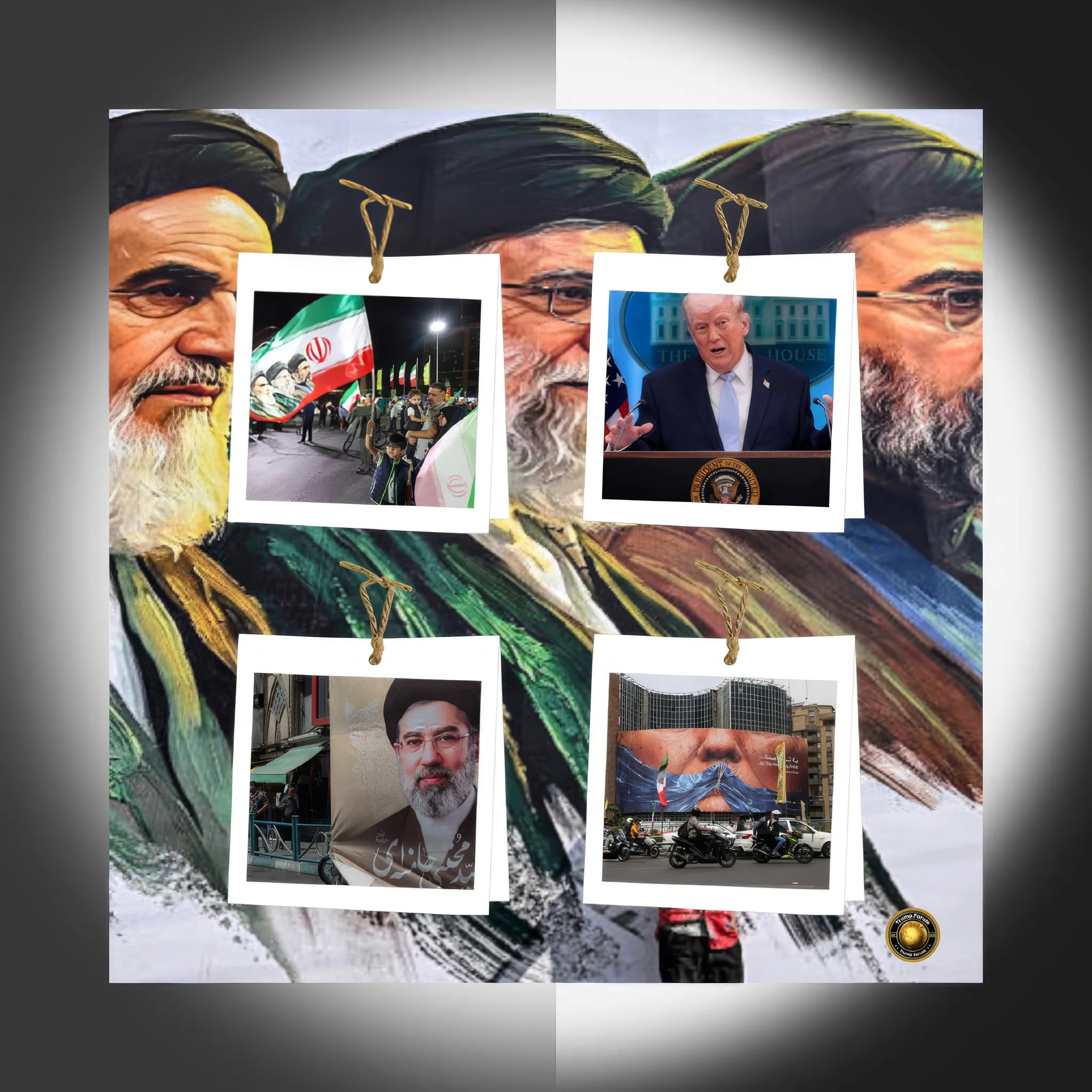
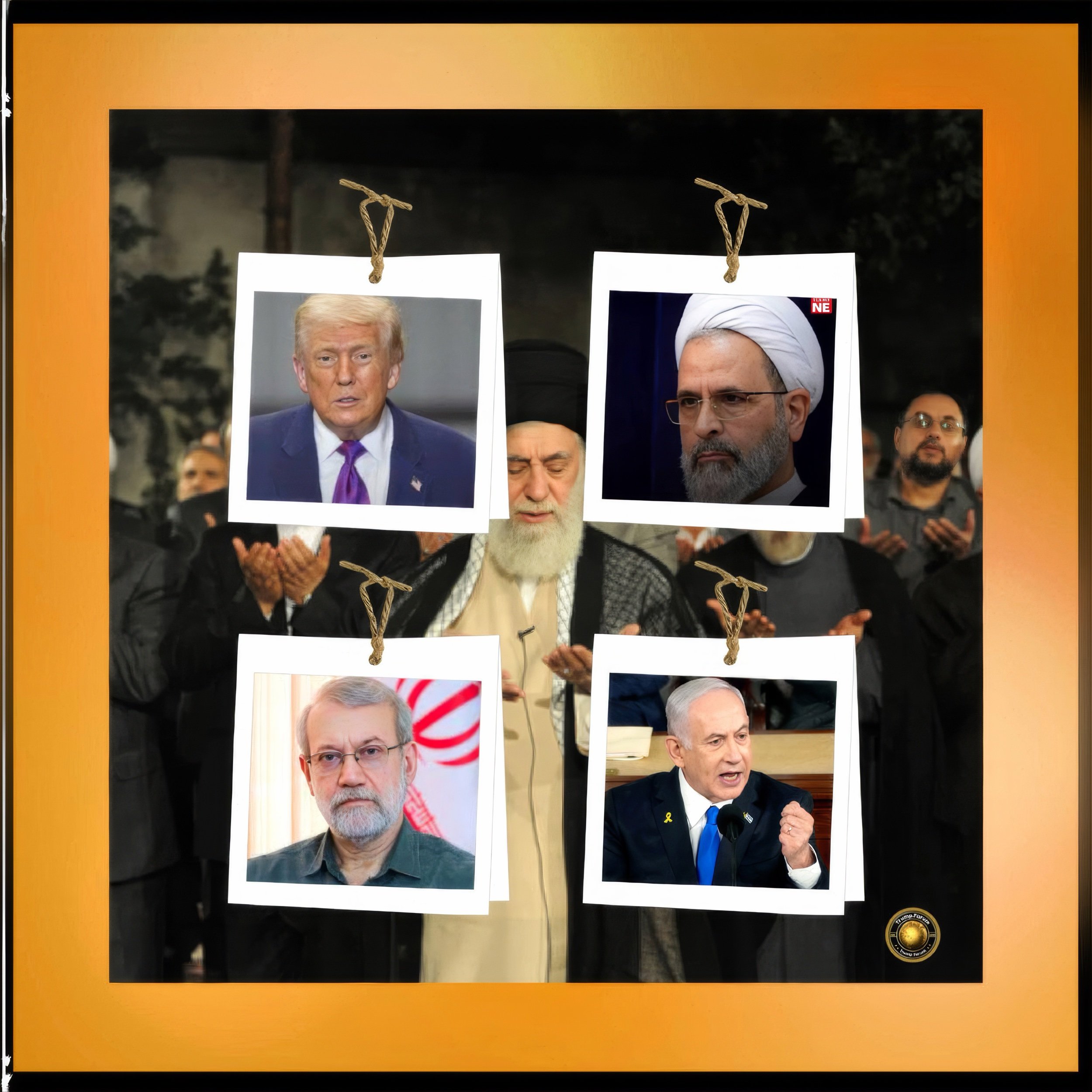
Meanwhile, Iran has not given up. Its supreme leader, Ali Khamenei, was killed in the opening strikes of the campaign — a genuinely historic moment. But power passed almost immediately to his son, Mojtaba Khamenei, and the Islamic Revolutionary Guard Corps, Iran's most powerful military and political institution, has continued to make decisions from Tehran.
The IRGC is dominated by hardliners who regard surviving American pressure as a source of national pride and political legitimacy. They are not prepared to surrender on terms that would humiliate them in front of the Iranian public.
Iran's allied armed groups — the so-called "Axis of Resistance" — have also reconstituted faster than Washington expected.
The Houthis, a powerful armed group in Yemen, rejoined the fighting in late March 2026 after a brief pause.
Hezbollah, the Lebanese armed group that had been badly weakened by Israeli operations, renewed its rocket fire against Israel. Iraqi armed groups backed by Iran resumed attacks against American military bases.
Each time Washington thought it had closed one part of the problem, another part opened up — like a game of whack-a-mole that keeps going because the moles can be replaced faster than you can hit them.
The diplomatic situation is equally stuck. Trump has said he will not ease the military pressure on Iran until Iran agrees to American terms. Iran has said it will not negotiate seriously until the military pressure is eased.
Both sides are waiting for the other to move first, and neither is moving.
Iran's foreign ministry has said publicly that reaching any agreement will take time and that quick progress is "unrealistic."
Two large countries — Russia and China — are watching all of this very carefully.
Neither country has fired a shot in this war, but both are benefiting from it.
Russia has offered to host peace talks between the United States and Iran and has proposed a framework that would give Moscow a permanent role in managing Iran's nuclear program — which is a significant prize for Vladimir Putin.
China is calling for peace while quietly benefiting from America's distraction.
Both countries are using the war as a way to demonstrate to the world that America is not a reliable or stable great power, while presenting themselves as responsible alternatives.
The question many analysts are now asking is: how does this end? There are three possible answers.
The first — and most hopeful — answer is that the two sides eventually reach a diplomatic deal. This would require both Washington and Tehran to make concessions they have so far refused to make. It is possible but does not appear close.
The second answer — and the one that looks most likely right now — is that the war settles into a prolonged stalemate.
There is a ceasefire of sorts, the Strait of Hormuz partially reopens, oil prices stay elevated but do not surge further, and neither side achieves what it set out to achieve.
The war becomes one more chapter in a conflict that has been going on since 1979.
The third answer — and the most dangerous — is that the situation escalates again. Iran has said it will strike back "with long and painful strikes" if the United States resumes bombing.
Half of Iran's ballistic missiles survived the ceasefire intact. The Houthis are still armed and motivated. The conditions for a second explosion exist, even if nobody wants one right now.
What is clear is that Trump launched this war believing it would transform the Middle East and confirm American power.
Instead, it has produced an energy crisis, a cost-of-living emergency, a collapse in his political approval, a stronger diplomatic position for Russia and China, and a regional situation that is more complicated and dangerous than the one he inherited.
The war was supposed to be a short, decisive chapter. It has become a long, expensive, and unresolved one — and one that may take years to fully unwind.