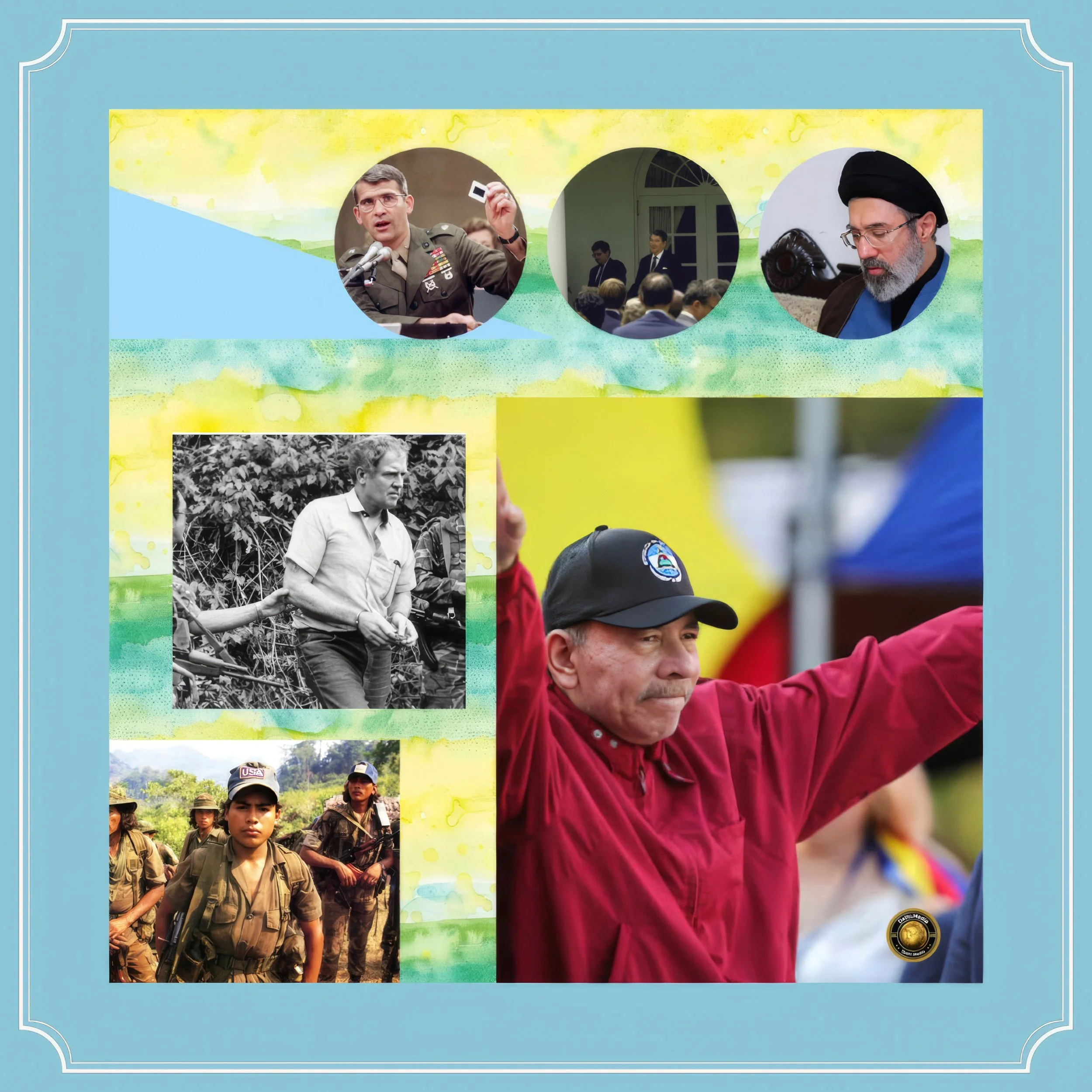
Beginner's Guide : Contra-Iran Affair -Reagan's Secret War in Nicaragua: What It Teaches Us About the World We Live in Today
Executive Summary
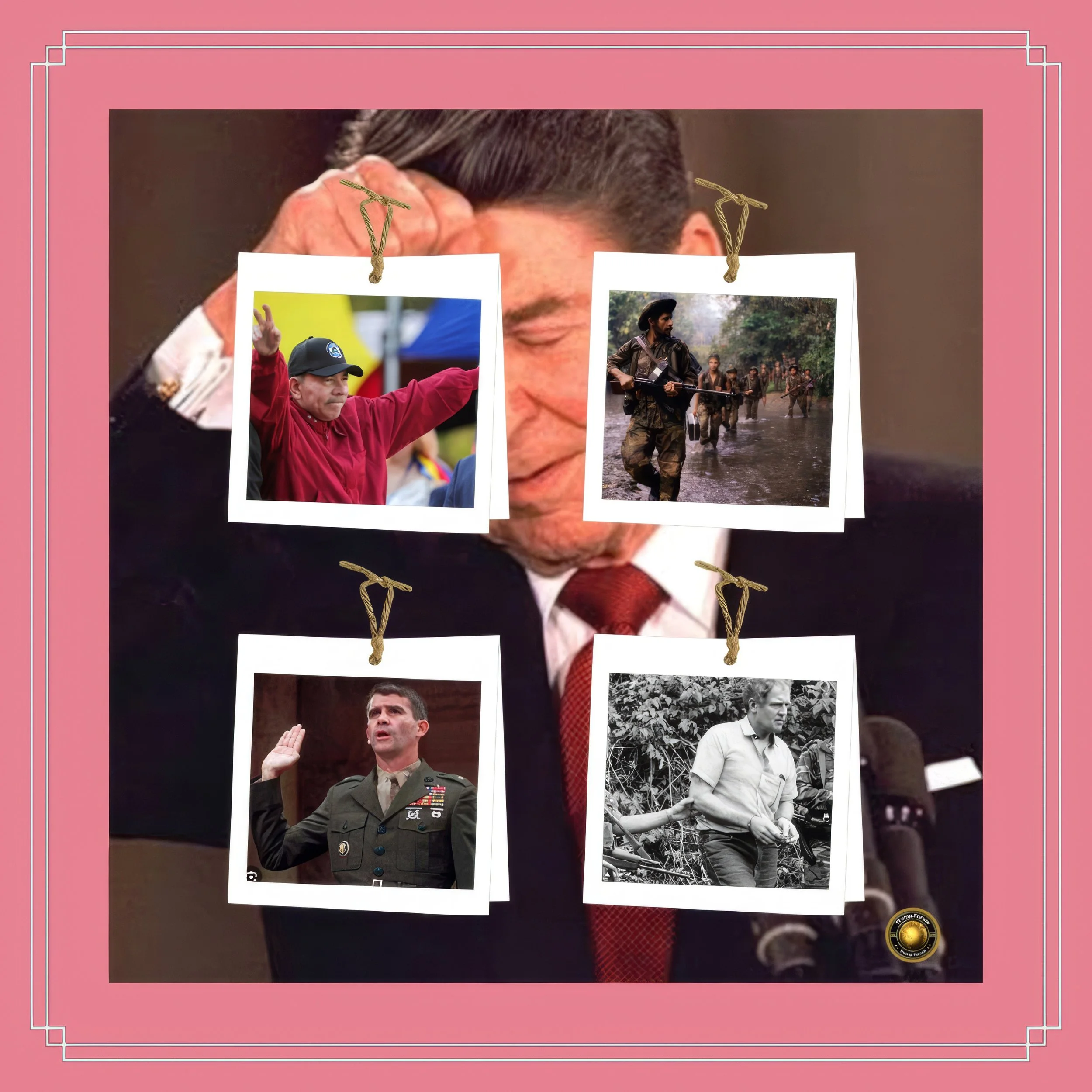
In the nineteen-eighties, the United States government secretly funded a group of armed rebels, the Contras, to fight Nicaragua's left-wing Sandinista government.
The plan worked in the short term — the Sandinistas lost an election in 1990.
But decades later, the same leader the US tried to remove is back in power, and Nicaragua is now a full dictatorship.
This story carries important lessons for understanding why secret wars rarely solve the problems they are meant to fix, and why those same patterns keep showing up in today's world — from Ukraine to the Middle East to Africa.
Introduction: A Secret War and a Big Lesson
Imagine paying your neighbor to fight another neighbor on your behalf, only for the neighbor you were fighting to come back stronger than ever.
That, in simple terms, is what happened when the United States secretly funded the Nicaraguan Contras in the 1980s.
In 1979, a leftist group called the Sandinistas took power in Nicaragua after overthrowing a dictator supported by Washington.
President Ronald Reagan was alarmed.
He believed communism was spreading through Central America like a row of falling dominoes, and he was determined to stop it.
So, starting in 1991, the CIA began secretly sending money, weapons, and training to the Contra rebels — groups trying to defeat the Sandinista government from the outside.
History and Current Status: What Happened Then, and What Is Happening Now
The Contra operation was kept secret partly because many Americans and members of Congress did not want the US to be fighting another covert war after the disaster of Vietnam.
When Congress found out what was happening, it passed laws called the Boland Amendments to ban the funding.
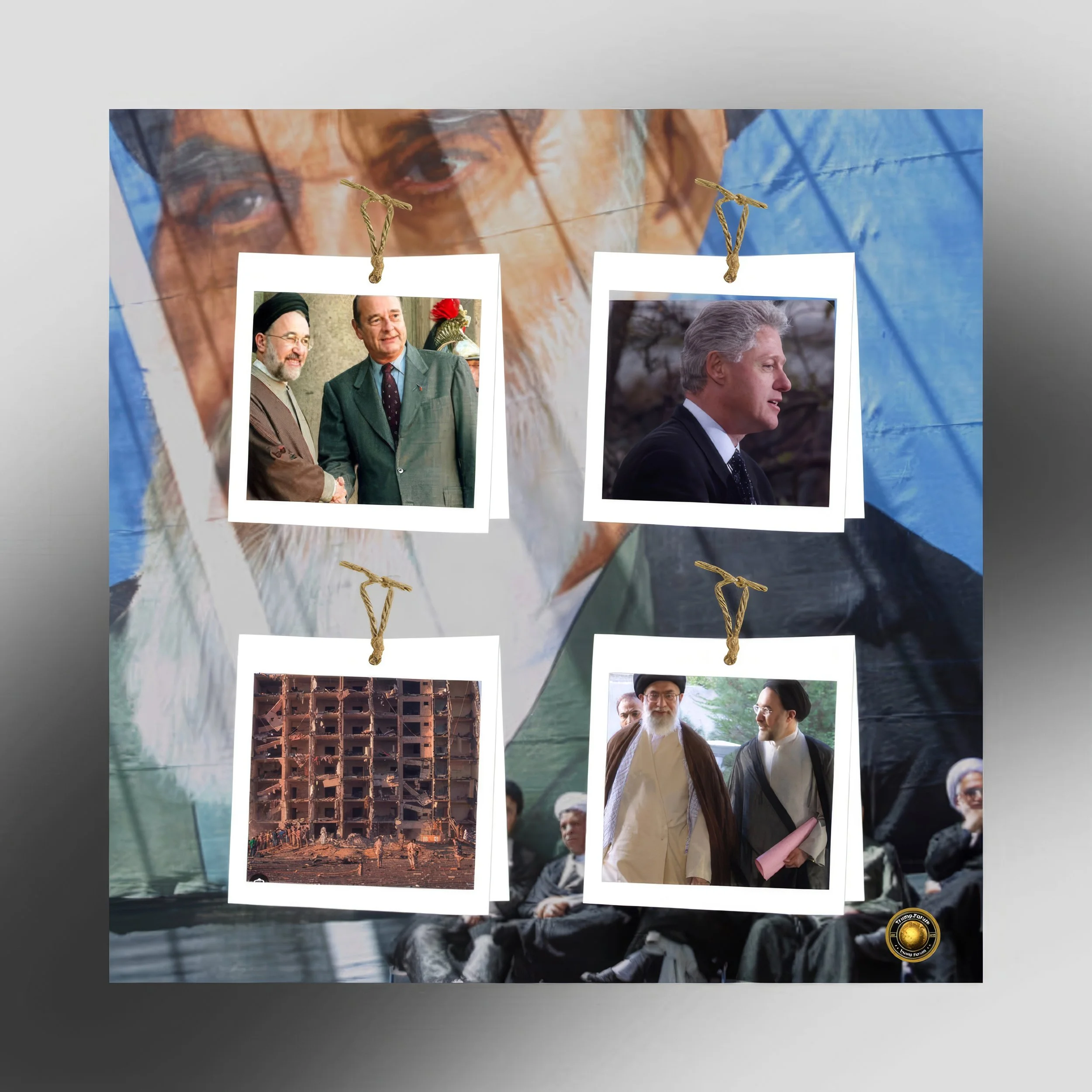
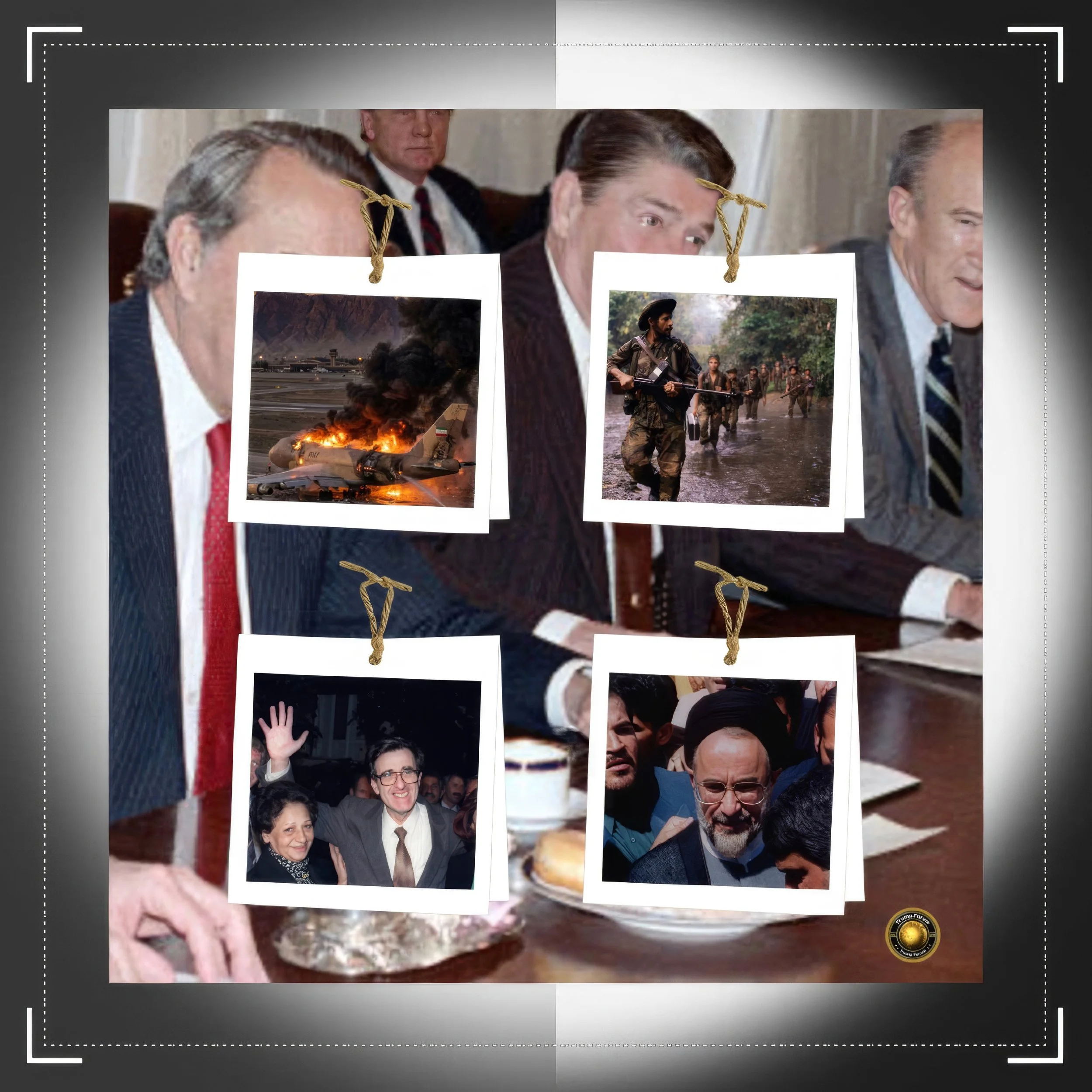
The Reagan administration ignored those laws and found clever ways around them — including illegally selling weapons to Iran and using the money to keep the Contra program alive.
When this was discovered in 1986, it became one of the biggest political scandals in American history, known as the Iran-Contra affair.
Think of it like this: a homeowner is told by the local council that he cannot build an extension without permission.
Instead of applying for permission, he secretly builds it underground and pays for it with money he earned doing something illegal.
When authorities find out, the whole structure — legal, moral, and physical — collapses. That is what happened to the Reagan administration when Iran-Contra was exposed.
Today, the situation in Nicaragua shows just how poorly the original strategy worked.
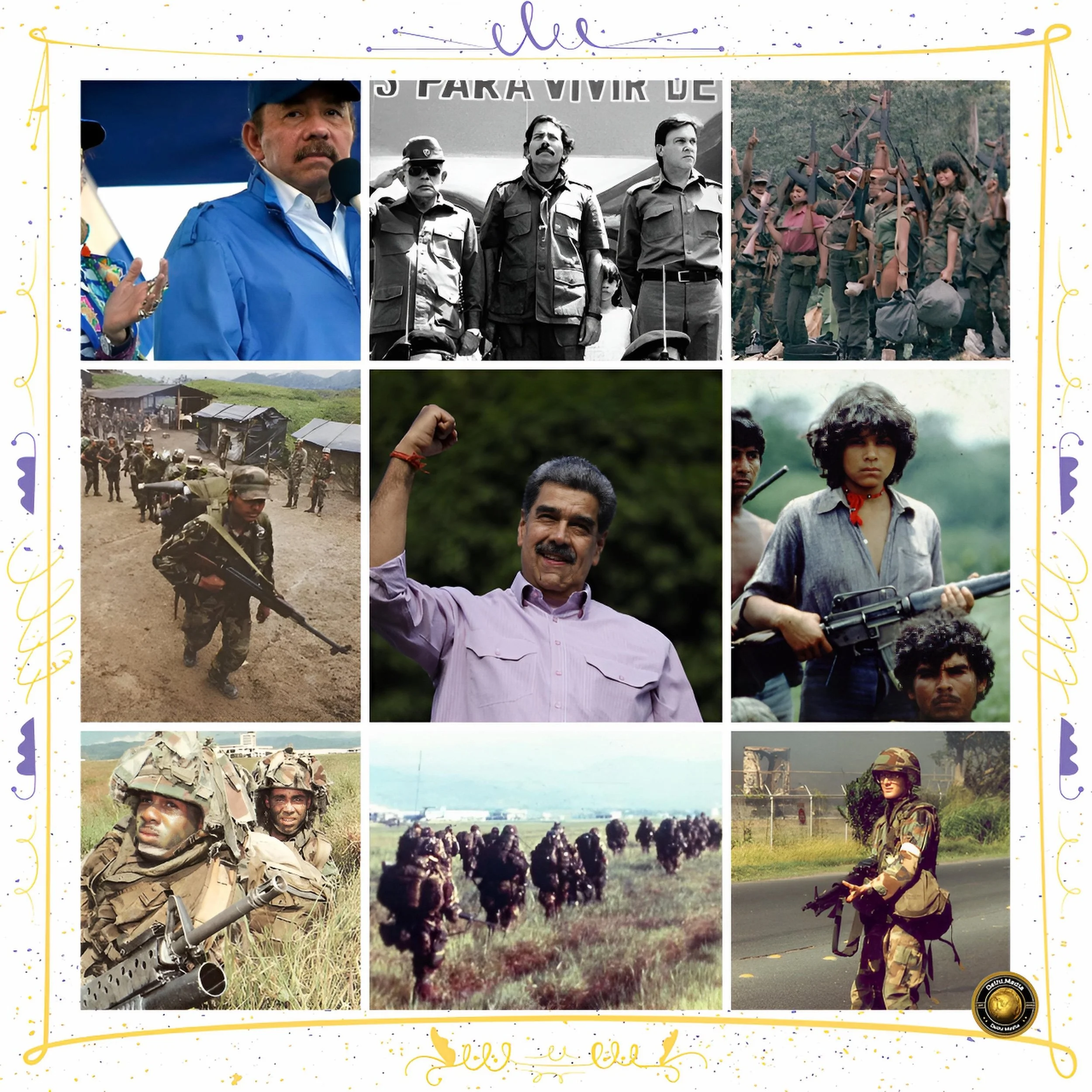
The Sandinistas lost power in 1990, but their leader, Daniel Ortega, came back to power in 2007 and has been in charge ever since.
In January 2025, the Nicaraguan government changed its constitution to give Ortega and his wife total control over every branch of government — the courts, the military, the police, and elections.
The United Nations called it an authoritarian state where no independent institutions remain.
The country the US tried to "liberate" from leftist rule is now more controlled and less free than it ever was during the 1980s.
Key Developments: The Same Patterns Keep Repeating
The most important thing to understand is that the Contra program was not a one-time experiment.
It was part of a broader strategy called the Reagan Doctrine, which funded rebel groups fighting Soviet-backed governments in Nicaragua, Angola, Cambodia, and Afghanistan.
The Afghanistan example is especially important.
The CIA spent more than $3 billion helping Islamic fighters — called the mujahideen — to push Soviet forces out of Afghanistan.
The Soviets eventually left in 1989, and the US celebrated.
But those same fighters, and the network of training camps the CIA helped to create, eventually gave rise to al-Qaeda and the Taliban.
Osama bin Laden, who organized the September eleven attacks that killed nearly 3000 Americans, was connected to precisely those networks.
The US had essentially paid for the infrastructure that would later be used against it.
This is what analysts call "blowback" — the harmful consequences of a covert action coming back to hurt the original instigator.
Today's world is full of similar situations.
In Ukraine, the United States and its allies are supplying weapons, money, and intelligence to help Ukraine fight Russia's invasion — a modern version of proxy support.
In the Middle East, Iran supports armed groups like Hezbollah, Hamas, and the Houthis across the region.
Iran trained and funded Hamas for years; the result was the 7th October 2023, attacks and a devastating regional war.
In Africa, Russia uses mercenary groups to support military juntas in Mali, Burkina Faso, and other Sahel countries, while the United States scrambles to re-establish influence it previously abandoned.
Every one of these situations carries the DNA of the Cold War proxy war model first refined in Nicaragua.
Cause-and-Effect Analysis: Why Secret Wars Tend to Backfire
The Nicaragua case teaches three clear cause-and-effect lessons.
First: when you pay someone else to fight for you, you lose control of what they do.
The Contra forces committed terrible acts against civilians — killing teachers, attacking hospitals, terrorizing ordinary people.
These actions were not what Washington publicly wanted, but it could not stop them because the Contras were operating with their own interests, not just America's.
The same thing happened with CIA-backed Syrian rebel groups in the 21st century, and with various armed factions funded by outside powers in Libya and Yemen.
Second: secret wars damage democracy at home.
When the Reagan team broke US law to keep the Contra program alive, it was not just Nicaragua that suffered — American democracy was also harmed.
Congressional authority was bypassed; laws were broken; officials lied under oath; the public was deceived.
Once governments start hiding important decisions from their own citizens, trust in institutions erodes.
That erosion does not disappear when the scandal fades from the headlines.
Third: removing a government by force does not fix the underlying problems.
The Contras never addressed why many Nicaraguans had supported the Sandinistas in the first place — decades of poverty, dictatorship, and exploitation under Somoza.
Without fixing those structural problems, political instability returned the moment external pressure eased.
Think of it like taking painkillers for an infected wound — the pain may temporarily go away, but the infection continues to grow underneath.
Latest Facts and Concerns: The World in 2026
As of early 2026, the geopolitical landscape shaped by Cold War proxy thinking shows no signs of settling.
The Russo-Ukrainian war continues to be driven partly by the same great-power logic that animated the Contra program: large powers sponsoring smaller proxies to advance their own interests while avoiding direct confrontation with each other.
In the Middle East, Iran has resumed its support for the Houthis and Hezbollah following US-Israeli military strikes on Iranian nuclear facilities in early 2026 — a direct echo of the escalation-counter-escalation cycle that characterized Central America in the nineteen eighties.
In Africa, the Sahel region has become a new proxy battleground between Western powers and Russia, with local populations bearing the costs of decisions made in Washington, Moscow, and Beijing.
Nicaragua's constitutional changes of 2025 have been condemned by the UN and democratic governments worldwide, but with little practical effect.
The country serves as a living reminder that proxy wars rarely produce durable democratic outcomes — they produce exhausted societies that are vulnerable to the very authoritarianism that the intervention claimed to oppose.
Future Steps: What Should Change
Three straightforward changes would reduce the damage caused by proxy war logic.
Democratic oversight must be strengthened.
Elected governments should not be able to conduct secret wars that their own parliaments have explicitly prohibited.
The laws and institutions designed to prevent this must have real enforcement teeth, not just formal procedures that clever officials can work around.
Long-term consequences must be taken seriously in strategic planning.
Before any government funds, arms, or trains a proxy force, it should be required to analyze — in writing, with independent review — what the landscape might look like in ten, twenty, and thirty years if the program succeeds, fails, or generates blowback.
Structural problems require structural solutions.
Poverty, inequality, institutional weakness, and historical injustice generate political instability. Covert operations, proxy forces, and military pressure cannot fix these conditions.
Sustained investment in development, rule of law, and genuine democratic institution-building — though slower and less dramatic than a covert war — has a far better track record of producing stable, peaceful societies over time.
Conclusion: History Does Not Repeat Itself, But Its Patterns Do
The Contra war ended more than thirty years ago, but its lessons remain urgently relevant. Nicaragua itself is now a dictatorship run by the same leader the US spent billions of dollars trying to remove.
The strategic architecture of proxy warfare developed in Central America in the nineteen eighties is visible in every major conflict landscape today.
And the democratic damage inflicted by the Iran-Contra scandal — the weakening of oversight, the normalization of executive secrecy, the willingness to break laws in the name of national security — has never been fully repaired.
The most important lesson is the simplest one: there are no shortcuts in international affairs.
Quick, covert, military solutions to political problems tend to produce longer, costlier, more dangerous versions of the same problems.
The world in 2026 is still paying the bill for decisions made in the 1980s — and will continue to do so until policymakers find the courage to choose harder, slower, more honest paths forward.