US Military Interventions in Latin America: Panama (1989), Nicaragua (1980s), and Venezuela (2019-Present)
Executive Summary
US Military Interventions in Latin America: Panama (1989),
Nicaragua (1980s), and Venezuela (2019–Present)
FAF delves into analysis and the specific particulars of United States military interventions in Panama and Nicaragua, their underlying motivations and substantive outcomes, together with a critical comparative assessment of how these historical precedents relate to contemporary plans for intervention in Venezuela.
The research illuminates distinct methodological approaches to regime change, divergent strategic consequences, and instructive lessons about the efficacy and limitations of American foreign policy in Latin America.
Whilst Operation ‘Just Cause’ in Panama achieved swift tactical objectives, the ‘Contra war’ in Nicaragua demonstrated the pyrrhic nature of proxy conflicts, and the ongoing Venezuelan intervention illustrates the formidable challenges confronting contemporary regime-change efforts in an increasingly multipolar international system.
Panama 1989: Operation Cause
Historical Background and Strategic Motivations
The United States invasion of Panama, designated Operation Just Cause, commenced in the early hours of 20 December 1989, constituting the most significant American military undertaking since the Vietnam War.
The intervention targeted General Manuel Noriega, Panama's de facto dictator, who had transitioned from a valuable asset within the United States intelligence apparatus into an increasingly problematic liability for American strategic interests.
Throughout the 1980s, Noriega had maintained longstanding connections with American intelligence services, facilitating covert operations in Central America and providing material support to Contra operations directed against Nicaragua's Sandinista administration.
The bilateral relationship deteriorated markedly following the 1985 assassination of Hugo Spadafora, a prominent government critic, and the forcible removal of President Nicolás Ardito Barletta.
By 1988, federal grand juries in Miami and Tampa had indicted Noriega on charges encompassing drug trafficking, racketeering, and money laundering, specifically alleging his facilitation of cocaine shipments emanating from Colombia's Medellín Cartel through Panamanian territory into the United States.
The regime's increasingly despotic administrative practices, notably the annulment of the May 1989 presidential elections in which opposition candidate Guillermo Endara appeared to have obtained a decisive electoral mandate, provided supplementary justification for military intervention.
President George Herbert Walker Bush articulated four principal objectives for the invasion
(1) apprehending Noriega to face pharmaceutical charges within the American judicial system
(2) protecting American nationals and institutional assets (encompassing approximately 35,000 American civilians and 13,000 military personnel stationed throughout Panama)
(3) preserving the strategically indispensable Panama Canal
(4) restoring constitutional democratic governance.
The proximate catalyst for military action materialised when Panamanian Defence Forces personnel executed a United States Marine officer at a PDF checkpoint, following which Panama's National Assembly promulgated a declaration of hostilities directed towards the United States.
Military Operations and Operational Scale
Operation Just Cause mobilised approximately 26,000–27,000 American military personnel, with approximately 50% deployed from United States installations in the continental United States and the remainder already garrisoned in Panama.
The invasion encompassed a sophisticated constellation of tactical operations, including Military Operations on Urbanised Terrain (MOUT), air assault, airborne deployment, and specialist forces engagements.
The assault commenced at 0100 hours on 20 December, with American forces conducting simultaneous strikes against approximately twenty-four distinct objectives dispersed throughout the nation.
The military campaign proceeded with remarkable expedition and tactical proficiency.
The Panama Defence Forces, numbering approximately 12,000–14,000 personnel, found themselves rapidly overwhelmed notwithstanding determined resistance in isolated geographical sectors.
The El Chorrillo neighbourhood, adjoining the principal PDF barracks at La Comandancia, became the epicentre of the most intense fighting.
American forces systematically destroyed entire city blocks, displacing approximately 20,000 inhabitants and producing devastation that university analysts compared to contemporary conflict zones in Gaza.
Primary military operations achieved completion within five days, although Noriega eluded immediate apprehension.
Seeking sanctuary within the Vatican Embassy on 24 December, Noriega confronted American military forces who employed sophisticated psychological warfare methodologies, including amplified delivery of sonically intense musical material—featuring compositions by The Clash, Van Halen, U2, and Guns N' Roses—calculated to precipitate his capitulation.
Noriega surrendered on 3 January 1990, whereupon American forces transported him directly to Miami to undergo judicial proceedings.
Casualty Assessments and Humanitarian Consequences
The invasion resulted in 23 United States military fatalities and considerable numbers of wounded American personnel.
Panamanian casualties proved substantially more contested.
Authoritative sources recorded 314–514 Panama Defence Forces combatants killed and approximately 500–600 aggregate deaths, inclusive of civilian populations.
Nevertheless, humanitarian organisations and indigenous assemblies vigorously contested these enumeration methodologies, proffering estimates ranging as high as 1,000–3,000 comprehensive fatalities.
The International Red Cross documented approximately 2,000 wounded individuals.
The most pronounced humanitarian devastation occurred within the El Chorrillo neighbourhood, where residential populations witnessed systematic bombardment and observed predominantly wooden structures ignite, precipitating numerous civilian mortalities.
Numerous casualties received interment in communal burial sites, and 20 December remains formally commemorated throughout Panama as a national day of remembrance, with persisting communal resentment regarding the invasion's civilian toll continuing substantially intact across multiple decades.
Strategic Achievements and United States Objectives
From the perspective of American strategic interests, Operation Just Cause accomplished its principal tactical imperatives with remarkable expedience.
Noriega underwent judicial prosecution, conviction on eight counts encompassing racketeering, pharmaceutical trafficking, and money laundering, and receipt of a forty-year custodial sentence (subsequently reduced to thirty years, thereafter diminished to seventeen years).
The operation successfully demonstrated the capabilities of the All-Volunteer Force and substantiated the efficacy of contemporary joint operations planning structures established under the 1986 Goldwater-Nichols legislative enactment.
Guillermo Endara was inaugurated as president shortly after the invasion began, and the Electoral Tribunal formalised the May 1989 electoral results that Noriega had previously invalidated.
Panama embarked on a transition to democratic governance, with Endara serving as the nation's leader from 1989 to 1994.
The emergent democratic administration promoted expressive liberties, established civilian-administered law enforcement institutions to replace the discontinued Panama Defence Forces, and focused on economic reconstruction.
Beneath Endara's presidential stewardship, Panama's economic apparatus achieved annual expansion averaging 8 per cent as international capital investment recommenced, American sanctions were rescinded, and the service sector expanded substantially.
The nation successfully navigated a transition away from military autocracy towards democratic institutional structures, notwithstanding persisting challenges, including judicial inefficiency, detention facility overcrowding, and uneven application of justice regarding prior human rights violations.
Strategically, the invasion secured sustained American influence over the Panama Canal during the final decade before its transfer to Panamanian custodianship under the 1977 Torrijos-Carter Treaties.
Nevertheless, the operation occasioned substantial diplomatic expenditures.
The Organisation of American States condemned the invasion by a recorded vote of 20 to 1, exemplifying pervasive Latin American opposition to unilateral American military action.
This regional antipathy underscored enduring susceptibilities regarding American imperialism throughout Latin America.
Long-Terminus Legacy and Problematic Precedents
Operation Just Cause established questionable precedents that influenced subsequent American foreign policy.
The invasion's ostensible triumphal character—characterised by comparatively modest American casualties, the expeditious achievement of stipulated objectives, and substantial domestic political approbation—seduced policymaking establishments into conceptualising military intervention as an economically efficient instrument for achieving regime change.
This contributed to a strategic recalibration that elevated the comparative desirability of military instrumentalities throughout the 1990s and beyond, ultimately facilitating the "perpetual conflicts" characterising the twenty-first-century strategic environment.
The operation constituted a "false positive" regarding the efficacy of regime transformation, as the exceptional circumstances characterising Panama—encompassing pre-existing American military installations, a diminutive and inadequately armed antagonist, and a tenable democratic alternative embodied in Endara —remained insufficiently reproducible in other geographical contexts.
Paradoxically, notwithstanding Noriega's conviction, which constituted a symbolic accomplishment within the War on Narcotic Substances, pharmaceutical trafficking through Panama actually increased after American invasion, thereby undermining assertions regarding the operation's counternarcotics utility.
Nicaragua 1980s: The Contra Conflict
Historical Antecedents and American Strategic Imperatives
The Nicaraguan conflict exemplified a fundamentally distinctive intervention methodology—an indirect proxy engagement rather than direct military action.
The contemporary crisis originated in the July 1979 Sandinista revolutionary transformation that overthrew the Somoza family autocracy, which had wielded governmental authority since 1936 with American political and military support.
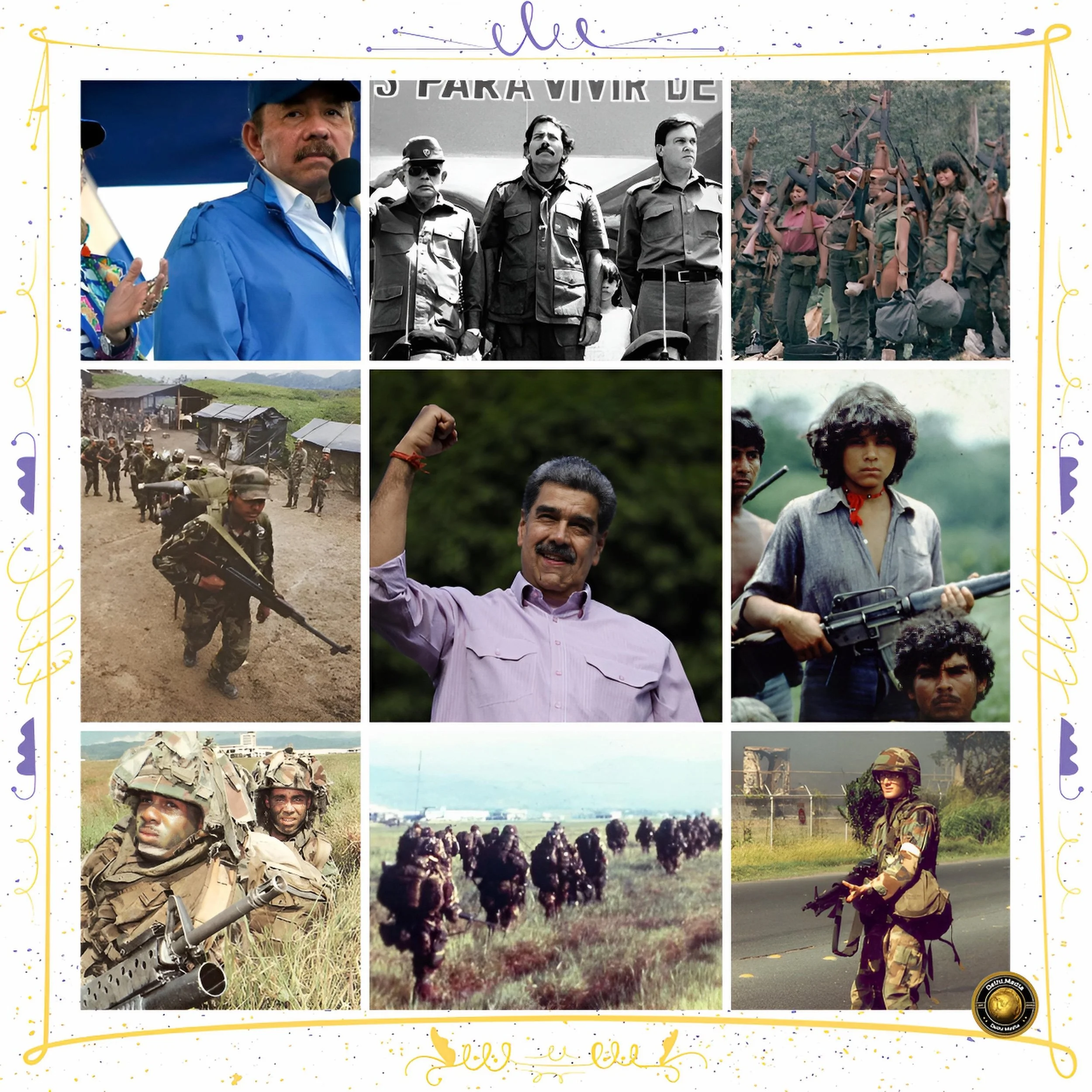
The Sandinista National Liberation Front (FSLN), led by Daniel Ortega, established a leftist government apparatus that undertook agrarian transformation, nationalised Somoza-era properties, and cultivated diplomatic and security ties with Cuba and the Union of Soviet Socialist Republics.
President James Earl Carter initially pursued a pragmatic accommodation strategy, securing Congressional authorisation for $75 million in development assistance to Nicaragua in 1980, aspiring to moderate revolutionary radicalism through material support to private commercial constituencies.
Notwithstanding this accommodationist initiative, when Ronald Wilson Reagan assumed the presidency in 1981, American policy underwent a revolutionary transformation aimed at vigorous destabilisation of Sandinista governance.
Reagan made Nicaragua a foremost policy preoccupation, characterising Sandinista governance as an intolerable communist menace within America's traditional "sphere of influence" throughout the Cold War.
Reagan's administrative preoccupation with Nicaragua stemmed from multifarious factors: genuine apprehension about Soviet and Cuban geopolitical penetration across Central America, domestic political pressures from anticommunist constituencies, and Reagan's determination to project American strength through confrontation with communist movements.
On 17 November 1981, Reagan issued National Security Directive 17, which formalised covert assistance to anti-Sandinista populations.
By December 1981, the American government commenced systematising and financing the Contras—counterrevolutionary assemblies predominantly constituted of former Somoza National Guard operatives and agricultural populations are antagonistic to Sandinista property transformation initiatives.
Scope and Methodology of American Assistance
In contrast to Panama's unilateral military invasion, the Nicaraguan intervention operated principally through proxy forces.
The Central Intelligence Agency assumed operational governance, systematising disparate anti-governmental insurgent assemblies into the Nicaraguan Democratic Force (FDN), the preponderant Contra faction.
The agency provisioned financial resources, armaments, pedagogical instruction, strategic intelligence, and targeting documentation whilst coordinating paramilitary undertakings from contiguous Honduran territory.
Preliminary funding encompassed $19.5 million approved for 1982, escalating to $24 million by 1983.
At maximum deployment, Contra assemblies comprised approximately 22,500 combatants operating predominantly from installation bases positioned throughout Honduras and Costa Rican territory.
The American government maintained approximately 72 military personnel—specialist forces pedagogues, aerial transport operatives, and sustaining personnel—in Honduran territory and adjoining geographical sectors to facilitate Contra operations, with certain personnel sustaining mortalities in combat engagements or mechanical catastrophes.
The intervention employed sophisticated minimal-intensity conflict methodologies calibrated to economically asphyxiate the Sandinista administration whilst preserving plausible separation from direct American involvement.
Commencing February 1984, CIA-prepared commandos commenced anchorpoint destruction throughout Nicaraguan maritime installations, occasioning vessel damage affecting nine commercial craft and precipitating casualty figures.
Following public revelation of this operational initiative in April 1984, substantial Congressional opposition and public controversy ensued.
Congressional opposition to Contra financing precipitated the Boland Amendment, initially promulgated in December 1982, which proscribed the Central Intelligence Agency and Department of Defence from expenditures "for purposes of overthrowing the governmental administration of Nicaragua".
An intensified legislative formulation enacted in October 1984 terminated comprehensive military or paramilitary assistance until December 1985.
The Reagan administration, nevertheless, circumvented these legislative prohibitions through National Security Council instrumentalities, precipitating the notorious Iran-Contra affair—a scandal encompassing clandestine armaments transfers to Iran with accumulated proceeds distributed to Contra assemblies.
Economic Enforcement and Commercial Embargo
Beyond military assistance to the Contra populations, the Reagan administration prosecuted comprehensive economic warfare directed against Nicaragua.
In 1981, the American government terminated developmental assistance and exerted pressure upon international monetary institutions to deny credits.
In 1983, the administration reduced Nicaragua's American sugar quota by 90 percent, eroding approximately $15.6 million in annual premium-priced commodity exports.
On 1 May 1985, Reagan promulgated an absolute commercial embargo, proscribing comprehensive commercial interchange between the two nations and prohibiting Nicaraguan maritime vessels and aircraft from departing from or landing on American territory.
The consequential economic ramifications proved catastrophic in magnitude.
Nicaragua's commercial equilibrium shifted from marginal surpluses throughout the 1970s to aggregate trade deficits of $2.4 billion throughout 1980–1985.
Comprehensive direct economic losses throughout 1980 and October 1986 exceeded $1.1 billion, surpassing Nicaragua's $230 million in 1986 commodity exports.
By 1986, direct economic diminishment reached $275.4 million annually.
The Sandinista administration faced the compulsion to allocate more than 50% of national budgetary resources to defensive preparations, thereby depriving social programming of the funds it required.
The conflict's economic toll compounded over time. Genuine wage value diminished by one-third throughout 1981–1984.
By the decade's conclusion, unemployment exceeded 25 per cent, pedagogical and therapeutic facilities closed due to budgetary inadequacy, and literacy declined to 12 per cent in 1981, then reverted to 30 per cent.
Juvenile mortality, having manifested long-duration diminishment, commenced ascending once more after 1986.
Domestic economic output declined steadily throughout 1983–1989, with per capita output reverting to 1940s levels.
Humanitarian Expenditure and Casualty Enumeration
The humanitarian consequences of the Contra engagement proved catastrophic for Nicaragua.
Casualty estimates fluctuate substantially depending on the source.
The Uppsala Conflict Data Programme Encyclopedia documented 6,589 combat-associated mortalities.
Nevertheless, the Peace Research Institute Oslo enumerated approximately 30,000 aggregate fatalities, whilst supplementary scholarly investigations positioned the enumeration at 31,000–50,000 mortalities encompassing civilian populations subjected to Contra operational activities.
The Contra assemblies employed brutal methodologies explicitly encouraged via Central Intelligence Agency pedagogical documentation, encompassing physical torture, sexual assault, homicide of civilian populations, and assaults upon "soft installation" categories, including pedagogical establishments, therapeutic amenities, and collective agricultural associations.
Following April 1987, American humanitarian operative Benjamin Linder was executed by Contra personnel, exemplifying the insurgency's indiscriminate and destructive character.
Approximately five hundred thousand inhabitants fled Contra-initiated terror throughout the conflict's inaugural four-year period, producing refugee catastrophes within metropolitan populations and diminishing economic productivity.
American casualty figures remained comparatively circumscribed, with approximately 72 military personnel sustaining mortalities throughout Honduran territory or supporting operations, predominantly through aerial vehicle catastrophes and occasional combat engagements.
The preeminent high-visibility casualty encompassed Chief Warrant Officer Jeffry Schwab, who sustained fatality on 11 January 1984, after his aerial conveyance was destroyed by Nicaraguan government military engagement.
Outcomes and American Strategic Accomplishments
The Contra conflict's terminal circumstances exemplify multifaceted and fundamentally ambiguous American strategic achievements.
In the military dimension, the Contras failed to accomplish their paramount objective of overthrowing the Sandinista government through weaponized engagement.
Notwithstanding protracted combat operations and substantial American financing, the insurgent assemblies failed to establish permanent territorial bases across Nicaragua or to achieve significant geographical dominance.
The aggregate combination of inadequate external assistance following Congressional financing prohibitions, insufficiently experienced recruits, inadequate command structures populated by prior Somoza personnel, and insufficient popular mobilisation among Nicaraguan populations proved determinative in precipitating military failure.
Notwithstanding military tactical ineffectiveness, the Contras accomplished their comprehensive strategic imperative encompassing economic asphyxiation and political exhaustion.
The aggregate combination of military pressure and economic enforcement devastated Nicaragua's productive apparatus, mandated massive defensive budgetary allocations, and engendered pervasive war-related fatigue throughout the populace.
As Robert Gates subsequently characterised the situation, "The United States had not triumphed throughout Nicaragua. The Sandinistas simply underwent defeat".
Throughout 25 February 1990 electoral proceedings—conducted beneath intense American pressure and accompanied by promises of developmental assistance contingent upon Sandinista defeat—Violeta Barrios de Chamorro and her United Nicaraguan Opposition (UNO) assemblage triumphed over Daniel Ortega, obtaining greater than fifty-three percent of electoral ballots cast.
The American Congress had authorised $9 million for promoting democratic institutions throughout Nicaragua, with $2.5 million allocated directly to UNO.
The electoral transition marked the inaugural democratic transformation in Nicaraguan history.
President George Herbert Walker Bush immediately announced the suspension of the embargo and the provisional delivery of $300 million in innovative economic development assistance following Chamorro's electoral triumph.
The emergent administration operationalised neoliberal structural modification methodologies, commercialised governmental enterprises, and reestablished the preeminence of Nicaragua's economic proprietor categories within global capitalist administrative systems.
The Contras underwent disarmament, with approximately 22,500 insurgents having their weapons decommissioned through United Nations-supervised demobilisation programmes by July 1990.
Extended-Duration Ramifications and Enduring Consequences
The Contra conflict's protracted consequences exemplified problematic characteristics that ultimately undermined American strategic objectives.
Notwithstanding the Sandinista government's departure in 1990, the devastated economic apparatus and fractured social composition created conditions conducive to ongoing institutional deterioration and democratic disillusionment.
The transition towards neoliberal capitalist arrangements failed to disseminate prosperity amongst the predominant Nicaraguan population, and stipulated economic assistance proved inadequate for reconstructing what conflict had systematically demolished.
Most substantially, electoral defeat manifested transitory characteristics.
Daniel Ortega and the FSLN underwent electoral restoration in 2006 and continue to wield governmental authority.
Ortega's current government apparatus exhibits numerous authoritarian characteristics that the American government ostensibly opposed, thereby undermining claims that intervention facilitated permanent democratic transformation or humanitarian rights advancement.
The Iran-Contra scandal occasioned substantial deterioration in American diplomatic credibility and rendered manifest Reagan's administrative disposition to contravene constitutional governance constraints upon executive prerogatives.
The International Court of Justice pronounced judgment in 1986, establishing that American operational activities violated international jurisprudential standards and Nicaraguan national sovereignty, and mandated compensatory restitution that the American government categorically refused to acknowledge.
This juridical defeat fortified perceptions of American regulatory hypocrisy and weakened the foundational principles underlying the institutionalised international regulatory framework.
The intervention inflicted lasting damage to United States–Latin American diplomatic relations, reinforcing outdated patterns of imperial dominance and fostering anti-American sentiment across the region.
The Central Intelligence Agency's documented participation in pharmaceutical trafficking undertaken to finance Contra operations—extensively substantiated notwithstanding authoritative denials—contributed materially to the crack cocaine epidemic afflicting American metropolitan populations, thereby exemplifying the deleterious domestic consequences emanating from clandestine overseas interventions.
Venezuela 2019–Present: Hybrid Intervention and Ambiguous Consequences
Contemporary Escalation of American Pressure
The Venezuelan circumstance exemplifies a tertiary intervention methodology, differentiated from both Panama's unilateral invasion and Nicaragua's proxy warfare.
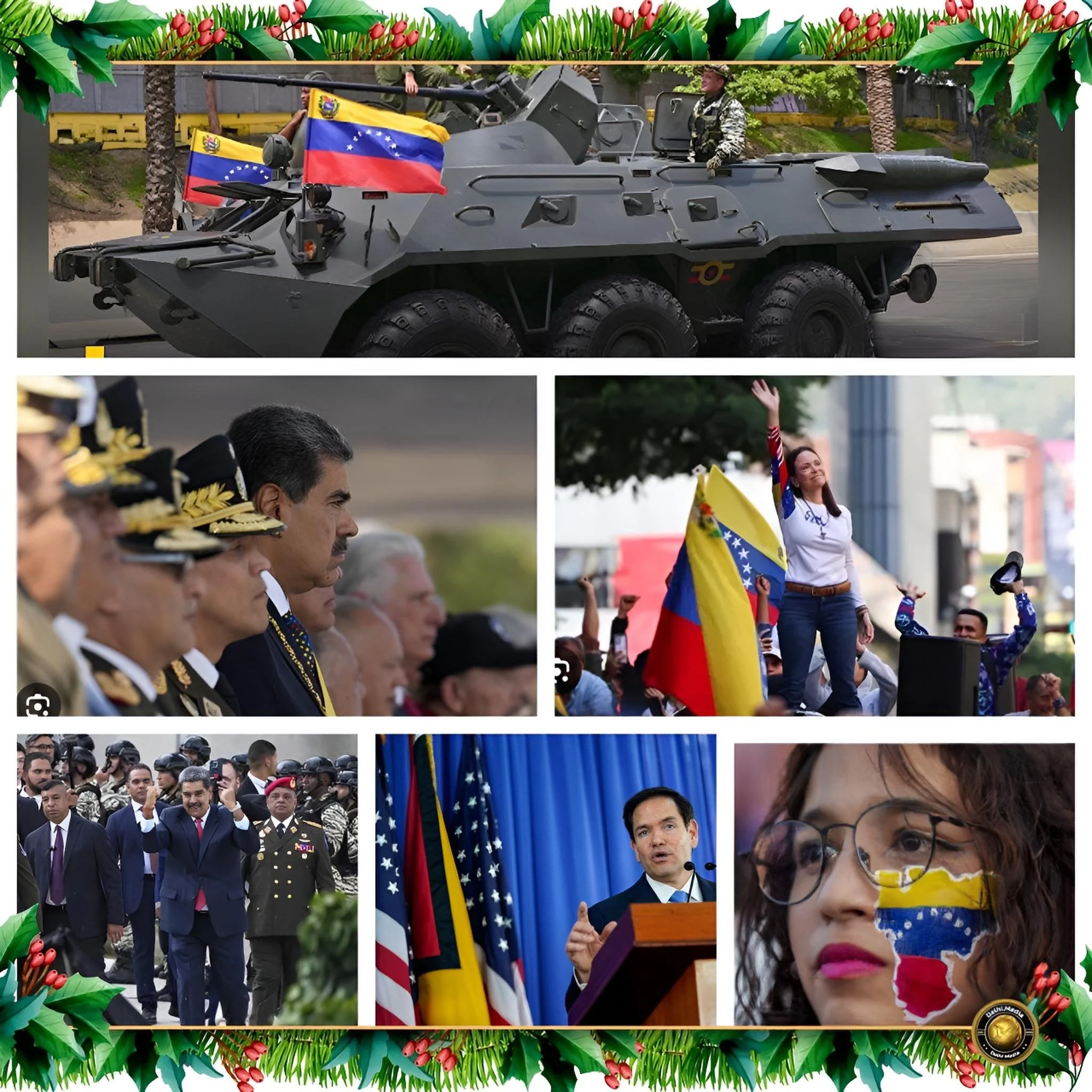
American endeavours directed at removing President Nicolás Maduro have evolved through multifarious phases commencing in 2019, encompassing diplomatic endorsement of opposition leadership, comprehensive economic sanctions, military threats, and—most recently in 2025—manifest naval deployments and formalised Central Intelligence Agency authority to execute clandestine operations.
Throughout January 2019, following disputed electoral proceedings, the American government formally recognised opposition leader Juan Guaidó as Venezuela's provisional government administrator, inaugurating an extensive campaign of diplomatic and economic pressure.
Approximately 50 nation-states joined the United States in recognizing Guaidó, whilst Russia, China, Iran, Cuba, and additional nations continued to recognize Maduro's government.
This established an extraordinary circumstance of competitive governmental administrations, with Guaidó maintaining international diplomatic acknowledgement whilst Maduro commanded Venezuelan territorial administration and institutional governance mechanisms.
President Donald Trump repeatedly stated that military action was conceivable, publicly stating throughout February 2019 that American armed forces' engagement remained under deliberate consideration.
National Security Coordinator John Bolton underwent photographic documentation holding notational references mentioning "5,000 military personnel to Colombia", engendering a hypothesis regarding invasion preparation.
Throughout April 2019, Guaidó stated that he remained "contemplating petition to the United States governmental apparatus for military engagement" and would "contemplate comprehensive alternative methodologies" to eliminate Maduro's government.
Notwithstanding these preliminary threats of military intervention, such actions never materialised into direct intervention.
An instigated military uprising throughout April 2019, buttressed by American encouragement for Venezuelan military administrative abandonment, experienced complete operational failure, with Maduro's governmental apparatus barely disrupted by the undertaking.
A 2020 mercenary infiltration—encompassing private military operatives with purported American governmental connections—demonstrated comparable ineffectiveness and exhibited genuinely farcical characteristics, thereby meaningfully fortifying Maduro's administrative position.
2025 Military Acceleration
The intervention methodology underwent dramatic intensification throughout 2025 under the second Trump administration.
Throughout September, the American government deployed approximately 10,000 maritime and aerial personnel aboard greater than ten military vessels—encompassing the nuclear-powered USS Gerald R. Ford maritime warfare platform, destroyer vessels, missile cruiser installations, and a nuclear-powered submarine—throughout Caribbean geographical zones representing the preponderant American military mobilisation throughout the region across multiple decades.
After the September deployment, American military establishments conducted at a minimum of twenty lethal maritime strikes upon craft ostensibly transporting controlled substances, engendering mortalities among thirty-two individuals through extrajudicial execution methodologies that have precipitated regional humanitarian criticism.
President Trump escalated the documented governmental reward targeting Maduro to $50 million—commensurate with remuneration offered for Osama bin Laden—and characterised Cartel de los Soles as an international terrorist assemblage, contending that Maduro personally administers this illicit substance trafficking apparatus.
Throughout October 2025, Trump formalised Central Intelligence Agency authorisation to prosecute clandestine operational activities throughout Venezuelan territory, potentially encompassing lethal engagements directed at Maduro and his administrative apparatus.
The Pentagon has reportedly delineated operational planning encompassing military strikes upon Venezuelan installations, notwithstanding Trump's pronouncements that he remains "unconvinced regarding terrestrial military engagement" whilst simultaneously affirming the American governmental apparatus remains "undertaking evaluation of terrestrial engagement".
The administrative apparatus has characterised these undertakings as antinarcotics operations under "Operation Southern Spear", mobilising autonomous maritime interception mechanisms, aerial reconnaissance systems, and mechanised intervention forces.
Nevertheless, geopolitical commentators widely construe the campaign as governmental transformation efforts dressed in anti-narcotics terminology, with pharmaceutical interdiction serving as a convenient legal and political justification for military pressure aimed at precipitating Maduro's ouster.
Fundamental Distinctions between Panama and Nicaragua
The Venezuelan circumstance manifests fundamental differentiation from both Panama and Nicaragua across multifarious essential proportions.
Distinguishing Panama, the American governmental apparatus maintains zero military installations throughout Venezuelan territory, commands no contractual prerogatives respecting strategic infrastructure preservation, and confronts a geographical entity approximately twelve times proportionally more extensive than Panama encompassing populations exceeding Panamanian demographics by approximately ten-fold expansion.
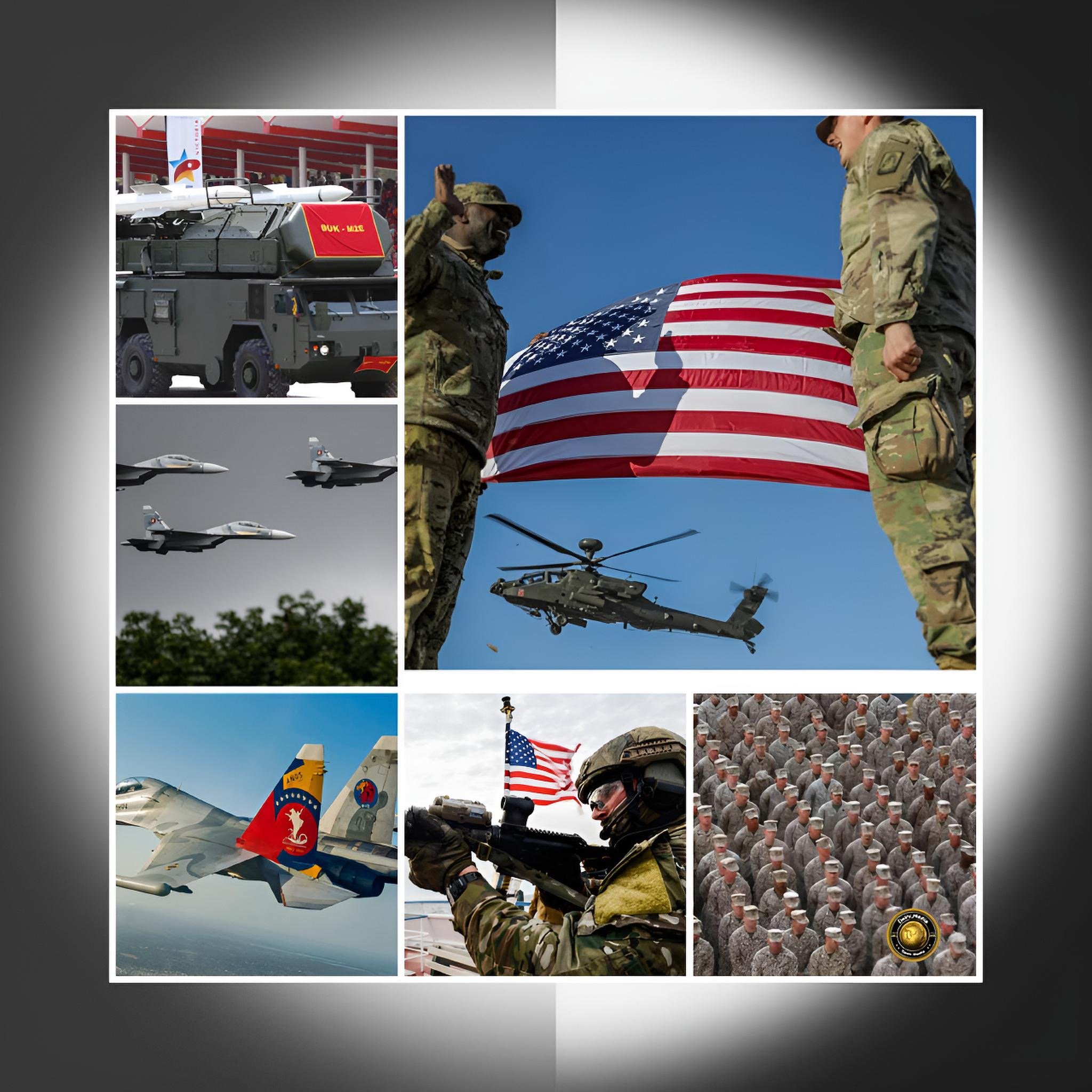
Venezuela's defensive apparatus—enumerated within tens of thousands of armed personnel commanding modernised Russian and Chinese-manufactured weaponry—exemplifies dramatically more formidable military adversary compared to Noriega's 12,000-personnel PDF establishment.
Maduro has expended greater than ten years undertaking "governmental insurrection-prevention", establishing overlapping security architectural formations encompassing armed community organisations (colectivos) embedded throughout neighbourhood structures, thereby rendering executive authority elimination insufficient for governmental displacement.
High-ranking Venezuelan defensive administrators maintain lucrative positions throughout state oil administrative establishments, generating individual economic incentive alignment that has impeded the military administrative abandonment the American strategy presumed.
The Venezuelan defensive apparatus has manifested remarkable steadfastness throughout two-decade duration of governmental transformation endeavours, with successive attempts—the 2002 governmental seizure, the 2019 Guaidó initiative, the 2020 mercenary infiltration—generating progressively diminished administrative abandonment occurrences.
Dissimilarly to Nicaragua, the Venezuelan intervention operation encounters absence of tenable indigenous opposition military force competent of sustained military engagement.
The Contras, notwithstanding fundamental tactical unsuccessfulness, maintained approximately 22,500 combatants prosecuting systematic military engagements throughout extended temporal progression.
Venezuela manifests absence of comparable militarised opposition assemblage, and the political opposition remains profoundly fragmented between extremist adherents including MaríaCorina Machado who advocate international military engagement and temperate administrators including Henrique Capriles who champion negotiation methodologies.
Geopolitically, Venezuela commands substantial assistance from Russia, China, and Iran—major international administrative apparatuses competent of furnishing diplomatic vindication, economic survival mechanisms, and military technological apparatus that neither Panama nor Nicaragua commanded throughout their respective conflicts with American intervention.
Russia has administered military force deployment throughout Venezuela, facilitated regime circumvention of petroleum commerce limitations, and transmitted modernised military apparatus encompassing Sukhoi Su-30 fighter aeronautical vehicles commanding antiship missile deployment.
China persists in supporting Maduro's governmental apparatus, proposing resources undertaking infrastructural reconstruction and persisting economic operability notwithstanding commercial enforcement mechanisms.
The contemporary international juridical and political circumstances have undergone transformation since 1989.
Existing international jurisprudential frameworks, geographical administrative establishments, and American domestic political circumstances impose intensified restraints upon unilateral military engagement.
Latin American governmental administrations, recalling their respective encounters with American intervention, predominantly resist military engagement directed against Venezuela irrespective of communal preoccupations regarding Maduro's governmental practices.
Even conservative Latin American governmental apparatuses that acknowledged Guaidó have manifested reluctance undertaking military intervention advocacy.
Existing Administrative Circumstances and Ambiguous Terminal Consequences
Throughout the concluding months of 2025, the Venezuelan intervention continues with insufficient clarification regarding the attainment pathway.
Maduro persists in office despite decades of economic sanctions, diplomatic isolation, military threats, and Central Intelligence Agency clandestine operations.
The 2024 Venezuelan electoral procedures, extensively conceptualised as neither unrestricted nor genuinely representative, produced Maduro's proclaimed triumph notwithstanding opposition administrative contentions of authorised electoral success.
The existing American methodology appears to contemplate "ongoing pressure implementation"—via maritime enforcement, concentrated maritime strikes, and diplomatic marginalisation—postulated to accomplish Maduro's governance weakening rather than expeditious governmental transformation via Panama-comparable invasion.
Trump administration officials, including Secretary of State Marco Rubio, have conceptualised this enterprise as a counterterrorism preoccupation, pronouncing "Maduro MUST experience juridical accounting".
Nevertheless, the elementary contradiction stays apparent: supposing Maduro genuinely superintends principal pharmaceutical trafficking and terrorist undertakings, his incentive configurations to experience voluntary governmental abandonment or engage in compromise remain substantially complicated rather than streamlined.
The Venezuelan opposition remains fractured over advocating American military engagement, with some populations endorsing intensified enforcement measures, whilst others urge resumed diplomatic engagement.
The US Senate has sought supplementary Pentagon planning documentation regarding Venezuelan circumstances, with legislative administrators expressing disquiet over a prospective military deployment absent unambiguous Congressional authorisation.
Trump's October 2025 termination of diplomatic negotiation efforts led by envoy Richard Grenell ended covert government-to-government communication channels, diminishing the prospects of undertaking negotiated administrative resolution.
Venezuela has undertaken mobilisation of defensive and civilian emergency preparatory measures in response to American pressure, conducting comprehensive military preparations involving thousands of armed personnel and demonstrating Russian military technological capabilities.
Maduro has forewarned of "universal defensive mobilisation" contingent upon American terrestrial engagement and indicted Washington of pursuing "governmental transformation" via "imperialist hegemonic subjugation".
Vice-Administrator Delcy Rodríguez promulgated a directive enlarging Maduro's defensive prerogatives contingent upon American engagement.
Military commentators and geopolitical strategists have expressed substantial reservations about the viability of a government transformation in Venezuela through weaponized methods.
Analytical assessments postulate a minimally sufficient invasion and governance-establishment military apparatus that would command an exceeding 50,000 armed personnel deployment.
Terrestrial engagement would precipitate the deployment of thousands of American military personnel throughout the antagonistic twenty-nine-million-population nation—proportionally comparable to California—with only 15,000 American personnel contemporaneously positioned within the proximate geographical vicinity, establishing logistical complexity reminiscent of the unsuccessful Bay of Pigs operational endeavour.
Comprehensive Comparative Assessment: Strategic Precedents and Established Patterns
Fundamental Similarities Throughout Intervention Methodologies
Despite their distinct operational frameworks, the multifarious interventions share substantial commonalities.
All three targeted governmental administrators culpable of pharmaceutical trafficking accusations—Noriega formally indicted on pharmaceutical commerce violations, Sandinistas characterised as pharmaceutical commodity transmission facilitators, and Maduro formalised as heading narco-terrorist apparatus.
This anti-narcotics vindication has functioned as a convenient juridical and political ratification for interventions fundamentally motivated by geopolitical imperatives, notwithstanding verified circumstances wherein pharmaceutical trafficking actually perpetuated or underwent intensification after American intervention engagement.
Each intervention encompassed contentions regarding democratic institutional establishment and humanitarian advancement, whether reestablishing Endara's electoral triumph in Panama, championing "liberty-oriented combatants" in Nicaragua, or acknowledging Guaidó's proclamation as provisional president in Venezuela.
Nevertheless, these democratic vindications coexisted problematically with encouragement of brutal operational methodologies (Contra barbarities), peripheral civilian destruction (Panama invasion mortalities), and alliances with questionable opposition administrators.
All multifarious intervention circumstances produced substantial Latin American opposition to American engagement, whether through Organisation of American States condemnation of the Panama invasion, International Court juridical determinations against Nicaragua's operational activities, or geographical administrative criticism of Venezuelan commercial enforcement and military threats.
This persisting geographical opposition pattern manifests enduring regional receptiveness to American imperialism, fundamentally grounded in historical experiences stemming from Monroe Doctrine precepts and Roosevelt-era administrative extensions.
Consequential Distinctions and Terminal Ramifications
The divergent intervention terminations mirror fundamental distinctions in contextual circumstances, applied methodology, and antagonist military competencies.
Panama's invasion achieved expeditious success because of preponderant American military advantages, pre-established military installations, a diminutive and inadequately militarised antagonist, and an authentic democratic alternative embodied in Endara, who commanded honest democratic mobilisation.
These advantageous circumstances have remained inaccessible in subsequent intervention endeavours.
Nicaragua exemplified that proxy military conflicts can precipitate strategic exhaustion without achieving conventional military objectives, notwithstanding tremendous humanitarian and economic expenditure that complicated long-term objectives.
Sandinista electoral defeat accomplished momentary American governmental aspirations whilst manifesting ineffectiveness in generating a persistent democratic transformation or precluding Ortega's eventual governmental reestablishment.
The intervention's extended-duration patrimony—encompassing devastating economic deterioration, tens of thousands of mortalities, and Central Intelligence Agency pharmaceutical trafficking—established persisting complications that maintain contemporary significance.
Venezuela exemplifies complications that dwarf antecedent circumstances—a geographically more extensive territory, increasingly competent defensive apparatus, intensified international assistance, and insufficient tenable militarised opposition or unambiguous governmental succession mechanism.
The hybrid enforcement and military menace methodology has subsequently demonstrated ineffectiveness in displacing Maduro, whilst generating humanitarian suffering amongst Venezuelan civilian populations and geographical administrative destabilisation via substantial refugee populations
The "Deceptive Achievement" Phenomenon
Operation Just Cause's ostensible triumphal character generated what specialists characterise as a "deceptive achievement" phenomenon in governmental transformation.
The invasion's expeditious termination, comparatively modest American casualties, and substantial American domestic political approbation seduced administrative apparatuses into conceptualising military engagement as an economically efficient governmental transformation instrument, facilitating post-Cold War expansion in American military engagements and ultimately the "perpetual conflict" character exemplifying twenty-first-century military engagement.
This observation is particularly pertinent to Venezuelan engagement advocacy, in which intervention advocates might underestimate the profound differences between Panama's extraordinary 1989 circumstances and Venezuela's multifarious 2025 realities.
The Panama precedent has been explicitly invoked throughout contemporary Venezuelan deliberations on engagement. A comprehensive analytical investigation nonetheless establishes that the comparative framework is fundamentally defective.
Venezuela is approximately ten times as extensive as Panama, encompassing populations approximately ten times Panama's and a defensive apparatus substantially surpassing Noriega's PDF competencies.
The geopolitical atmosphere has undergone a complete reconfiguration—Soviet Union dissolution in 1989 generated American unipolar military prchanged, whereas contemporary multipolar circumstances encompass Russia and China vigorously sustaining Maduro's governmental authority.
Unintended Ramifications and Retaliatory Consequences
All multifarious intervention circumstances precipitated substantial unintended ramifications that diminished or negated stipulated objectives.
Panama's invasion, notwithstanding momentary tactical accomplishment, manifested unsuccessfulness in terminating pharmaceutical trafficking and established precedents encouraging subsequent military adventurism.
The economic and humanitarian expenditure to Panamanian civilian populations generated persisting psychological injury and antagonism, notwithstanding national-level advantages emanating from democratic transition.
Nicaragua's Contra engagement accomplished Sandinista electoral defeat whilst annihilating the nation's economic foundation and interpersonal composition, establishing circumstances facilitating Ortega's eventual reestablishment and existing authoritarian governance patterns.
The Iran-Contra scandal undermined American governmental legitimacy, publicised constitutional breaches, and illuminated Central Intelligence Agency participation in pharmaceutical trafficking contributing to American metropolitan pharmaceutical epidemics.
Venezuela's persisting engagement has precipitated humanitarian catastrophe via commercial enforcement while manifesting unsuccessfulness achieving governmental transformation, thereby exemplifying the restrictions afflicting economic enforcement against persistent authoritarian governmental apparatuses commanding significant international backing.
The refugee humanitarian emergency precipitated by Venezuelan economic deterioration has destabilised contiguous geographical entities throughout Latin America, generating territorial complications transcending the preliminary intervention objectives.
Conclusion
The multifarious intervention circumstances exemplify distinguished governmental transformation methodologies, each commanding different operational methodologies, terminal consequences, and protracted ramifications.
Panama's unilateral military invasion accomplished immediate tactical accomplishment yet established questionable precedents and manifested unsuccessfulness respecting pharmaceutical trafficking objectives.
Nicaragua's proxy military engagement ultimately precipitated Sandinista electoral defeat yet engendered catastrophic humanitarian and economic consequences whilst manifesting unsuccessfulness forestalling the regime's eventual reestablishment into authority.
Venezuela's hybrid enforcement, military menace, and clandestine operation methodology has contemporaneously manifested unsuccessfulness achieving governmental transformation nor generating enhanced circumstances for Venezuelan administrative populations.
The measurable accomplishments for American strategic interests emanating from Panama encompassed Noriega's juridical conviction and custodial imprisonment, democratic governance reestablishment beneath Endara, and economic recovery advantaging Panama's middling-tier commercial administrators.
Nevertheless, these attainments materialisedcontingent upon civilian mortalities, geographical diplomatic compromise, and precedential frameworks facilitating supplementary interventions producing less propitious terminal circumstances.
Nicaragua's accomplishments exemplified substantially more ambiguous character—Sandinista governmental departure occurred through electoral mechanisms rather than military accomplishment, and the devastated geographical entity ultimately reestablished Ortega into authority throughout 2006.
The extraordinary expenditure—30,000–50,000 mortalities, economic destruction, and international juridical condemnation—demands counterbalancing against momentary and fundamentally reversible governmental modifications.
For Venezuela, the intervention persists incorporating inadequate clarification respecting prospective achievement pathway, Maduro persisting in authoritative command notwithstanding decades of enforcement, substantial military menaces, and Central Intelligence Agency clandestine operational activity.
The elementary distinctions between Venezuela's circumstance and historical Panama and Nicaragua precedents propose that neither unilateral invasion nor proxy military engagement proffers tenable mechanisms attaining stipulated democratic governance, equilibrium, and pharmaceutical trafficking diminishment objectives.