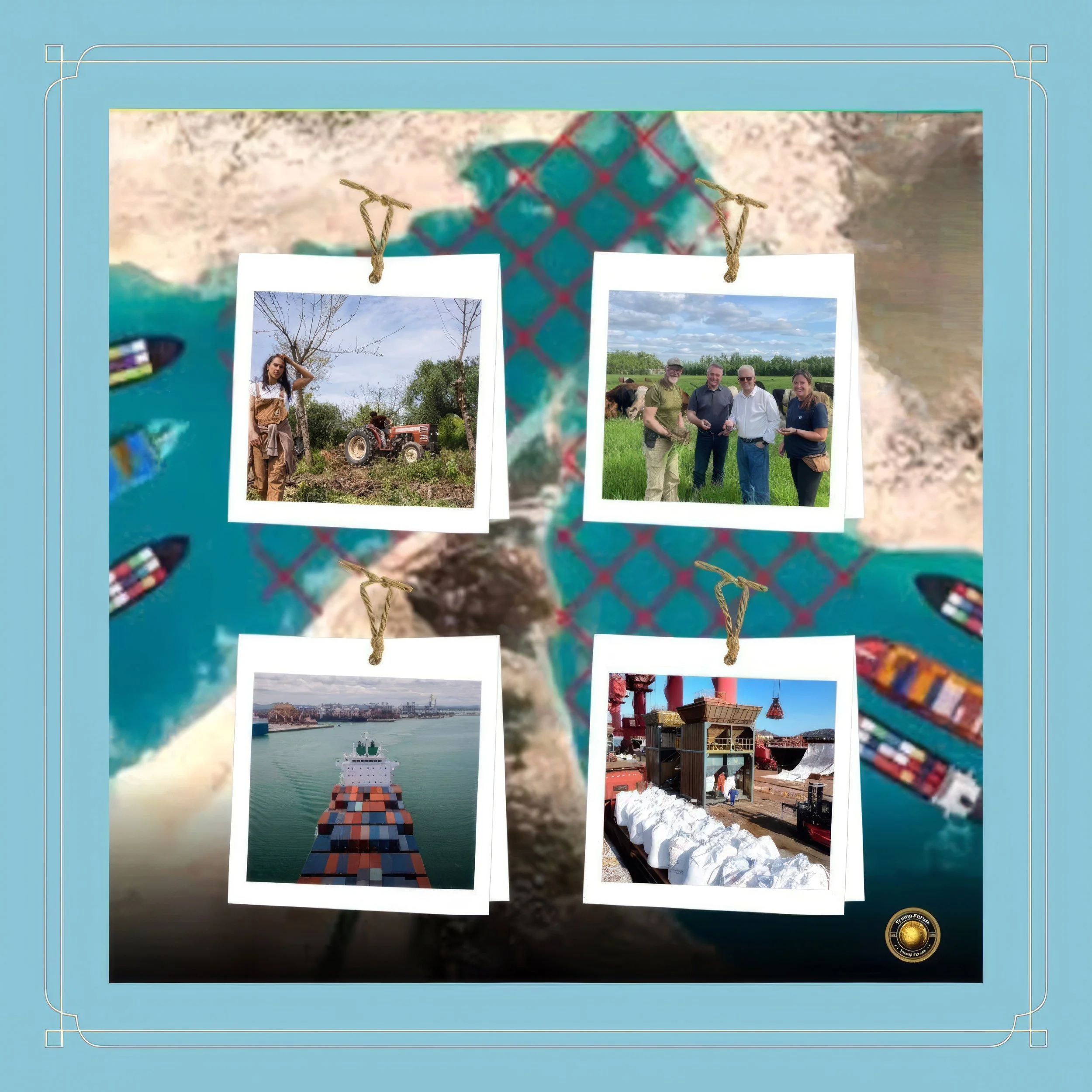
Beginners 101 Guide : The Iran War and Why Food Prices Are Still Rising
Summary
The war between the United States and Iran has affected much more than just soldiers and politics. Even though there is now a cease-fire, the effects of the war are still being felt in everyday life, especially in food prices.
Many people may wonder why food is becoming more expensive even after the fighting has stopped. The answer lies in how the global system works.
To understand this, imagine the world as a big machine where different parts depend on each other.
One important part of this machine is energy, such as oil and gas.
Another important part is agriculture, which includes growing crops and producing food. These two parts are closely connected.
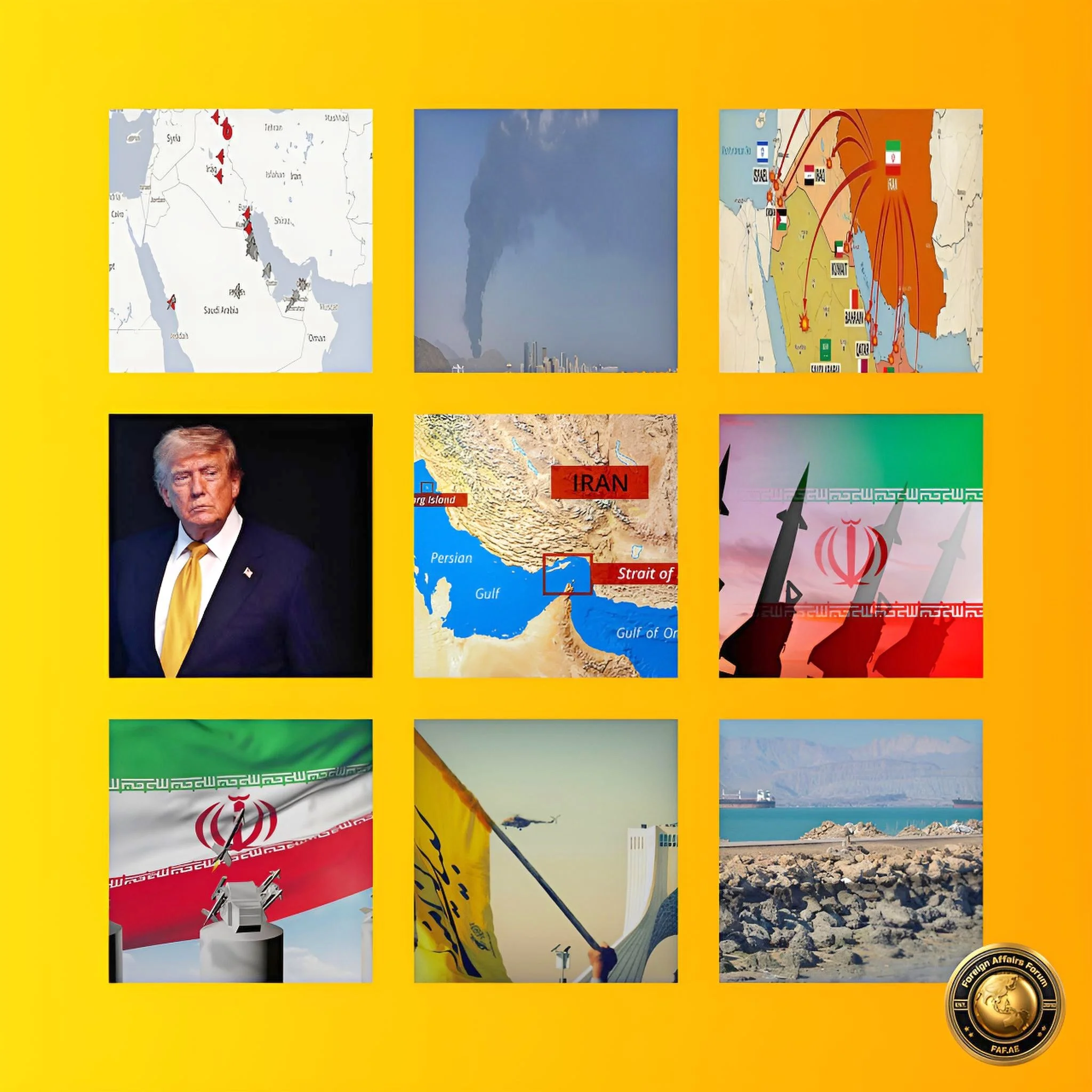
A key location in this situation is the Strait of Hormuz.
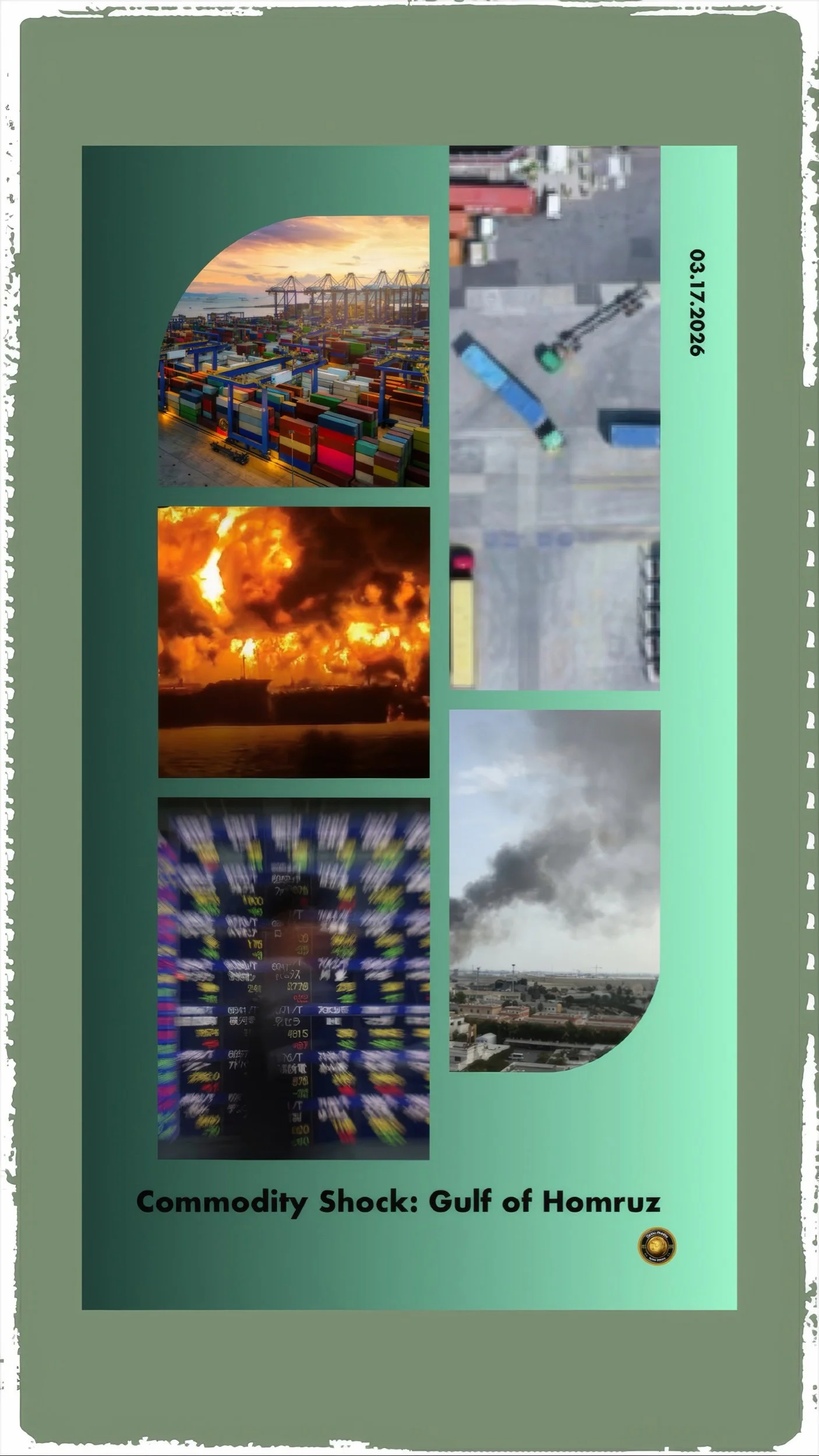
This is a narrow waterway where a large amount of the world’s oil passes every day. When the war started, ships could not move freely through this area. This caused delays and reduced the supply of oil to many countries.
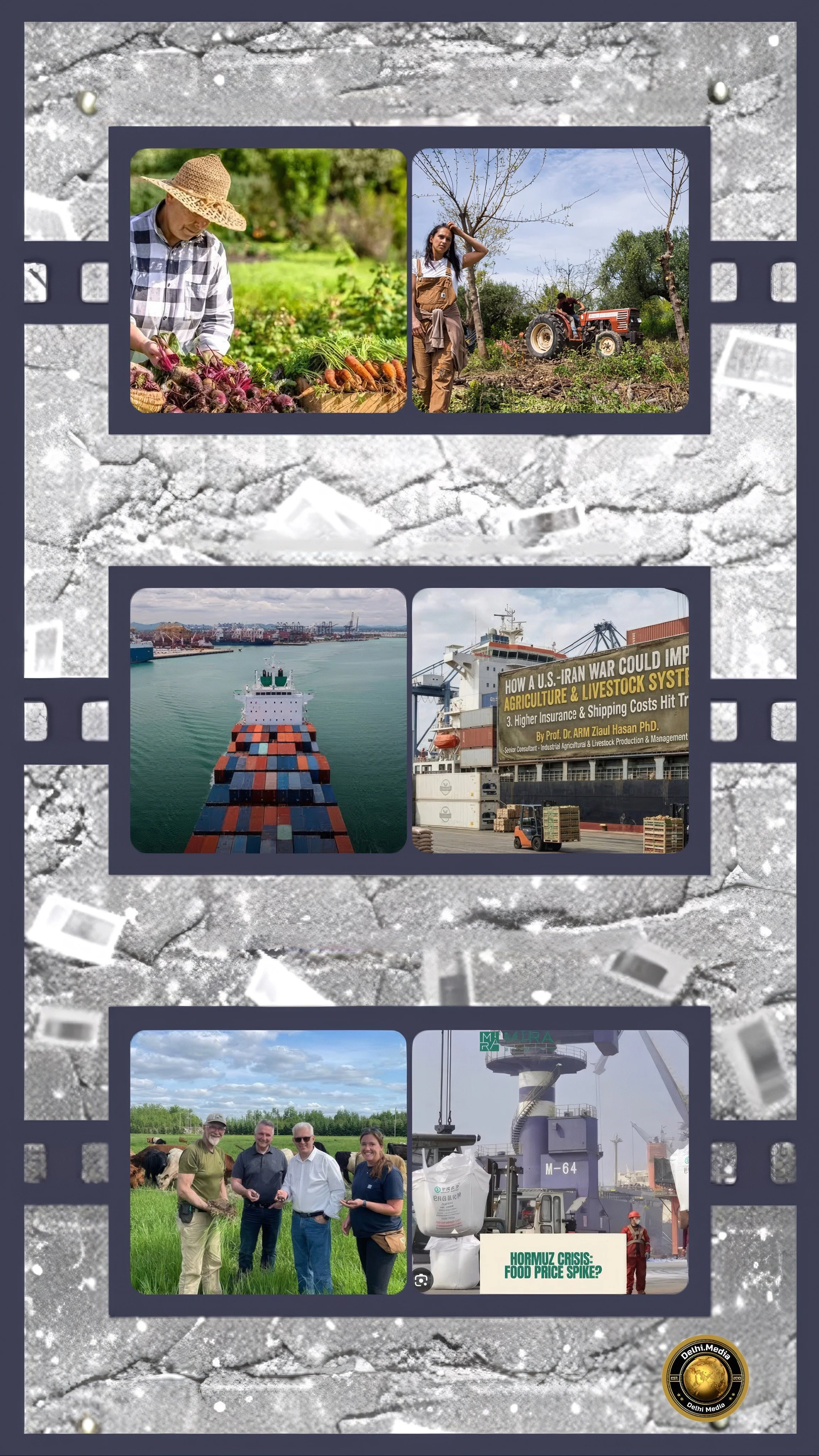
Oil is important not just for fuel in cars but also for farming. Farmers use fuel for tractors, irrigation, and transporting crops. Even more importantly, oil and gas are used to make fertilizers. Fertilizers help crops grow better and produce more food.
One common fertilizer is urea. During the war, the price of urea increased by around 40%.
This happened because natural gas, which is needed to make urea, became more expensive and harder to transport. When fertilizer becomes expensive, farmers have to spend more money.
For example, imagine a farmer in India who grows wheat. If fertilizer prices go up, the farmer has two choices.
The farmer can buy less fertilizer, which may reduce the crop yield, or pay more money, which reduces profit. In both cases, the final result is higher food prices.
Even though the cease-fire has stopped the fighting, ships are still not moving normally through the Strait of Hormuz. Many shipping companies are worried that the conflict could start again. Because of this, they are careful and sometimes delay their journeys.
Another problem is insurance. Ships need insurance to travel through risky areas. During and after the war, insurance costs increased a lot.
This makes it more expensive for companies to transport oil and other goods. These higher costs are passed on to consumers.
Governments are trying to help people by giving subsidies. A subsidy is when the government pays part of the cost so that prices do not rise too much.
For example, a government may reduce fuel prices or help farmers buy fertilizers. This can help in the short term.
However, subsidies cannot solve the problem completely.
They cost a lot of money, and not all countries can afford them. Poorer countries may struggle more because they do not have enough resources to support their people.
Another issue is that some countries have stopped exporting certain goods to protect their own supply.
For example, a country may stop selling fertilizers to other countries. While this helps its own farmers, it creates shortages in other places.
This situation shows how connected the world is. A problem in one region can quickly affect many other regions.
When the Strait of Hormuz is disrupted, it affects oil, fertilizers, farming, and finally food prices everywhere.
The timing of these disruptions also matters. Farmers need fertilizers at specific times during the planting season. If there are delays, crops may not grow properly. This can reduce the amount of food produced.
Looking ahead, there are some possible solutions.
One solution is to find alternative routes for shipping so that countries are not dependent on a single chokepoint.
Another solution is to develop new types of fertilizers that do not rely heavily on natural gas.
Countries can also invest in renewable energy, such as solar and wind power.
This can reduce dependence on oil and gas and make the system more stable. However, these changes will take time.
International cooperation is also important. Countries need to work together to ensure that food and energy supplies remain stable. If countries act alone, the situation may become worse.
In conclusion, the cease-fire between the United States and Iran has not ended the problems caused by the war.
The effects are still being felt in energy and agriculture.
Because these systems are connected, disruptions in one area can lead to higher food prices around the world.
Understanding this connection helps explain why prices remain high even after the fighting has stopped.
It also shows why solving the problem will take time and cooperation.