Beginners 101 Guide : Trump’s Rhetoric of Fear: How Violent Words Undermine U.S. Foreign Policy
Executive Summary
Donald Trump has a habit of making very big, very scary threats.
He does this with almost every country that disagrees with him.
Usually, his supporters see this as strength.
But a closer look at what is actually happening — in Iran, in Europe, and around the world — tells a very different story.
FAF article explains, in plain language, what Trump’s threatening style of talk has caused, why it keeps making things worse, and what might happen next.
Introduction
Imagine you are in a disagreement with your neighbor.
Instead of knocking on the door and talking, you stand outside with a megaphone and shout: “If you do not do exactly what I say, I will burn your house down — tonight!”
Maybe your neighbor is scared at first.
But after a while, they stop believing your threats.
They lock their doors. They call their friends.
They decide they will never give in — because giving in now would be humiliation.
This is, in simple terms, what Donald Trump has been doing in foreign policy.
He uses the megaphone — speeches, social media posts, press conferences — to make enormous threats.
And the world has been watching to see if those threats actually work.
Increasingly, the answer is: they do not.
History: How This Style Was Born
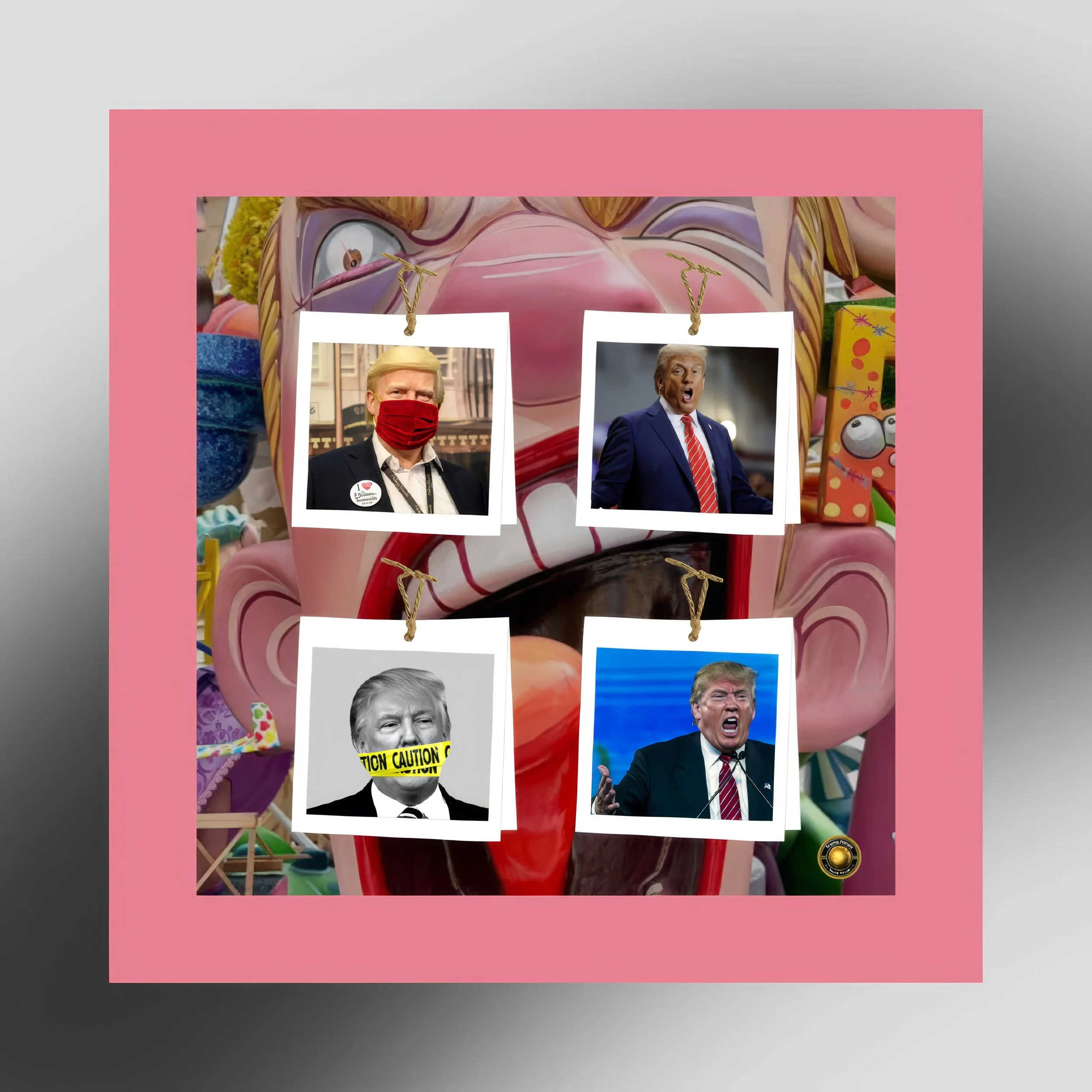
Trump has always believed that strength means being the loudest, most aggressive voice in the room.
In his first term as president (2017-2021), he called North Korea’s leader a “Rocket Man” and threatened “fire and fury like the world has never seen.”
He said he would “completely destroy” North Korea from the United Nations stage — a place where diplomats usually speak carefully.
He described migrants as “animals” and “vermin.”
A study of his language found that the violent and exclusionary words in his speeches increased sharply compared to any recent US president.
When he returned to power in January 2025, he brought this style with him — but larger.
Think of it like a person who used to throw small rocks at windows, and now has a truck.
He threatened to take over Greenland — a part of Denmark.
He said the US might take back the Panama Canal by force.
He suggested that Canada could become the “51st state.”
He imposed tariffs (extra taxes) on goods from eight European countries — including Germany, France, and the UK — countries that are supposed to be America’s closest friends and partners in the NATO alliance.
These are not small things.
These are countries that have stood by America through major world crises.
Threatening them with trade punishment to force them to hand over territory sent shockwaves through international politics.
The Iran Story: From Threats to Real War
The most dramatic example of Trump’s threat-style going wrong is what has happened with Iran.
For years, the United States and Iran have been in a difficult relationship.
Iran was building toward a nuclear weapon capability.
Trump believed the solution was to threaten Iran hard enough that it would back down.
In early 2025, he gave Iran an ultimatum: make a nuclear deal within two months, or face military strikes. Iran did not agree to the deal.
Trump’s administration carried out military strikes on Iranian facilities in June 2025.
Rather than ending the problem, the strikes failed to achieve clear results and damaged America’s image.
Countries like Saudi Arabia, the UAE, and Turkey — which are normally US-aligned — condemned the attacks and called for diplomacy instead.
Then came February 28th, 2026.
The United States and Israel launched a full war against Iran.
This was not a few airstrikes. This was a full-scale military conflict that has now been going on for over five weeks.
Here is what has happened since:
Iran closed the Strait of Hormuz — a narrow passage of water through which about 20% of the world’s oil flows.
This is like someone blocking the main highway for global energy supplies.
Oil prices shot above $120 per barrel, the highest in four years.
Gas prices in the United States rose past $4 per gallon.
Companies in Qatar — which sells liquefied natural gas to Europe and Asia — had to declare force majeure, meaning they simply could not deliver on their contracts.
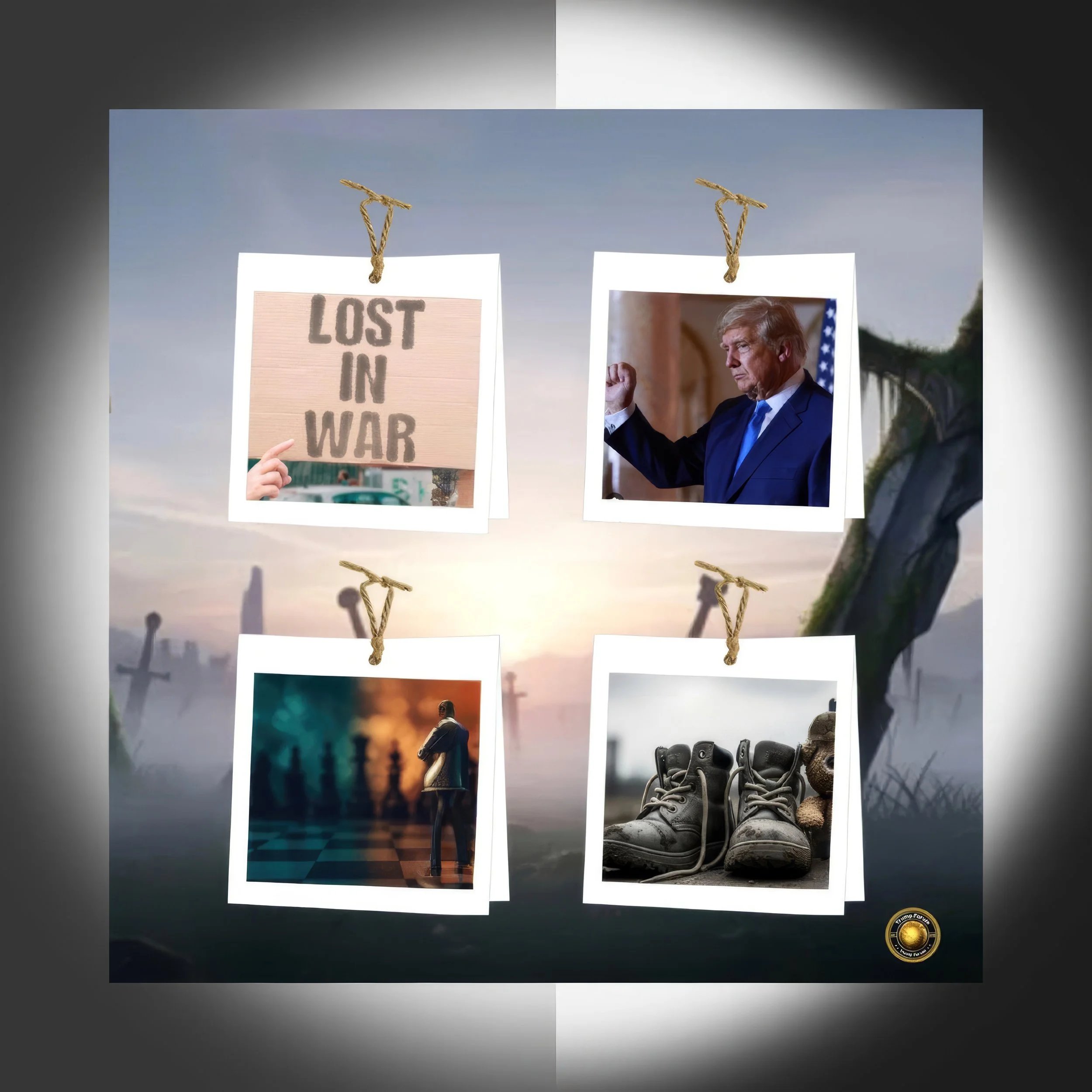
Over 7,300 people have been killed in 34 days of fighting, including at least 890 civilians and 180 children.
More than 18,550 people have been injured.
Over 300 health facilities have been damaged.
These are real human beings — not statistics — in a country that is one of the world’s oldest civilizations.
Trump’s Words Get More Extreme
As the war continued without a quick victory, Trump’s language got louder and more extreme.
Think of it like someone who tries to scare a dog by clapping their hands, and when the dog does not run away, starts screaming louder and louder.
On April 1st, 2026, Trump gave a primetime address on American television.
He said: “We’re going to bring them back to the Stone Age, where they belong.” He also said the US would hit Iran “extremely hard over the next two to three weeks.”
On April 6, he told reporters: “We have a strategy… that would see every bridge in Iran destroyed by midnight tomorrow, with every power facility rendered inoperable, burning, and exploding beyond repair. I mean total annihilation by midnight.”
Iran’s embassy in Japan called these remarks “savage.”
A US congresswoman called them “vile and dangerous.”
Stock markets fell around the world. Oil prices rose.
And here is the key thing: Iran did not obey. It rejected the ceasefire proposals. It issued its own demands. It has not reopened the Strait of Hormuz.
The threats — enormous, apocalyptic, globally broadcast — did not produce compliance.
They produced defiance.
This is what experts mean when they say Trump’s rhetorical style is “counterproductive.”
A threat only works if the person being threatened believes both that the punishment will come AND that obeying will lead to something better.
When Trump threatens “Stone Age” destruction but extends his deadline repeatedly, adversaries learn they can wait him out.
When there is no clear reward for compliance, there is no reason to comply.
The Damage to Friendships
One of the biggest costs of Trump’s threatening language is what it has done to America’s relationships with its allies — the countries that are supposed to be on America’s side.
Think of a school where the biggest, strongest student starts threatening not just the bullies, but also the friends. “Give me your lunch money or I’ll report you to the teacher” is not friendship.
That is what Trump’s tariffs on European countries felt like to them.
Denmark’s intelligence service — a close US partner — wrote in its annual report that the United States was now using economic threats to force its will, and that the possibility of US military force “even against allies” could no longer be ruled out.
This is extraordinary. An American ally is publicly saying it is afraid of America.
France, Germany, and the UK are now building a European defense system that does not depend on the United States.
They are moving closer to each other — and in some cases, closer to China — because they can no longer be sure the US is a reliable partner.
This is the exact opposite of what American foreign policy has traditionally aimed for.
Why This Matters for Ordinary People
The consequences of Trump’s language and the war it helped produce are not just felt by governments and diplomats. They are felt in daily life.
An American family filling up their car pays more than $4 per gallon.
A European household paying for heating gas faces higher bills because of Strait of Hormuz disruptions. A child in Iran has lost a parent.
A Gulf state worker fears that the desalination plant — the facility that turns seawater into drinking water — might be struck in retaliation.
A Japanese business is struggling because its LNG supply chain from Qatar has been disrupted.
These are the real costs of a foreign policy built on threats.
What Comes Next?
As of April 7, 2026, the situation is still extremely dangerous.
Trump has set a new deadline for Iran to reopen the Strait. Iran has rejected the latest proposals.
Pakistan and other regional countries are trying to mediate.
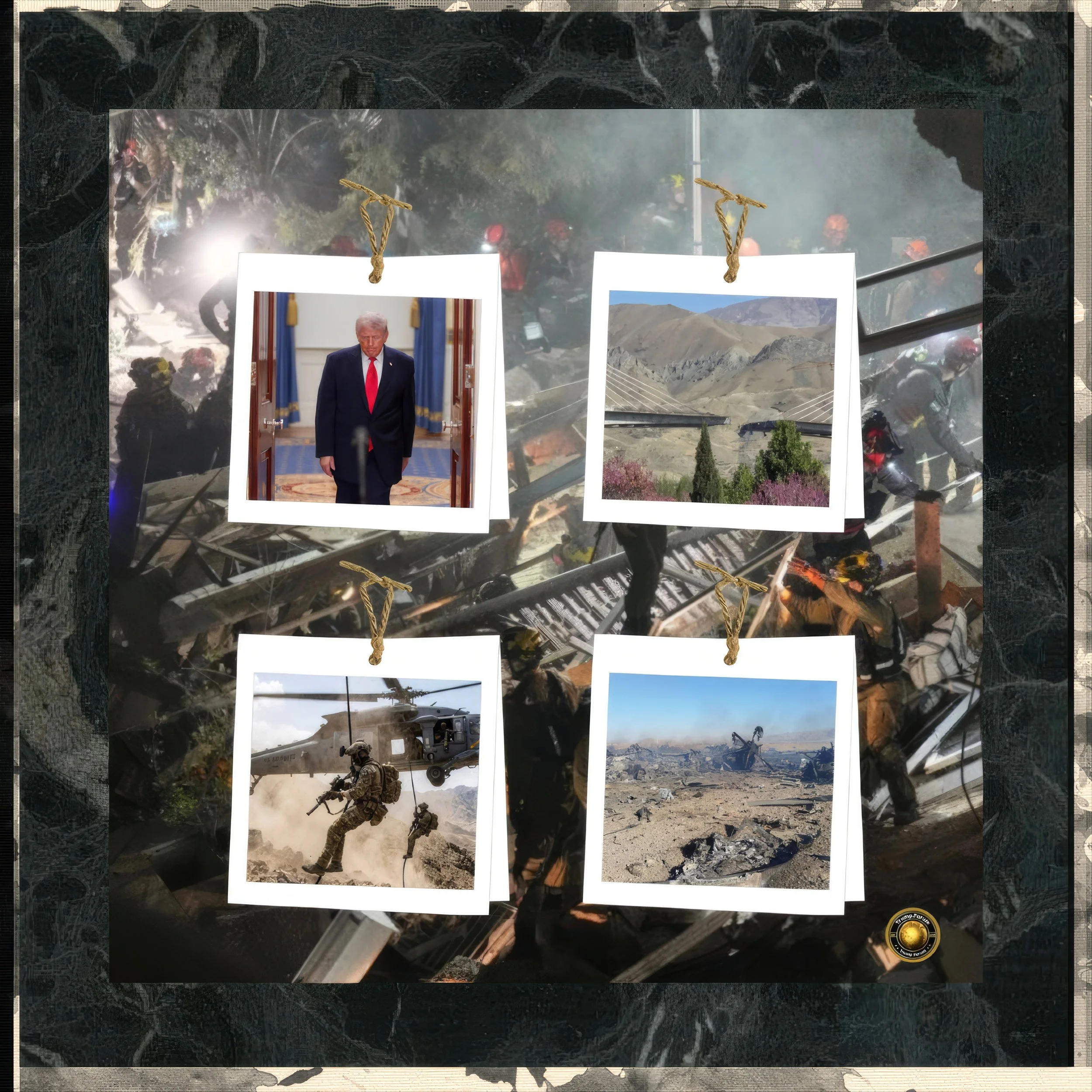
A US airman has been rescued after his plane was shot down over Iran. More strikes are reportedly being planned.
The most realistic path to peace requires something that Trump’s entire rhetorical style makes very difficult: compromise.
Iran needs to be able to say it negotiated a deal, not that it surrendered to threats.
The United States needs to be able to say it achieved its core security goals.
Quiet diplomacy — not megaphone ultimata — is the only tool that can build that kind of bridge.
The tragedy of this moment is not that America lacks power. It clearly does not.
The tragedy is that it is using the language of power in a way that reduces its own options, alienates its own friends, hardens its own enemies, raises prices for its own citizens, and ultimately makes the world — including America itself — less safe.
Words, as Trump’s presidency has demonstrated in the most consequential possible way, are not just talk.
They are the architecture of reality. When the words you choose are “total annihilation,” “Stone Age,” and “obliterate,” the reality you build with them tends to look exactly like that.