Beginners 101 Guide: How War Revealed the Physical Reality of the Cloud
Summary
This war changed how people understand technology in everyday life.
For many years, companies and governments spoke about “the cloud” as if it were something invisible and untouchable. It sounded like data was floating somewhere safe, far away from danger.
But the conflict involving Iran showed that this idea is not true.
The cloud is not just software or data. It is made of real buildings, machines, and cables. And like any building, it can be damaged or destroyed.
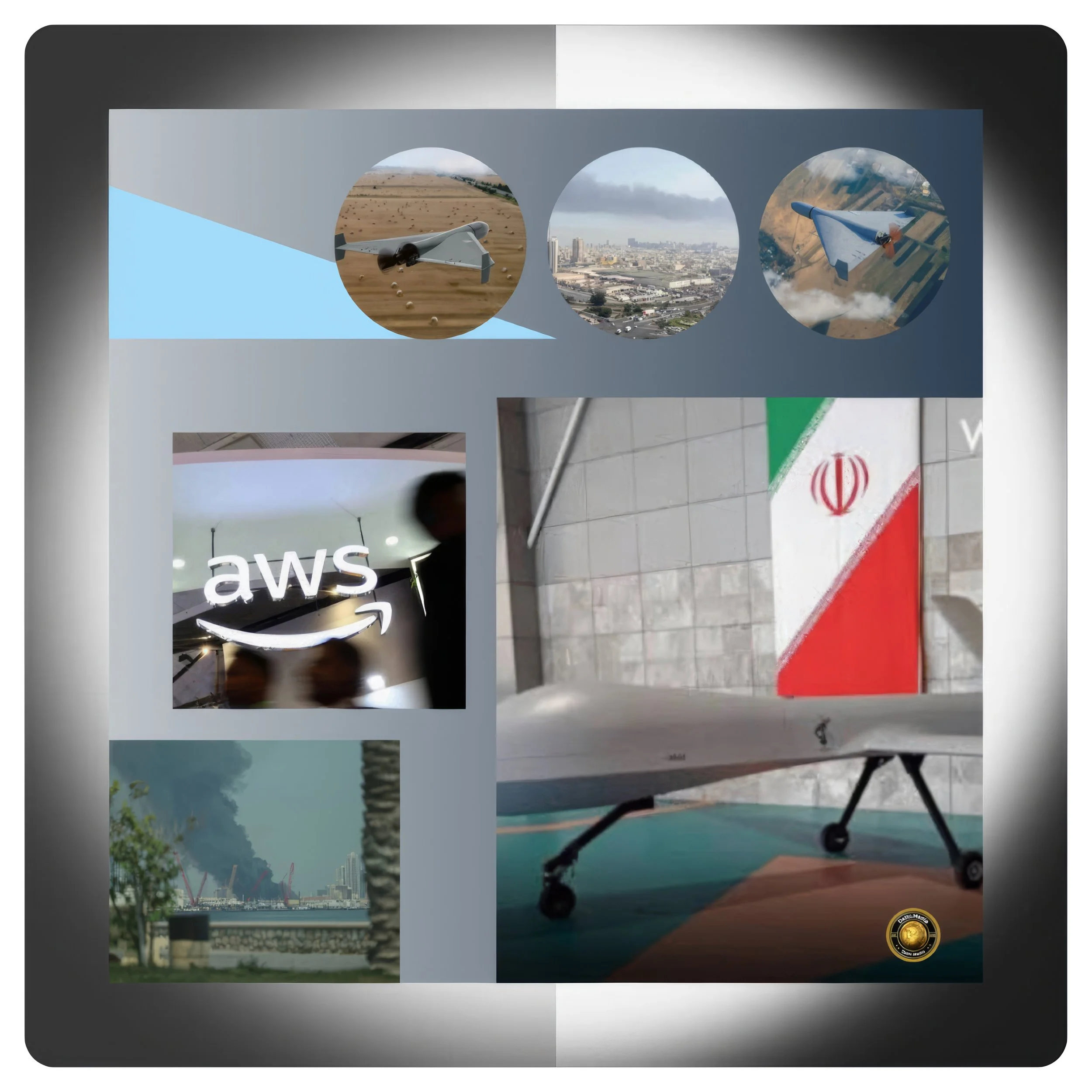
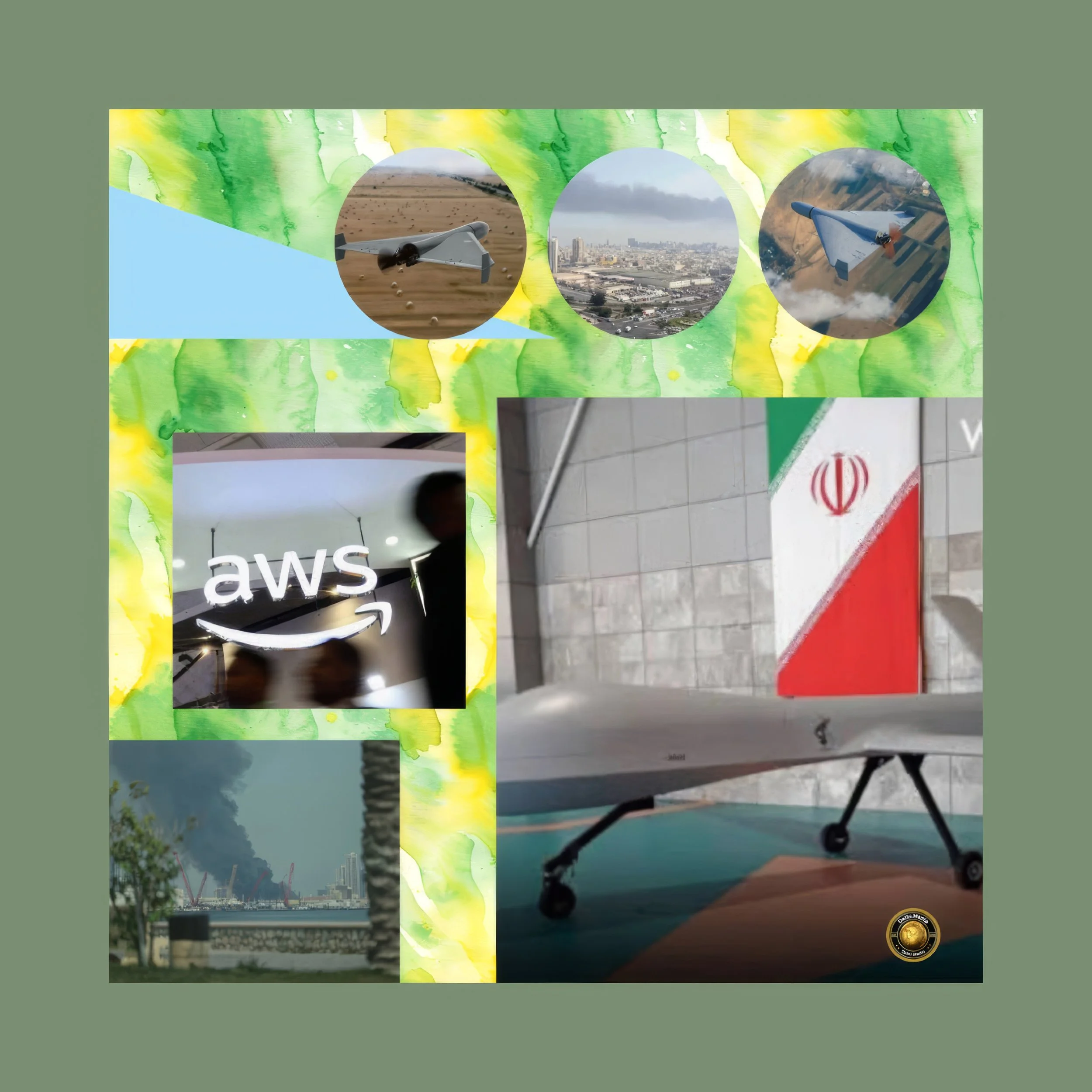
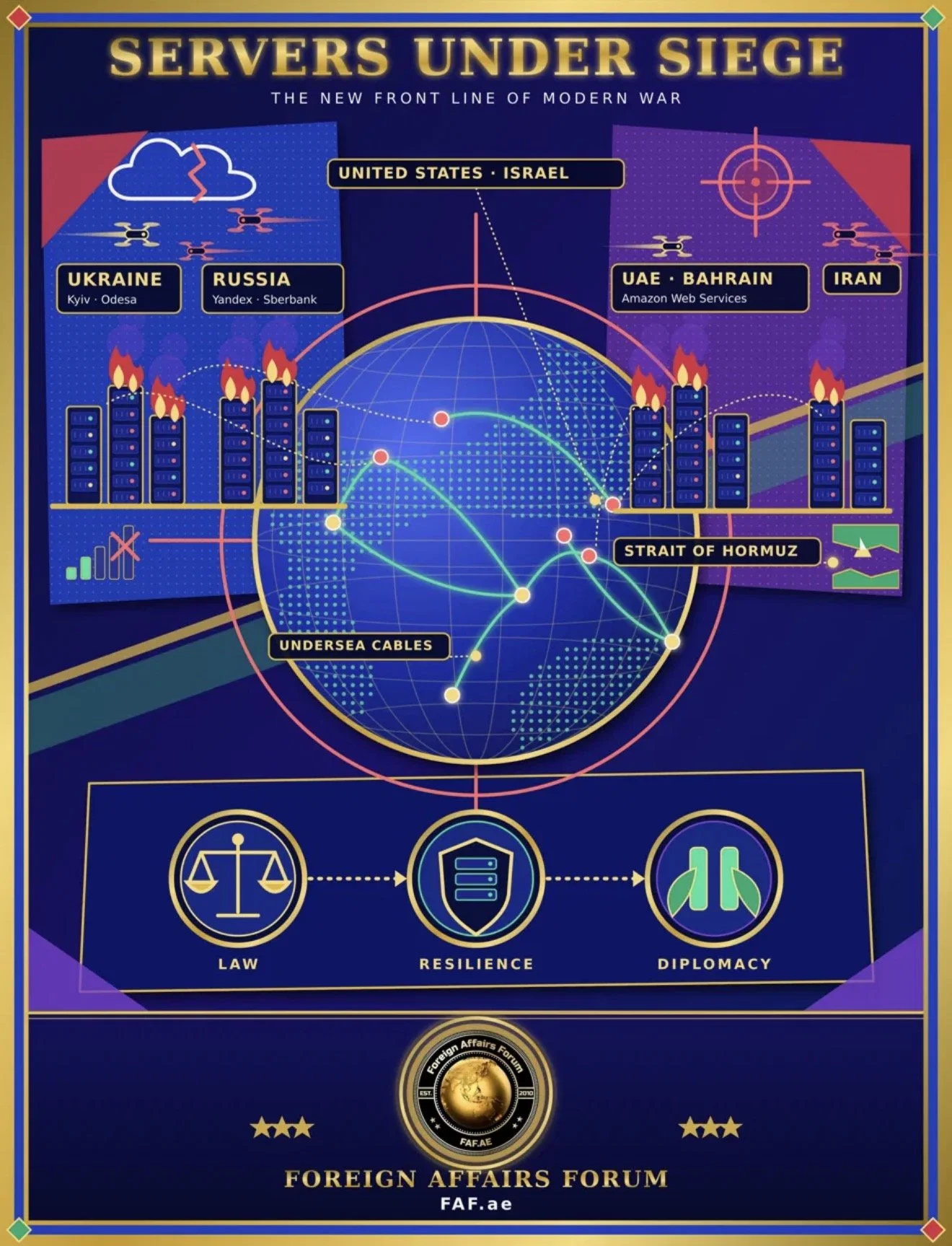
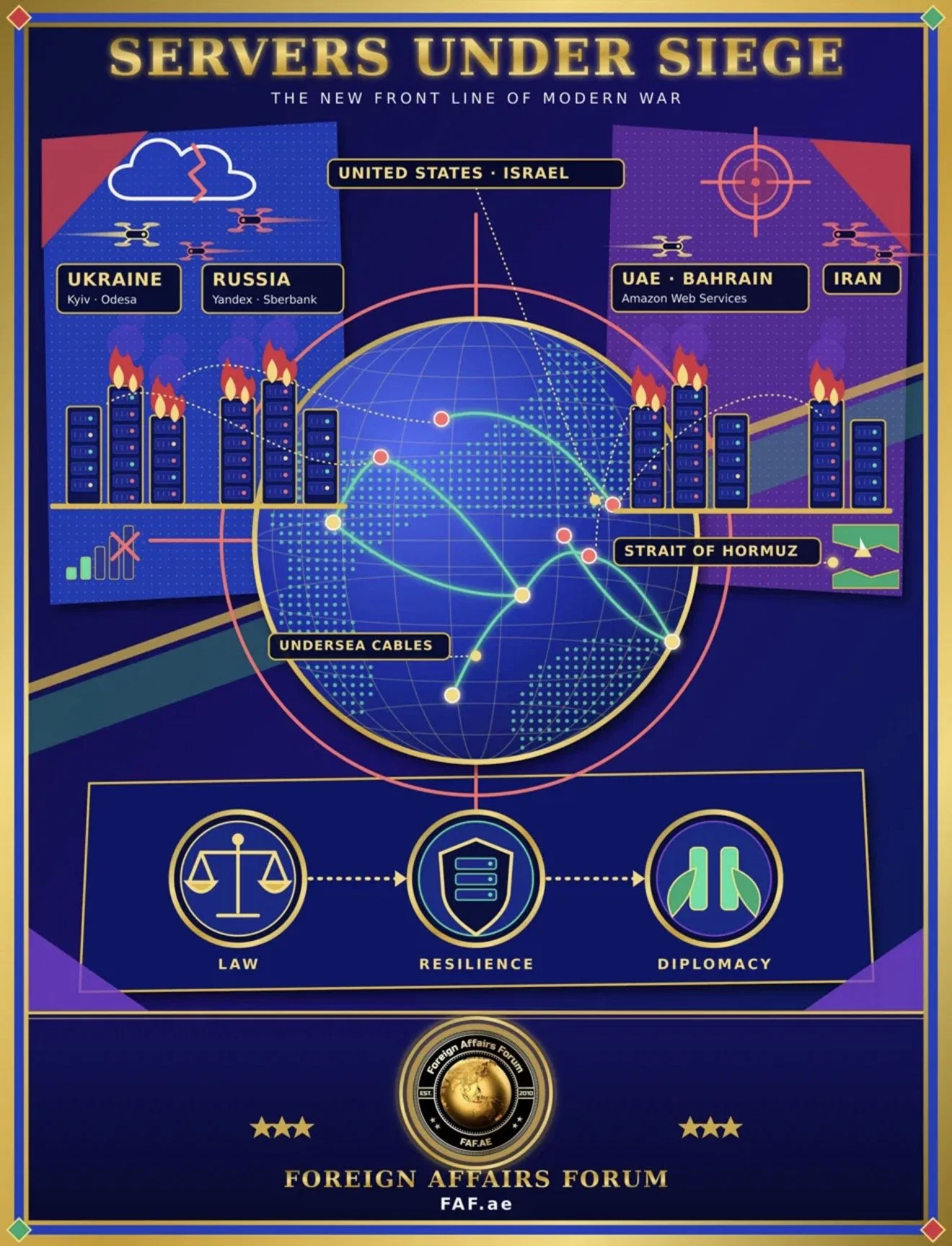
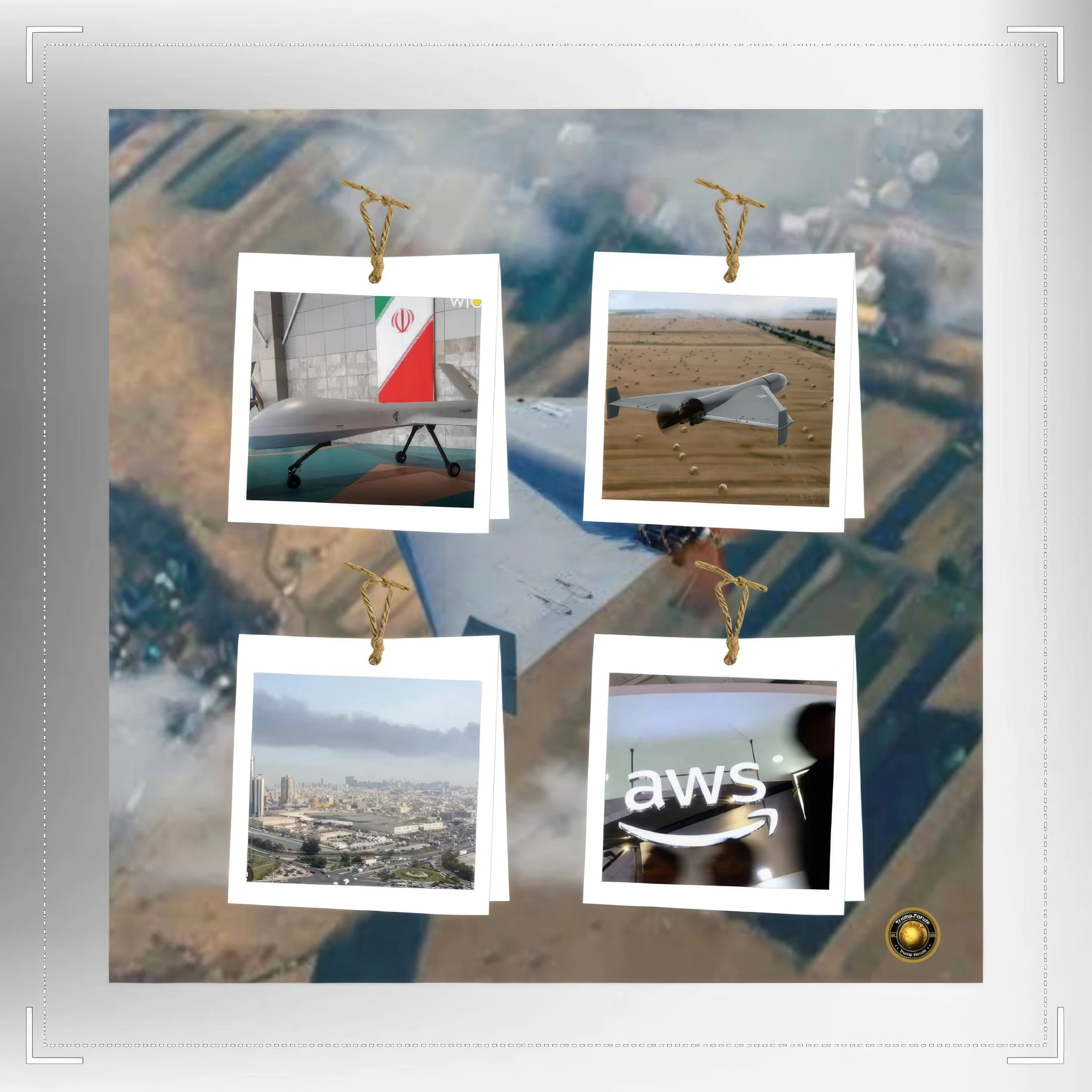
When drones hit data centers in the Gulf region in March-April 2026, especially in places like the United Arab Emirates and Bahrain, the effects were not limited to those locations.
Many services stopped working.
People could not access banking apps.
Payment systems froze. Businesses could not process transactions. This shows how deeply connected modern life is to digital systems.
To understand this better, imagine a large shopping mall that depends on one central electricity system. If that system stops working, all shops close at the same time. Lights go off, machines stop, and customers cannot buy anything.
This is similar to what happened with cloud services. Many companies depend on a few large data centers. When those centers are hit, everything connected to them is affected.
Companies like Amazon Web Services provide cloud services to thousands of businesses. These businesses include banks, hospitals, online stores, and even government services. When one data center goes offline, it can affect millions of people at once. This is why the attacks had such a large impact.
Another important lesson from this war is the difference in cost between attack and defense. A drone can be cheap. In some cases, it can cost less than a used car. But a data center can cost millions or even billions to build and maintain. This creates a big imbalance. A low-cost attack can destroy or damage a very expensive system.
Think of it like this. If someone uses a small hammer to break a large glass window, the cost of the hammer is very small compared to the cost of replacing the window. The same idea applies here. The attacker spends very little, but the defender loses a lot. This makes it harder to protect such infrastructure.
The war also showed how important cloud systems are for daily life. Today, people use apps for almost everything. They send money, order food, book tickets, and talk to friends using online platforms. All of these depend on data centers working properly. When those systems stop, daily life becomes difficult.
For example, imagine you want to pay for groceries using a digital wallet. If the cloud system behind that wallet is not working, you cannot complete the payment. The shop cannot receive money, and you cannot buy what you need. Now imagine this happening to millions of people at the same time. That is the scale of disruption caused by these attacks.
Another example is hospitals. Many hospitals use cloud systems to store patient records and manage equipment. If those systems go offline, doctors may not be able to access important information. This can delay treatment and create serious risks.
This situation raises an important question. Should so many critical services depend on a small number of data centers?
The answer is becoming clear: probably not. Just like people keep backup copies of important files, countries and companies may need backup systems in different locations.
In the future, we may see more data centers spread across different regions. Instead of building a few very large centers, companies may build many smaller ones. This is like having many small warehouses instead of one big warehouse. If one is damaged, others can continue working.
Governments are also likely to think more about digital sovereignty. This means having control over their own data and systems. Instead of relying on foreign companies or distant data centers, countries may want to build and manage their own infrastructure. This can make systems safer during conflict.
For example, a country might decide to keep its banking systems within its borders. This way, it can protect them more easily and respond quickly if there is a problem. It is similar to keeping important documents at home instead of storing them far away.
Another lesson from this war is that technology is now part of national security. In the past, wars were mostly about land, sea, and air. Now, they also involve digital systems. Data centers, cables, and satellites are becoming as important as roads and bridges.
Artificial intelligence also plays a role in this new type of conflict. AI systems need large amounts of data and computing power to work. This computing power is usually provided by data centers. If these centers are damaged, AI systems cannot function properly.
For example, imagine a smart traffic system that uses AI to manage city roads. It needs constant data and processing power. If the data center supporting it goes offline, traffic lights may stop working properly, leading to chaos on the roads.
The war also shows that modern conflicts are not only about soldiers and weapons. They are also about systems and infrastructure. Disrupting a country’s digital systems can be as powerful as attacking its physical assets.
This creates new challenges for both governments and companies. They must now think about protecting not only physical borders but also digital systems. This includes securing data centers, improving backup systems, and planning for emergencies.
Another important issue is cooperation. Many cloud systems are global. This means they serve multiple countries at the same time. When one part of the system is affected, it can impact users in different regions. This makes it important for countries to work together to improve security.
For example, countries may share information about threats or work together to protect important infrastructure. This is similar to how countries cooperate on issues like aviation safety or maritime security.
At the same time, there is a risk of increasing tension. If countries start targeting each other’s digital infrastructure, it could lead to a cycle of attacks and retaliation. This could make conflicts more dangerous and harder to control.
To avoid this, there may be a need for new rules. Just like there are international laws for traditional warfare, there may need to be rules for protecting digital infrastructure. These rules could help prevent attacks on critical systems like hospitals or financial networks.
The war has also changed how companies think about risk. In the past, they focused mainly on cyberattacks, such as hacking. Now they must also consider physical attacks on their infrastructure. This means investing in stronger security measures, both digital and physical.
For example, data centers may need better protection, such as stronger buildings, advanced monitoring systems, and backup power supplies. Companies may also need to train staff to respond quickly to emergencies.
Insurance is another area that may change. Companies may need new types of insurance to cover damage caused by physical attacks on digital infrastructure. This could increase costs but also provide protection against large losses.
The war has also highlighted the importance of energy. Data centers need a lot of electricity to operate. If power supply is disrupted, systems can fail even without direct attacks. This means energy security is closely linked to digital security.
For example, a data center may have backup generators, but these can only work for a limited time. If the main power supply is not restored, the system may still go offline. This shows how different types of infrastructure are connected.
Another lesson is about speed. In modern systems, everything happens very quickly. When a data center goes offline, the effects can spread in seconds. This makes it important to have fast response systems to reduce damage.
For instance, companies may use automatic systems to switch to backup servers if one fails. This can help keep services running even during disruptions. However, these systems are not always perfect and may not handle large-scale attacks.
In simple terms, this war has shown that technology is not separate from the real world. It depends on physical systems that can be damaged. It also affects real people in their daily lives.
The idea of a safe, invisible cloud is no longer realistic. Instead, we must think of the cloud as infrastructure, just like roads, bridges, and power plants. It needs protection, planning, and investment.
Looking ahead, the biggest change may be in how we design systems. Instead of focusing only on efficiency and cost, companies and governments may focus more on resilience. This means building systems that can continue working even under stress.
For example, instead of one large system, there may be many smaller systems connected together. If one fails, others can take over. This is similar to how the internet itself was designed to survive disruptions.
Education and awareness are also important. People need to understand how these systems work and why they matter. This can help them prepare for disruptions and use technology more responsibly.
In conclusion, this war has taught a simple but powerful lesson. The cloud is real. It has a location. It can be attacked. And because so much of modern life depends on it, protecting it is now a top priority.
This is why some people call it the first war involving AI infrastructure. It is not just about machines or software.
It is about the systems that support them. And those systems are now part of the battlefield.