Algorithm warfare: How commercial technology is changing modern war : Beginners Guide 101 to AI warfare
Executive summary
War is changing very quickly. In the past, only powerful countries with huge military budgets could attack targets from far away with great accuracy.
Building such weapons required many years and billions of dollars.
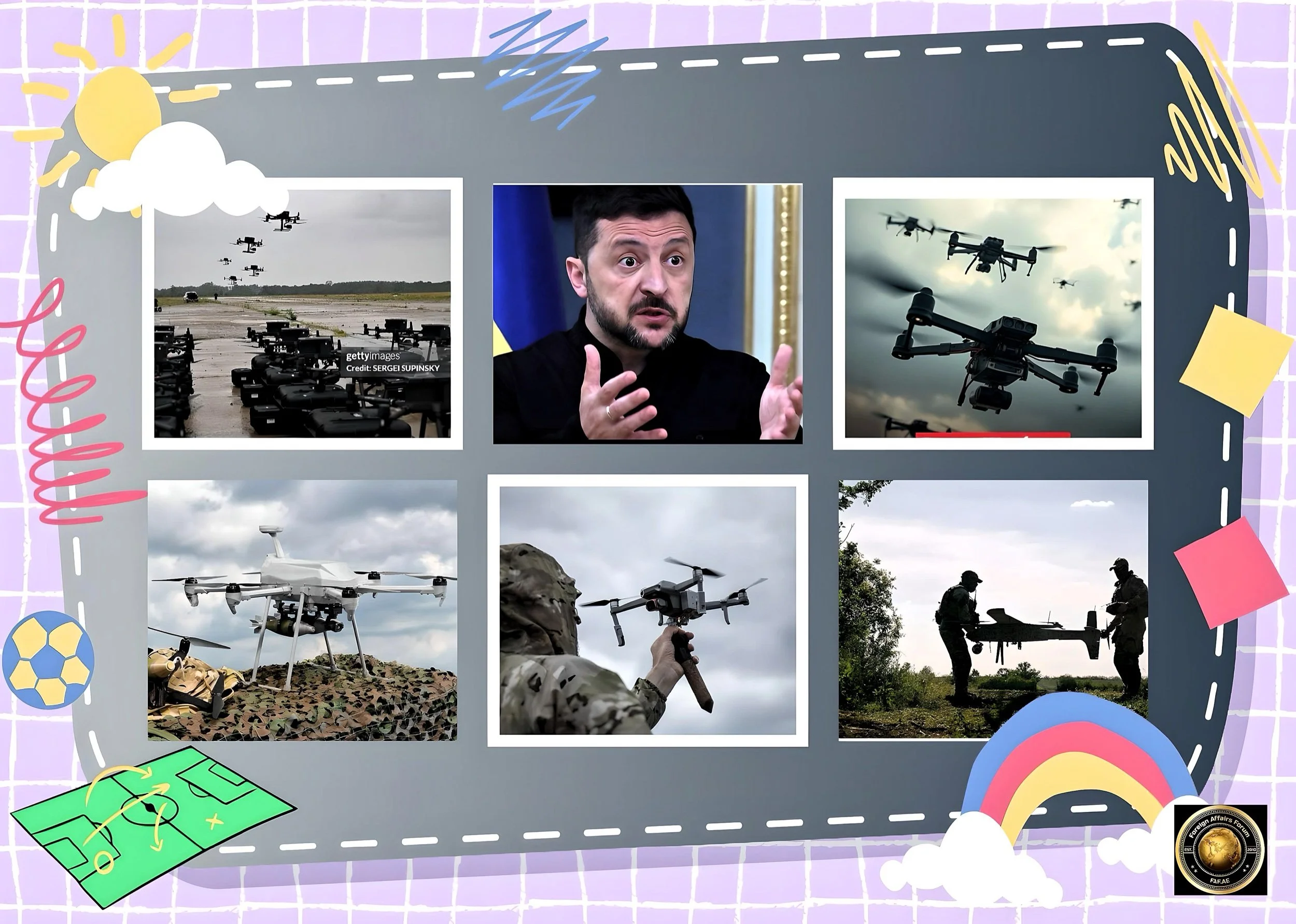
Today the situation is that a drone can cost a few hundred dollars but can carry out similar attacks at very low cost.
A small drone costs only A few hundred dollars, but it can damage a tank worth millions.
A soldier sitting in a trench can control the drone using simple goggles and a controller.
The drone sends live video back to the operator and can drop explosives directly on the target.
Commercial technology has made warfare cheaper and faster.
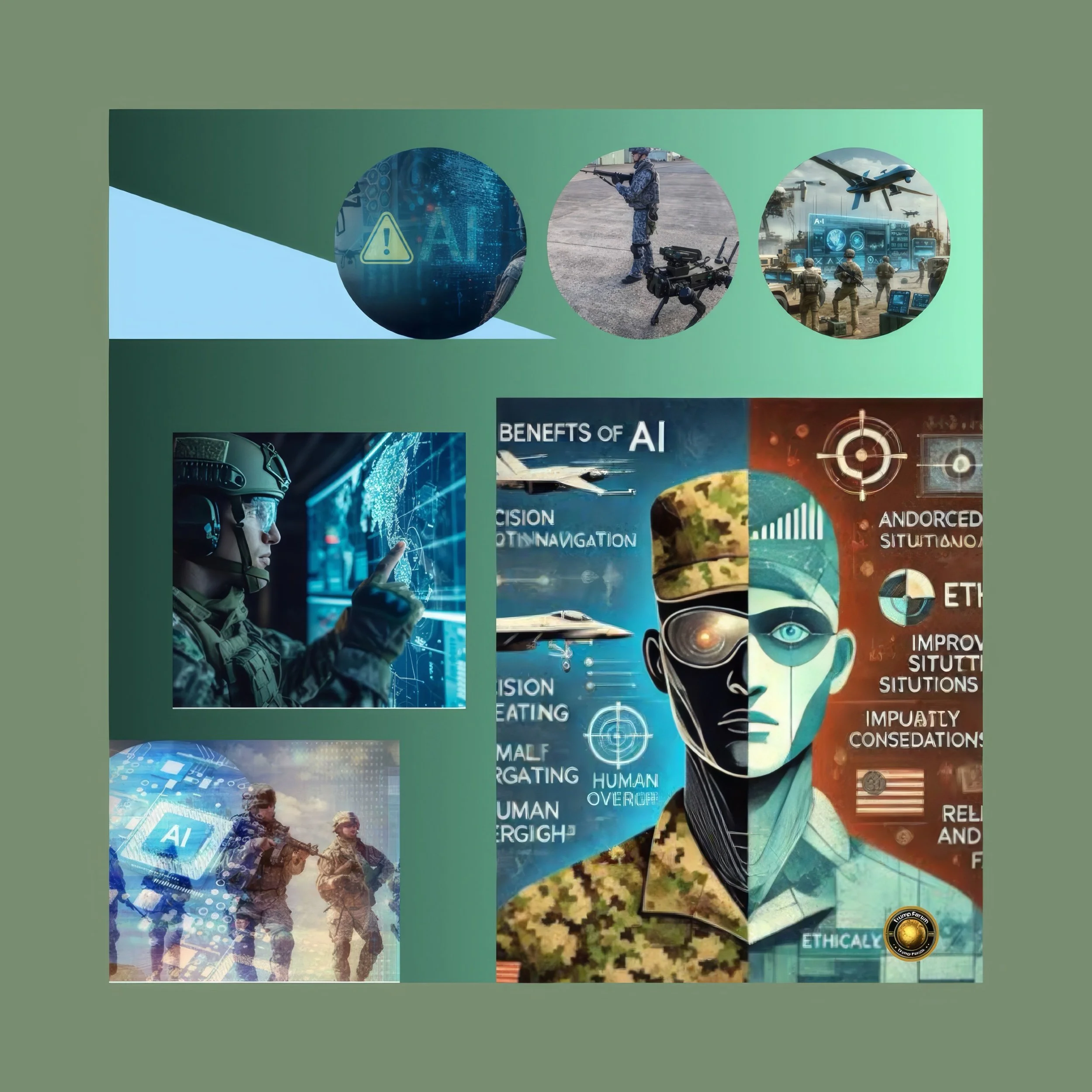
Drones, satellite communications, and artificial intelligence systems are now used on the battlefield.
These technologies are often designed for civilian use but can easily be adapted for military purposes.
Because of this change, traditional military procurement systems are struggling to keep up.
In the past, armies built weapons designed to last for decades.
Today technology evolves so quickly that software and digital systems may become outdated in only a few years.
Understanding this change is very important for governments and military leaders.
The countries that adapt quickly to algorithm warfare will gain an advantage.
Those that fail to adapt may lose their technological edge.
Introduction
Modern warfare is entering a new era.
Technology used in everyday life is now playing a major role on the battlefield.
Commercial drones, artificial intelligence software, and satellite communications systems are being used by soldiers and military planners.
This new type of warfare is often called algorithm warfare.
Algorithms are sets of instructions used by computers to analyze information and make decisions.
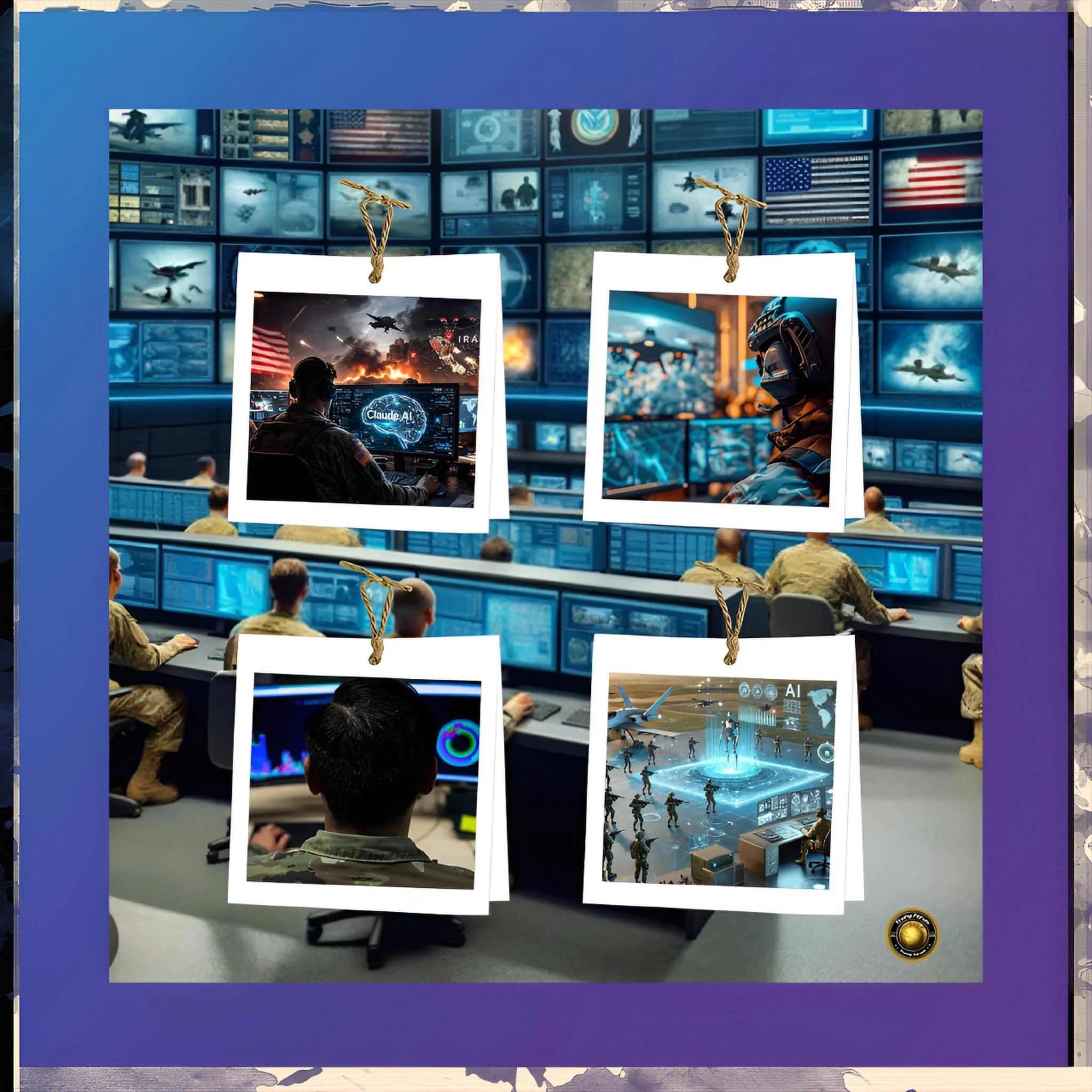
In military operations, algorithms help analyze data, guide drones, and identify targets.
One of the most important reasons for this change is the growth of the global technology industry.
Companies that build smartphones, cameras, and software are creating technologies that can also be used in war.
For example, drones that were originally designed for photography can now carry small explosives.
Satellite companies that provide internet services can also support military communications.
Because these technologies are widely available, many countries can now access advanced capabilities. This has made warfare more unpredictable.
History and current situation
In the past, advanced military technology was controlled by a small number of powerful countries. Developing precision weapons required huge investments in research and manufacturing.
During the Cold War, the United States and the Soviet Union spent enormous amounts of money building missiles, satellites, and advanced aircraft.
Smaller countries could not afford these technologies.
However, the technology industry has changed this situation.
Computers have become much cheaper and more powerful. Small sensors used in phones and cameras can also be used in drones and military equipment.
As a result, many technologies used in modern war now come from the commercial sector rather than traditional defense companies.
Key developments
Several technological changes have helped create algorithm warfare.
Artificial intelligence allows computers to analyze huge amounts of data quickly. This helps military planners understand what is happening on the battlefield.
Drones have also improved greatly. They are cheaper, easier to use, and capable of carrying cameras and small weapons.
Satellite networks are another important development. They provide communication and internet connections even in remote areas.
Latest facts and concerns
The use of cheap technology in war creates new problems. Expensive military equipment can be destroyed by very cheap drones.
Another concern is that non-state groups may also gain access to these technologies. Terrorist organizations could use drones or artificial intelligence tools to carry out attacks.
Cause and effect
The main reason for algorithm warfare is the rapid progress of commercial technology.
Companies competing in global markets develop new products quickly. These innovations can easily be adapted for military use.
As technology becomes cheaper, more countries can access advanced capabilities. This changes the balance of power.
Future steps
Military organizations must change the way they develop and buy technology.
They need faster procurement systems and closer cooperation with technology companies.
Armies must also train soldiers to use digital systems and analyze data.
Conclusion
Algorithm warfare shows how technology is changing modern conflict.
Cheap drones, artificial intelligence, and commercial satellites are transforming the battlefield.
Countries that understand this transformation and adapt quickly will gain strategic advantages.
Those that continue relying only on traditional weapons may find themselves vulnerable in future conflicts.