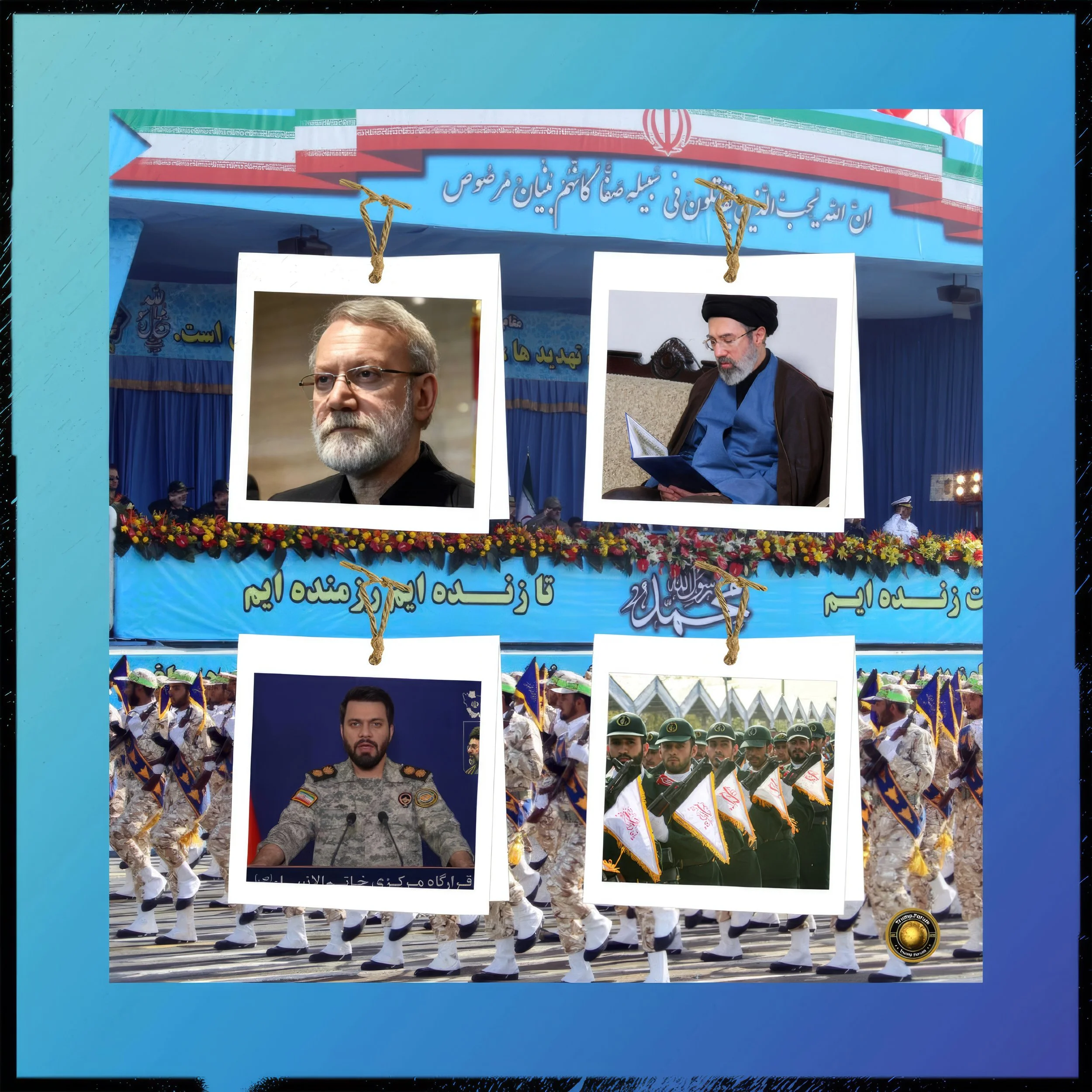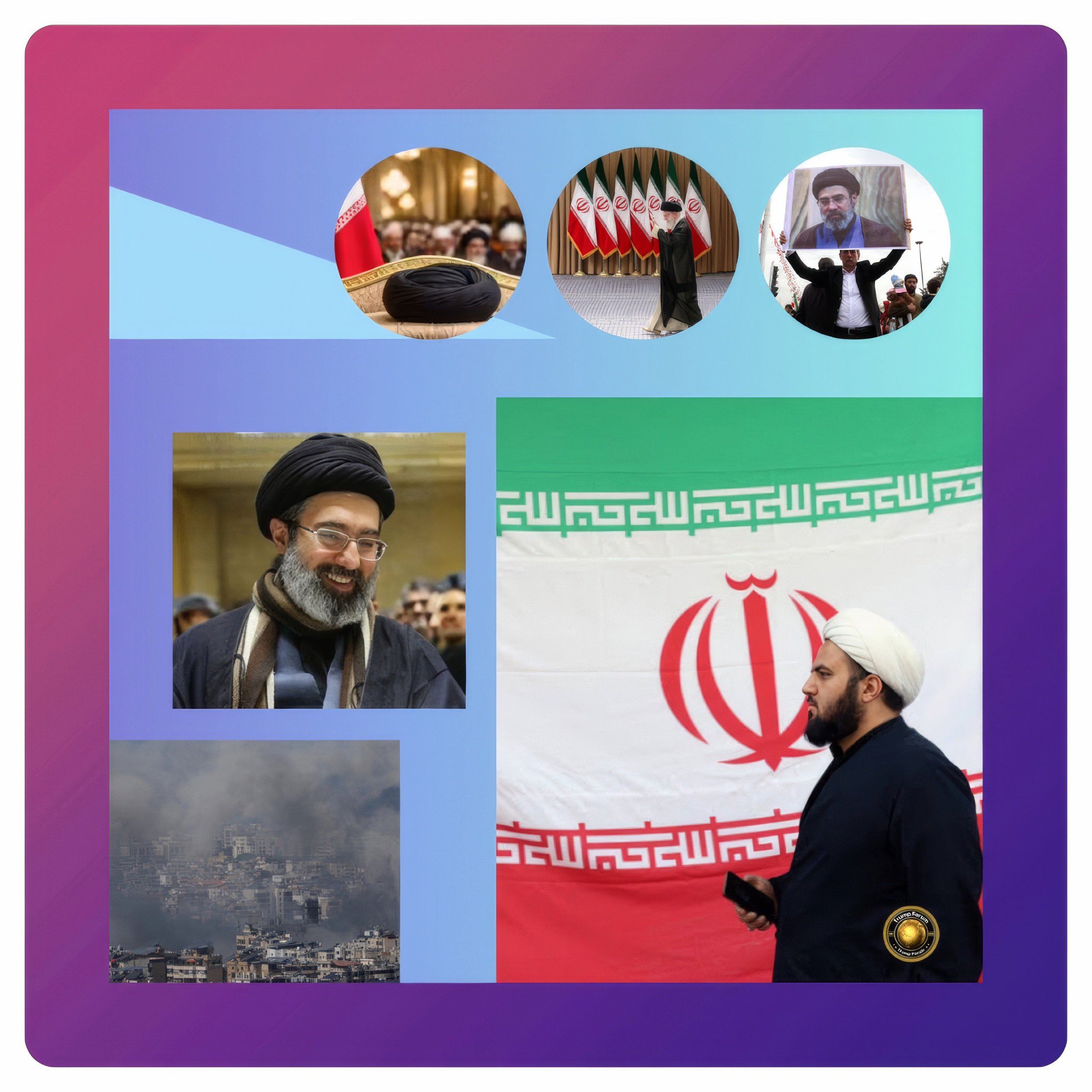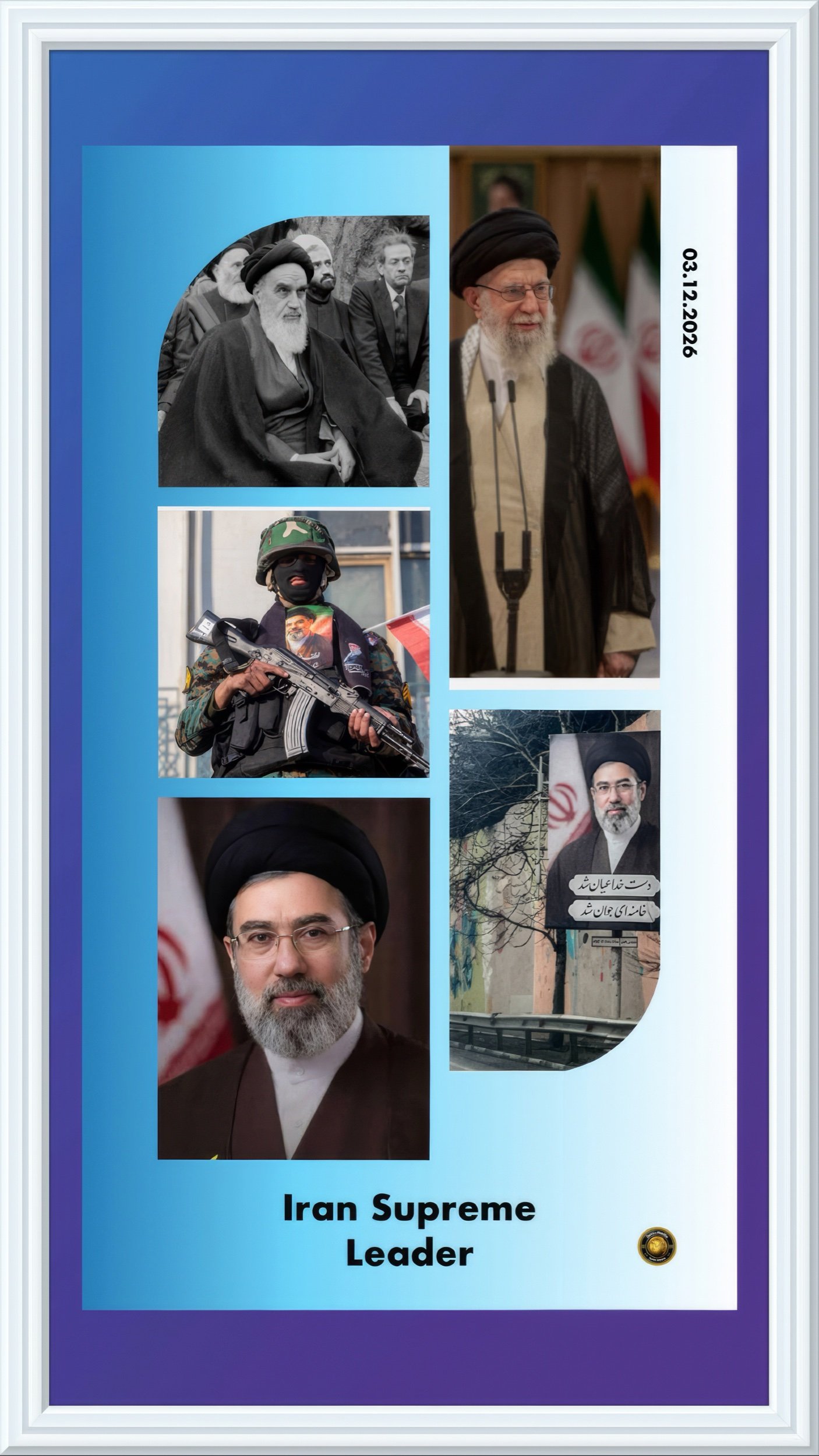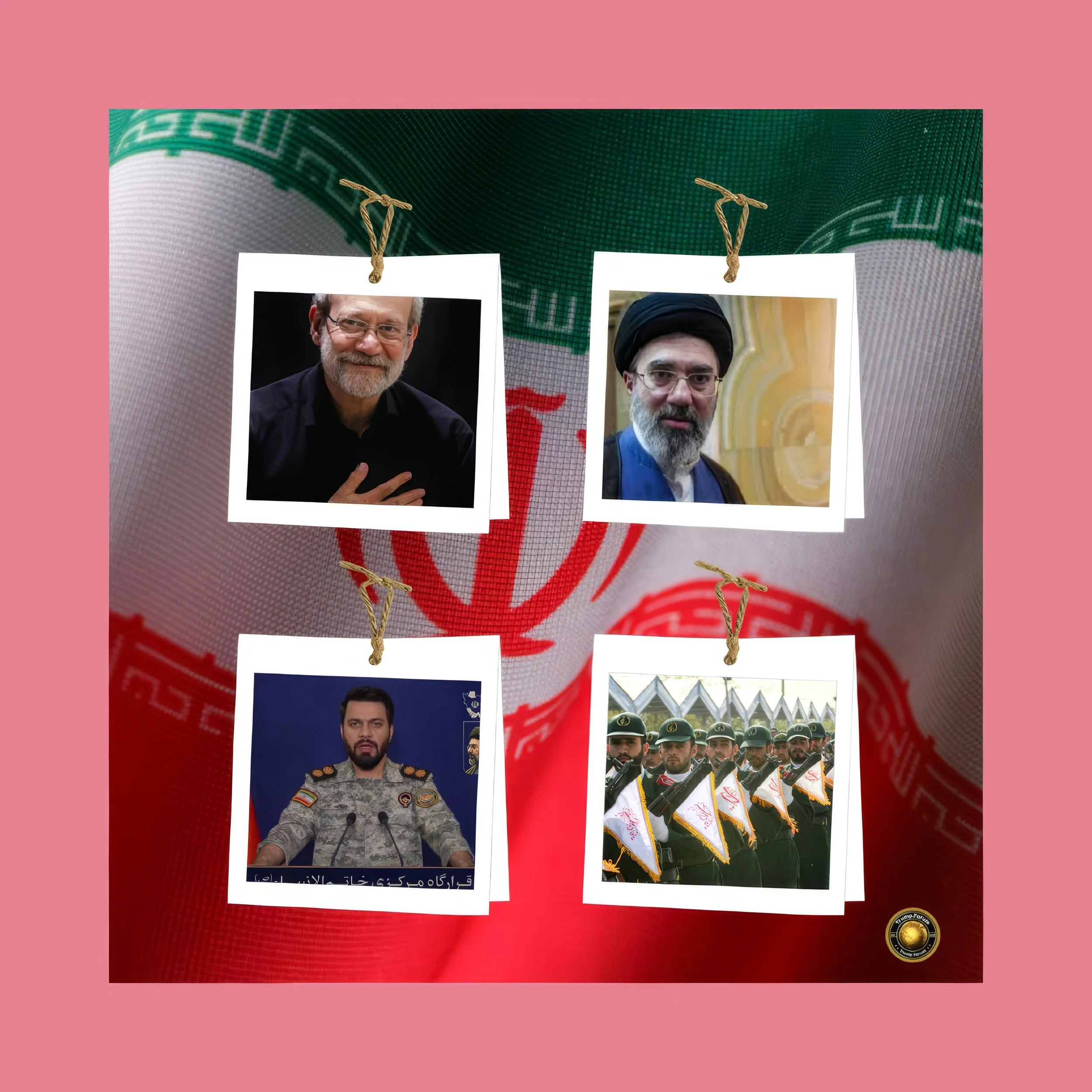
The emergence of figures like Mohammad Bagher Zolghadr signals a durable transition toward a post-clerical state model
Executive summary
The Man Who Represents Post-Cleric Iran
The Islamic Republic of Iran was founded as a clerical state, but its real governing center has steadily shifted away from the clergy and toward a disciplined security-bureaucratic elite.
This transformation did not begin with the recent war, nor with the protest cycles of the past decade.
Rather, it has been the result of a long institutional evolution in which revolutionary security organizations, administrative networks, and ideological enforcement bodies gradually accumulated authority at the expense of the traditional clerical establishment.
Mohammad Bagher Zolghadr represents this transition especially well because his career reflects the fusion of revolutionary legitimacy, coercive capacity, and bureaucratic management that now defines the state’s inner core.
The central argument is that Iran should no longer be understood primarily as a clerical republic in the old sense.
Clerical symbolism, religious legitimacy, and the formal architecture of the Islamic Republic remain important, but they no longer fully explain where effective power lies.
Real authority now rests increasingly in a post-clerical governing class composed of security officials, institutional managers, intelligence-linked administrators, and ideologically committed state functionaries.
This class does not reject the Islamic Republic’s original principles.
Instead, it has absorbed them into a new operational logic that prizes control, institutional durability, surveillance, strategic discipline, and bureaucratic coordination more than classical clerical leadership.
This shift was shaped by several historical forces. The Iran-Iraq War elevated the prestige and organizational reach of security institutions.
Later, sanctions, factional paralysis, economic isolation, and repeated episodes of domestic unrest deepened the state’s dependence on coercive and administrative bodies that could act quickly and cohesively.
The result has been the consolidation of a hybrid order: still religious in language, still revolutionary in self-image, but increasingly security-centered in practice.
In this system, figures like Zolghadr matter not simply because they hold office, but because they embody the kind of stakeholder who can move across military, judicial, administrative, and ideological domains with unusual effectiveness.
FAF article argues that recent conflict with the United States and Israel has accelerated this trend but did not create it.
The war has strengthened centralization, intensified command-style governance, and further legitimized the role of stakeholders who present themselves as guardians of national survival.
Yet the deeper story is structural, not episodic. Iran’s political evolution has been heading in this direction for years, as the state adapted to permanent crisis by privileging institutions that could secure obedience, coordinate resources, and preserve regime continuity.
This transformation carries major implications.
Domestically, it means that future governance is likely to become even more centralized, technocratic, and security-conscious, even if clerical institutions remain publicly visible.
Socially, it raises questions about legitimacy, especially among younger Iranians who may view ideological authority as less persuasive than previous generations did.
Internationally, it means outside powers risk misunderstanding Iran if they continue to treat clerics alone as the decisive center of power.
To understand Iran’s present and future, one must understand the post-clerical state now taking shape beneath the Islamic Republic’s familiar religious facade.
Introduction
Security elites, not clerics, now shape Iran’s political core as power shifts decisively toward institutionalized coercion networks
The Islamic Republic of Iran was conceived as a clerical polity, a state where religious authority would guide political decision-making and where legitimacy would derive from theological guardianship.
Yet the contemporary Iranian state bears only partial resemblance to that founding vision.
The transformation has not been abrupt, nor has it been solely the result of recent geopolitical crises.
Instead, it reflects a gradual but decisive reconfiguration of power structures, culminating in the emergence of a new governing class that operates at the intersection of security, bureaucracy, and ideology.
The ascent of figures such as Mohammad Bagher Zolghadr illustrates this shift.
His career trajectory—from revolutionary networks to senior roles within Iran’s security and administrative apparatus—captures the essence of a broader institutional evolution.
This transformation is often misinterpreted as a reactive militarization driven by war or sanctions.
In reality, it represents the maturation of a parallel system of governance that has steadily accumulated authority over decades.
Understanding this transition requires moving beyond simplistic narratives of clerical dominance or military takeover.
Iran today is governed by a complex hybrid system in which religious symbolism persists but operational power resides increasingly within a disciplined, security-oriented elite.
FAF article explores how that system emerged, how it functions, and what it means for Iran’s future.
History and current status
The rise of a hybrid state blending ideology, militarization, and bureaucratic control reflects decades-long evolution beyond revolutionary clerical dominance
Iran’s post-revolutionary order initially revolved around clerical supremacy, institutionalized through the doctrine of guardianship and embodied in the authority of the Supreme Leader.
Figures like Ruhollah Khomeini established a system in which religious legitimacy was inseparable from political power.
Early governance structures reflected this synthesis, with clerics occupying key positions across the state.
However, even in the early years, the seeds of an alternative power structure were present.
Revolutionary institutions, particularly the security apparatus, were created to defend the state against internal and external threats.
These institutions developed their own networks, resources, and operational autonomy.
Over time, they expanded beyond their original mandates, becoming deeply embedded in economic, political, and administrative domains.
The Iran-Iraq War played a decisive role in accelerating this process.
The conflict necessitated centralized coordination, logistical innovation, and strategic adaptability.
Security institutions emerged from the war with enhanced prestige and organizational capacity.
Their role in safeguarding the state granted them legitimacy that extended beyond purely military functions.
In the decades that followed, the balance of power gradually shifted.
Clerical authority remained symbolically central, particularly under leaders like Ali Khamenei, but operational governance increasingly relied on security-linked administrators.
This shift was not always visible, as it unfolded within existing institutional frameworks.
Yet its effects were profound, reshaping decision-making processes and redefining the nature of political authority.
Today, Iran can be understood as a post-clerical state in practice, even if not in formal structure.
Clerics continue to occupy prominent positions, but they no longer monopolize power.
Instead, governance is characterized by a fusion of ideological oversight and technocratic-security management.
Figures like Zolghadr embody this synthesis, operating within both ideological and administrative domains while prioritizing stability and control.
Key development
Economic pressure, regional conflict, and internal dissent have accelerated consolidation of authority within security-linked governance structures
The consolidation of this new state form has been driven by several key developments.
Economic pressures, particularly those resulting from sanctions, have necessitated greater efficiency and coordination within the state apparatus.
Security-linked institutions have proven adept at navigating these challenges, leveraging their organizational discipline and resource networks to maintain stability.
At the same time, internal dissent has prompted the state to prioritize control mechanisms. Protests and social unrest have underscored the limitations of purely ideological governance.
In response, authorities have expanded surveillance capabilities and strengthened enforcement structures.
These measures have further elevated the role of security elites within the governing system.
Regional dynamics have also played a significant role.
Iran’s involvement in various conflicts across the Middle East has reinforced the importance of strategic coordination and operational expertise.
Security institutions have been at the forefront of these efforts, enhancing their influence within the broader political landscape.
The recent war with the United States and Israel has accelerated these trends but did not initiate them.
Instead, it has provided a context in which existing dynamics have intensified.
Decision-making has become more centralized, and the importance of rapid, coordinated responses has further entrenched the authority of security-linked governance structures.
Latest facts and concerns
Post-war dynamics are entrenching a technocratic-security class that governs through control, surveillance, and strategic pragmatism
Recent developments highlight both the strengths and vulnerabilities of Iran’s evolving state model.
On one hand, the system has demonstrated resilience in the face of external pressure.
The integration of security and administrative functions has enabled the state to respond effectively to crises, maintaining a degree of stability despite significant challenges.
On the other hand, this model raises concerns about long-term sustainability.
The emphasis on control and centralization may limit adaptability, particularly in addressing complex economic and social issues.
The marginalization of alternative voices within the political system could also undermine legitimacy over time.
Another concern relates to generational change. Younger Iranians, who have grown up in a different socio-political environment, may be less receptive to the narratives that underpin the current system.
This creates a potential tension between the state’s emphasis on stability and the population’s evolving expectations.
Internationally, Iran’s post-clerical transformation complicates diplomatic engagement.
External stakeholders often continue to interpret the Iranian state through the lens of clerical authority, potentially misreading its priorities and decision-making processes.
Recognizing the role of security-linked governance is essential for understanding Iran’s strategic behavior.
Cause-and-effect analysis
Iran’s future trajectory will depend on balancing ideological legitimacy with administrative efficiency and coercive resilience amid external pressures
The emergence of a post-clerical state in Iran can be understood as the result of several interrelated causes.
The initial cause lies in the institutional design of the Islamic
Republic itself. By creating parallel structures of authority, the system allowed for the gradual accumulation of power within non-clerical institutions.
The prolonged experience of conflict further reinforced this dynamic.
War and external threats necessitated the development of robust security capabilities, which in turn expanded the influence of those responsible for maintaining them.
Over time, these capabilities translated into political and economic power.
Economic constraints have also played a critical role.
Sanctions and resource limitations required efficient management and strategic planning, areas in which security-linked institutions excelled.
Their ability to navigate these challenges enhanced their credibility and authority.
The effect of these factors has been the gradual displacement of clerical dominance by a more complex system of governance.
This system retains ideological elements but prioritizes operational effectiveness and control.
Figures like Zolghadr represent the culmination of this process, embodying a new form of leadership that blends ideological commitment with administrative expertise.
Future steps
The transformation challenges traditional analyses that overemphasize clerical authority while underestimating structural institutional change
Looking ahead, the trajectory of Iran’s post-clerical state will depend on its ability to adapt to evolving domestic and international conditions.
One key challenge will be balancing control with responsiveness.
Maintaining stability requires effective governance, but excessive centralization may hinder innovation and reform.
Economic management will be particularly critical.
Addressing structural issues and improving living standards will require policies that go beyond crisis management.
This may necessitate greater openness within the system, as well as the incorporation of diverse perspectives.
Another important factor will be the relationship between ideology and pragmatism.
The state’s legitimacy continues to depend, in part, on its ideological foundations.
However, effective governance increasingly requires pragmatic decision-making. Navigating this tension will be essential for long-term stability.
Finally, Iran’s interactions with the international community will shape its future.
Understanding the nature of its post-clerical system may lead to more effective engagement strategies.
Conversely, continued misinterpretation could exacerbate tensions and limit opportunities for cooperation.
Conclusion
Domestic governance increasingly reflects centralized command logic rather than dispersed religious authority or populist revolutionary energy
The rise of Mohammad Bagher Zolghadr is not an anomaly but a reflection of a broader transformation within the Islamic Republic of Iran.
The state that once centered on clerical authority has evolved into a hybrid system in which security-linked governance plays a dominant role.
This shift has been gradual, shaped by institutional design, historical experience, and external pressures.
Understanding this transformation is essential for interpreting Iran’s current behavior and anticipating its future trajectory.
The post-clerical state is characterized by resilience and adaptability, but it also faces significant challenges.
Balancing control with legitimacy, efficiency with inclusiveness, and ideology with pragmatism will determine its long-term viability.
As Iran continues to navigate a complex and often hostile environment, the consolidation of this new state form suggests that the era of purely clerical governance has given way to something more intricate.
The implications of this shift extend beyond Iran itself, offering insights into how revolutionary systems evolve and how power is reconfigured over time.