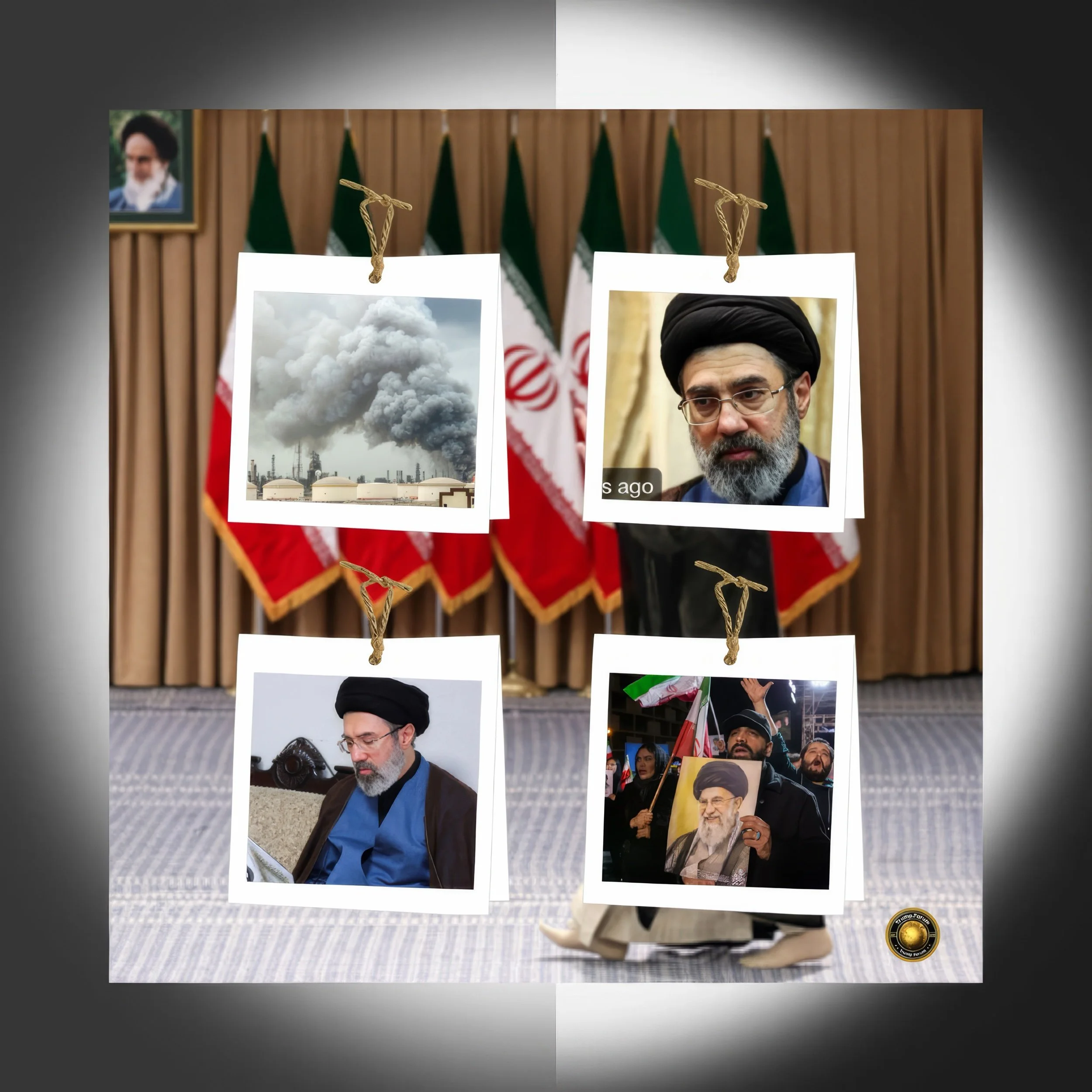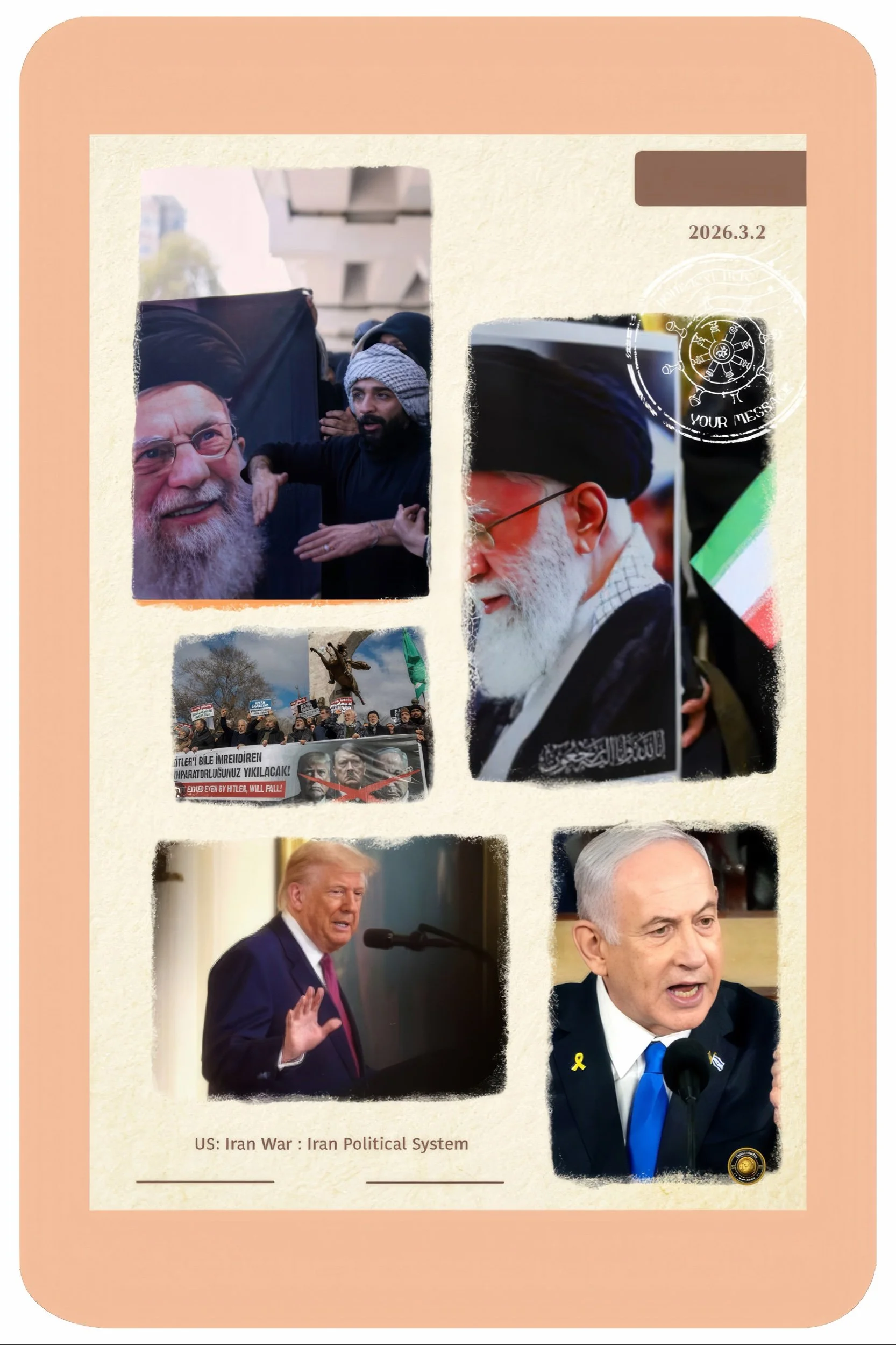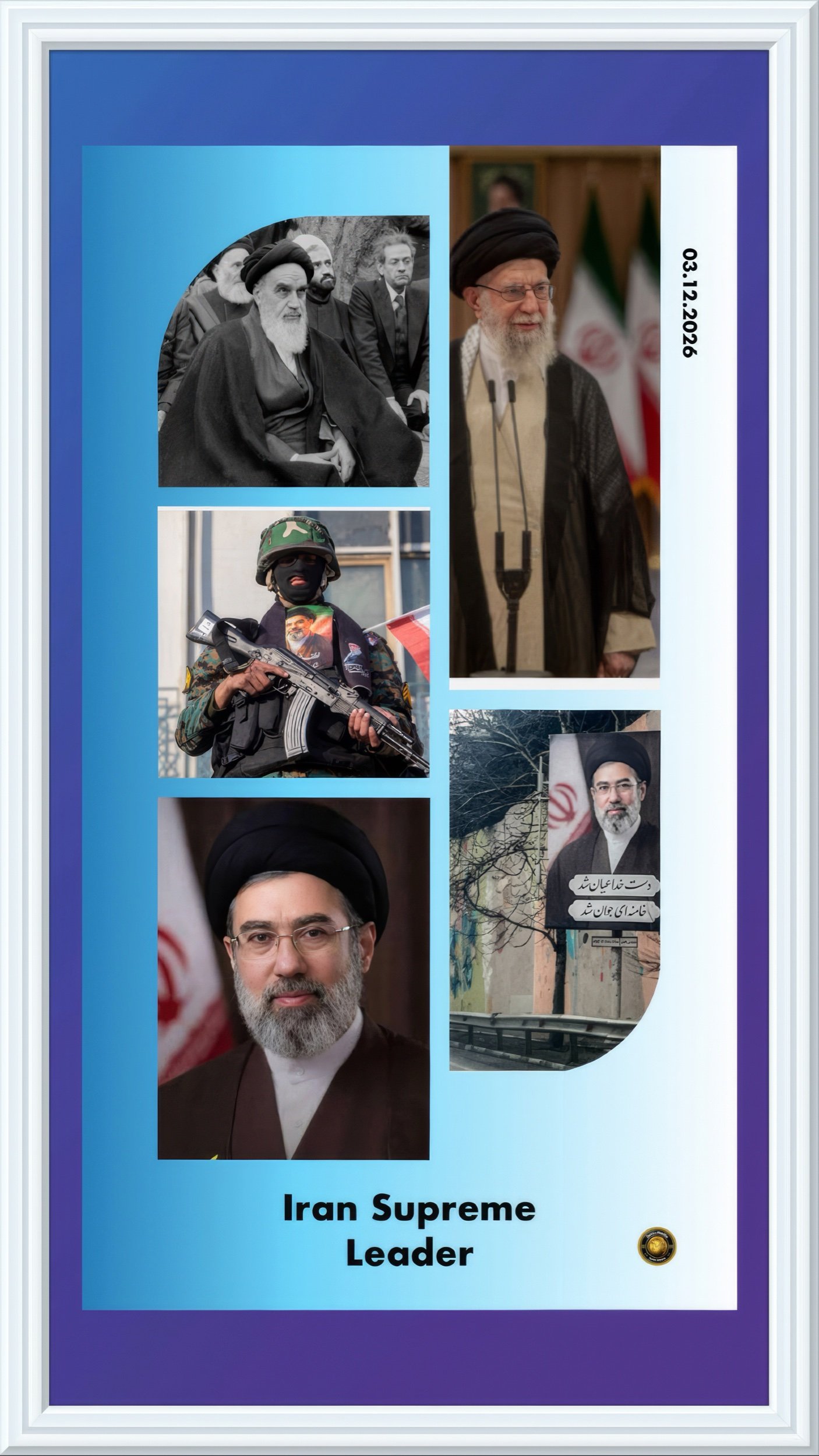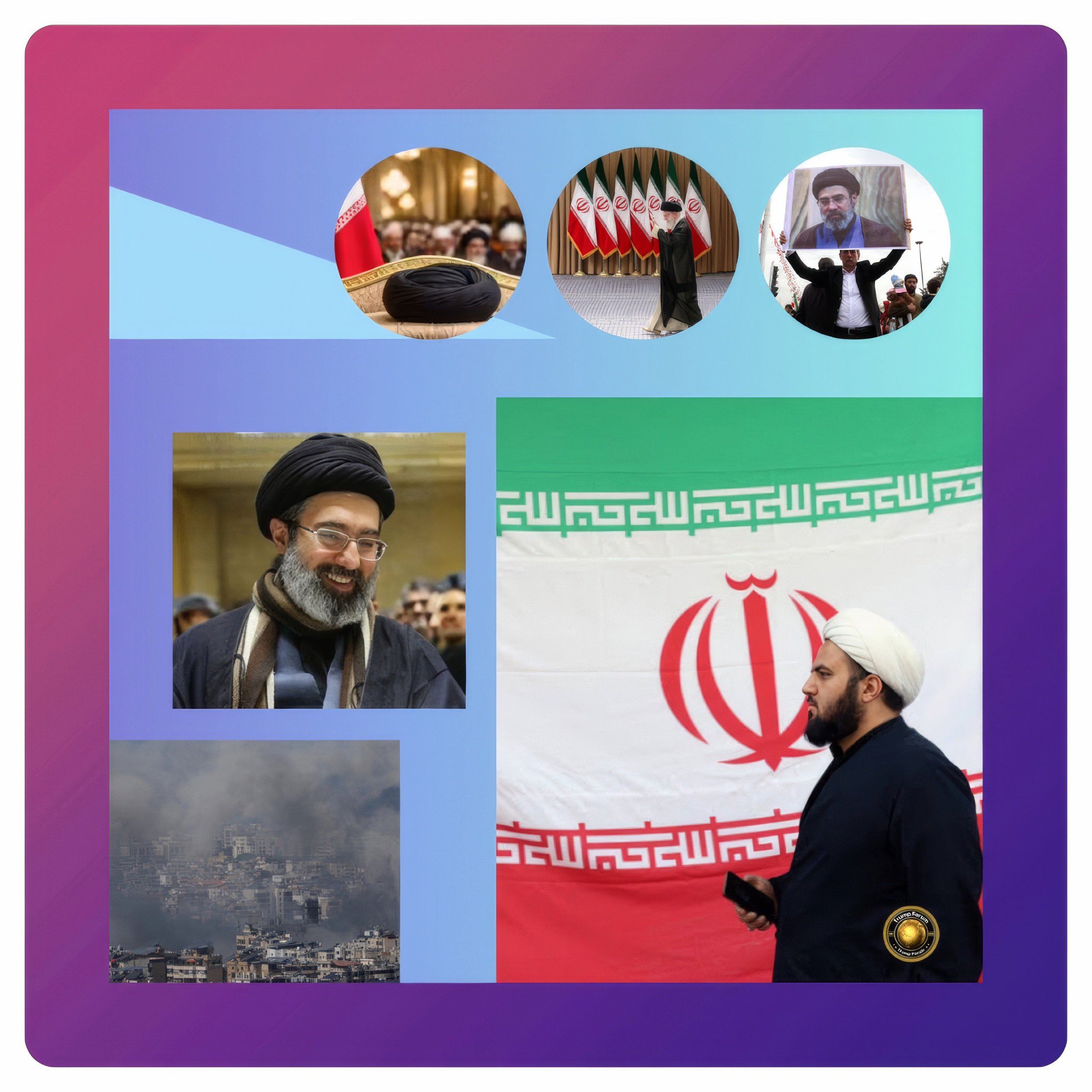
Iran’s Dynastic Turn: Mojtaba Khamenei’s Rise Signals A Defiant Islamic Republic Entering Uncertain Revolutionary Territory Ahead
Executive Summary
From Revolution To Dynasty: Mojtaba Khamenei’s Appointment Reshapes Iran’s Political Future And Regional Power Balance
Iran’s decision to elevate Mojtaba Khamenei, the son of the late Supreme Leader Ali Khamenei, marks one of the most controversial moments in the history of the Islamic Republic.
Since its founding in 1979, the Iranian system has sought to distance itself from monarchy and hereditary rule.
The revolution that toppled Shah Mohammad Reza Pahlavi was rooted in the rejection of dynastic authority and Western-backed autocracy.
The Islamic Republic instead built its legitimacy around clerical guardianship, revolutionary institutions, and ideological resistance.
The emergence of Mojtaba Khamenei as Supreme Leader therefore represents a paradox. It appears to transform the Islamic Republic into something dangerously close to the monarchy it once overthrew.
Yet the leadership’s decision is not merely symbolic or familial. It reflects deep strategic calculations within Iran’s power structure.
Key institutions such as the Islamic Revolutionary Guard Corps, influential clerical networks, and security institutions appear to view Mojtaba Khamenei as a figure capable of preserving continuity during a period of immense internal and external pressure.
The appointment comes at a time when Iran faces economic stagnation, domestic unrest, generational dissatisfaction, regional confrontations, and intense confrontation with Western powers.
At the same time, Tehran has expanded its regional influence through networks in Iraq, Syria, Lebanon, and Yemen, while pursuing a complex nuclear strategy that continues to challenge international diplomacy.
FAF article explores the historical foundations of Iran’s leadership structure, the ideological contradictions inherent in dynastic succession, the political forces enabling Mojtaba Khamenei’s rise, and the broader consequences for Iran’s domestic stability and geopolitical posture. It argues that the decision signals a defensive transformation within the Islamic Republic.
Rather than demonstrating strength, the move reveals a system seeking survival through consolidation of power, institutional loyalty, and ideological continuity.
Whether Mojtaba Khamenei’s leadership strengthens the Islamic Republic or accelerates its internal contradictions will shape the future of Iran and the wider Middle East for decades.
Introduction
Clerical Republic Or Family Dynasty: Mojtaba Khamenei’s Rise Tests Iran’s Revolutionary Ideology And Political Stability
Leadership succession has always been one of the most delicate questions in revolutionary political systems. Unlike monarchies, which often rely on hereditary continuity, revolutionary regimes derive legitimacy from ideology, institutional loyalty, and political struggle.
The Islamic Republic of Iran is a striking example of this tension. Created through revolution, shaped by war, and governed through clerical authority, the system was designed to avoid dynastic rule.
The rise of Mojtaba Khamenei therefore carries enormous symbolic weight. As the son of Iran’s previous Supreme Leader, his elevation challenges the ideological foundations of the Islamic Republic while simultaneously reinforcing the power structures that sustain it.
For years, Mojtaba Khamenei remained an enigmatic figure within Iranian politics. Unlike senior clerics who regularly appear in public religious life, he maintained a relatively low profile while cultivating relationships with security institutions, conservative clerical networks, and segments of the Revolutionary Guard.
These relationships gradually transformed him into a behind-the-scenes power broker.
His formal emergence as Supreme Leader signals a dramatic shift in the political evolution of the Islamic Republic. The transition highlights both the resilience and fragility of Iran’s system.
On one hand, the regime has successfully navigated decades of sanctions, regional wars, and internal dissent. On the other hand, the reliance on familial succession reveals deep concerns about institutional fragmentation and political instability.
Understanding this transition requires examining the ideological origins of Iran’s leadership structure and the historical role of clerical authority in shaping the country’s governance.
History And Current Status Of Leadership In The Islamic Republic
The Islamic Republic was born from the revolutionary upheaval of 1979. Millions of Iranians mobilized against the monarchy of Shah Mohammad Reza Pahlavi, whose regime was widely perceived as authoritarian, corrupt, and closely aligned with Western interests.
The revolution united diverse ideological forces, including religious scholars, secular intellectuals, leftist movements, and nationalist organizations.
At the center of this movement stood Ayatollah Ruhollah Khomeini, a cleric whose political philosophy reshaped the relationship between religion and governance.
Khomeini’s doctrine of velayat-e faqih, or guardianship of the jurist, argued that senior Islamic scholars should exercise political authority in order to guide society according to Islamic principles.
Following the revolution, this doctrine became the constitutional foundation of the Islamic Republic.
The Supreme Leader was established as the highest authority in the political system, overseeing the armed forces, judiciary, media institutions, and key political bodies.
The first Supreme Leader, Ayatollah Khomeini, ruled from 1979 until his death in 1989. His leadership combined religious legitimacy, revolutionary charisma, and wartime authority during the Iran-Iraq conflict.
After his death, Ali Khamenei was selected as his successor. Although he lacked Khomeini’s religious stature, the political establishment rallied behind him in order to preserve stability during a critical transition.
Over more than three decades in power, Ali Khamenei gradually expanded the institutional influence of the Supreme Leader’s office.
He strengthened alliances with the Revolutionary Guard, empowered conservative clerical networks, and positioned Iran as a central stakeholder in regional geopolitical competition.
The emergence of Mojtaba Khamenei therefore represents the third major leadership phase of the Islamic Republic.
Key Developments Leading To Mojtaba Khamenei’s Rise
Mojtaba Khamenei’s ascent did not occur suddenly. It evolved gradually through years of political maneuvering and institutional alliances.
One important factor was his relationship with the Revolutionary Guard. Over time, Mojtaba cultivated strong ties with senior security figures who play a decisive role in maintaining regime stability. These relationships increased his influence in internal power struggles.
Another factor was the growing fragmentation among Iran’s clerical establishment. Many senior clerics lacked the political networks necessary to command consensus across the system.
Mojtaba’s connections with security institutions provided a unifying mechanism for conservative factions seeking continuity.
His involvement in Iran’s political life became more visible during contested elections and periods of domestic unrest.
Reports suggested that he played an influential role in coordinating responses to political protests and electoral disputes.
By the time the question of succession became unavoidable, Mojtaba Khamenei had already emerged as a central stakeholder within Iran’s power structure.
Latest Facts And Concerns Surrounding The Appointment
The appointment of Mojtaba Khamenei raises several concerns within Iranian society and the broader international community.
One issue involves legitimacy.
The Islamic Republic’s ideological identity rests on revolutionary principles rather than hereditary rule. The elevation of the Supreme Leader’s son risks undermining that narrative and provoking criticism from reformist factions and segments of the public.
Another concern involves generational change. Iran’s population is young, urbanized, and increasingly disconnected from the revolutionary narratives that shaped the country’s political system.
Many citizens demand economic opportunity, social openness, and political accountability.
A dynastic transition could intensify dissatisfaction among younger Iranians who already view the political system as resistant to reform.
Externally, regional powers and Western governments will closely monitor how Mojtaba Khamenei shapes Iran’s foreign policy strategy, particularly regarding nuclear negotiations and regional security.
Cause And Effect Analysis
Defiance And Succession: Iran Signals Regime Continuity As Mojtaba Khamenei Emerges As The Islamic Republic’s Leader
The rise of Mojtaba Khamenei reflects deeper structural pressures within Iran’s political system.
Years of economic sanctions have constrained Iran’s economy, limiting growth and reducing living standards for many citizens. These pressures have fueled periodic protests and political discontent.
At the same time, regional conflicts have strengthened the influence of security institutions within the Iranian state. The Revolutionary Guard has expanded its role not only in military affairs but also in economic and political spheres.
These dynamics created an environment in which continuity became the priority for conservative stakeholders within the system.
Mojtaba Khamenei represented a candidate capable of maintaining institutional alliances while preserving the ideological framework established by his father.
The consequence of this strategy is a more centralized leadership structure that prioritizes regime survival over ideological purity.
Future Steps And Strategic Outlook
Iran’s Dynastic Gamble: Mojtaba Khamenei And The Future Of The Islamic Republic
The future trajectory of Mojtaba Khamenei’s leadership will depend on several critical factors.
One factor involves economic reform. Without meaningful improvement in economic conditions, domestic dissatisfaction could intensify and challenge the regime’s stability.
Another factor involves foreign policy. Iran’s leadership must navigate complex geopolitical relationships with regional rivals, global powers, and emerging alliances.
Mojtaba Khamenei may attempt to combine ideological continuity with pragmatic diplomacy in order to reduce external pressure while maintaining domestic control.
The balance between repression and reform will ultimately shape the durability of his leadership.
Conclusion
The Son Of The Supreme Leader: Mojtaba Khamenei And The Struggle Over Iran’s Revolutionary Legitimacy
The elevation of Mojtaba Khamenei marks a defining moment in the evolution of the Islamic Republic. It represents both continuity and transformation.
While the regime seeks to preserve its revolutionary identity, the adoption of dynastic succession reveals the extent to which political survival now outweighs ideological symbolism.
Whether Mojtaba Khamenei succeeds in stabilizing the system or accelerates its internal contradictions will shape the political future of Iran and influence the strategic landscape of the Middle East.