Introduction
Iran today is not the same country it was after the 1979 revolution.
At that time, religious leaders called clerics were the most powerful people in the system.
They guided politics, made laws, and shaped how the country worked. People believed that religion and government should be closely connected, and this idea became the foundation of the Islamic Republic.
But over time, something changed.
The system did not stay purely religious in practice.
A new group of people became more powerful. These were not traditional clerics.
Instead, they came from security, intelligence, and administrative backgrounds. They learned how to manage crises, control systems, and run institutions.
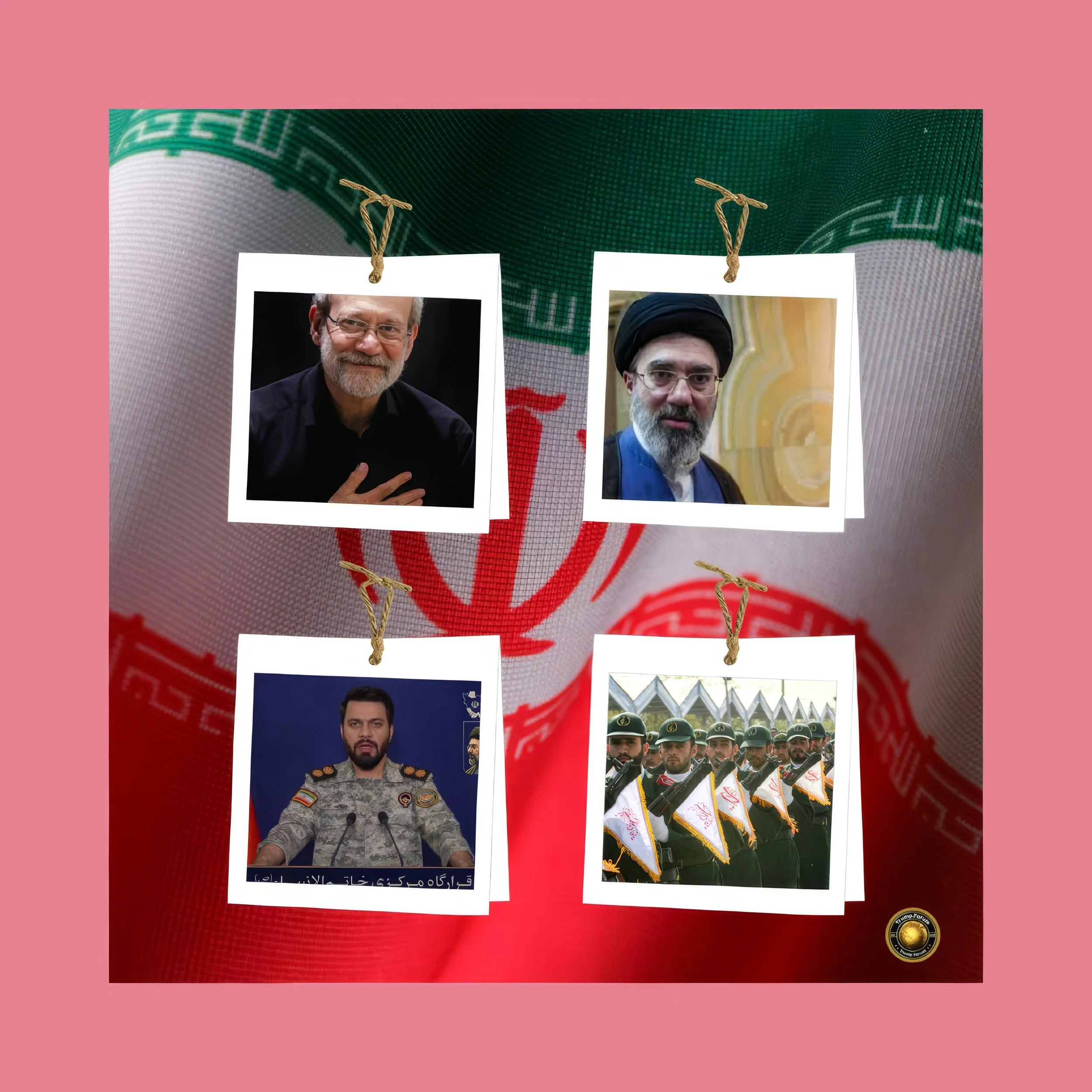
One important example is Mohammad Bagher Zolghadr.
He represents a new type of leader in Iran. He is not just a religious figure.
He is part of a group that focuses on control, organization, and stability. To understand modern Iran, it is important to understand people like him and what they represent.
Early system after the revolution
After the revolution, Ruhollah Khomeini created a system where clerics had the highest authority.
They believed that religious experts should guide society. This idea was very powerful at the time, especially after the monarchy was removed.
In the early years, most key decisions were made by clerics. They controlled important institutions and shaped the country’s direction. Religion was not just a belief system. It became a political system.
However, even in those early years, the government created new organizations to protect itself.
These included security and intelligence bodies. At first, these groups were meant to support the clerics. But slowly, they began to grow stronger.
The impact of war
The Iran-Iraq War had a huge impact on how the country developed. War forces a country to become more organized and disciplined. It requires fast decisions, strong leadership, and efficient systems.
During the war, security institutions became very important.
They managed operations, resources, and strategy. They learned how to handle pressure and solve problems quickly. This made them more powerful and more trusted.
After the war ended, these groups did not lose their influence. Instead, they used their experience to expand into other areas. They became involved in politics, business, and administration.
Think of it like a company during a crisis. The team that solves the crisis often becomes more powerful afterward. The same thing happened in Iran.
Shift in power over time
Over the years, the balance of power changed. Clerics were still important, especially under Ali Khamenei, but they were no longer the only decision-makers.
Security and administrative leaders began to take on more responsibility. They handled daily operations and major challenges. They became the people who actually ran the system.
This change did not happen suddenly. It was gradual. Many people outside Iran did not notice it at first. They still saw Iran as a clerical state. But inside the country, the reality was different.
Today, Iran is a mix of religious authority and security-based governance. Religion is still part of the system, but control and management play a bigger role.
Who are the new leaders
The new leaders in Iran are different from the old clerical leaders.
They are trained in organization, security, and administration. They think in terms of systems, not just ideology.
People like Zolghadr are examples of this group. They can work across different areas, such as government, security, and policy.
They are flexible and practical.
For example, if there is an economic problem, they focus on managing resources. If there is unrest, they focus on control and stability.
Their approach is based on solving problems quickly.
This is very different from earlier leaders who focused mainly on religious ideas.
Key changes in the system
Three main factors helped create this new system.
The first is war, which made security institutions strong.
The second is sanctions, which forced the country to become more efficient.
The third is internal unrest, which increased the need for control.
These factors pushed the government to rely more on people who could manage crises. Over time, these people became central to the system.
For example, sanctions limited access to global markets. This forced Iran to develop internal networks to survive. Security-linked institutions played a big role in this process.
Another example is protests. When people protest, the government needs fast responses. Security groups are trained for this, so their importance increases.
Strengths of the current system
The current system has some clear strengths. It is very resilient. It can handle pressure from outside countries and internal challenges.
For example, despite heavy sanctions, Iran has continued to function. This shows that the system is capable of adapting.
Another strength is coordination. Because power is more centralized, decisions can be made quickly. This is useful during crises.
The system also focuses on stability. It tries to prevent sudden changes that could weaken the country.
Problems and concerns
However, the system also has problems. One major issue is that too much control can create frustration among people.
Many young Iranians want more freedom and better economic opportunities. They may not connect strongly with the older ideological ideas.
For example, a young person looking for a job may care more about income than political ideology. If the system cannot meet these needs, dissatisfaction can grow.
Another concern is flexibility. A highly controlled system may struggle to adapt to new challenges. Innovation often requires openness, which can be limited in such systems.
There is also the issue of legitimacy. If people feel they are not being heard, they may question the system’s authority.
Cause and effect explained simply
The cause of Iran’s transformation is long-term pressure. War, sanctions, and internal challenges forced the country to become more organized and controlled.
The effect is a new type of state. It is not purely religious anymore. It is also not purely military. It is a combination of both, with strong focus on management and security.
You can think of it like a school. At first, teachers (clerics) run everything. But over time, administrators (security leaders) take over daily operations because they are better at managing systems.
Future direction
Looking ahead, Iran faces important choices. It must balance control with change. Stability is important, but so is meeting people’s needs.
For example, improving the economy could reduce dissatisfaction. Creating more opportunities for young people could strengthen support for the system.
The government may also need to listen more to public concerns. This does not mean giving up control, but it may require some flexibility.
Another factor is international relations. How Iran deals with other countries will affect its future. Understanding its system can help others interact with it more effectively.
Conclusion
Iran has changed in a fundamental way. It is no longer a system run mainly by clerics. Instead, it is governed by a mix of religious authority and security-based management.
People like Mohammad Bagher Zolghadr represent this new reality. They show how the system now works in practice.
This change did not happen overnight. It developed over many years through war, pressure, and adaptation.
Understanding this shift helps explain Iran’s behavior today. It shows why the country focuses on control, stability, and survival.
In simple terms, Iran is no longer just a religious state. It is a complex system designed to manage challenges in a difficult world.