Introduction
Imagine a classroom where one student secretly brings a powerful weapon.
The moment others find out, they feel unsafe. Soon, more students try to get similar weapons, not because they want to attack, but because they want protection.
This is how a nuclear arms race works. Once it starts, it spreads quickly and becomes very hard to stop.
Today, the world is in a similar situation. Many countries do not have nuclear weapons, but some are thinking about them.
They see other countries with nuclear power and feel vulnerable. This feeling is the starting point of a dangerous chain reaction.
History in simple terms
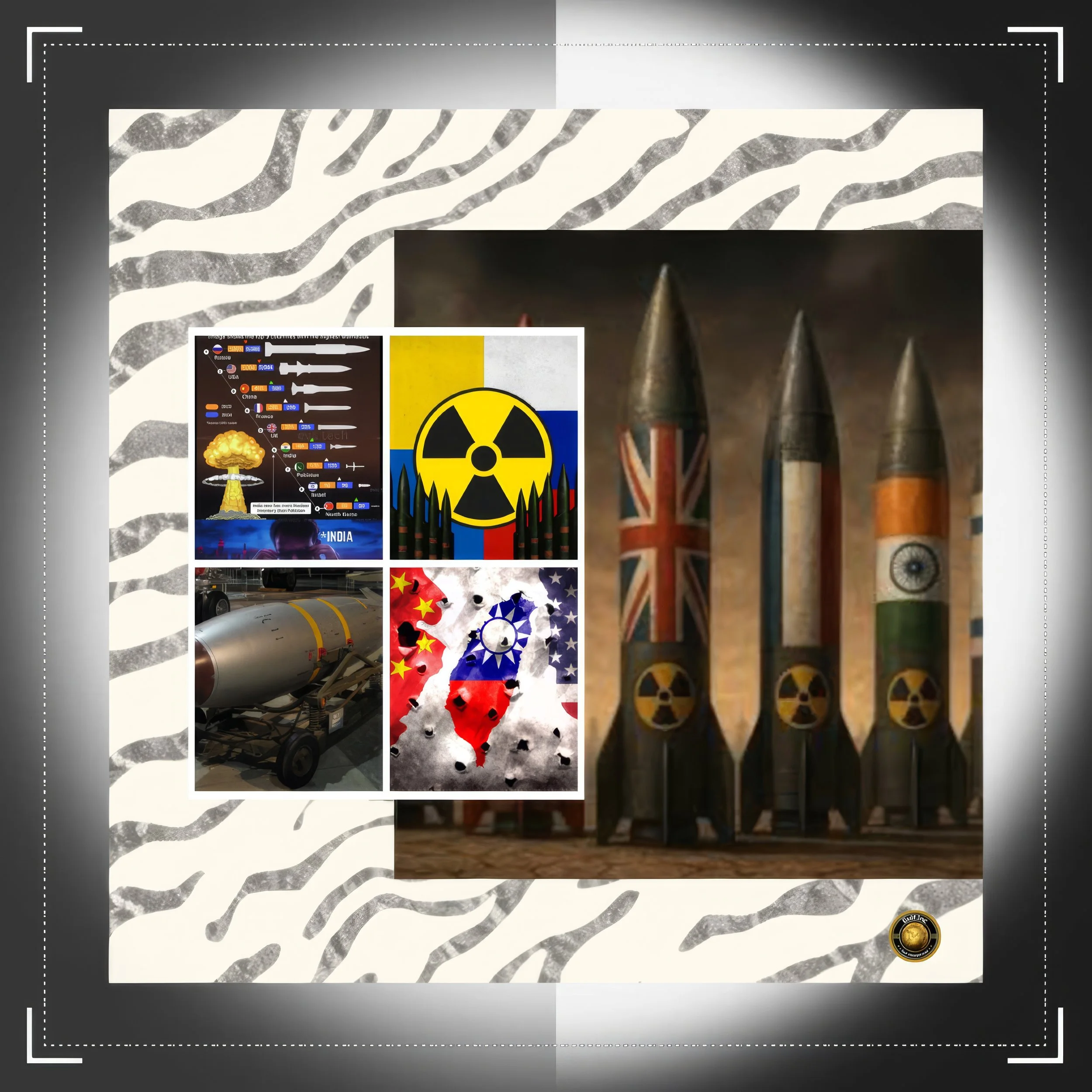
After World War Two, only a few countries had nuclear weapons. Over time, more countries developed them.
To stop this, most countries agreed to follow rules under a global agreement called the Non-Proliferation Treaty. This treaty basically said that new countries should not build nuclear weapons.
For many years, this worked quite well. Countries trusted the system and believed they would be safe without nuclear weapons. Some countries even gave up their nuclear programs.
But now things are changing. Trust between countries is falling. Big powers are competing again. Smaller countries are worried about their safety. This makes the old system weaker.
What is happening now
Today, technology is easier to access. This means countries can move faster if they decide to build nuclear weapons.
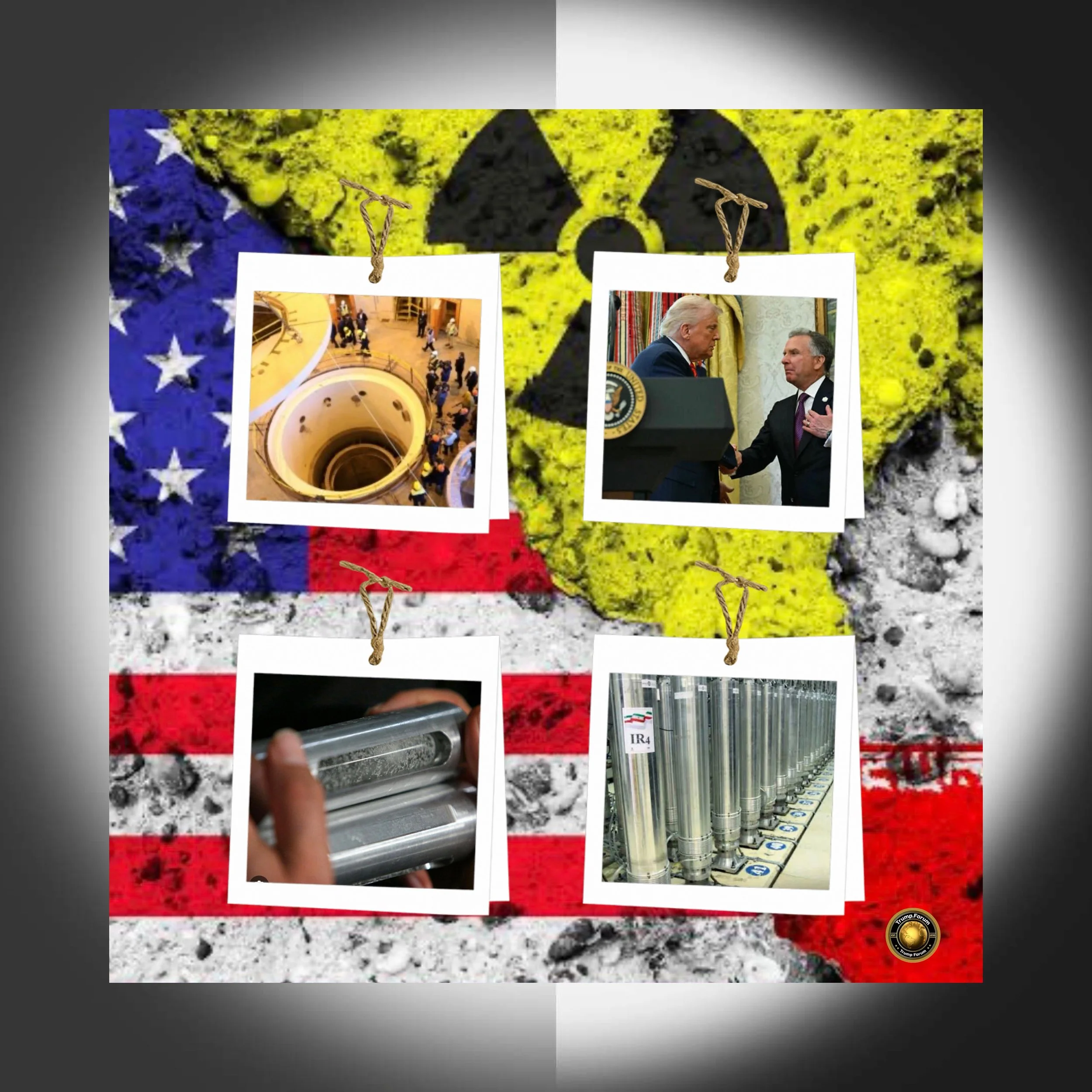
For example, nuclear fuel used for energy can also be used for weapons if processed differently.
At the same time, global politics is more divided. Countries are forming different groups and alliances. If one country feels threatened, it may decide to build nuclear weapons. Then its rival may do the same.
For example, if one country in a region builds a nuclear bomb, nearby countries may feel forced to respond. This creates a chain reaction.
Why it becomes unstoppable
Think of a line of falling dominoes. When one falls, it hits the next. A nuclear arms race works in the same way.
The first cause is fear.
A country feels unsafe and decides to build a nuclear weapon. The second cause is reaction. Other countries see this and respond. The third cause is competition. Each country tries to stay ahead.
Soon, even countries that do not want nuclear weapons feel they have no choice. They join the race just to protect themselves. At this point, stopping becomes very difficult.
Another reason is pride and politics. Leaders may present nuclear weapons as a sign of strength. People may support it because they feel it protects their country. This makes it harder to go back.
Real world example
Imagine two neighboring countries with a history of tension. If one develops nuclear weapons, the other may feel it must do the same. Even if both prefer peace, neither wants to be weaker.
Now imagine a third country nearby. It also feels threatened and joins the race. Soon, the entire region becomes nuclear-armed. This increases the risk of accidents, misunderstandings, or war.
Why this is dangerous
The more countries have nuclear weapons, the higher the risk. Even a small mistake can lead to disaster. For example, a technical error or wrong signal could be seen as an attack.
Also, more weapons mean more chances of them falling into the wrong hands. Terror groups or unstable governments could create serious risks.
Another danger is economic. Countries spend huge amounts of money on weapons instead of health, education, or development. This affects people’s daily lives.
What can be done
To stop this from happening, countries need to rebuild trust. They need to talk to each other, even when they disagree. Communication helps avoid misunderstandings.
Strong global rules are also important. Organizations like the International Atomic Energy Agency help monitor nuclear activities. They make sure countries follow the rules.
Countries can also offer security guarantees. This means promising to protect allies so they do not feel the need to build their own nuclear weapons.
Finally, solving regional conflicts is key. When tensions go down, the need for nuclear weapons also decreases.
Conclusion
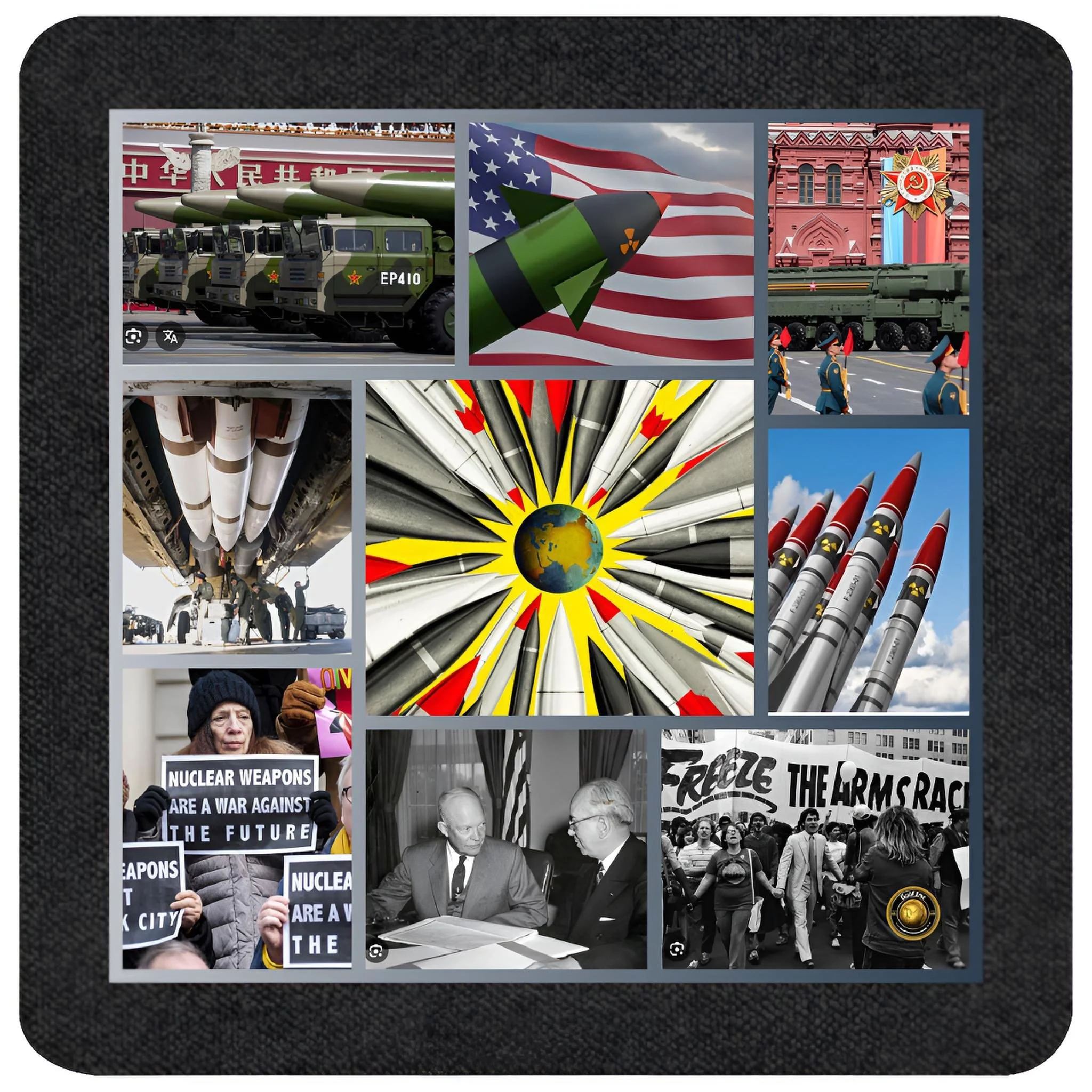
A nuclear arms race is not just about weapons. It is about fear, trust, and survival. Once it begins, it spreads quickly because each country reacts to others.
The world still has a chance to prevent this. But it requires cooperation, strong leadership, and long-term thinking. If countries act wisely now, they can avoid a future where nuclear weapons become common and uncontrollable.