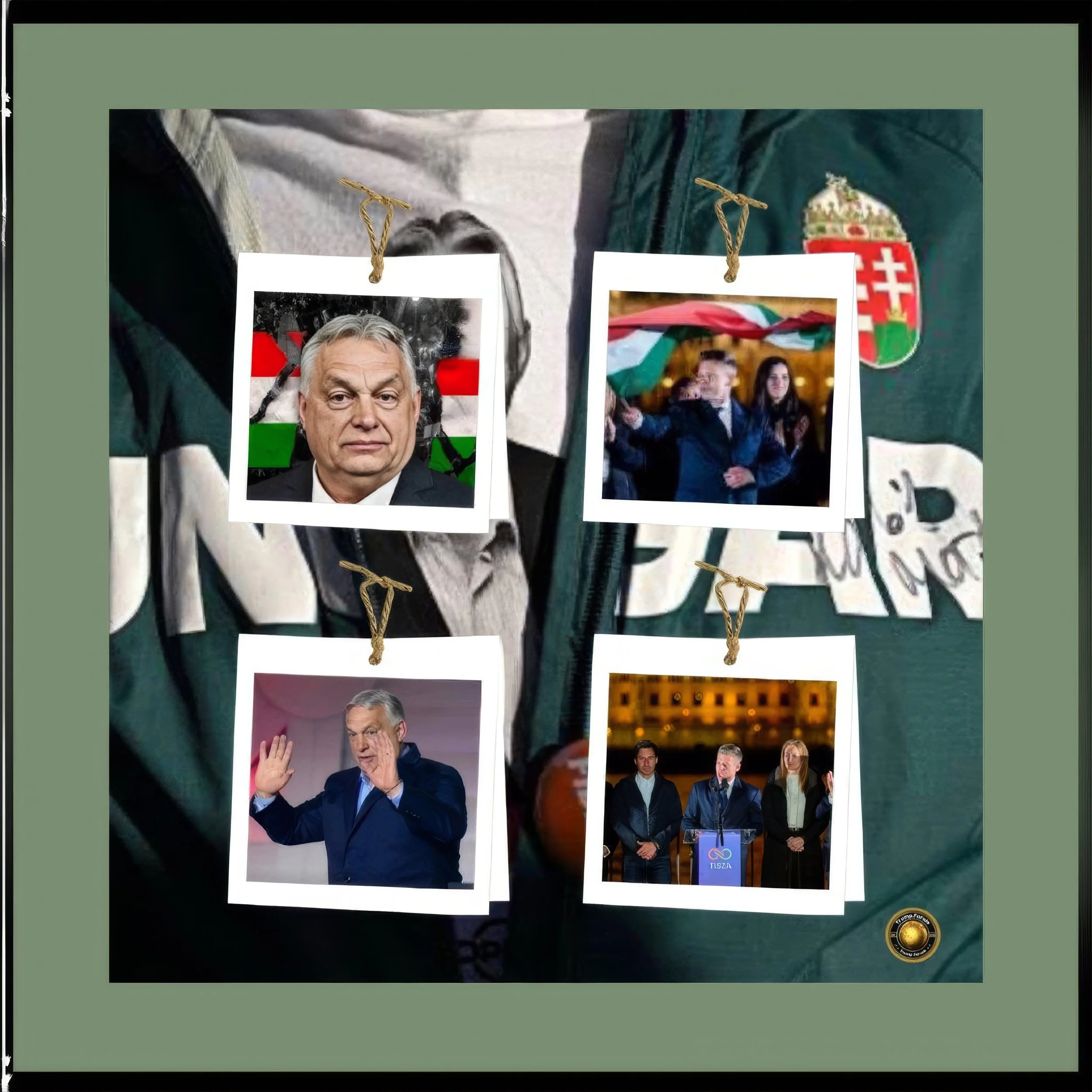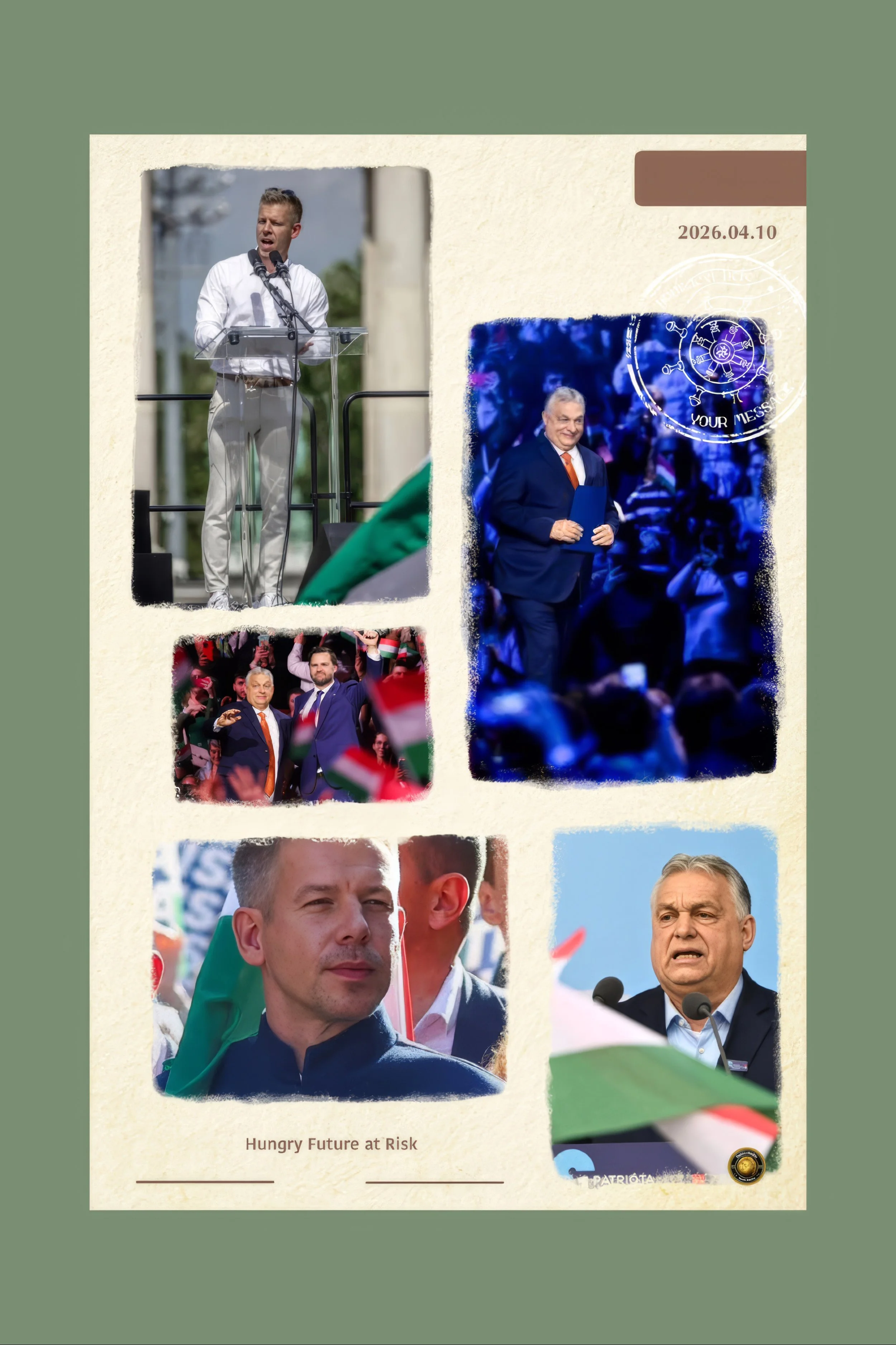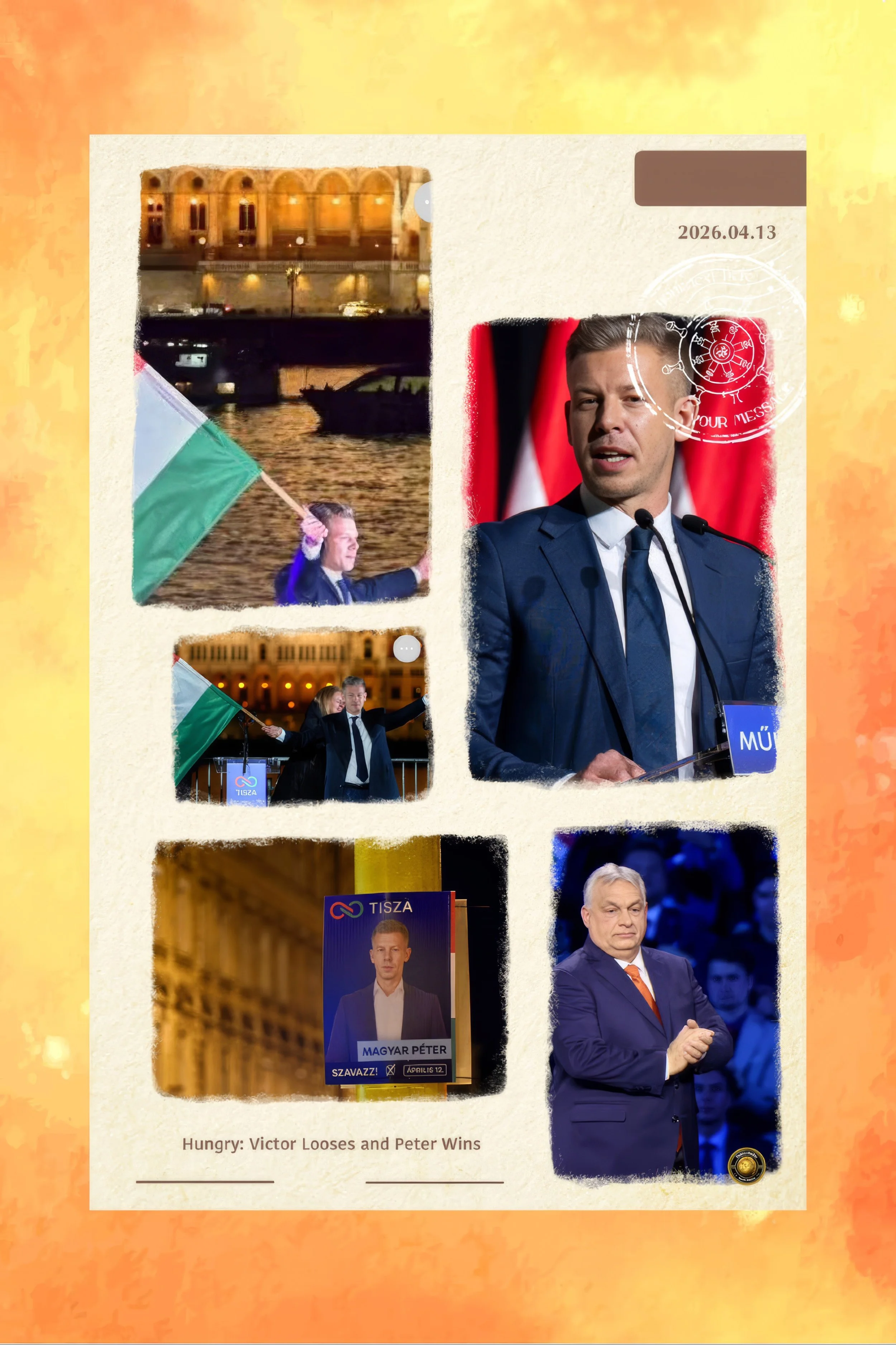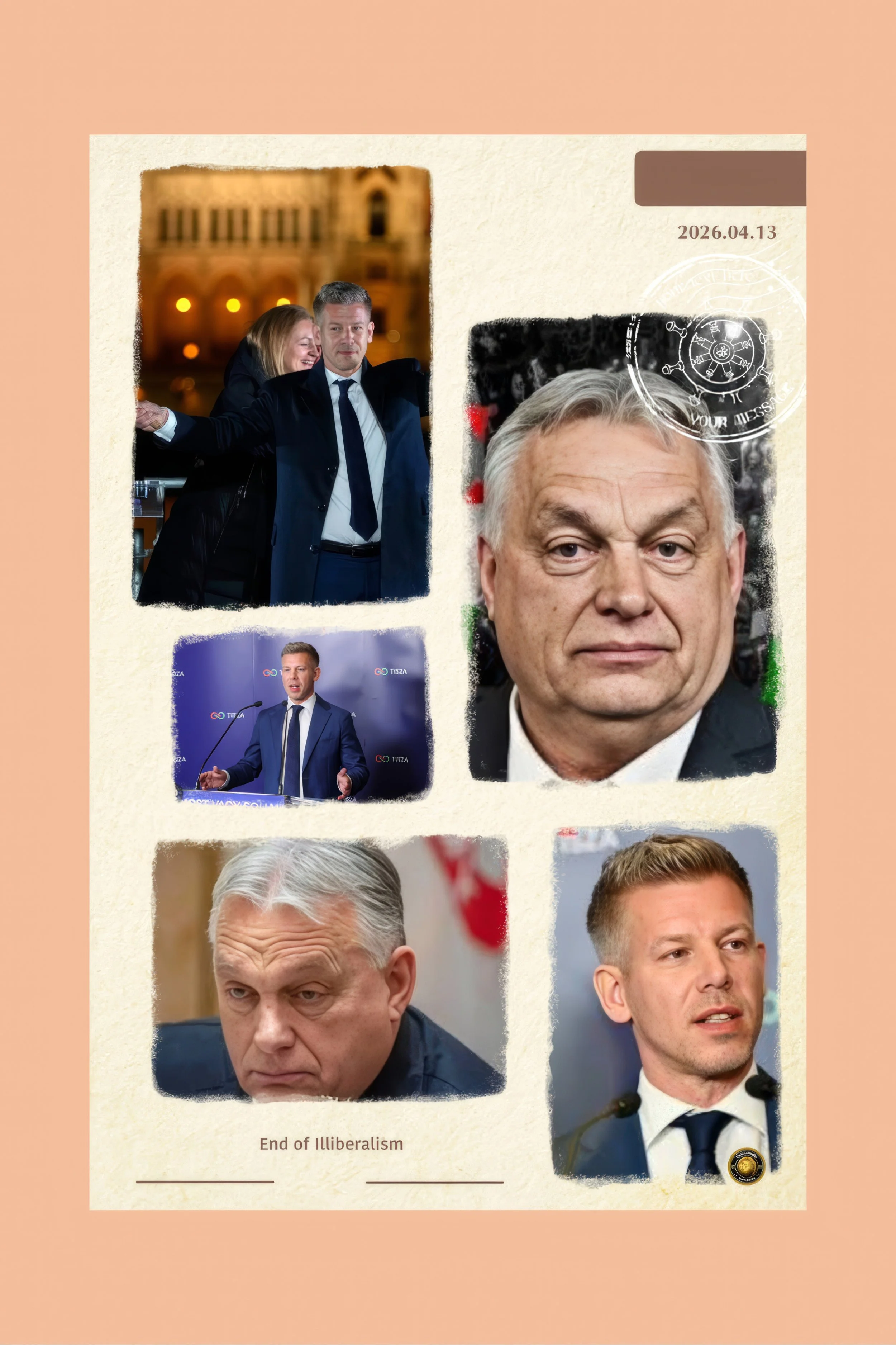
Orbán’s defeat shatters illusion of permanent illiberal rule across Europe and beyond political systems -Part II
Executive Summary
Illiberalism Is Not Inevitable: The Meaning of Viktor Orbán’s Defeat for Global Politics
The electoral defeat of Viktor Orbán represents a decisive rupture in the perceived inevitability of illiberal governance in contemporary politics.
For more than a decade and a half, Hungary functioned as a model for a new kind of political system—one that combined electoral legitimacy with institutional capture, nationalist rhetoric, and transnational alliances with similarly inclined leaders.
The victory of Péter Magyar, however, demonstrates that even deeply entrenched regimes remain vulnerable when confronted by cohesive, broad-based, and strategically adaptive opposition movements.
This outcome carries implications far beyond Hungary.
It challenges narratives advanced by leaders such as Vladimir Putin and Donald Trump that claim illiberal systems are rooted in the enduring will of the “real people.”
Instead, the Hungarian case suggests that political legitimacy is contingent, that public patience with corruption and stagnation has limits, and that generational shifts can destabilize even well-fortified regimes.
At the same time, the transition introduces uncertainty. Institutional inertia, economic fragility, and residual networks of influence tied to Orbán’s Fidesz present formidable obstacles.
The durability of Hungary’s democratic renewal will depend on whether the incoming leadership can translate electoral victory into structural reform while maintaining public trust.
Introduction
Hungary election reveals grassroots power can overcome entrenched autocratic institutional control and patronage networks
For years, Hungary stood as the most prominent example of a functioning illiberal democracy within the European Union.
Under Orbán’s leadership, the country developed a political model that fused electoral competition with systemic constraints on opposition, media pluralism, and judicial independence.
This model proved influential, attracting admiration from political stakeholders across continents who sought to replicate its methods while maintaining formal democratic legitimacy.
The recent electoral defeat of Orbán disrupts this narrative. It introduces a counterexample to the assumption that once institutional capture reaches a certain threshold, reversal becomes nearly impossible.
Hungary’s political transformation suggests that even systems designed to entrench power indefinitely can be challenged through persistent organization, strategic messaging, and societal mobilization.
This development arrives at a moment of heightened global uncertainty. Across Europe and the United States, debates about democratic backsliding, polarization, and institutional resilience have intensified.
NoHungary’s experience now provides empirical evidence that decline is not necessarily linear or irreversible.
Instead, political trajectories remain contingent on collective action, leadership choices, and evolving public expectations.
History and current status
Opposition victory reframes debate over populism and long-term sustainability of nationalist governance models
Orbán’s political trajectory began within the liberal reformist movement that emerged after the collapse of Soviet influence in Central Europe.
Over time, however, he reoriented his ideology toward a form of nationalist conservatism that emphasized sovereignty, cultural identity, and resistance to external influence.
This shift resonated with segments of the population disillusioned by economic transitions and perceived erosion of national autonomy.
After returning to power in 2010, Orbán and Fidesz embarked on a systematic restructuring of the Hungarian state.
Constitutional amendments, judicial reforms, and media regulations gradually concentrated authority within the executive.
Independent institutions were weakened or repurposed, while loyal stakeholders were installed across key sectors, including universities, regulatory bodies, and state-owned enterprises.
This process extended into the economic sphere.
A network of oligarchic businesses aligned with the ruling party gained significant influence, benefiting from state contracts and regulatory advantages.
These relationships reinforced political loyalty while shaping public discourse through ownership of major media outlets.
By the time of the recent election, Hungary’s political environment was characterized by profound asymmetry.
The opposition faced limited access to national media, constrained financial resources, and institutional barriers that hindered campaign activities.
Despite these challenges, dissatisfaction with governance—driven by corruption, economic pressures, and generational change—created conditions for political upheaval.
Key developments
Magyar’s grassroots campaign redefines opposition strategy in environments dominated by state-controlled narratives
The campaign led by Magyar marked a departure from previous opposition strategies.
Rather than focusing on ideological confrontation or external policy debates, it emphasized tangible issues affecting everyday life, including healthcare, education, and economic stability.
This approach broadened its appeal, particularly among voters who had previously supported Fidesz but had grown disillusioned with governance outcomes.
Magyar’s background as a former member of Fidesz provided credibility when addressing allegations of corruption and institutional decay.
His ability to articulate insider perspectives resonated with voters seeking accountability without abandoning conservative values.
By framing his movement as a patriotic alternative rather than a radical departure, he avoided alienating key segments of the electorate.
Investigative reporting played a significant role in shaping public perception.
Revelations regarding interactions between Hungarian officials and Russian leadership challenged the government’s narrative of sovereignty.
These disclosures reinforced concerns about external influence and undermined the legitimacy of nationalist rhetoric.
Mass mobilization, particularly among younger voters, further shifted the electoral landscape.
Public demonstrations, cultural events, and grassroots organizing created a sense of momentum that transcended traditional political structures.
This collective energy translated into voter turnout that exceeded expectations and disrupted established patterns of support.
Latest facts and concerns
Constitutional majority enables ambitious reforms but raises concerns about concentration of new governing authority
The electoral outcome grants Magyar’s movement a constitutional majority, providing the legal capacity to implement far-reaching reforms.
This includes potential revisions to constitutional provisions, restructuring of institutions, and restoration of judicial independence.
However, such authority also carries risks, particularly if not balanced by mechanisms that ensure accountability and transparency.
Fidesz retains significant influence across various sectors, including business networks and local administrations.
These entrenched stakeholders may resist changes that threaten their interests, creating friction within the governance landscape.
Managing this resistance will require both political negotiation and strategic reform.
Economic conditions present another challenge. Years of centralized control and patronage have contributed to inefficiencies and fiscal pressures.
Addressing these issues while maintaining social stability will be a critical test for the new administration.
At the international level, Hungary’s reorientation is expected to strengthen its relationship with the European Union.
This shift could unlock financial resources and enhance cooperation on key policy areas.
Nevertheless, it also requires rebuilding trust after years of tension and divergence.
Cause and effect analysis
Institutional overreach by ruling party generates backlash among previously supportive segments of electorate
The fall of Orbán’s government can be understood as the culmination of interconnected dynamics rather than a singular event.
Institutional overreach, while initially effective in consolidating power, eventually generated resistance among segments of the population that valued democratic norms.
This tension was amplified by economic dissatisfaction, which reduced tolerance for perceived abuses of authority.
Corruption played a central role in shaping public sentiment. As evidence of preferential treatment and resource misallocation became more visible, trust in governance declined.
This erosion of legitimacy weakened the ruling party’s ability to mobilize support through ideological appeals.
Generational shifts further contributed to political change. Younger voters, less influenced by historical narratives and more attuned to global standards, prioritized transparency and accountability.
Their engagement introduced new energy into the political landscape and altered electoral dynamics.
Finally, the opposition’s ability to unify disparate groups into a coherent movement transformed latent dissatisfaction into actionable political change.
This organizational achievement proved decisive in overcoming structural disadvantages.
Future steps
Economic restructuring requires transparent policies to dismantle entrenched patronage without triggering market instability
The success of Hungary’s transition will depend on the strategic choices made in the immediate aftermath of the election.
Reform efforts must be carefully sequenced to avoid destabilizing existing systems while addressing structural deficiencies.
This requires a balance between decisiveness and caution.
Economic policy will be particularly important. Transparent mechanisms for resource allocation and regulatory oversight can help rebuild confidence among both domestic and international stakeholders.
At the same time, social policies must address inequalities that contributed to political dissatisfaction.
Institutional reforms should prioritize independence and accountability.
Restoring the credibility of the judiciary, media, and regulatory bodies will be essential for preventing future abuses of power.
These changes must be accompanied by safeguards that ensure their durability.
International engagement offers both opportunities and responsibilities.
Strengthening ties with the European Union can provide financial and political support, but it also necessitates adherence to shared norms and standards.
Conclusion
Hungary’s transformation demonstrates that political systems remain dynamic despite prolonged periods of apparent stability
Hungary’s election marks a pivotal moment in contemporary politics.
It demonstrates that even systems designed to entrench power can be challenged through sustained effort and strategic adaptation.
The defeat of Orbán does not signal the end of illiberalism, but it disrupts the narrative of inevitability that has sustained it.
The broader significance lies in the reaffirmation of political contingency.
Governance models, no matter how entrenched, remain subject to change when confronted by organized and determined societies.
Hungary’s experience thus serves as both a warning and an inspiration—a reminder that democratic decline is possible, but so too is democratic renewal.