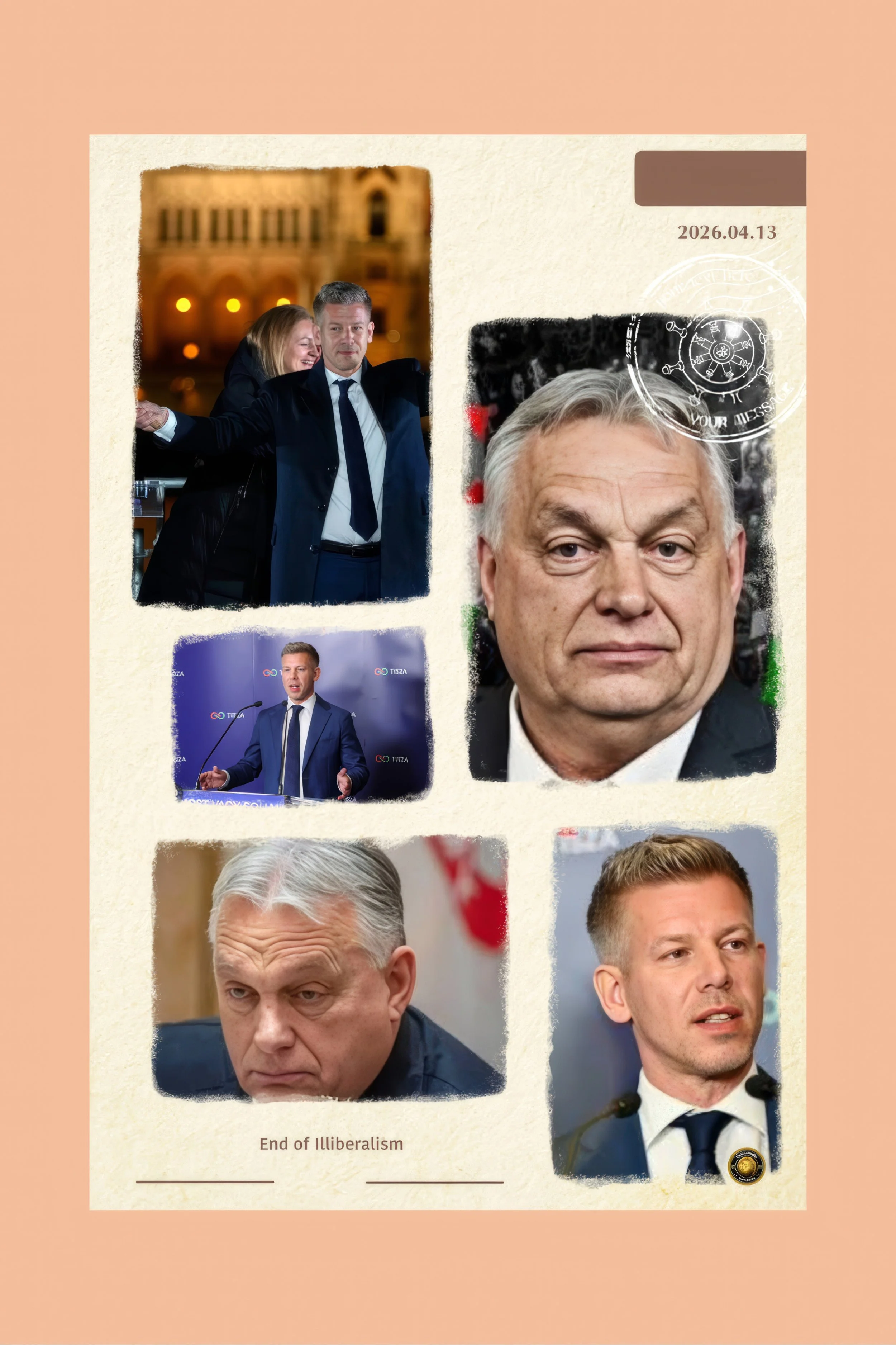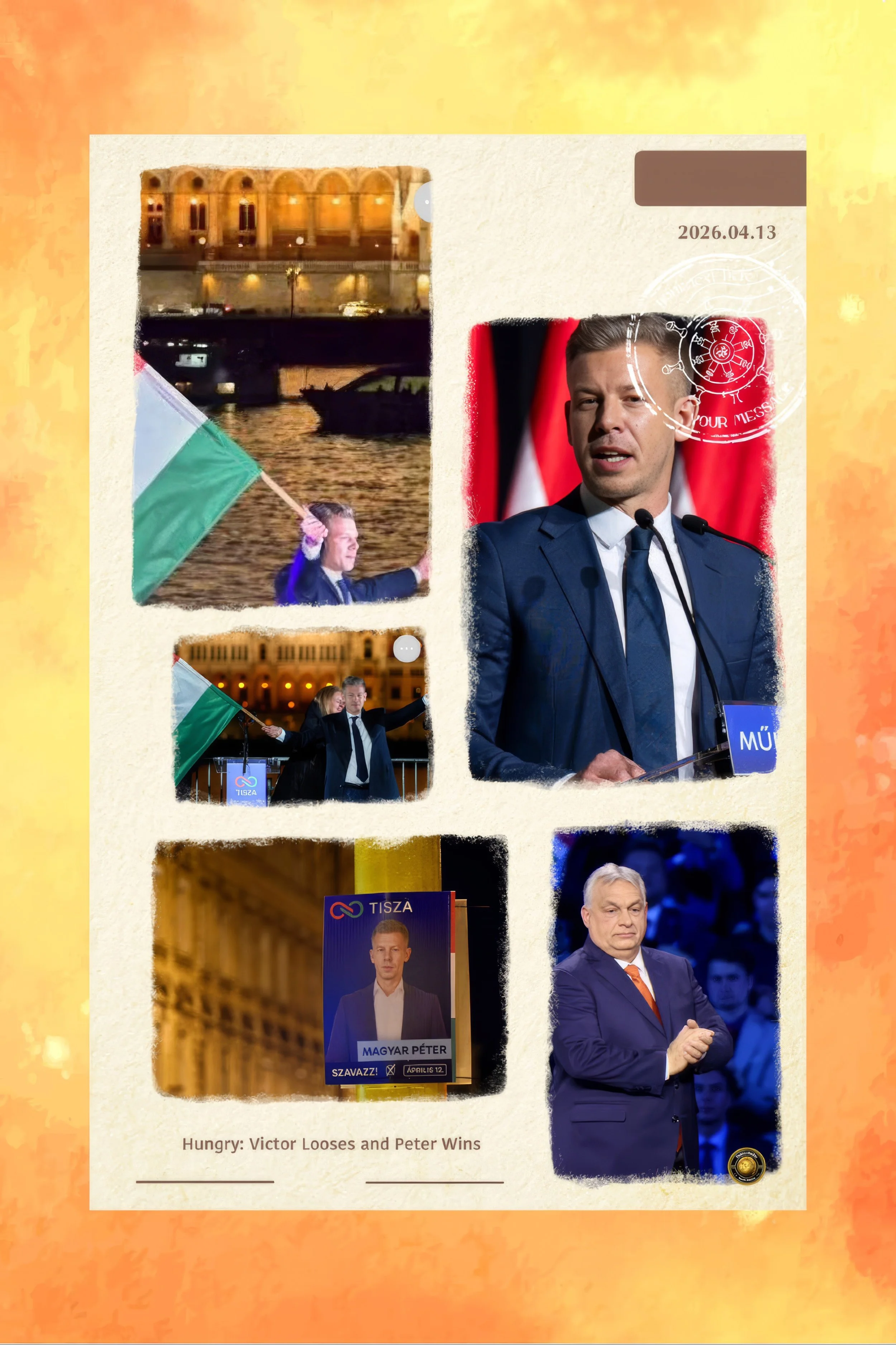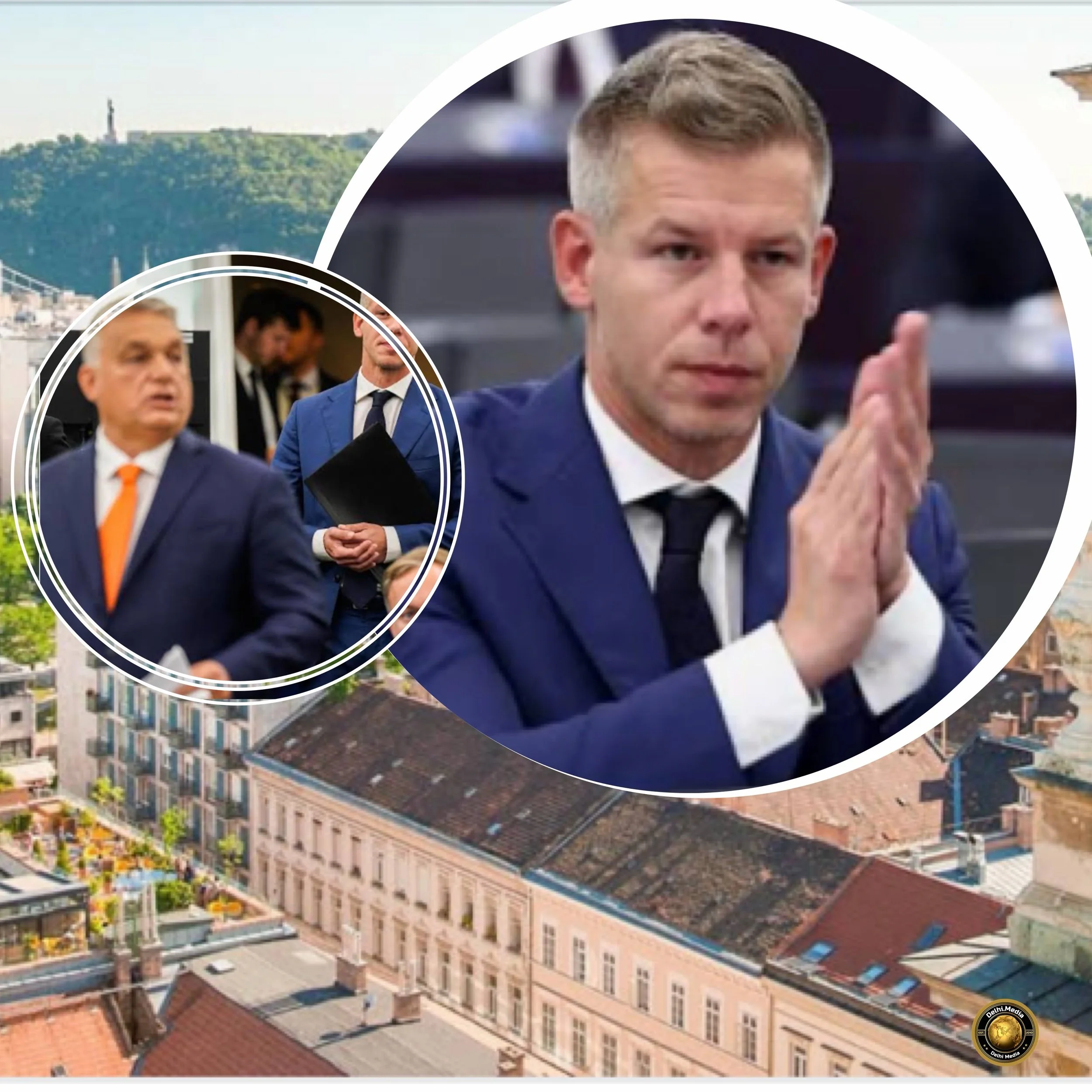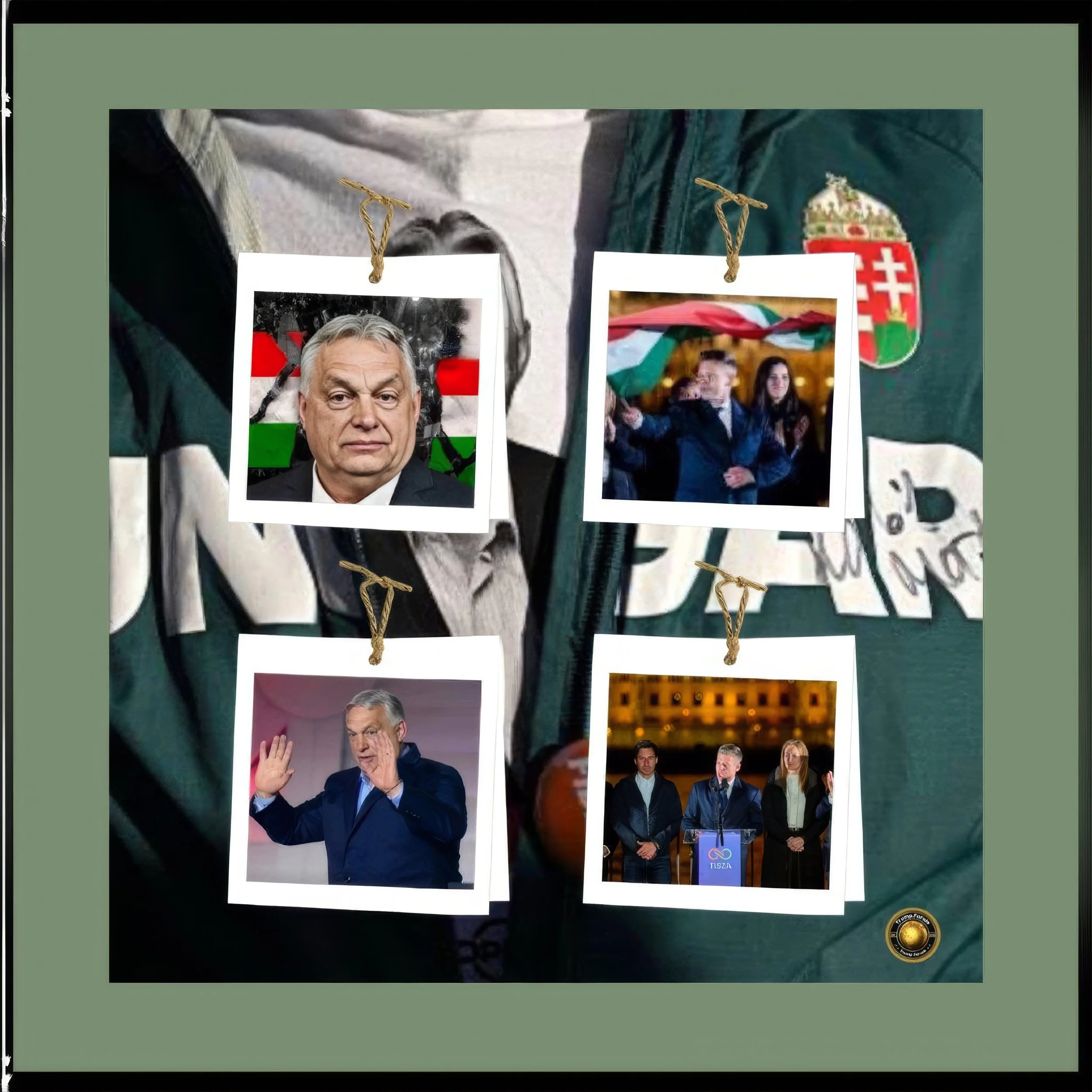
Beginner's 101 Guide : Why Hungry’s Victor Orbán’s Defeat Shows Illiberalism Can Be Defeated
Summary
In recent years, many people believed that strong leaders who control media, courts, and institutions could never lose power once they became dominant. Hungary under Viktor Orbán was often seen as proof of this idea. But now, after his defeat by Péter Magyar, that belief has been shaken.
To understand why this matters, imagine a school where one student has been class monitor for 16 years. That student controls who speaks, who gets rewards, and even what rules are followed.
Over time, other students may feel that nothing can change. But if one day, a group of students works together and wins a fair vote, it proves that change is still possible. This is what happened in Hungary.
Orbán built a powerful system. His party, Fidesz, controlled large parts of the media.
This meant most television channels and newspapers supported the government.
If people only hear one side of a story, they may believe it is the only truth.
But in Hungary, some independent journalists continued working. They shared information online and through smaller platforms.
Magyar understood something important. He knew he could not win by only speaking in big cities. So he traveled across the country, visiting small towns and villages again and again. This is like a shopkeeper who wants customers.
Instead of waiting for people to come, he goes out and talks to them directly. Over time, trust builds.
He also focused on simple issues. Instead of talking about global politics or wars, he talked about hospitals, schools, and jobs.
For example, if a family struggles because a hospital is underfunded, they care more about healthcare than international disputes. By speaking about daily life, Magyar connected with ordinary people.
Another important factor was corruption. Many voters began to feel that the system was unfair. When leaders give contracts or jobs only to their friends, people lose trust.
It is like a game where the referee always supports one team. Eventually, the other players stop believing the game is fair.
Young people also played a big role. Many younger voters are more connected to the internet and global ideas.
They compare their country with others and ask questions.
For example, if they see better education systems elsewhere, they may demand similar changes at home. In Hungary, many young people wanted more transparency and fairness.
The defeat of Orbán also affects global politics.
Leaders like Vladimir Putin and Donald Trump often argue that strong, centralized power reflects the will of the people.
But Hungary shows that people can change their minds. Support is not permanent.
However, winning an election is only the beginning. Imagine cleaning a messy house. Winning power is like opening the door, but the cleaning still has to be done.
Hungary’s new government must fix institutions, improve the economy, and rebuild trust. This will take time.
There are also risks.
The old system does not disappear overnight. People who benefited from it may resist change. It is like removing a tree with deep roots. Even if the top is cut, the roots remain in the ground.
Still, the most important lesson is hope. Hungary proves that even when a system looks permanent, it is not.
Change is possible when people organize, speak out, and work together.
In simple terms, illiberalism is not inevitable. It can rise, but it can also fall.