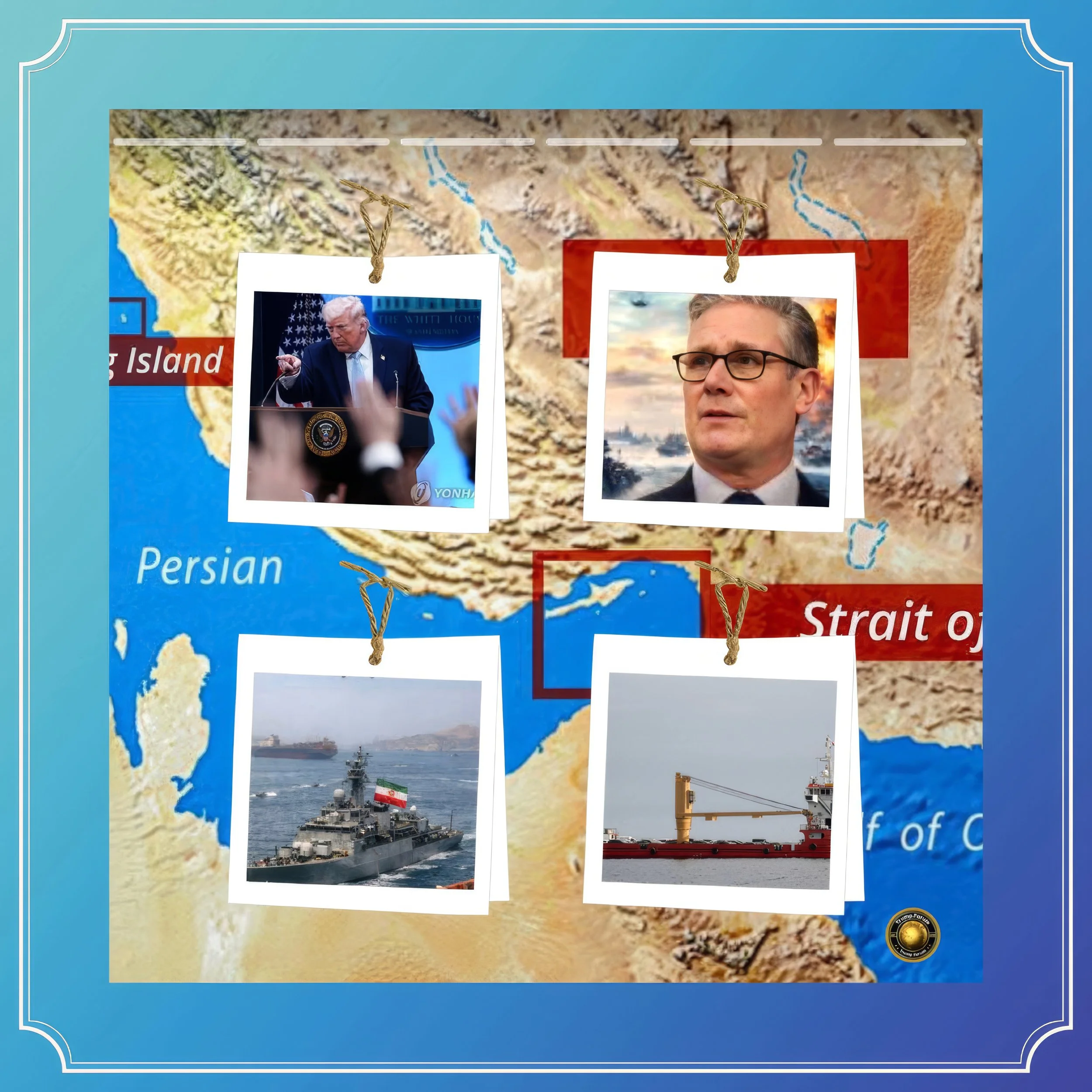
Beginners 101 Guide: Why Trump’s Hormuz Blockade Could Be Highly Dangerous for the World
Summary
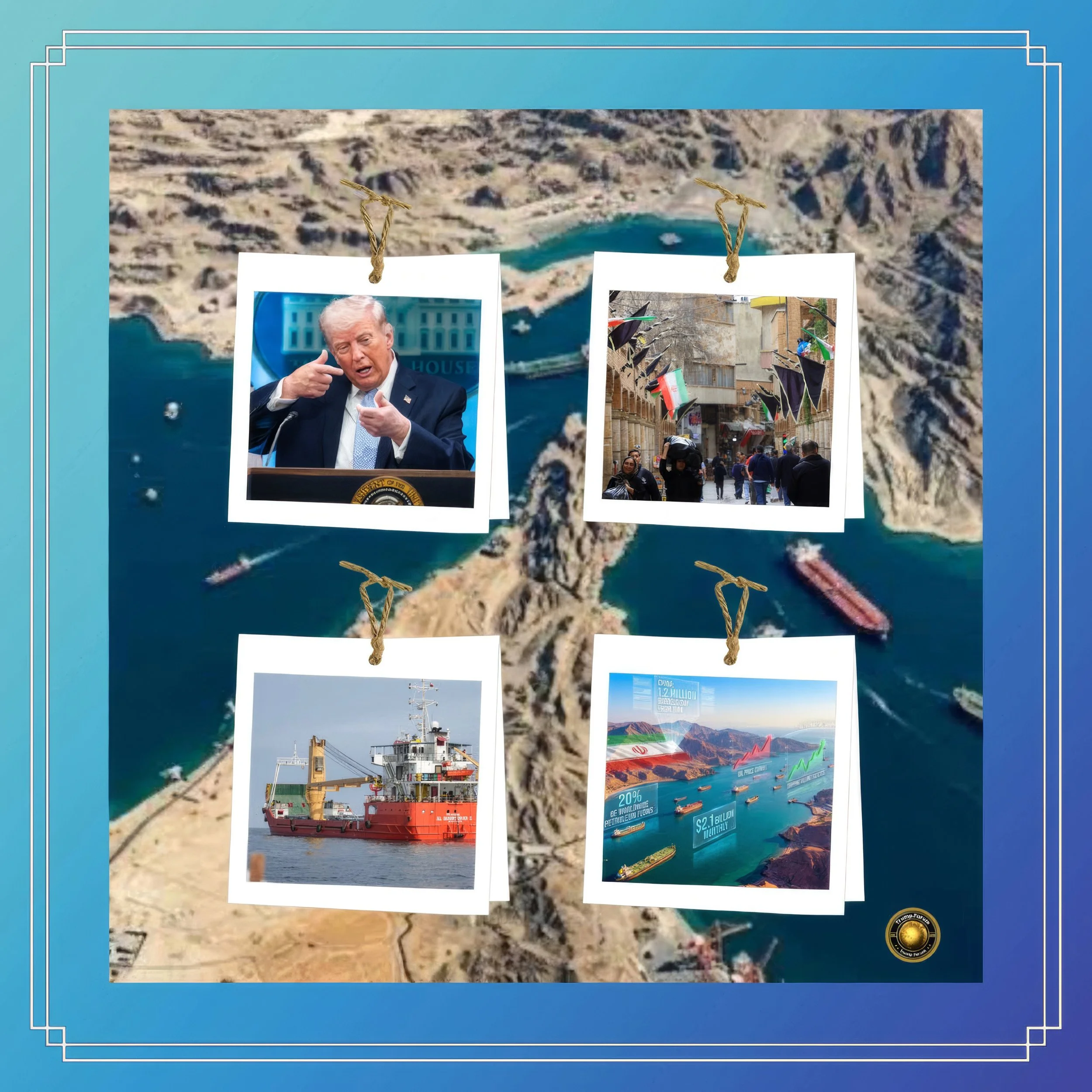
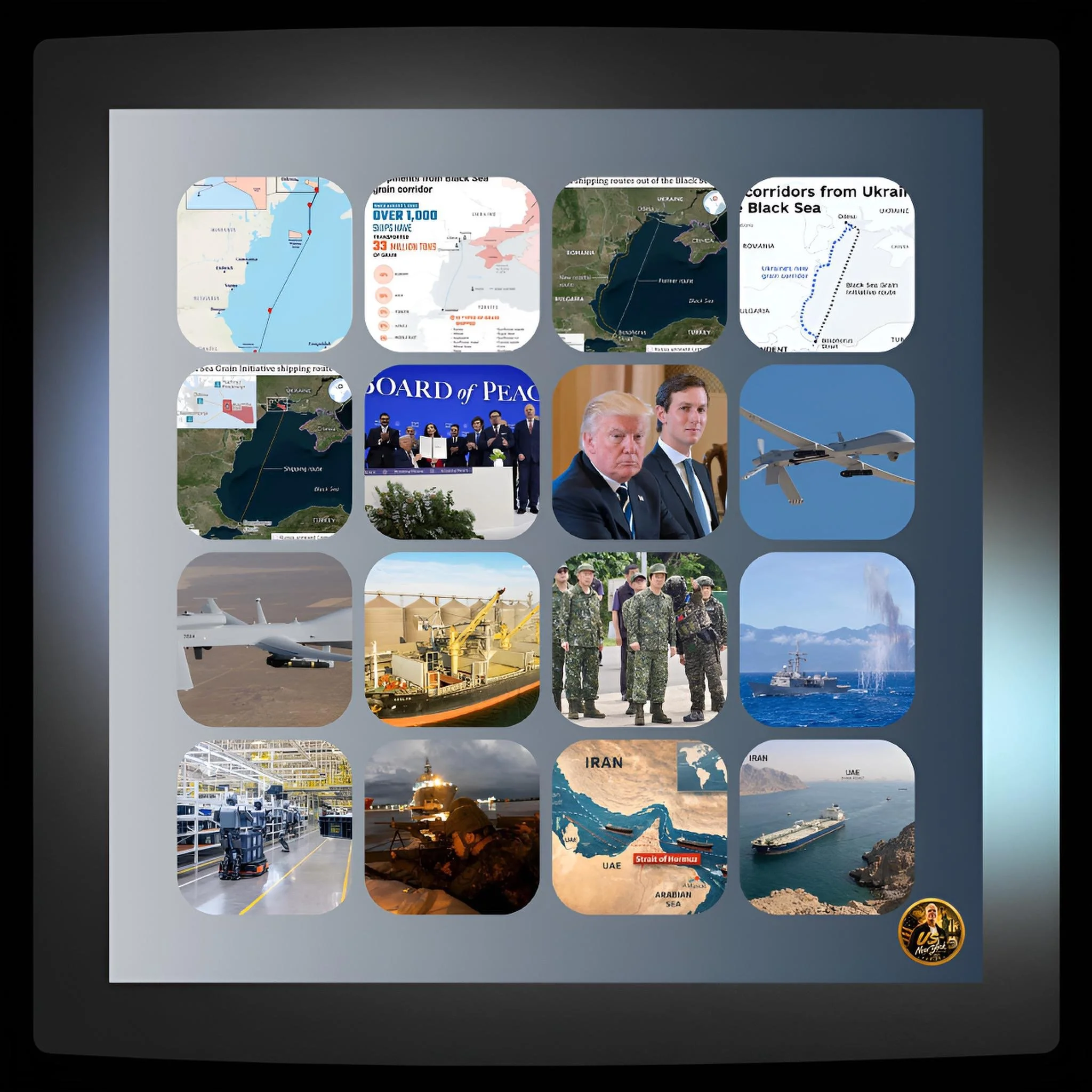
This situation is about a very important place called the Strait of Hormuz. It is a narrow water passage between Iran and the Gulf countries.
Many ships carrying oil and gas pass through it every day. This oil is used by countries like India, China, Japan, and many European nations.
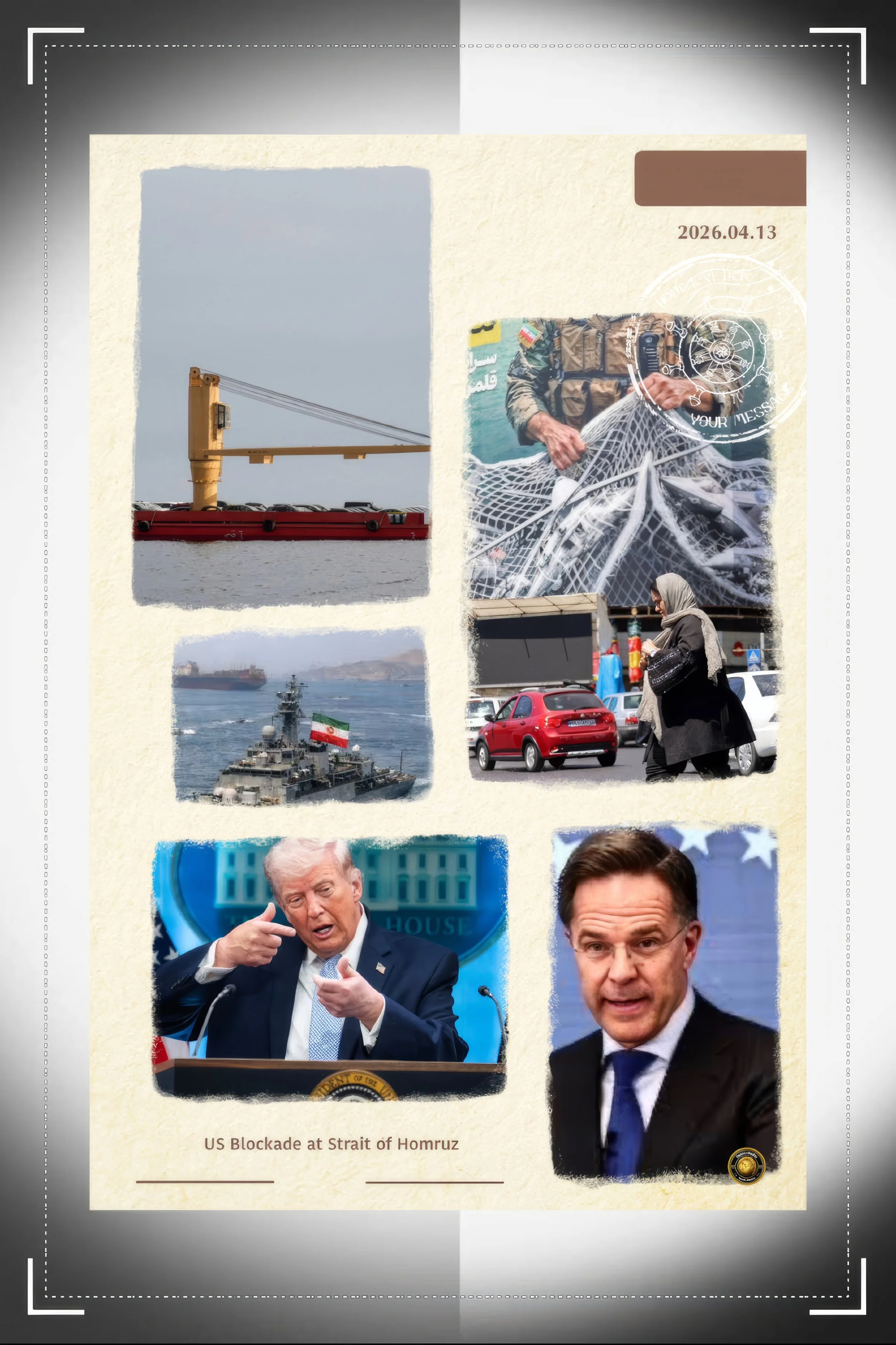
Now, Donald Trump has decided to block ships going to and from Iran. This is called a blockade. It means stopping trade by using navy ships. The idea is to put pressure on Iran so that it changes its behavior.
To understand this better, imagine a road where trucks carry food to a city. If someone blocks that road, food cannot reach the city easily.
Prices go up. People suffer. The same idea applies here, but on a global level.
The problem is that this is not just about the United States and Iran.
Many countries depend on oil that travels through this water route. If ships are stopped or delayed, oil prices can rise quickly.
For example, if oil becomes expensive, petrol prices increase. Then transport becomes costly, and food prices also go up.
Another issue is safety. When navy ships stop or check other ships, there is always a risk of misunderstanding.
One small mistake can lead to a fight. For example, if a ship refuses to stop or a navy thinks it is a threat, they might use force. This can quickly become a bigger conflict.
There is also a question of law. International rules say that ships should be allowed to travel freely in international waters.
A blockade is usually allowed only during a declared war. But in this case, the situation is not very clear. This makes many countries worried.
Let’s take a simple example. Imagine if one country starts stopping ships in an important sea route.
Then another country might do the same somewhere else. Slowly, global trade becomes less safe. This can hurt all countries, not just the ones fighting.
Iran may also respond. It might try to block the same water route or use other ways to create pressure.
For example, it can use small boats, drones, or missiles to threaten ships. This makes the situation even more dangerous.
Another important point is the economic effect. When businesses see risk, they become careful. Insurance for ships becomes expensive.
Some companies may avoid the route completely. This reduces trade and increases costs.
For example, if a company has to send goods from the Middle East to India, it may choose a longer route to stay safe. This takes more time and fuel. So prices increase again.
People inside Iran may also suffer. If trade is blocked, important goods like medicine and food may become difficult to get. This creates humanitarian problems.
There is also a political angle. Some countries may support the United States, while others may not agree.
This can create divisions in the world. For example, some countries may say the blockade is necessary for security, while others may say it is unfair and illegal.
The future is uncertain. One possible outcome is that tensions increase and lead to a bigger conflict.
Another possibility is that both sides start talking and try to solve the problem peacefully.
A third option is that the situation continues for a long time without a major war but with constant tension.
This is like a cold conflict where both sides keep pressuring each other without full fighting.
In simple terms, the blockade is a risky move. It might work, but it might also make things worse. It affects not just two countries but the whole world.
The key idea is this: when an important trade route is disturbed, everyone feels the impact.
That is why many experts believe this situation must be handled very carefully.