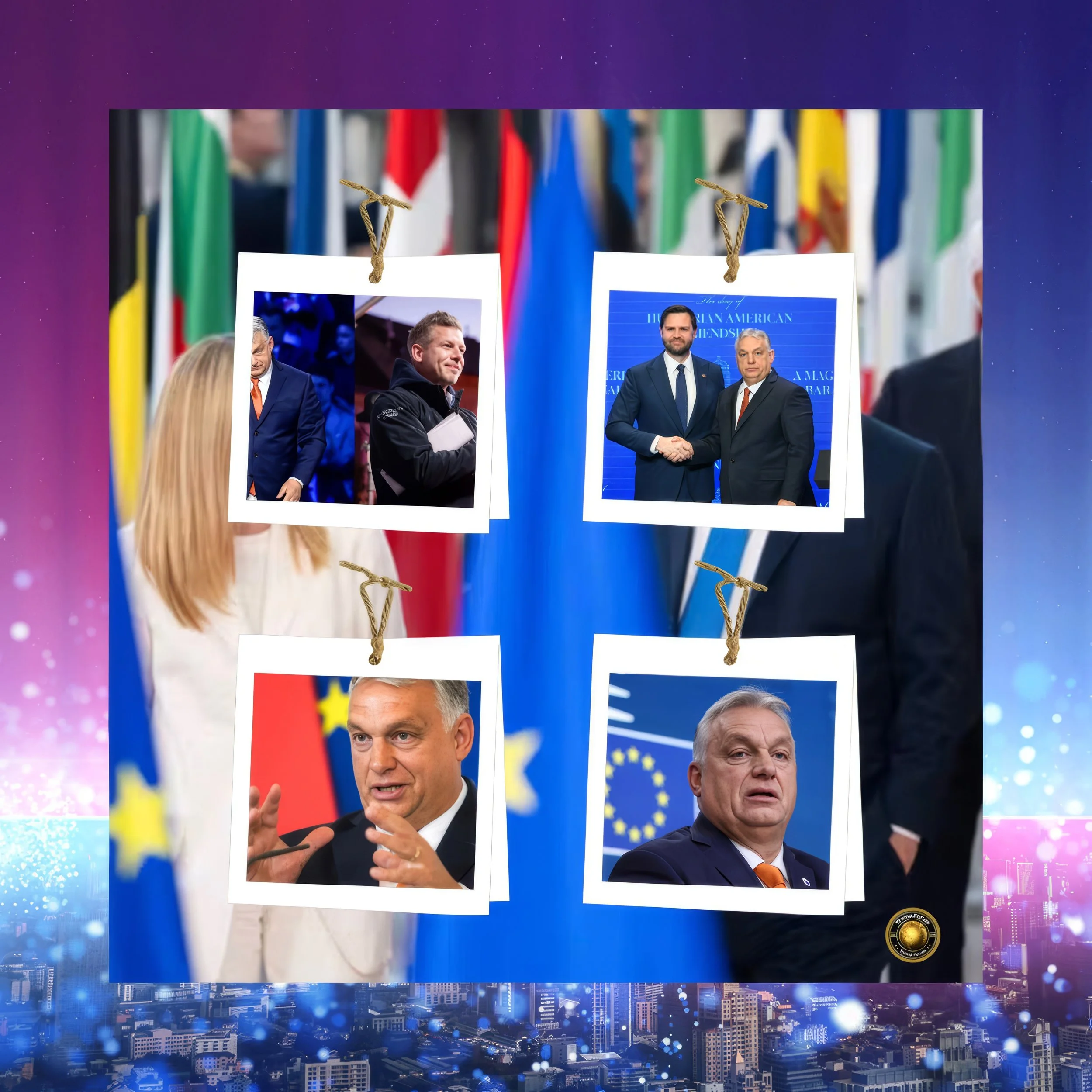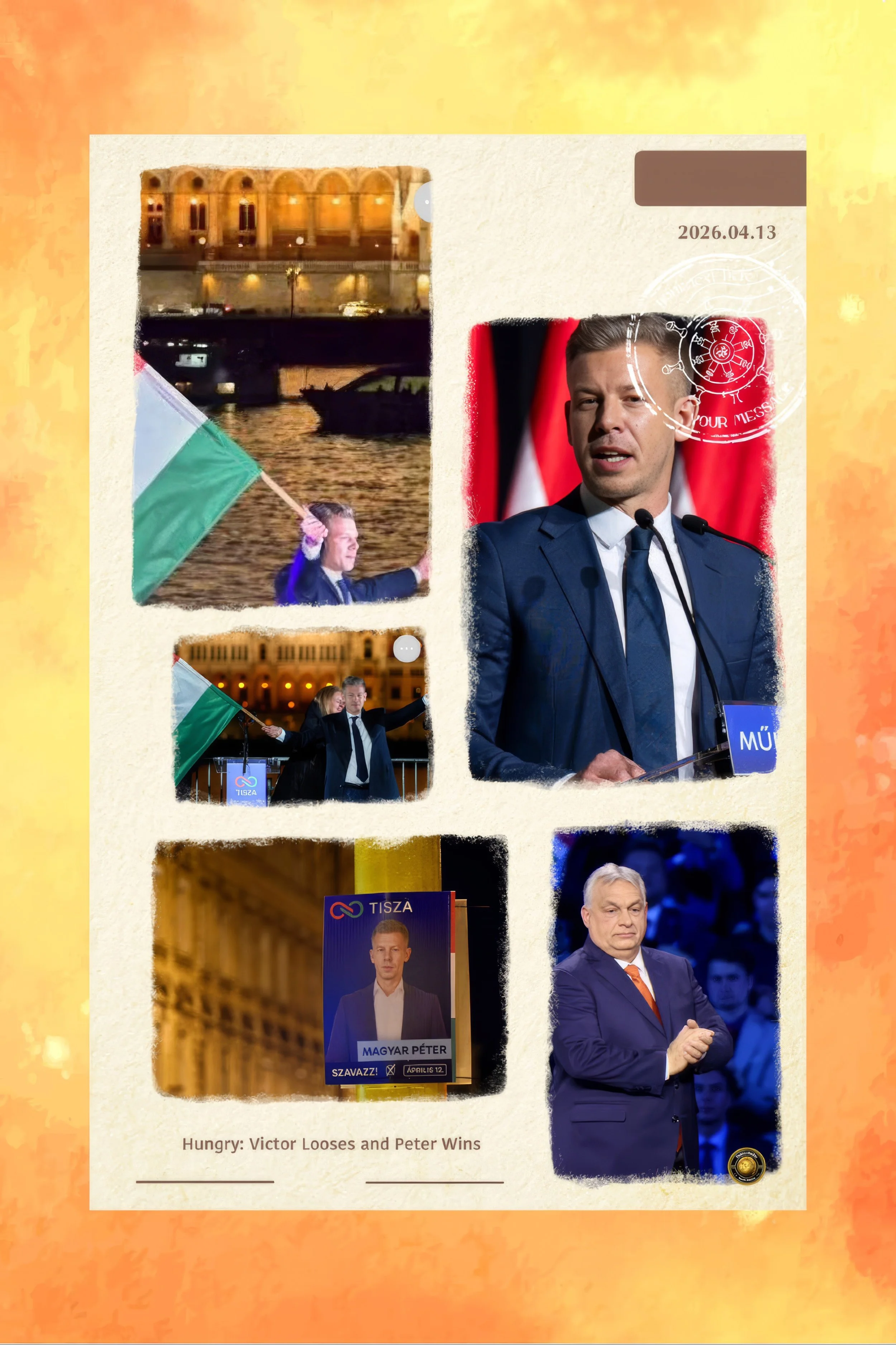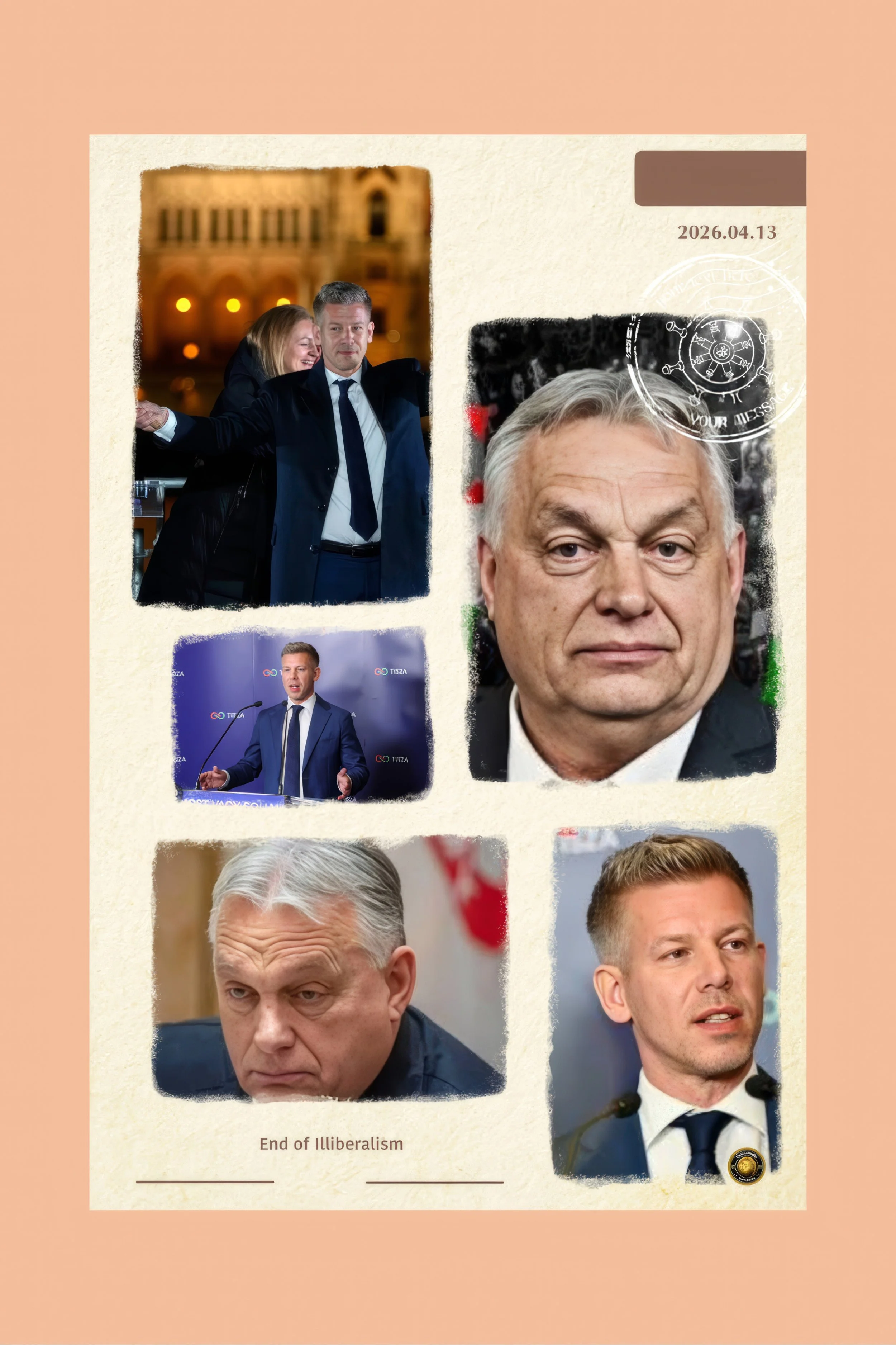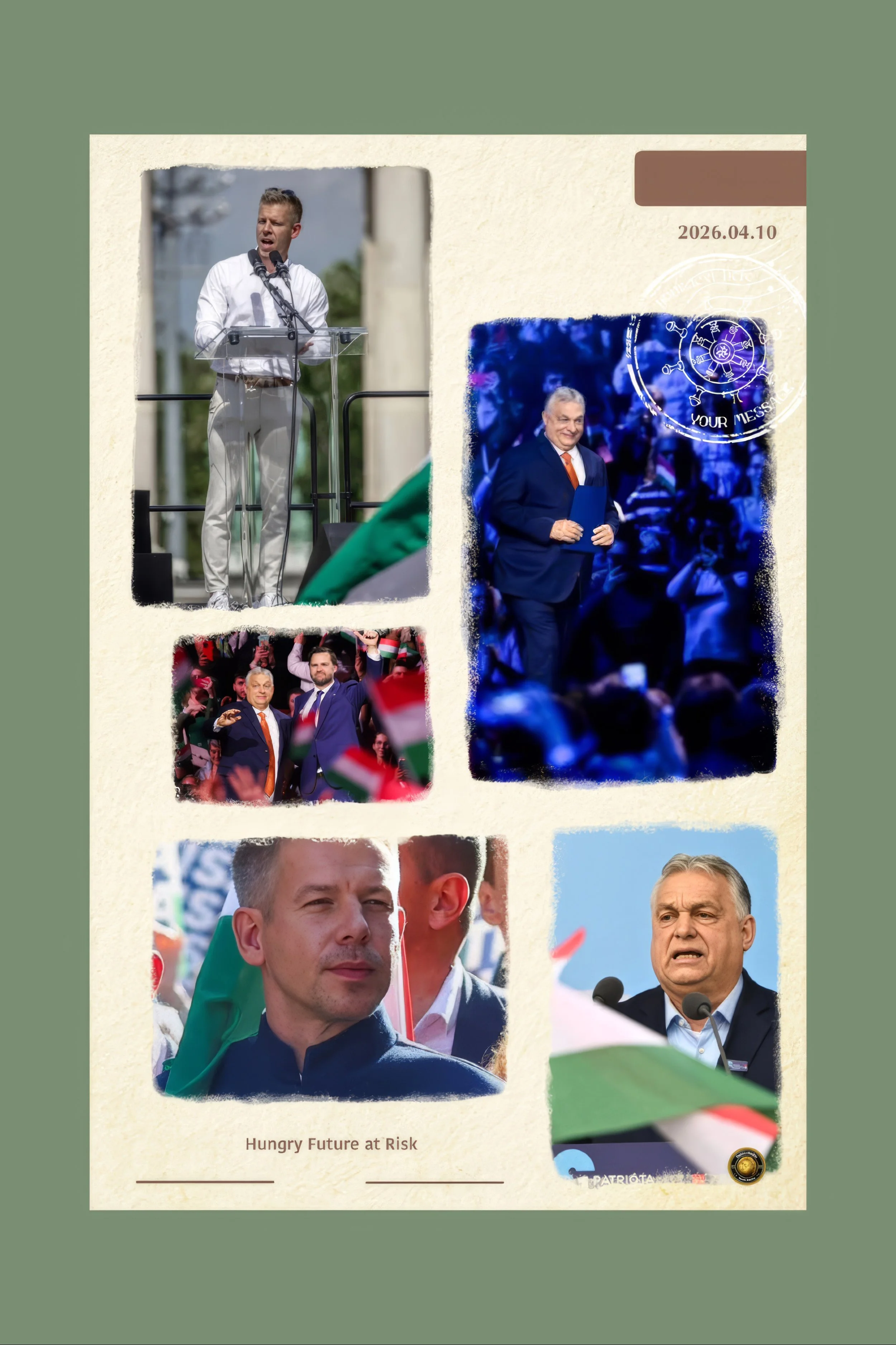
Hungary’s Political Model Faces Questions About Its Long-Term Sustainability and Stability
Executive summary
A Last Chance for Hungary: Orban’s Mafia State Could Fall—or Cement Itself
Hungary is entering a decisive phase in which the durability of its political system—constructed under Viktor Orbán—is no longer assured by the conditions that sustained it for more than a decade.
What has often been described as a “mafia state” is better understood as a highly integrated political-economic order in which authority, wealth distribution, and information control are mutually reinforcing.
This system has proven resilient not because it suppresses competition entirely, but because it reshapes the terms under which competition occurs.
For years, Hungary’s governing model functioned as a stable equilibrium.
Electoral dominance by Fidesz was underpinned by steady economic growth, substantial inflows of European Union funding, and a disciplined coalition of political and economic stakeholders.
The regime’s legitimacy rested less on ideological persuasion than on performance and predictability: citizens accepted constrained pluralism in exchange for stability and rising living standards.
That equilibrium is now weakening. Inflation and energy shocks have eroded real incomes, while EU conditionality has disrupted the financial flows that sustained both development and patronage.
The result is not immediate instability but a gradual erosion of the system’s underlying logic. As material benefits become harder to distribute and external constraints tighten, the mechanisms that once ensured loyalty begin to generate friction.
The central question is not whether Hungary will change, but how.
Three trajectories are visible. The system may recalibrate, selectively liberalizing to restore external support. It may harden, deepening control and accepting isolation.
Or it may fragment, as economic pressure and political innovation create openings for transformation. Each path carries distinct implications not only for Hungary but for the broader European order, where the boundaries of democratic governance are increasingly contested.
Introduction: From Dominance to Constraint
For much of the past decade, Hungary appeared to have solved a problem that has troubled many contemporary political systems: how to maintain long-term governing stability in an era of electoral volatility.
Under Viktor Orbán, the country developed a model that combined electoral legitimacy with structural dominance. It did not eliminate opposition but ensured that opposition could not effectively compete.
This model rested on a strategic insight. In modern democracies, control does not require the abolition of elections; it requires the management of the environment in which elections occur.
By reshaping institutions, media, and economic incentives, the Hungarian system created a landscape in which outcomes became predictable without appearing predetermined.
Such systems are often described as hybrid regimes, but that label obscures their internal coherence.
Hungary’s model is not an incomplete democracy; it is a different kind of political order, one that prioritizes control over contestation while preserving the formal structures of democratic legitimacy.
Yet systems built on control face a paradox.
The more they centralize authority, the more they depend on favorable external conditions.
When resources are abundant, centralization enables efficient distribution and reinforces loyalty. When resources become scarce, the same centralization reduces flexibility and magnifies stress.
Hungary is now encountering this paradox. The conditions that once enabled dominance—economic growth, external funding, and elite cohesion—are no longer guaranteed.
The system must therefore adapt under constraints it did not face during its formative years.
History and Current Status: The Making of a Political Economy
The Hungarian system is best understood as a political economy rather than a purely political arrangement. Its defining feature is the integration of governance and economic distribution into a single framework of control.
Following the 2010 electoral victory of Fidesz, the government moved quickly to restructure the institutional landscape. Constitutional reform provided the legal foundation for change, but the deeper transformation occurred through the alignment of institutions with political objectives.
The judiciary, regulatory agencies, and oversight bodies were gradually reoriented to reduce friction with executive authority.
At the same time, the media landscape was transformed.
Control over information is central to any system that seeks to manage political outcomes without overt repression.
By consolidating media ownership and shaping regulatory conditions, the government ensured that public discourse would reinforce rather than challenge its legitimacy.
Economic policy completed the system.
Public procurement, development projects, and state contracts became mechanisms for distributing resources to aligned stakeholders.
This created a network of economic actors whose interests were closely tied to the continuation of the existing system. Loyalty was not merely ideological; it was materially reinforced.
Crucially, this model was sustained by European Union funding.
EU resources provided the financial base that made large-scale distribution possible.
This created a paradoxical relationship in which Hungary benefited from integration while simultaneously challenging the norms that underpinned it.
By the early 2020s, this political economy had reached a high level of stability.
Electoral victories reinforced institutional control, while economic growth sustained public acceptance.
The system appeared not only durable but replicable—a model for other governments seeking to combine democracy with dominance.
Key Developments: The Erosion of Equilibrium
The stability of Hungary’s system depended on the alignment of several factors that are now shifting simultaneously.
The most important of these is economic performance.
Inflation has altered the social contract that underpinned the regime’s legitimacy.
When living standards rise, citizens are more willing to tolerate constraints on political competition. When they fall, tolerance diminishes.
Hungary’s recent economic challenges have therefore introduced a new variable into the political equation: dissatisfaction that cannot be easily offset through redistribution.
The second shift concerns external funding.
The European Union’s decision to condition or withhold funds over governance concerns has disrupted the financial foundation of Hungary’s model.
This is not merely a fiscal issue; it is a structural one.
Without external resources, the government must rely more heavily on domestic revenues, which are limited and politically costly to extract.
The third shift is generational.
Younger voters, particularly in urban areas, are less integrated into the system’s networks of patronage and more exposed to alternative narratives.
They are also less invested in the historical and ideological framing that has sustained the regime’s identity.
This creates a slow but significant shift in the electorate.
Taken together, these developments do not produce immediate instability.
Instead, they erode the equilibrium that made stability possible. The system continues to function, but it does so under increasing strain.
Latest Facts and Concerns: A System Under Pressure
Hungary today is not in crisis, but it is no longer in equilibrium.
This distinction is critical. Systems rarely collapse suddenly; they weaken gradually as the conditions that sustain them deteriorate.
Economic indicators point to a constrained environment.
Growth has slowed, inflation remains elevated, and fiscal space is limited.
Government interventions provide temporary relief but cannot fully offset structural pressures.
Relations with the European Union remain tense. While negotiations continue, the underlying conflict over governance standards persists.
This creates uncertainty not only for public finances but also for investor confidence and long-term planning.
Institutional concerns continue to shape perceptions of Hungary’s trajectory.
The concentration of power raises questions about resilience.
Systems that depend heavily on centralized control may struggle to adapt to unexpected shocks.
At the same time, the regime retains significant strengths.
It controls key institutions, maintains a loyal base, and has demonstrated an ability to adapt tactically. These strengths make sudden change unlikely, even as pressures increase.
Cause-and-Effect Analysis: The Logic of Vulnerability
The vulnerabilities of Hungary’s system are not accidental; they are the result of its design. Centralization creates efficiency but reduces flexibility.
Patronage creates loyalty but increases dependency. Control stabilizes outcomes but limits adaptation.
These trade-offs become more pronounced under stress. When resources decline, patronage networks become harder to sustain.
When external constraints tighten, policy options narrow. When dissatisfaction grows, control becomes more costly to maintain.
The interaction of these dynamics creates a feedback loop.
Economic pressure reduces resources, which weakens patronage, which increases dissatisfaction, which requires greater control, which in turn creates further economic and political costs.
Breaking this loop requires either new resources or structural change. Without either, the system risks entering a phase of gradual decline in which stability is maintained at increasing cost.
Future Steps: Adaptation, Entrenchment, or Transformation
Hungary’s future will be shaped by how it responds to these pressures. Three broad trajectories are visible.
The first is adaptive recalibration.
In this scenario, the government implements limited reforms to restore access to EU funding and stabilize the economy.
This would not represent a return to liberal democracy but a pragmatic adjustment designed to preserve the core system.
The second is authoritarian entrenchment.
Here, the regime responds to pressure by deepening control, restricting opposition, and emphasizing sovereignty.
This path may sustain power in the short term but risks long-term isolation and economic stagnation.
The third is gradual transformation.
Economic stress and political innovation could create conditions for change, particularly if opposition stakeholders overcome fragmentation.
Such a transformation would likely be incremental rather than abrupt.
Each trajectory reflects a different balance between control and adaptation.
The path chosen will depend on both strategic decisions and external conditions.
Conclusion: The Narrowing Horizon
Hungary stands at a moment when the logic of its system is being tested.
The model that delivered stability now faces conditions that challenge its assumptions. Control without resources is difficult to sustain; stability without adaptation is difficult to preserve.
The idea of a “last chance” captures this tension. It is not a prediction of collapse but a recognition that the window for adjustment is narrowing.
Decisions made in the coming years will determine whether Hungary stabilizes its system, transforms it, or gradually exhausts it.
For Europe, the stakes are broader.
Hungary represents a test of how far a member state can diverge from shared norms while remaining within the institutional framework.
The outcome will shape not only Hungary’s future but also the boundaries of the European political order.
Hungary’s trajectory is therefore more than a national story.
It is a case study in the evolution of governance in an era where democracy is no longer defined by a single model, but contested across multiple forms.