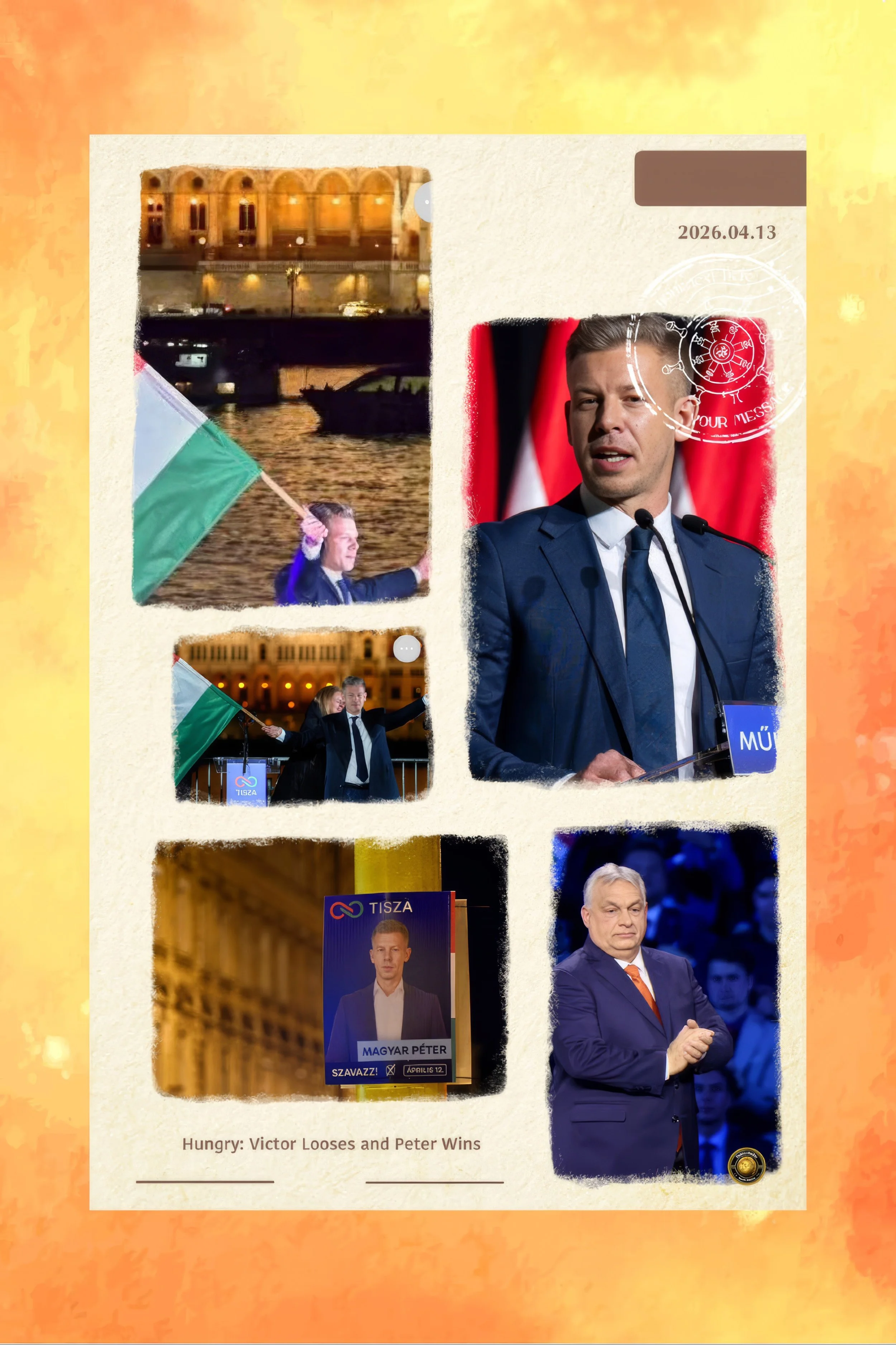
End of the Orban era in Hungary: relief, uncertainty, and the reshaping of Europe - Part I
Executive summary
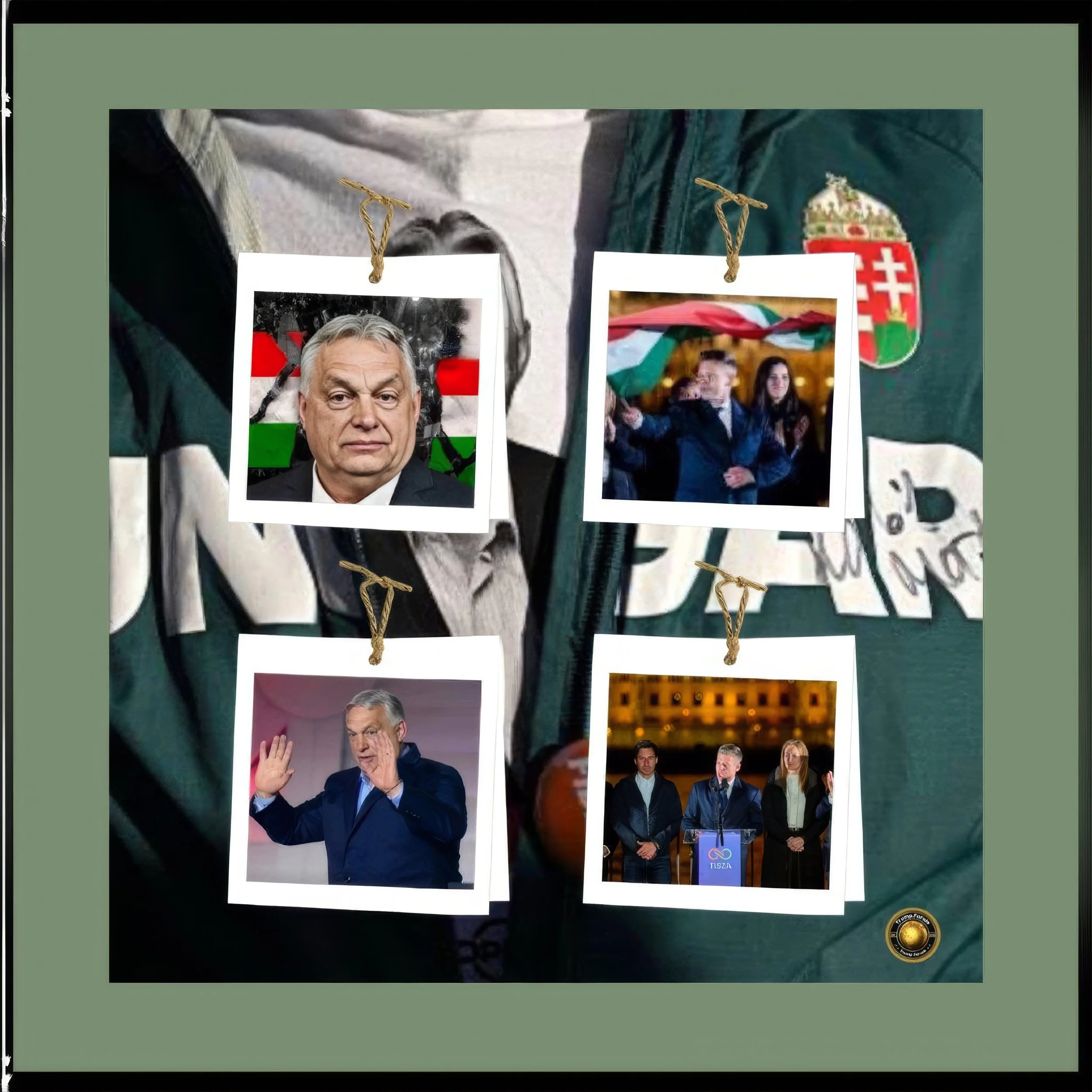
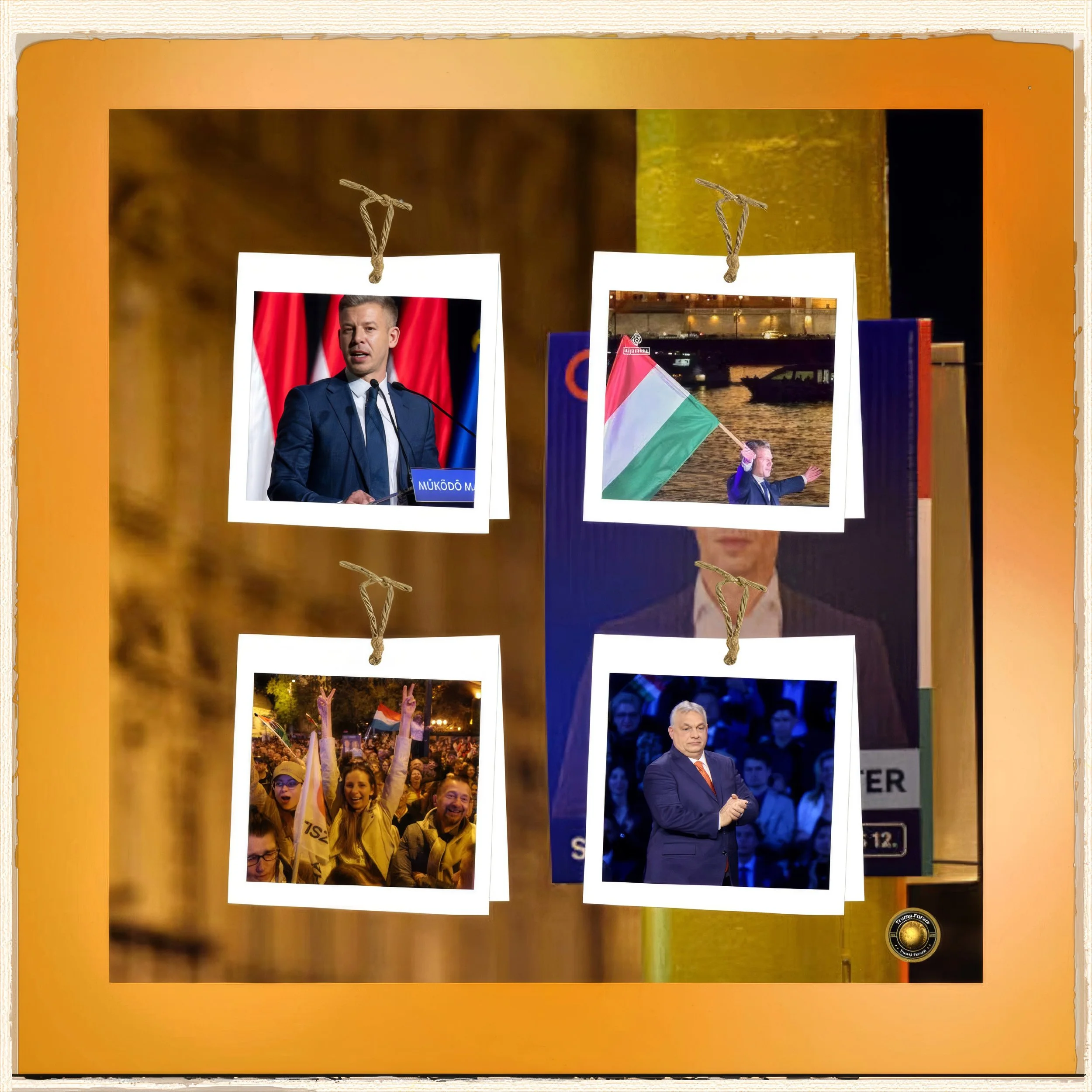
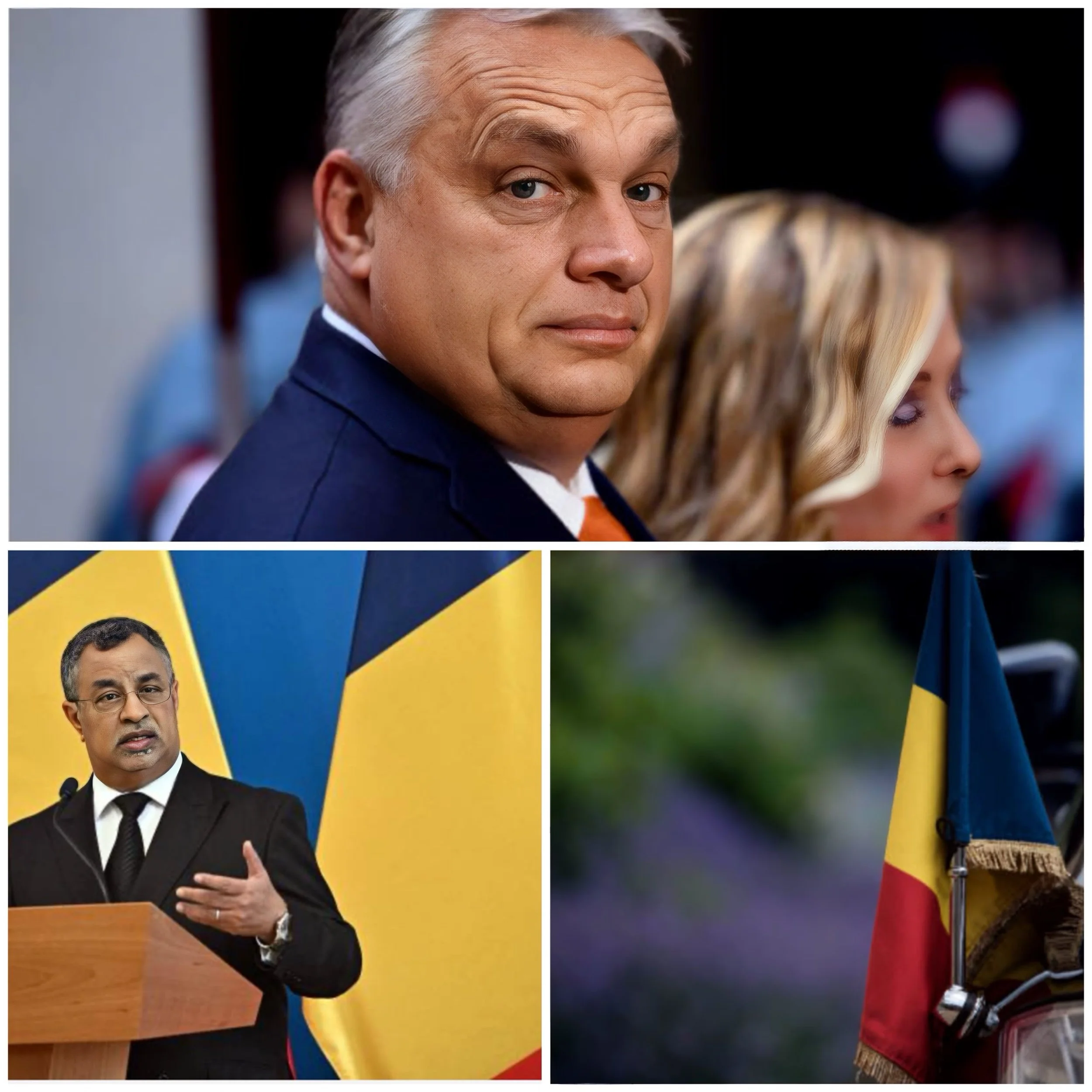
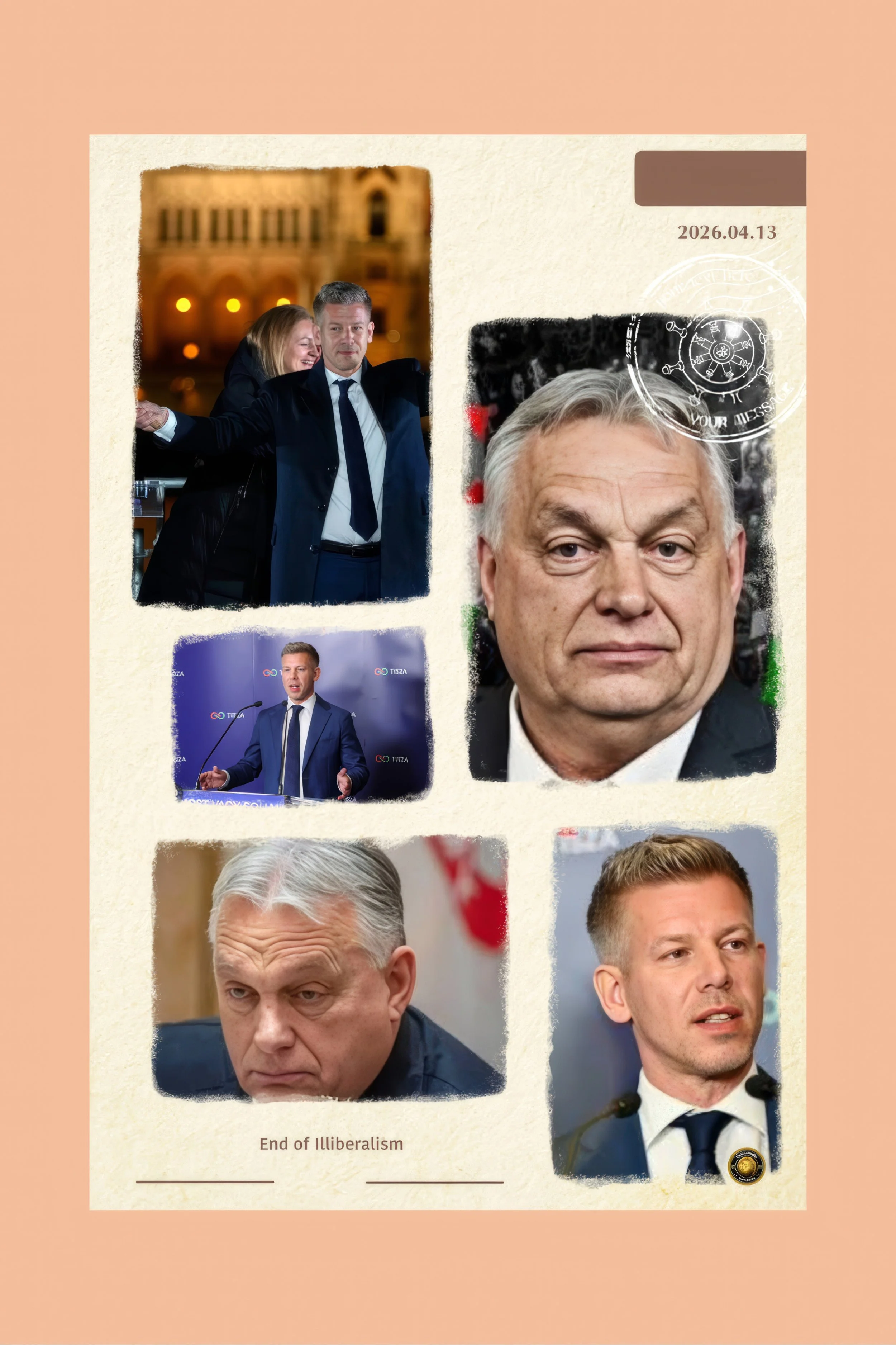
The political departure of Viktor Orbán marks one of the most consequential turning points in contemporary European politics.
For nearly 15 years, Orbán defined not only Hungary's domestic trajectory but also the ideological contest within the European Union.
His exit—whether electoral defeat, negotiated transition, or internal party fracture—signals the end of a political model that fused nationalism, centralized authority, and selective integration with Europe.
Across Europe, the reaction has been mixed but broadly marked by cautious optimism.
Western European leaders, including Ursula von der Leyen and Emmanuel Macron, have framed the moment as an opportunity to restore democratic norms and institutional cohesion.
Meanwhile, leaders in Central and Eastern Europe have responded more cautiously, wary of instability and the precedent such a transition sets.
Globally, reactions reveal deeper geopolitical currents.
The United States has welcomed the development as a reaffirmation of democratic resilience, while Russia and China have responded with measured concern about the erosion of a partner that often challenged Western consensus.
The transition raises critical questions about Hungary’s future alignment, the balance of power within the EU, and the trajectory of populist movements worldwide.
FAF article examines the historical foundations of Orbán’s rule, the dynamics of his decline, the immediate reactions of global stakeholders, and the long-term implications for Europe’s political architecture.
It argues that the end of the Orbán era is not merely a national political shift but a systemic moment in the evolution of liberal democracy and its challengers.
Introduction: The end of an era that reshaped Europe
The fall of a long-entrenched leader is rarely a simple domestic event. In the case of Viktor Orbán, it is a continental inflection point.
For over a decade, Orbán constructed what he openly described as an “illiberal democracy,” challenging the post-Cold War consensus that had guided Europe since the 1990s.
His governance model combined electoral legitimacy with institutional centralization, reshaping Hungary’s judiciary, media landscape, and economic networks.
At the same time, he positioned himself as a defender of national sovereignty against supranational interference, particularly from Brussels.
This dual strategy allowed him to dominate domestic politics while becoming a symbolic figure in global debates about democracy’s future.
The end of his rule therefore carries significance far beyond Hungary’s borders. It represents a test case: whether liberal democratic institutions can reassert themselves after prolonged erosion, and whether populist-nationalist models can sustain themselves over time.
The reactions to Orbán’s departure reflect these broader stakes.
Celebration in some quarters is tempered by caution in others, as stakeholders recognize that the structural forces he harnessed—economic discontent, cultural anxiety, and distrust of elites—remain deeply embedded across Europe.
History and current status: From democratic reformer to illiberal architect
Viktor Orbán first emerged as a liberal reformer in the late 1980s, playing a prominent role in Hungary’s transition from communism.
His early career was marked by pro-European and pro-democratic positions, aligning Hungary with the broader wave of post-Soviet transformation.
However, his political evolution took a decisive turn after returning to power in 2010.
With a constitutional supermajority, Orbán and his party, Fidesz, initiated sweeping reforms that restructured Hungary’s political system.
These included changes to the constitution, electoral laws, and judicial appointments, consolidating power in ways critics argued undermined checks and balances.
Economically, Orbán pursued a hybrid model. While maintaining integration with European markets, he expanded state influence over key sectors and cultivated a network of loyal business elites.
This created a political economy that reinforced his power while delivering selective benefits to key constituencies.
Internationally, Orbán positioned Hungary as a challenger within the EU.
He opposed migration policies, resisted sanctions in certain contexts, and cultivated ties with non-Western powers, including Russia and China.
This strategy allowed him to leverage Hungary’s EU membership while resisting deeper integration.
By the time of his exit, Hungary’s political system had been deeply reshaped.
The immediate question is not simply who replaces Orbán, but whether the institutional and cultural transformations of his era can be reversed.
Key Developments: The path to political transition
The end of the Orbán era did not occur in a vacuum. It was the result of cumulative pressures that gradually eroded his dominance.
Domestically, economic challenges played a central role. Rising inflation, stagnating wages, and the uneven distribution of growth began to undermine the social contract that had sustained his government.
While Hungary avoided severe economic crises, the perception of declining living standards weakened public support.
Political opposition, long fragmented, began to coalesce.
Although previous attempts to unite against Fidesz had failed, changing circumstances created new opportunities for coordination.
Civil society movements, independent media, and grassroots organizations contributed to a gradual shift in the political landscape.
Externally, tensions with the European Union intensified. Disputes over rule-of-law standards led to the withholding of EU funds, creating financial pressure on the Hungarian government.
This not only affected public finances but also signaled to domestic audiences that Orbán’s confrontational strategy carried tangible costs.
Geopolitical dynamics also played a role. Hungary’s ambiguous position on issues such as relations with Russia became increasingly untenable in a changing European security environment.
This placed Orbán at odds with key allies and reduced his room for maneuver.
The culmination of these factors—economic strain, political mobilization, and international pressure—created the conditions for transition.
Whether through electoral defeat or internal realignment, the result was the same: the end of a defining political era.
Latest facts and concerns: Uncertainty beneath the celebrations
In the immediate aftermath of Orbán’s departure, reactions across Europe have been characterized by a mixture of relief and caution.
In Brussels, officials have expressed optimism about the possibility of renewed cooperation.
Ursula von der Leyen emphasized the importance of restoring trust and upholding shared values, signaling a willingness to reengage with Hungary under new leadership.
In Paris and Berlin, leaders have framed the moment as an opportunity to strengthen European unity.
Emmanuel Macron and Olaf Scholz have both highlighted the importance of democratic resilience, while also acknowledging the need for pragmatic cooperation.
However, not all reactions have been celebratory.
In Central and Eastern Europe, there is concern about potential instability.
Leaders in countries such as Poland have noted that abrupt political transitions can create uncertainty, particularly in regions with complex historical and political dynamics.
Globally, the response has been equally nuanced.
The United States has welcomed the development as a positive step for democratic governance.
Russia, by contrast, has adopted a more cautious tone, emphasizing the importance of stability and continuity. China has similarly stressed non-interference, while quietly assessing the implications for its economic partnerships.
The central concern is whether Hungary’s transition will be smooth and sustainable.
The risk of political polarization, institutional conflict, and economic disruption remains significant, even as many celebrate the symbolic end of Orbán’s rule.
Cause-and-Effect Analysis: Why the Orban system unraveled
Understanding the end of the Orbán era requires a careful analysis of the forces that sustained—and ultimately undermined—his system.
At its core, Orbán’s model relied on a delicate balance between control and consent.
By centralizing power, he was able to shape political outcomes and limit opposition. At the same time, he maintained electoral legitimacy by delivering economic stability and appealing to national identity.
Over time, however, this balance became increasingly difficult to sustain. Economic pressures reduced the government ability to deliver material benefits, weakening its base of support.
At the same time, the concentration of power created vulnerabilities, as the system became heavily dependent on a narrow diving structure.
External factors amplified these challenges. The European Union’s use of financial conditionality introduced new constraints, linking economic resources to political standards.
This created a feedback loop in which political decisions had direct economic consequences.
Social dynamics also played a role. Generational change, urbanization, and increased access to information altered public attitudes, particularly among younger voters. These shifts eroded the cultural foundations of Orbán’s appeal.
The result was a gradual but decisive erosion of the النظام’s resilience. What had once been a stable equilibrium became increasingly fragile, leading to its eventual collapse.
Future steps: Rebuilding Hungary and redefining Europe
The end of the Orbán era opens a new chapter, but it also presents formidable challenges.
For Hungary, the immediate priority is institutional reconstruction.
This includes restoring judicial independence, strengthening media pluralism, and rebuilding trust in public institutions.
These tasks are complex and time-consuming, particularly given the deep structural changes of the past decade.
Economically, the new leadership must navigate a challenging landscape.
Reengagement with the European Union could unlock financial resources, but it will also require reforms that may be politically contentious. Balancing economic recovery with social stability will be a central challenge.
At the European level, Hungary’s transition has broader implications.
It offers an opportunity to reinforce democratic norms, but it also raises questions about how to deal with member states that deviate from shared values.
The EU’s response will shape its credibility and cohesion in the years ahead.
Globally, the transition will influence the balance between liberal and illiberal models of governance.
If Hungary successfully rebuilds its democratic institutions, it could serve as a powerful example of democratic resilience. If it struggles, it may reinforce narratives about the limitations of liberal democracy.
The coming years will therefore be critical, not only for Hungary but for the future of Europe and the global political order.
Conclusion: The illusion of final victories in politics
The end of Viktor Orbán’s rule has been greeted by some as a moment of triumph, a vindication of democratic values after years of challenge.
Yet such interpretations risk oversimplifying a far more complex reality.
Political systems are not easily dismantled, nor are they quickly rebuilt. The forces that sustained Orbán’s governance—economic inequality, cultural anxiety, and distrust of institutions—have not disappeared. They continue to shape political dynamics not only in Hungary but across Europe.
What has changed is the configuration of power?
The departure of a dominant figure creates space for renewal, but it also introduces uncertainty.
Whether this moment leads to democratic consolidation or renewed instability will depend on the choices of leaders, institutions, and citizens alike.
In this sense, the end of the Orbán era is not a conclusion but a transition.
It marks the end of one chapter in Europe’s political evolution and the beginning of another, whose outcome remains uncertain.