Beginners 101 Guide: Can the U.S. Hormuz Blockade Really Hurt Iran and Is There a Way Out?
Summary
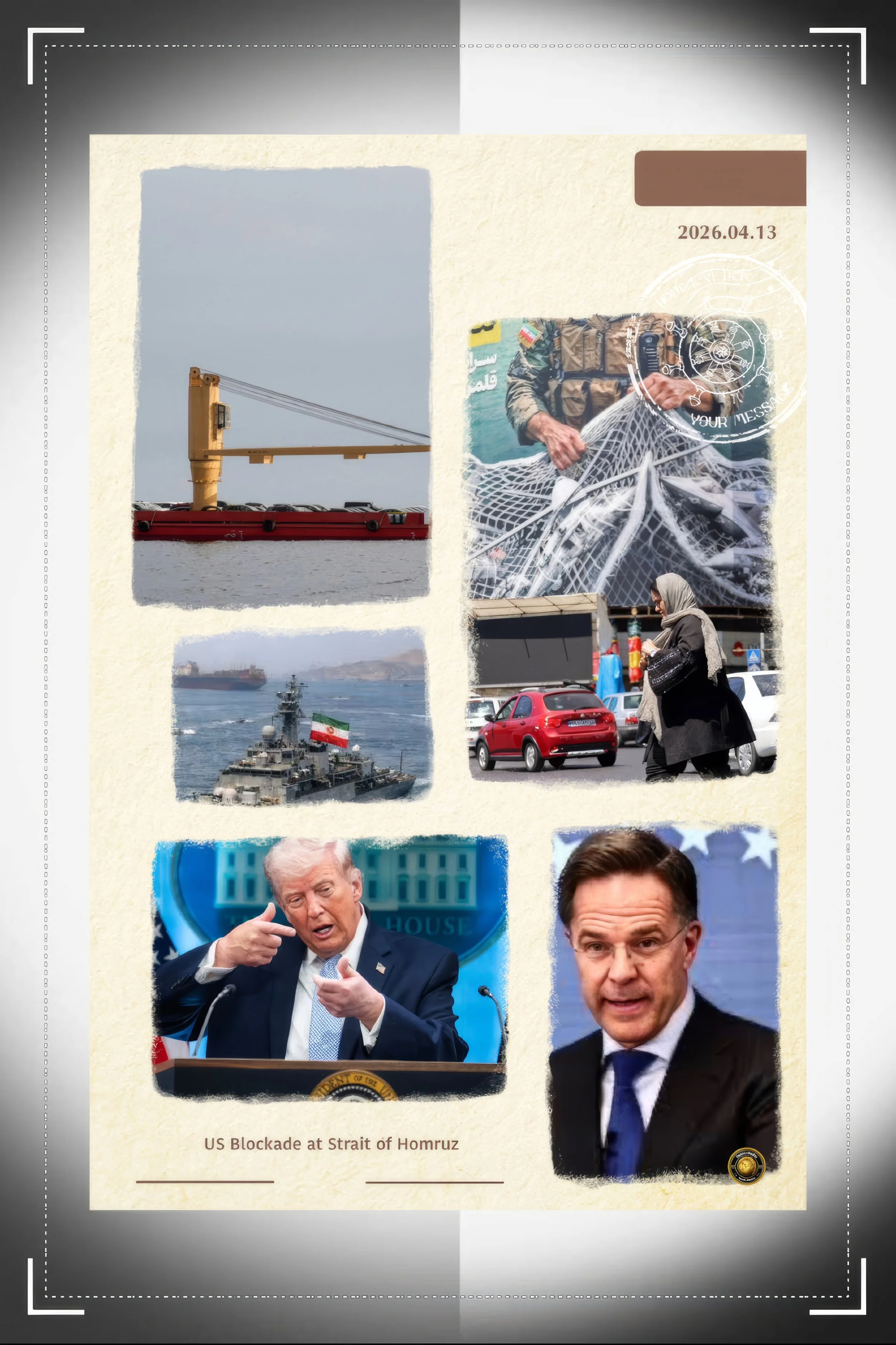
The United States has started a naval blockade against Iran.
This means U.S. forces are trying to stop Iranian oil ships from leaving its ports.
The goal is simple: reduce Iran’s income and force it to accept U.S. demands in the war.
Iran depends heavily on oil exports. In the past month alone, it earned about $5bn by selling oil, even during war conditions.
This money helps Iran run its government, pay salaries, and support its military activities. If this money is reduced, Iran will feel real pressure.
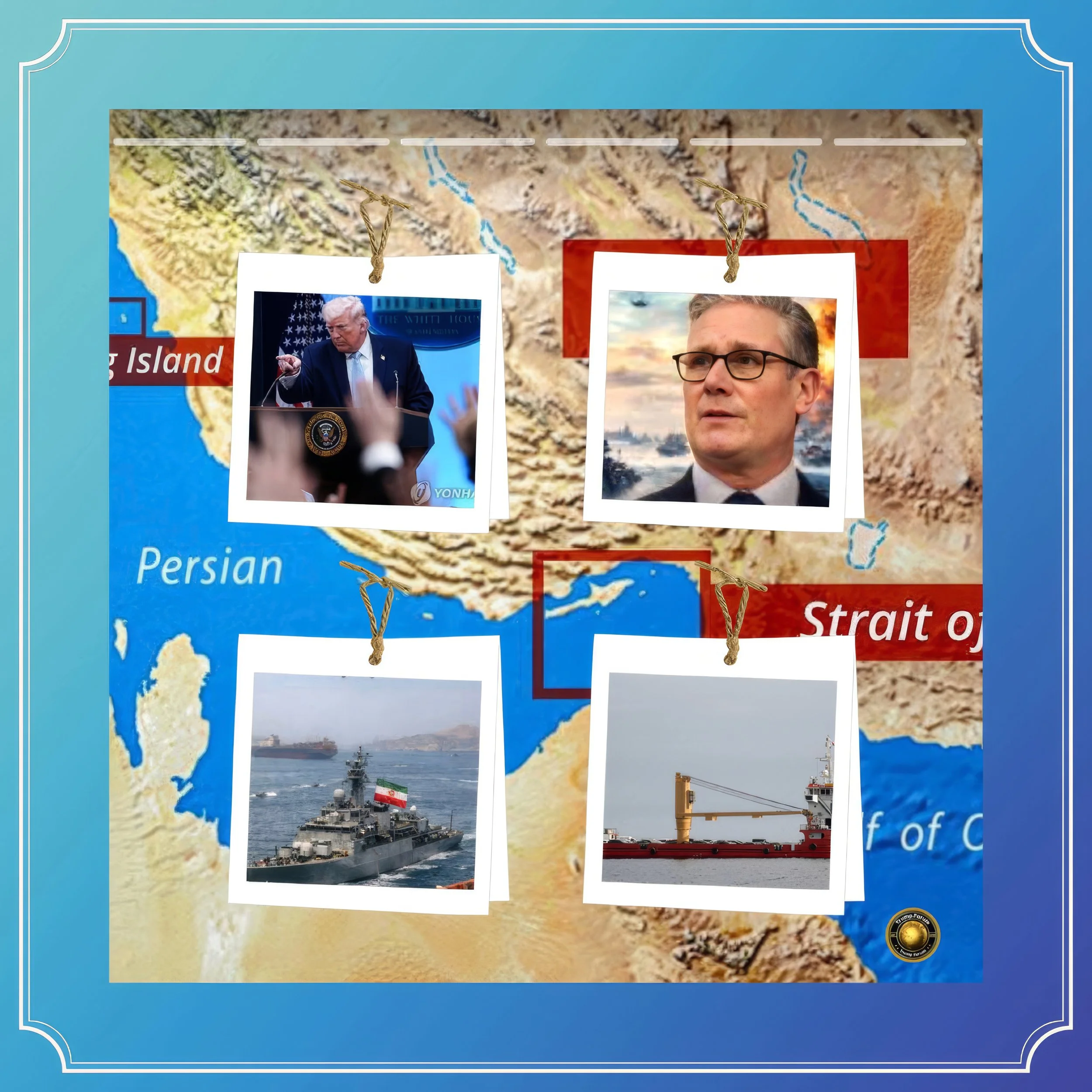
To understand why this matters, we need to look at the Strait of Hormuz.
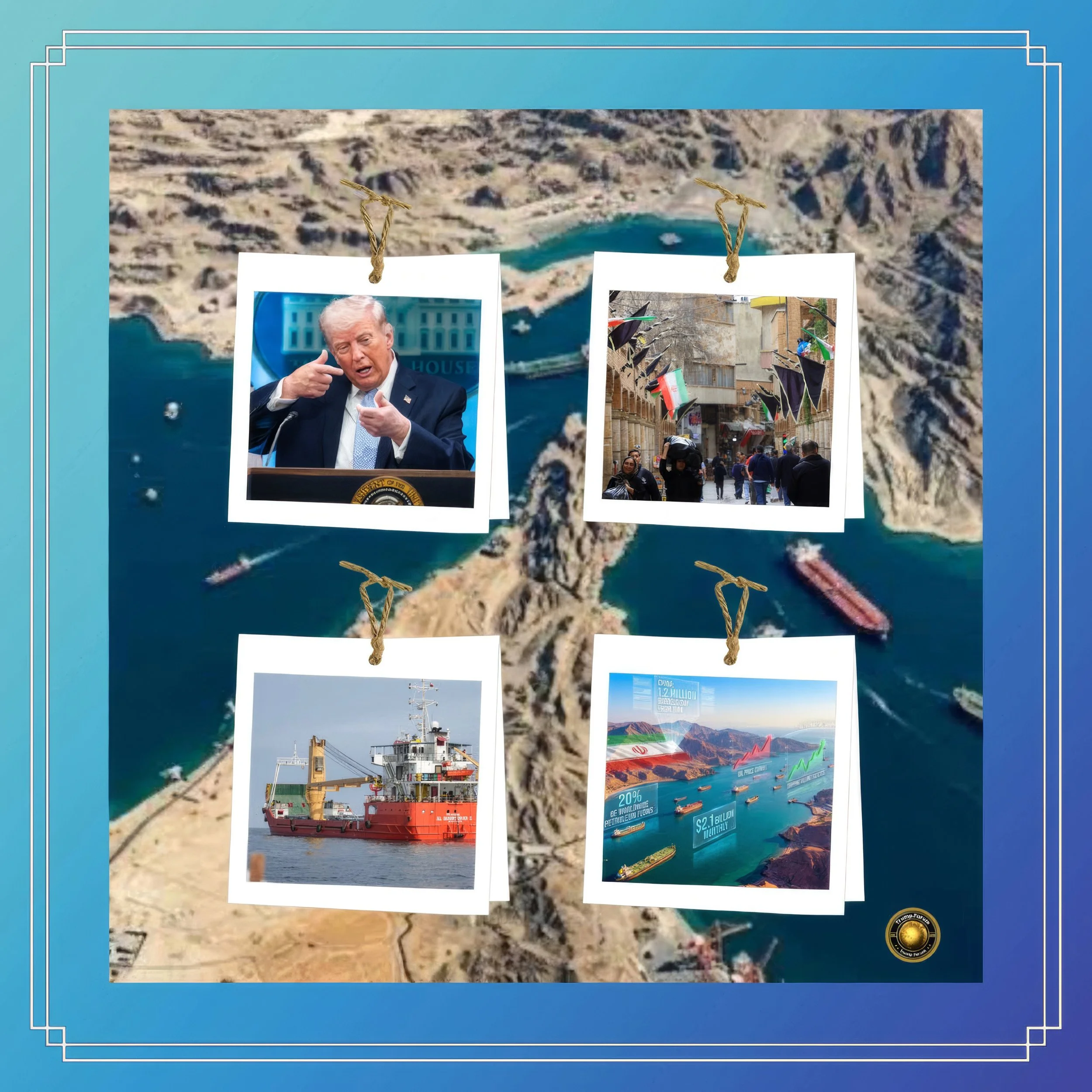
This is a narrow sea route that connects the Persian Gulf to the open ocean. Around 20% of the world’s oil passes through this route. Iran uses this path to export most of its oil.
When the war started, Iran itself restricted ships in this area. Now the U.S. is doing the opposite—trying to stop Iranian ships instead.
This creates a situation where both sides are using the same route as a weapon.
So how much can this hurt Iran?
First, it can reduce oil sales. If fewer ships leave Iran, it earns less money.
For example, if exports drop by half, Iran could lose billions each month. That is a big problem for any country, especially during war.
Second, it increases costs. Even if Iran still sells oil, it may have to use secret routes or risky methods.
This includes using old ships, turning off tracking systems, or transferring oil at sea. All of this costs more money and reduces profit.
Third, buyers may hesitate. Countries that buy Iranian oil—like China—may worry about getting into trouble with the U.S.
They may reduce purchases or demand lower prices. This again reduces Iran’s income.
But Iran is not without options.
One way out is what experts call the “shadow fleet.”
These are ships that operate quietly, often changing names or flags.
Iran has used these methods before to avoid sanctions.
For example, a ship might load oil in Iran, turn off its GPS, and appear later in another country.
Another option is land routes. Iran can send oil through pipelines or trucks to neighboring countries.
From there, it can be exported under a different label. This method is slower and smaller in scale, but it still helps.
Iran can also try political strategies.
It may work with countries that oppose U.S. actions.
If enough countries ignore the blockade, it becomes harder to enforce.
There is also a more dangerous option: escalation. Iran could threaten other ships or infrastructure in the Gulf.
This would increase oil prices globally.
For example, if global oil prices rise, even smaller Iranian exports could bring in more money.
But escalation is risky. It could lead to a bigger war, involving more countries.
For the global economy, this situation is worrying. If oil supply is reduced, prices can rise.
This affects fuel prices, transportation, and even food costs. Countries far from the Gulf can still feel the impact.
So will the blockade work?
It depends on enforcement and cooperation. If the U.S. can stop most ships and convince buyers to stay away, Iran will face serious economic problems.
But if Iran finds ways around it, the impact will be smaller.
In simple terms, this is a battle between pressure and adaptation.
The U.S. is trying to squeeze Iran’s economy. Iran is trying to survive and adjust.
The result will shape not just this conflict, but how future wars are fought—less with weapons, and more with control over trade and money.