Hungary’s Big Choice: Why the April Election Really Matters
Summary
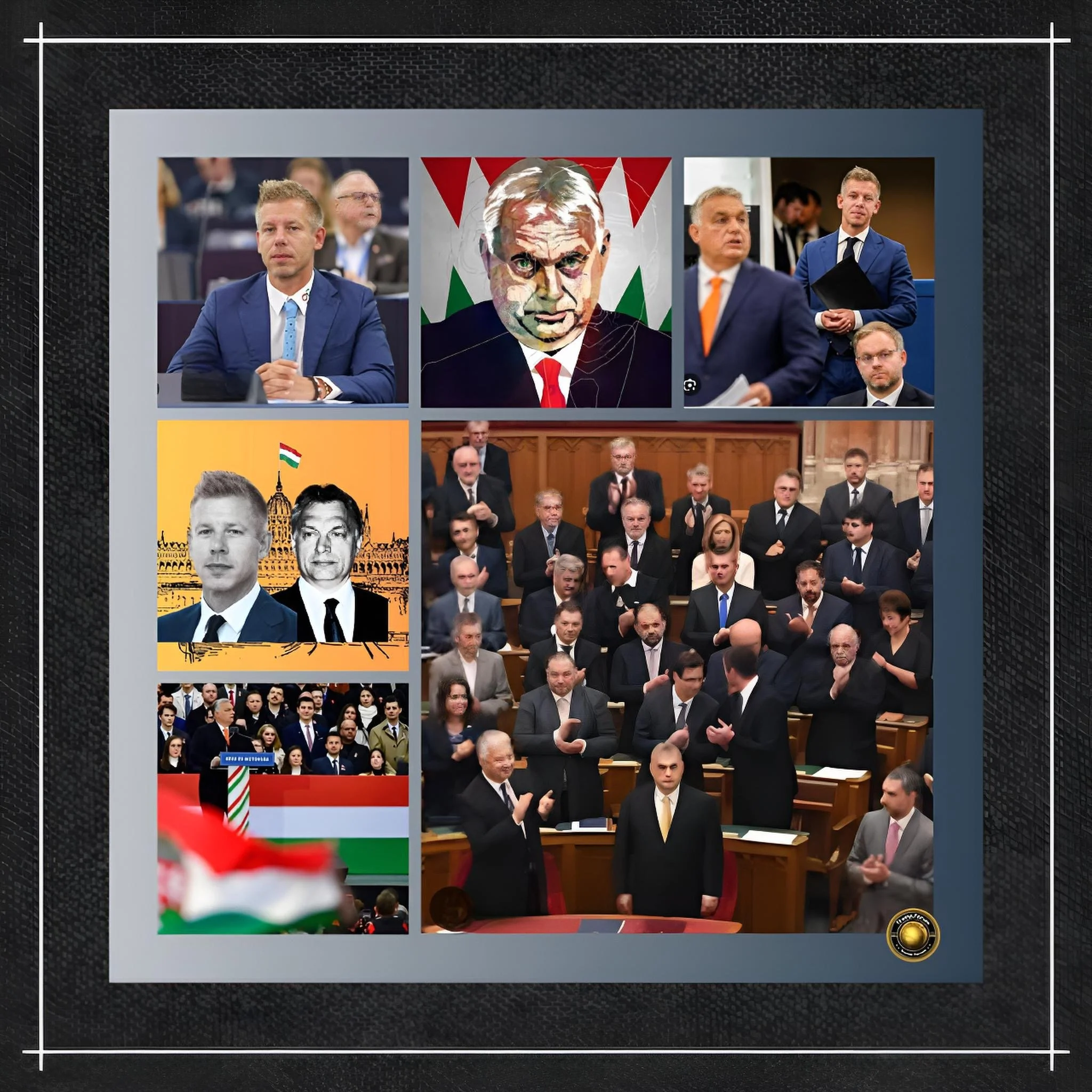
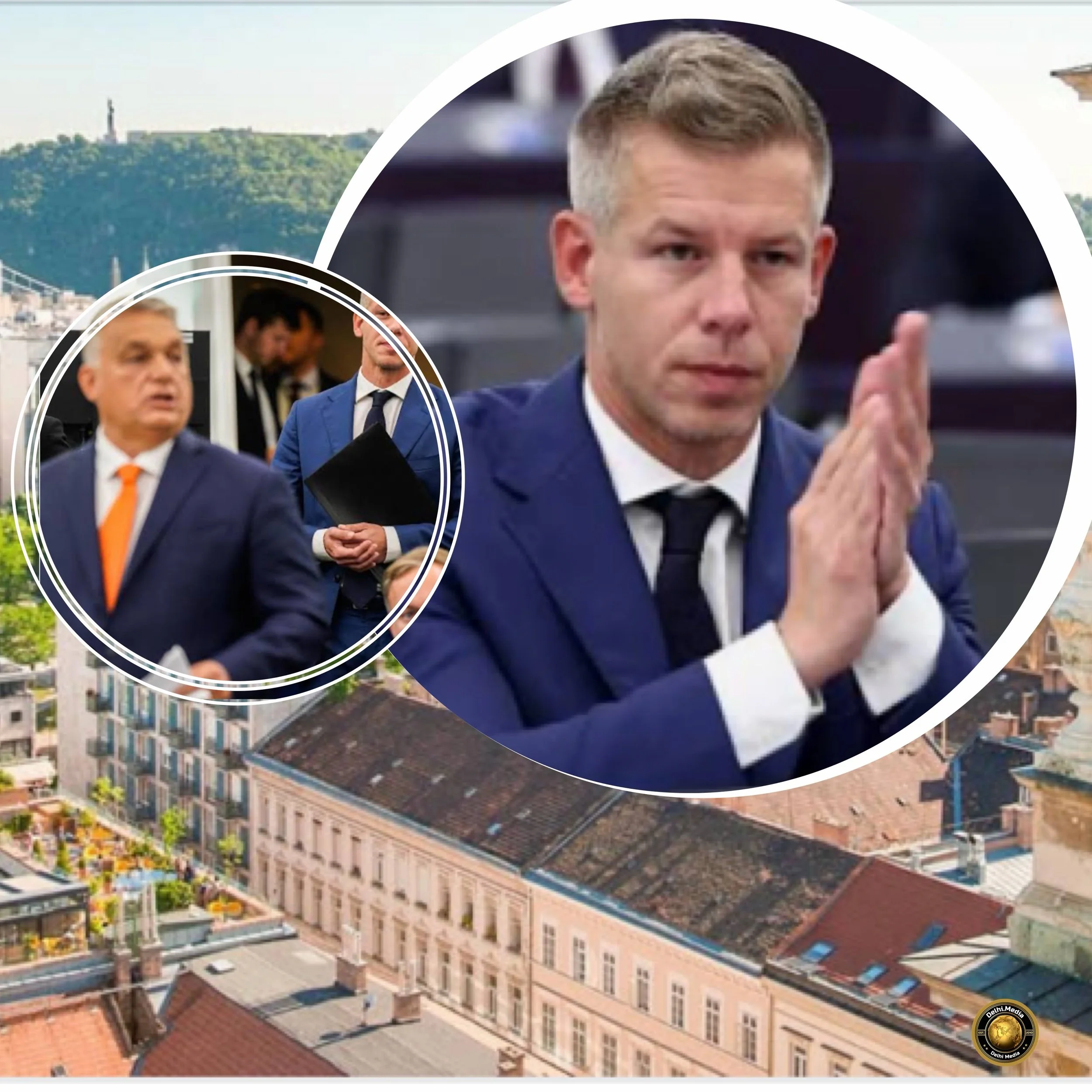
In April 2026, people in Hungary will vote in a very important parliamentary election. For many years, elections in Hungary felt predictable. Prime Minister Viktor Orbán and his party alliance, Fidesz–KDNP, kept winning big majorities and changing the rules to make it even easier for them to stay in power. This time is different. A new party, called Respect and Freedom (Tisza), led by Péter Magyar, is giving Orbán his toughest fight in sixteen years.
To understand why this is such a big moment, it helps to look at how Hungarian politics changed under Orbán, who has been prime minister since 2010. When his party first won a two-thirds majority in parliament, it used that power to rewrite the constitution and many other important laws. The government reduced the independence of the Constitutional Court, took more control over the public media, and changed how elections work.
For example, Hungary used to have a two-round election system for individual districts. If no candidate won more than half the votes in the first round, there was a second round between the top contenders. This helped opposition parties join forces. Orbán's government changed this. Now there is only one round, and the candidate with the most votes wins, even if that is far from a majority. Boundaries of voting districts were also redrawn in ways that help Fidesz, by concentrating opposition voters in fewer districts and making pro-government districts smaller.
Imagine a football league where one team can choose the size of the field and even move the goalposts. That is how many critics describe Hungary's new election system. The rules are still there, and everyone still plays, but the field is tilted.
At the same time, the government built a huge media empire. Many newspapers, TV channels, and radio stations are now owned by people close to Fidesz, gathered into a big foundation called KESMA. Public television and radio mostly present the government's point of view. Independent journalists have a harder time getting information and face pressure and smear campaigns.
For a long time, these changes helped Orbán. His party kept winning elections in 2014, 2018, and 2022. In 2022, even when six opposition parties joined together in a single alliance, Fidesz still won a large majority of seats. Many Hungarians began to feel that there was no real alternative. Some stopped voting at all.
But the past few years have been rough. Prices rose very fast. In 2023, inflation in Hungary was among the highest in the European Union, above 17 percent on average and much higher at its peak. Everyday items like food and energy became much more expensive. The economy even went into recession, meaning it shrank instead of grew. People saw their savings lose value and their wages fall behind prices.
On top of this, the European Union froze or blocked a lot of money that would normally go to Hungary. This happened because EU institutions said Hungary was not respecting the rule of law: courts were not independent enough, corruption was not punished strongly enough, and some laws went against EU values. By late 2025, more than €20 billion in EU funds were still held back. For a small country, that is a very large sum. It means fewer investments in roads, schools, hospitals, and other projects.
These problems made many people angry or worried, but anger alone does not change a government. There also has to be a believable alternative. This is where Péter Magyar comes in.
Magyar is not a typical opposition figure. He used to be part of the Fidesz world and was married to Viktor Orbán's justice minister. In 2024, after a scandal over presidential pardons in a child-abuse case, he broke with the government and started speaking publicly about what he said were deep problems and corruption in the system.
Because of his background, many people listen to him. It is like when a long-time employee of a company suddenly starts talking about how the boss cheats the customers. It sounds different from complaints by people who never worked there.
Magyar decided to turn his new popularity into a political movement. Instead of creating a new party from scratch, he took over an old, inactive party called Tisza, which already had legal registration. In the European Parliament elections of June 2024, this party surprised almost everyone. Within a few months, it won roughly one-third of the vote and seven seats in the European Parliament, becoming the main opposition force.
Since then, many polls have shown Tisza ahead of Fidesz, sometimes by ten points or more among voters who say they will definitely vote. Not all polls agree; pro-government pollsters insist Fidesz is still in front. But it is clear that Orbán is facing a much stronger rival than before.
Magyar's main message is simple. He says Hungary is stuck because of corruption and fights with the EU. He promises to clean up public life, join the European Public Prosecutor's Office, and satisfy EU demands so that blocked funds can finally arrive. In other words, he tells people: "If we change the government, we can stop losing EU money and start fixing our economy."
He also speaks about schools, hospitals, and the cost of living, and he spends a lot of time visiting smaller towns and villages, not only the big cities. That is important in a country where rural voters have long been a strong base for Fidesz.
Still, the road ahead is not easy. Even if Tisza wins more votes than Fidesz, that does not guarantee it will win more seats in parliament, because of the tilted election system. And if it does win enough seats to form a government, it will inherit institutions—courts, regulators, media authorities—filled with people appointed under Orbán. Changing those institutions will be legally and politically difficult.
On the other hand, if Orbán's party manages to stay in power despite losing the popular vote, many Hungarians might feel that change by elections alone is impossible. That could deepen frustration and mistrust. It could also push the European Union to tighten its pressure even more.
So the April election matters in several ways at once. For Hungarian citizens, it is about everyday life: prices in shops, quality of public services, whether their children stay in the country or move abroad. For Hungarian democracy, it is a test of whether a system that has been bent so far in favour of one party can still produce change through the ballot box. And for Europe, it is a signal about whether illiberal leaders inside the EU can be removed peacefully when voters tire of them.
No one can say yet how this story will end. But for the first time in many years, many Hungarians feel that their vote in April might truly change the direction of their country.