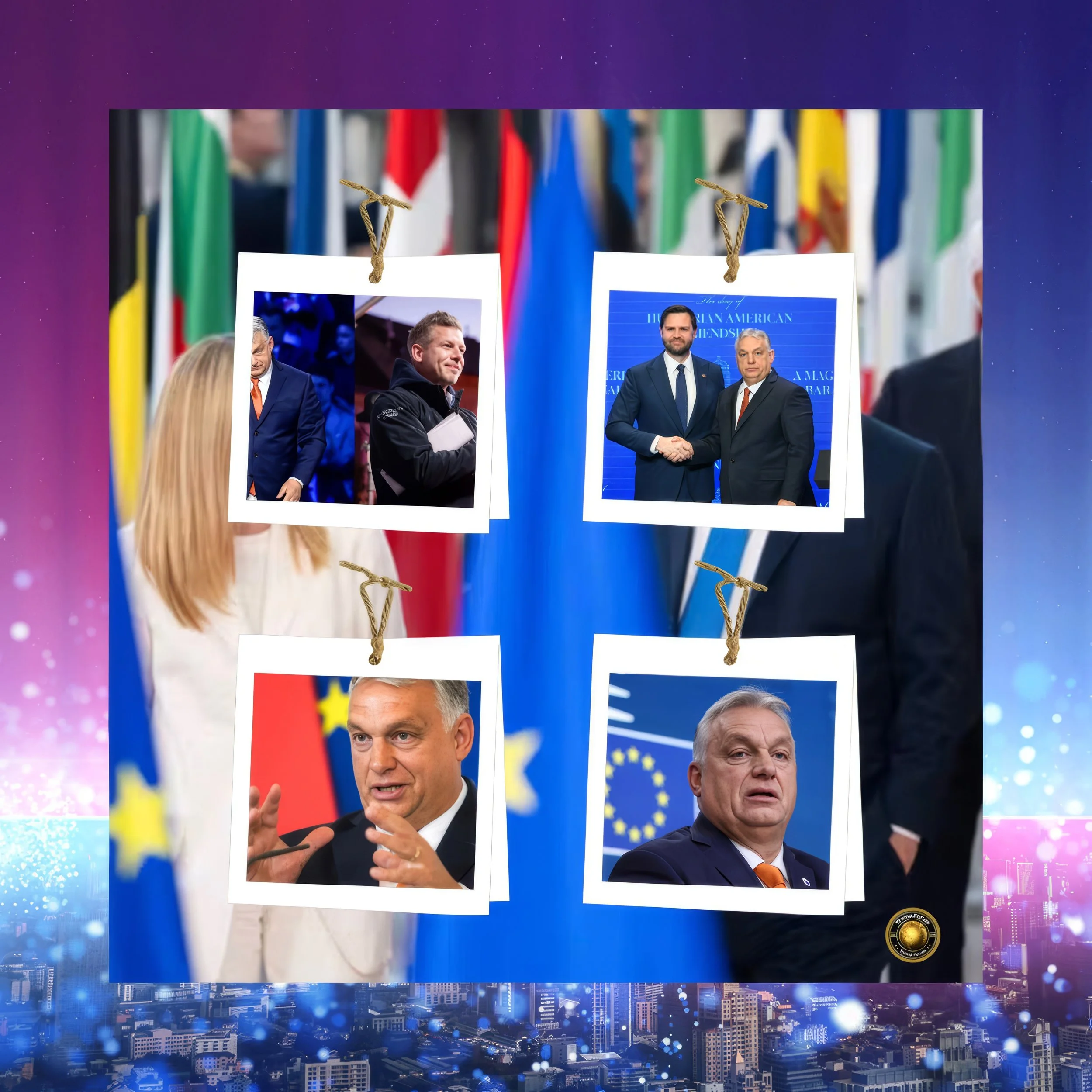
Beginner's 101 Guide: A Final Opportunity for Hungary: Democracy or Autocracy
Summary
Hungary is at an important moment in its history.
For many years, its leader Viktor Orbán has controlled the country’s politics, economy, and much of its media.
His party, Fidesz, has won elections again and again.
Because of this, numerous people say Hungary is no longer a normal democracy.
To understand this situation, think of a school where one principal has been in charge for a long time.
At first, the principal improves the school and brings order. But over time, the principal starts making all decisions alone.
Teachers and students have less say. Eventually, even if elections happen, it becomes very hard to replace the principal. This is similar to what has happened in Hungary.
Orbán came to power again in 2010. At that time, many people were unhappy with the old political system.
He promised stability, strong leadership, and national pride.
After winning a large majority, his government changed many laws. These changes made it easier for the ruling party to stay in power.
One major change was to the constitution. The government rewrote important rules about how the country is run.
This gave more power to the central leadership. Another change affected the courts. Judges and legal systems became more influenced by the government. This reduced independence.
The media also changed a lot. Many newspapers, TV channels, and online platforms came under the control of people close to the government.
This means that most information people see supports the ruling party. If people only hear one side of the story, it becomes harder for them to make independent political choices.
The economy is another key part of the system.
The government gives contracts and opportunities to businesses that are loyal. Imagine a situation where only friends of the principal get the best jobs in the school.
Over time, those people will support the principal strongly. This creates a circle of power that is hard to break.
For many years, this system worked well for Orbán and his party.
The economy grew, and people felt stable. Hungary also received money from the European Union.
This money helped build roads, schools, and other projects. Because of this, many citizens did not strongly oppose the system.
But now, things are changing.
The first big problem is the economy.
Prices have gone up, especially for energy and food.
This means families have to spend more money just to live.
When people feel financial pressure, they start questioning the government.
For example, if a family cannot afford heating in winter, they will look for someone to blame.
The second problem is the European Union.
The EU has accused Hungary of not following democratic rules.
Because of this, it has delayed or blocked some funding.
This is very important because Hungary depends on this money. Without it, the government has fewer resources to spend.
Think of it like a business that depends on a loan. If the loan stops, the business must either cut costs or find new income. Hungary is facing a similar situation.
The third issue is politics.
In the past, the opposition was weak and divided. Many voters did not believe change was possible.
But now, new leaders are starting to appear. They are trying to offer fresh ideas and attract younger voters.
Young people, especially in cities, are more open to change.
They use the internet, travel more, and compare Hungary to other countries.
They often want more freedom and better opportunities. This creates a new kind of political pressure.
However, change will not be easy.
The government still has strong control over institutions and media.
Elections happen, but the system is not fully fair.
It is like a race where one runner starts far ahead of the others.
Hungary now has three possible futures.
The first is reform.
The government could decide to make changes. It could improve relations with the European Union and allow more political competition.
This would reduce pressure and improve the economy. But it would also mean giving up some control.
The second is stronger control.
The government could react to problems by tightening its grip. It might increase control over media and limit opposition activities. This would help it stay in power in the short term. But it could create more tension with Europe and investors.
The third is political change.
If the opposition becomes stronger and more united, it could challenge the government in elections. This would take time. It would not happen suddenly. But it is possible if enough people demand change.
To understand this better, think again about the school example. If teachers and students work together, they can push for a new principal. But if they remain divided, the old principal will stay.
The most important factor is the economy.
When people are comfortable, they usually accept the system. When they struggle, they look for alternatives. This is true in many countries, not just Hungary.
Another important factor is unity among opposition groups.
If they compete against each other, they weaken their chances. If they cooperate, they become stronger.
The role of the European Union is also important. It can influence Hungary by controlling funding and setting rules.
But it cannot directly change the government.
That depends on Hungarian voters.
So why is this called a “last chance”?
Because the system is reaching a point where decisions made now will shape the future for many years.
If reforms happen, Hungary could move closer to a balanced democracy.
If control increases, it could become more isolated from Europe.
This moment is not about sudden collapse. It is about direction. Small choices made today will have big effects tomorrow.
In simple terms, Hungary is standing at a crossroads. One road leads to more openness and cooperation. The other leads to stronger control and separation.
The future depends on leaders, voters, and economic conditions. No one can predict the exact outcome. But it is clear that change is possible.
Hungary’s story is still being written.
What happens next will decide whether it changes course or continues on its current path.