Beginners 101 Guide: The end of Orban’s rule in Hungary: What it means for people and the world
Introduction
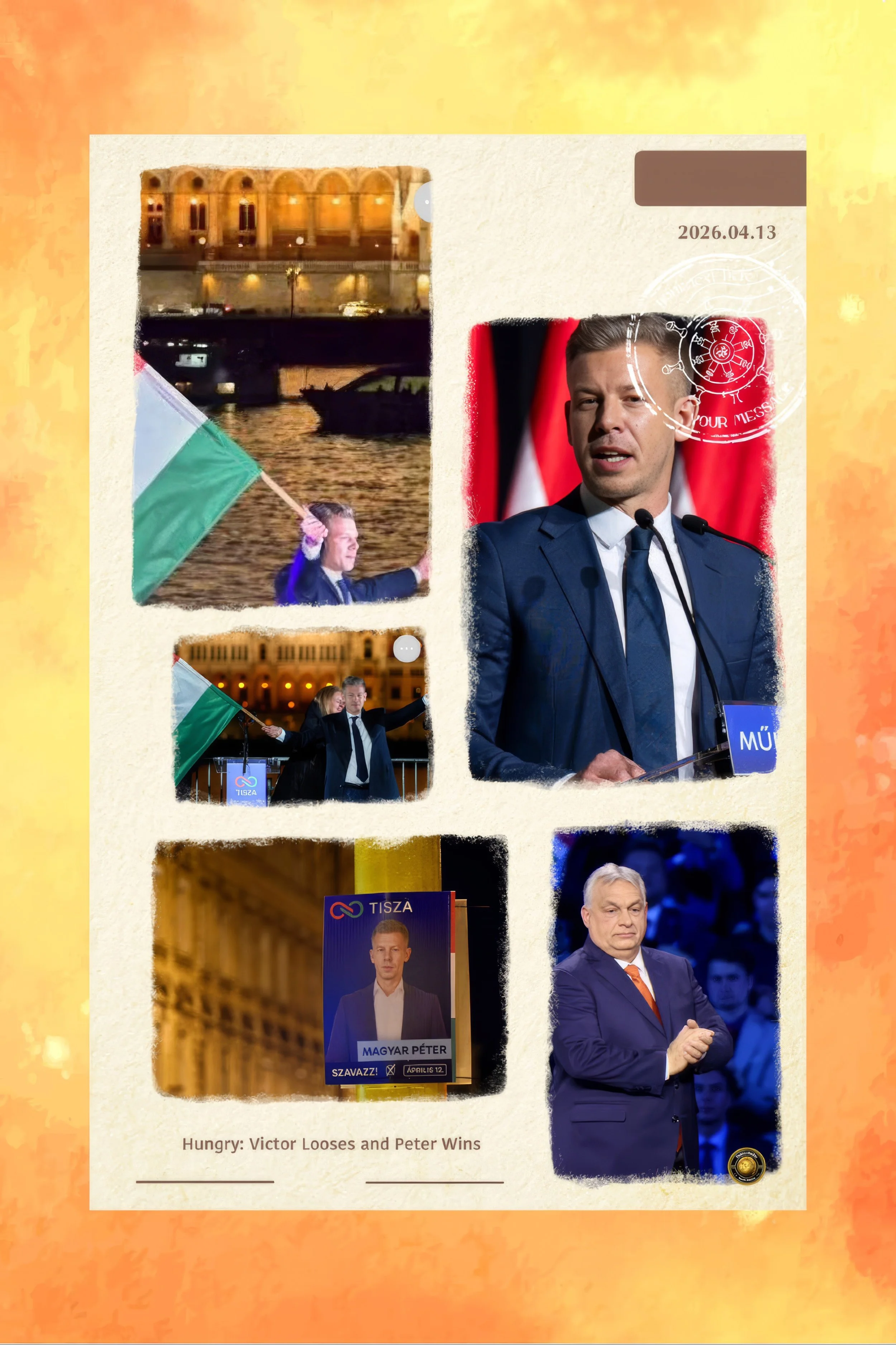
For many years, Viktor Orbán was the most powerful leader in Hungary.
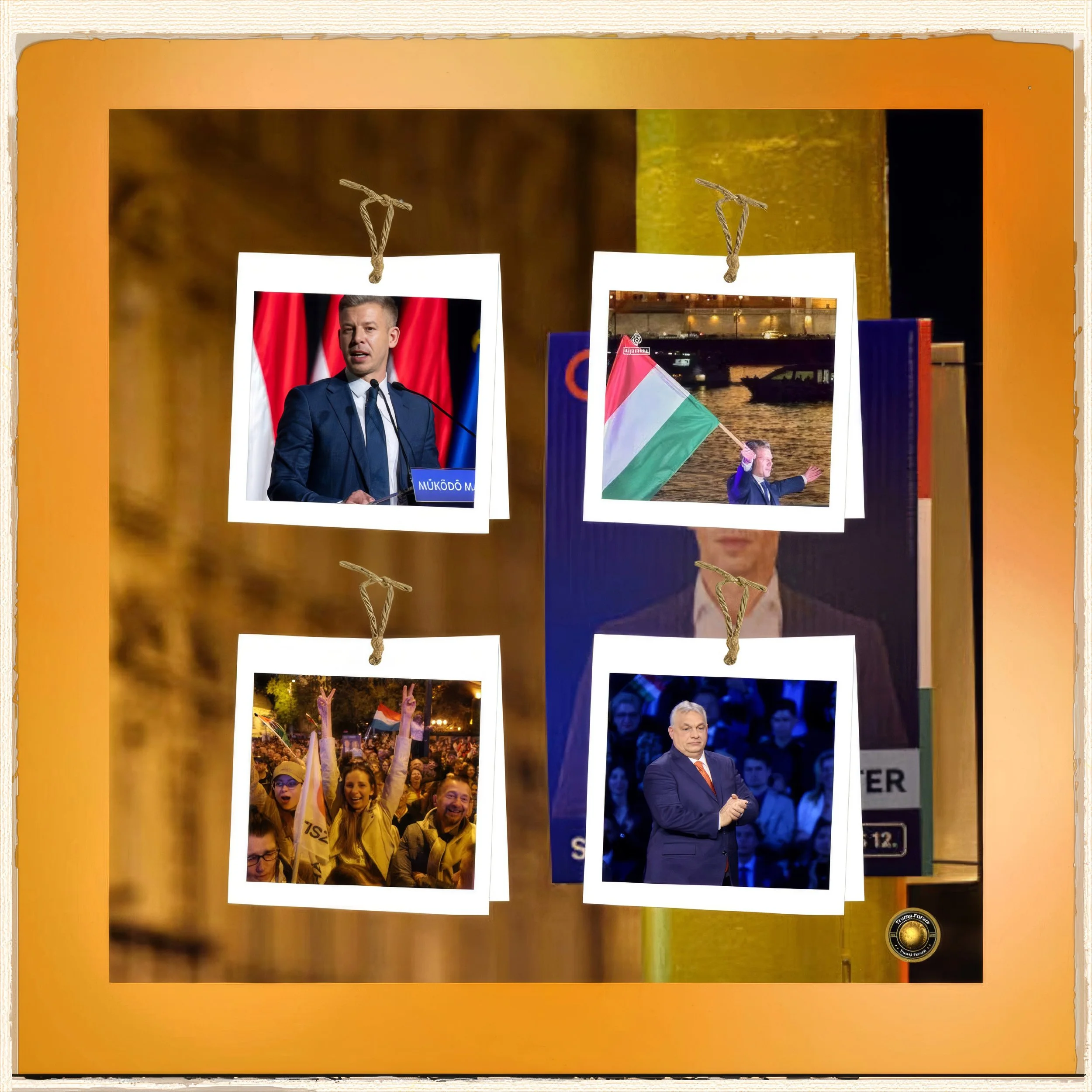
He shaped how the country was run, how it worked with Europe, and how it saw itself. Now, his time in power has ended.
This is a very big moment, not just for Hungary, but for all of Europe and even the world.
Some people are celebrating. Others are worried. Many are asking the same question: what happens next?
What Orban did in Hungary
Orbán first came to power a long time ago, but his strongest rule began in 2010.
After that, he changed many parts of the country’s system.
He made changes to laws, courts, and the media.
His supporters say he made Hungary strong and protected its culture. His critics say he made the system unfair and gave too much power to himself and his allies.
For example, many media companies became closer to the government.
Some judges were replaced or influenced by new rules. Elections still happened, but critics argued they were not fully fair.
Why his rule ended
There is never just one reason why a long-time leader loses power. In Hungary, several things happened at the same time.
First, the economy became harder for many people.
Prices went up, and life became more expensive. Even if the country was not in crisis, people felt pressure in daily life.
Second, opposition groups started working together better. Before, they were divided. Later, they began to cooperate and challenge Orbán more strongly.
Third, the European Union put pressure on Hungary. It blocked some money because of concerns about democracy and law. This made things harder for the government.
All these things together slowly weakened Orbán’s position.
How Europe reacted
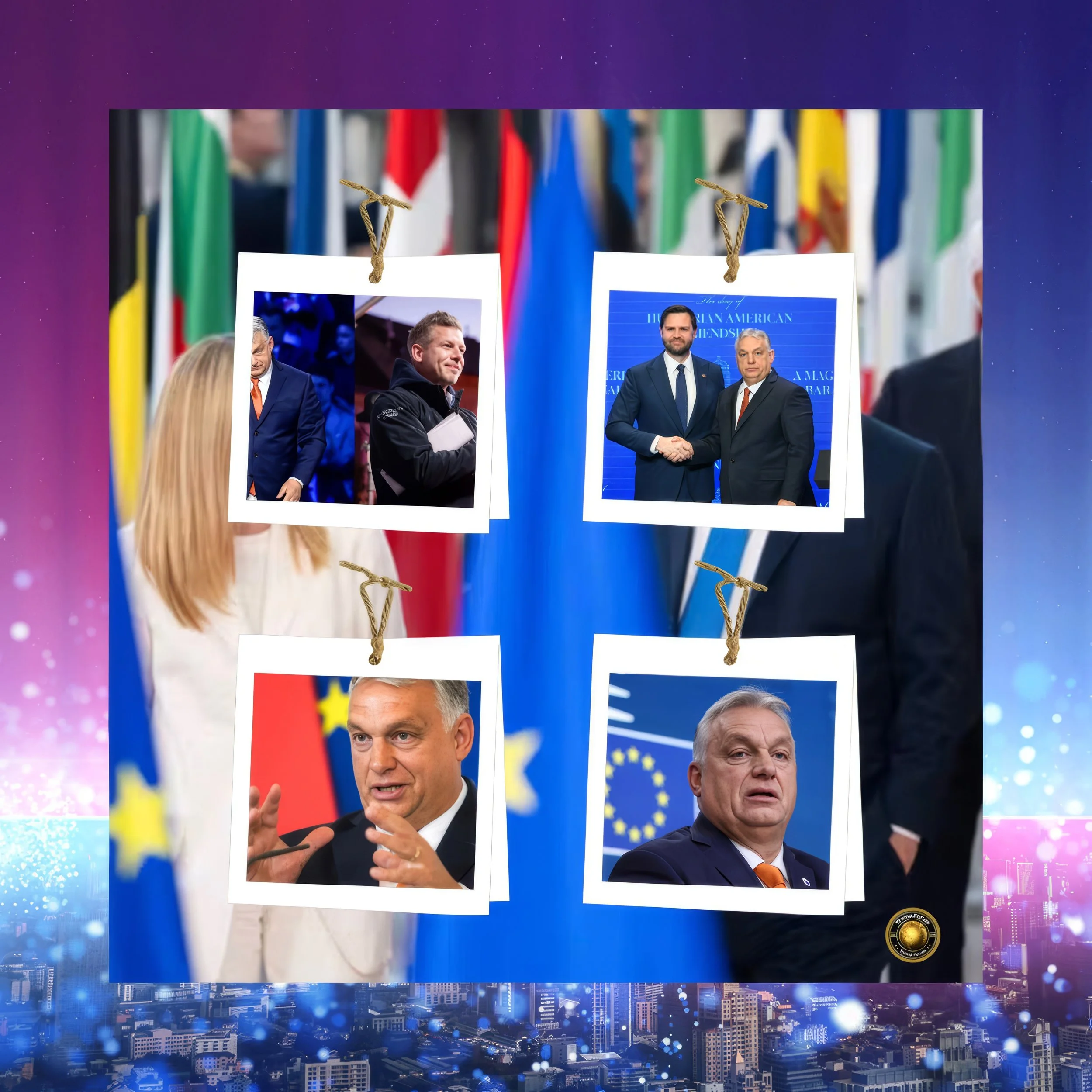
In Europe, many leaders reacted with relief.
Leaders like Ursula von der Leyen said this could be a new start for Hungary and its relationship with the EU.
Countries like France and Germany also showed support for change.
For example, imagine a team where one member always disagrees and blocks decisions.
When that member leaves, the team feels it can work better together. That is how some European leaders see this moment.
But not everyone is celebrating. Some countries are careful. They worry that big political changes can create instability.
How the world reacted
Outside Europe, reactions are different.
The United States welcomed the change. It often talks about democracy, so it sees this as a positive step.
Russia reacted more carefully. Hungary under Orbán sometimes had friendly relations with Russia. So Russia may feel it lost an important partner.
China also stayed neutral but is watching closely. It had economic ties with Hungary and will want those to continue.
This shows that even one country’s leadership change can affect global politics.
What might happen next in Hungary
Now Hungary faces an important period.
The new leadership may try to change laws and make institutions more independent. This could take time and may not be easy.
For example, if a house has been changed for many years, you cannot rebuild it in one day. You must fix each part step by step.
There could also be political fights. Supporters of Orbán still exist. They may resist changes.
The economy is another challenge. Hungary may try to get back EU funds and improve growth, but reforms will be needed.
What this means for Europe
For Europe, this is a chance to become more united.
If Hungary works closely with the EU again, decisions may become easier. Policies on migration, economy, and security could move forward faster.
But Europe also learns a lesson. Problems that helped Orbán rise—like economic stress and cultural fears—still exist in many countries.
So even if one leader leaves, similar ideas can come back in other places.
Simple conclusion
The end of Viktor Orbán’s rule is a very important moment. Some people celebrate it as a victory for democracy. Others worry about what comes next.
The truth is in between. This is both an opportunity and a risk.
Hungary now has a chance to change direction.
Europe has a chance to grow stronger. But nothing is guaranteed.
Just like in real life, when a strong leader leaves a company or a family, everything depends on what happens after.
The future is open, and the choices made now will shape what comes next.