Beginners 101 Guide : Why the US and Iran Could Not Make a Deal in Pakistan
Summary
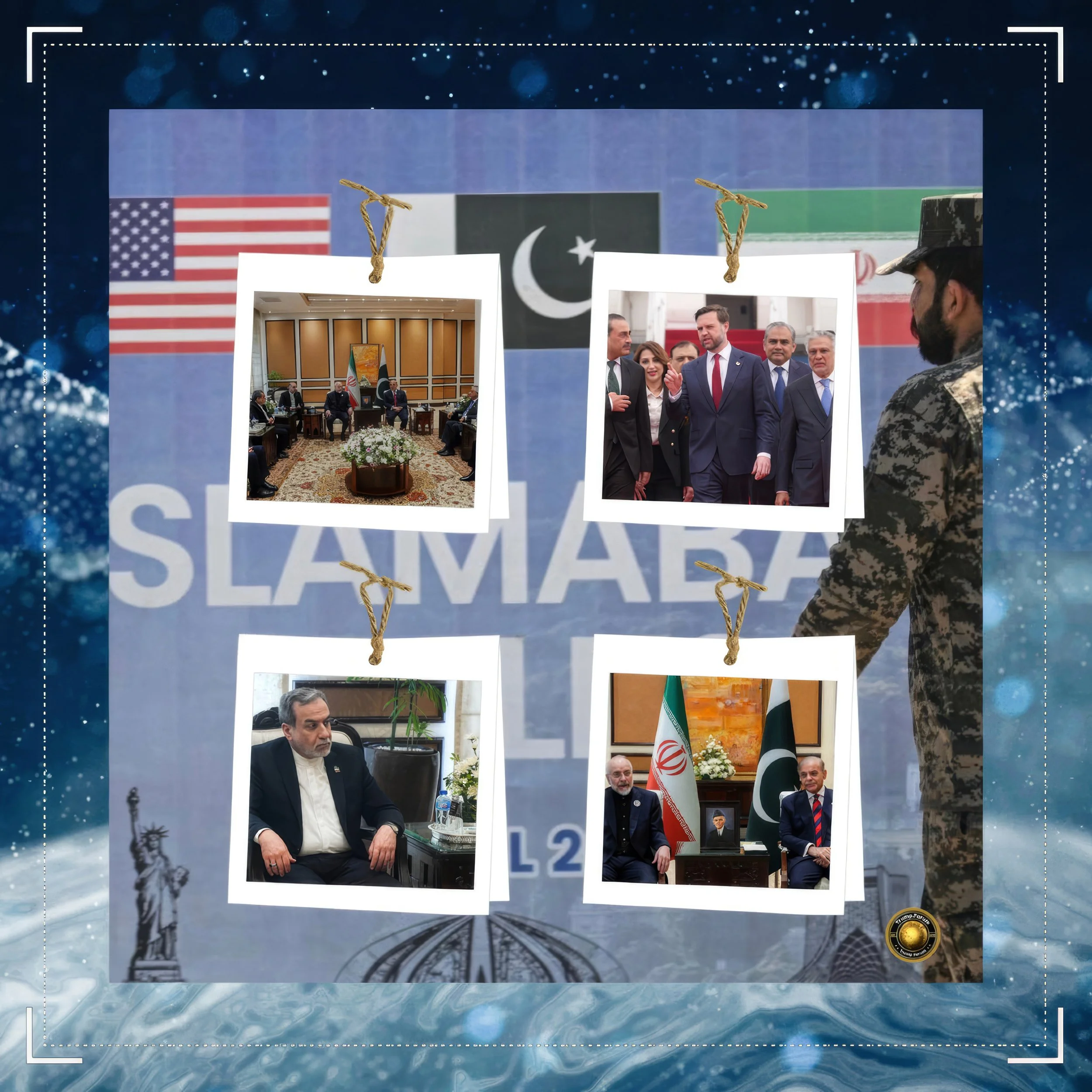
Two powerful countries — the United States and Iran — sat in a room in Islamabad, Pakistan's capital, for 21 hours straight on April 11-12th, 2026.
When they came out, there was no deal. The talks were the most important face-to-face meeting between the two countries since 1979 — that is more than four decades.
But they ended in failure. US Vice President JD Vance flew home without an agreement, and Iranian officials said Washington needed to show more "seriousness and good faith."
To understand why this happened, you need to know a little background.
The War That Started It All
Think of it like this: imagine two neighbour’s who have been fighting for years.
Then one night, one neighbour breaks down the other's door and destroys part of their house — even while peace talks were going on.
That is roughly what happened in this conflict.
On February 28th, 2026, the United States and Israel launched a massive military operation called Operation Epic Fury — nearly 900 strikes in just 12 hours — targeting Iran's military, its nuclear facilities, and its leadership.
Iran's Supreme Leader, the most powerful figure in the country, was killed in those strikes. Iran fired back with missiles and drones, and it closed the Strait of Hormuz — a narrow waterway that about 20% of the world's oil passes through every day.
After 6 weeks of this war, Pakistan's Prime Minister Shehbaz Sharif managed something remarkable: he convinced both sides to agree to a temporary ceasefire starting April 8th, 2026, and then brought them to Islamabad to negotiate a more permanent settlement.
Pakistan had managed to establish trust with both Washington and Tehran — quite a diplomatic achievement for a country that Trump had previously criticised harshly.
The Nuclear Problem: Who Gets to Enrich Uranium?
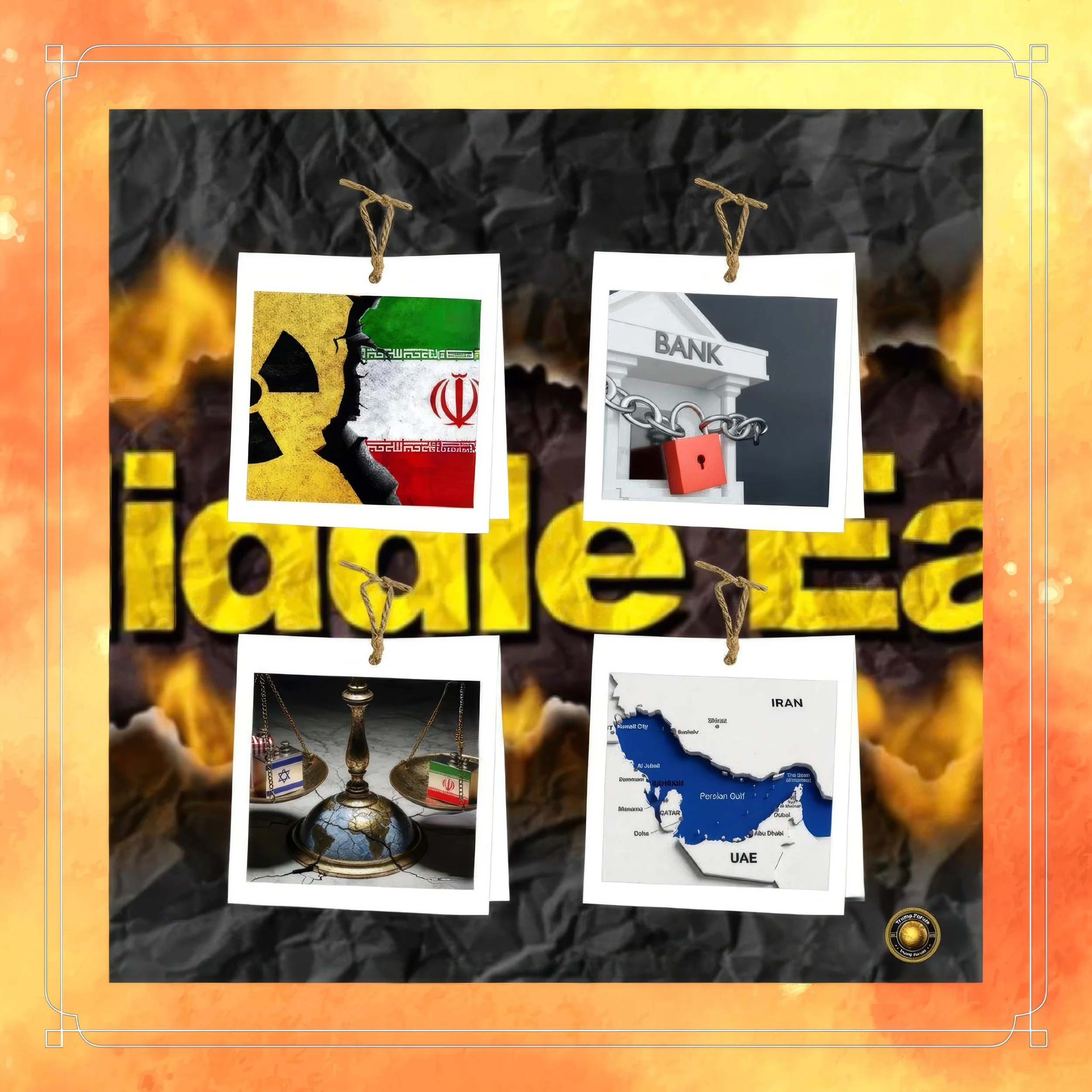
The biggest disagreement — like a giant boulder in the middle of the road — was Iran's nuclear programme.
The United States wanted iron-clad guarantees that Iran would never build a nuclear weapon.
That means stopping Iran from enriching uranium to high levels, because highly enriched uranium can be used to make a bomb.
Iran said: we have the right to enrich uranium for peaceful purposes like making energy. We are not building a bomb.
But the facts are concerning: by early 2025, Iran had already enriched uranium to 60% purity — far above what a power plant needs (which is only about 5%).
Weapons-grade uranium needs to be at 90% purity, so Iran was already very close.
The United States wanted Iran to dismantle these facilities. Iran refused, calling that demand an attack on its sovereignty.
That disagreement alone was enough to prevent any deal.
Frozen Money and Sanctions
Imagine your bank account has been frozen for years. You cannot access your own money.
You show up to a negotiation and say: first, give me back my money. That is approximately the situation Iran found itself in.
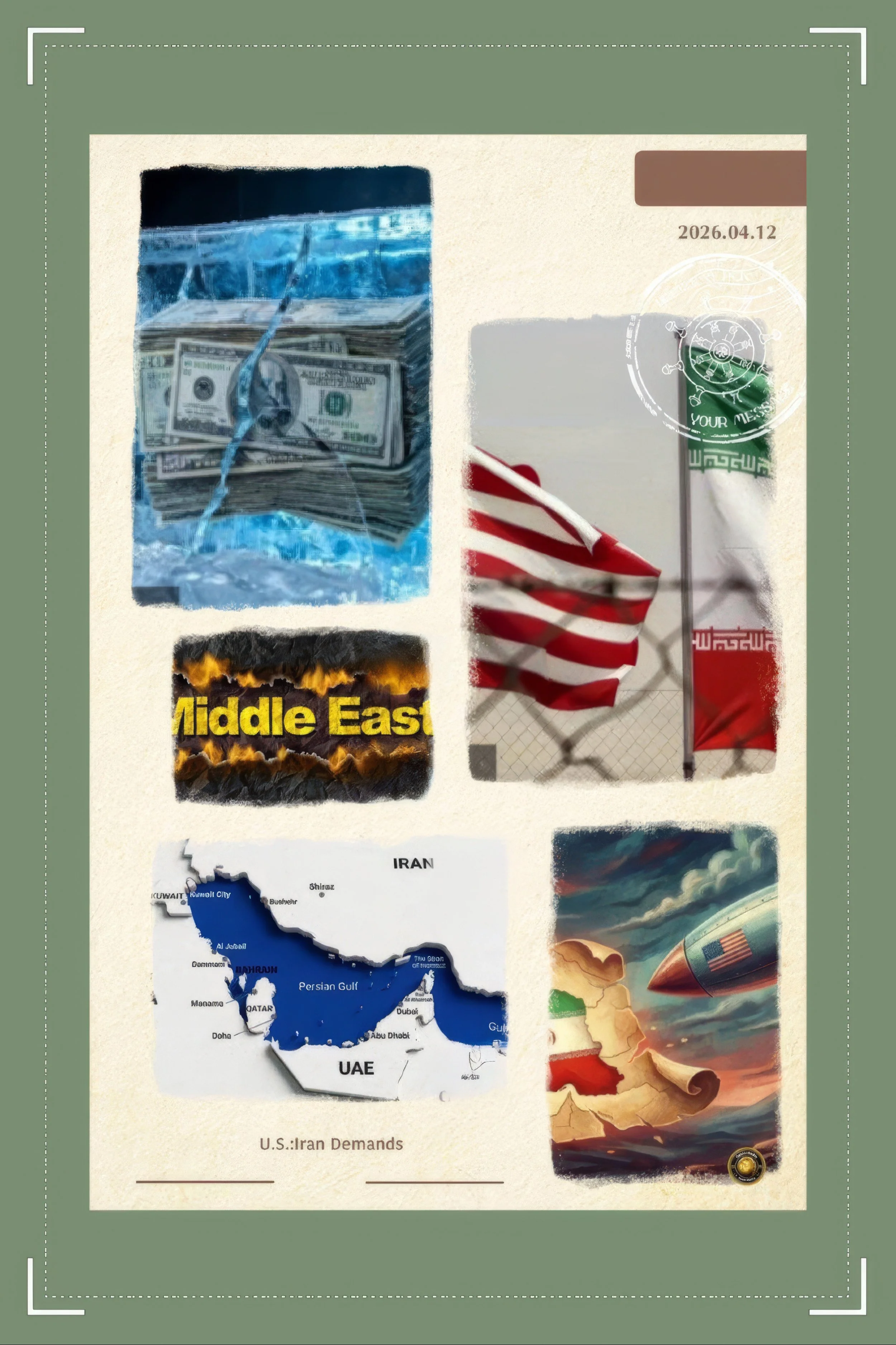
Iran has had billions of dollars in assets frozen abroad since the 1979 revolution — some of it in Qatar and other countries.
Decades of US-led economic sanctions have crippled Iran's economy.
When Iranian Parliamentary Speaker Mohammad Baqer Qalibaf arrived in Islamabad, he stated publicly that these assets must be released before serious talks could move forward.
The US side was unwilling to release these funds without first receiving iron-clad nuclear commitments.
Neither side was willing to go first. It is a classic standoff: like two people at a door who are both waiting for the other to step aside.
The Strait of Hormuz: Who Controls the World's Oil Tap?
The Strait of Hormuz is a narrow strip of water — about 100 miles wide ( narrowest point is 20.5 miles ) — that connects the Persian Gulf to the Arabian Sea.
Every day, roughly 20 million barrels of oil pass through it.
Countries like India, Japan, South Korea, and many European nations depend on oil from this route.
When Iran closed it after the February 28th strikes, oil prices spiked and the International Energy Agency called it the largest supply disruption in history.
Iran came to Islamabad with an astonishing demand: international recognition of Iranian sovereignty over the Strait — including the right to charge ships a fee for passing through.
Think of it like a toll booth on a highway that the whole world uses. Trump said flatly: "That is not the agreement we have."
Under international maritime law (specifically the United Nations Convention on the Law of the Sea), ships have the right to pass freely through international straits.
Iran's claim to collect fees would overturn a fundamental pillar of global trade law.
The US could not and would not accept this, and the standoff over the Strait became one of the most explosive disagreements of the entire summit.
Iran Wanted More: Lebanon and War Reparations
The United States came to Islamabad with a focused shopping list: stop Iran's nuclear programme, reopen the Strait, end the fighting.
Iran came with a much longer list.
Iran wanted a ceasefire extended to Lebanon, where Israel had continued striking Hezbollah positions — even after the ceasefire was announced.
Lebanese authorities reported at least 1,830 people killed in Israeli strikes since early March, including 300 killed in a single wave of attacks on the day of the ceasefire announcement.
Iran demanded that those strikes stop as a condition for any agreement. The US refused, saying Lebanon was a separate matter.
Iran also demanded war reparations — compensation for the damage done to its country, its military, its citizens, and for the assassination of its Supreme Leader during Operation Epic Fury.
Iran's new Supreme Leader Mojtaba Khamenei said publicly that Iran would demand compensation for all wartime damage.
From an Iranian perspective, this is understandable: their country was bombed while negotiations were happening.
From an American perspective, paying reparations to a country it considers an adversary and sponsor of armed groups was a non-starter.
These competing visions of fairness made finding middle ground almost impossible.
The Trust Problem: Can These Two Sides Ever Believe Each Other?
Even if all the technical issues could be resolved, there remains a deeper problem: neither side trusts the other.
Iran remembers that the United States launched its military operation while diplomats were still talking in early 2026.
The US remembers decades of Iran's proxy networks attacking American interests and personnel across the region.
When Vance declared at the press conference that the failure was "bad news for Iran much more than it is bad news for the United States," Iranian officials heard a threat — a reminder that Washington was still thinking in terms of military pressure rather than equal negotiation.
Iranian Foreign Ministry spokesperson Esmaeil Baqaei warned that any progress requires "seriousness and good faith" from Washington.
Without trust, even the best technical compromise on paper can collapse the moment implementation begins.
What Happens Next?
Iran said negotiations would continue "despite some remaining differences," which means the door is still open — at least a crack.
Vance said the American offer remained on the table and gave Iran time to consider it.
Pakistan continues to work as a mediator, having made more than 25 diplomatic contacts in the 48 hours before the summit to keep channels open.
The fragile 2-week ceasefire, if it holds, provides a narrow window for a 2nd round of talks.
But oil executives and analysts warned that if the Strait of Hormuz stays even partially disrupted past mid-April 2026, the world's energy markets will feel severe strain.
That economic pressure creates urgency — but urgency alone has not been enough to close the gap between two countries whose differences run far deeper than any single summit can resolve.
The road from Islamabad to peace is long, and the path ahead remains uncertain.