Summary
Hungary is a member of the European Union and NATO, but in recent years it has often acted very differently from its partners. Prime Minister Viktor Orbán has kept close ties with Russia and often blocked or slowed down EU decisions on helping Ukraine or punishing Moscow. He also has many arguments with EU leaders about courts, media freedom, and corruption.
Because of these problems, the EU has taken an unusual step. It has frozen or blocked a lot of money that would normally go to Hungary from EU budgets and recovery funds. This money is meant for building roads, improving schools and hospitals, and supporting poorer regions. By late 2025, more than €20 billion was still held back.
Think of it like parents stopping pocket money to a teenager who keeps breaking house rules. The EU says: "We will not pay until you fix your justice system, fight corruption, and follow our common values." Orbán's government says: "The parents are unfair and just do not like us."
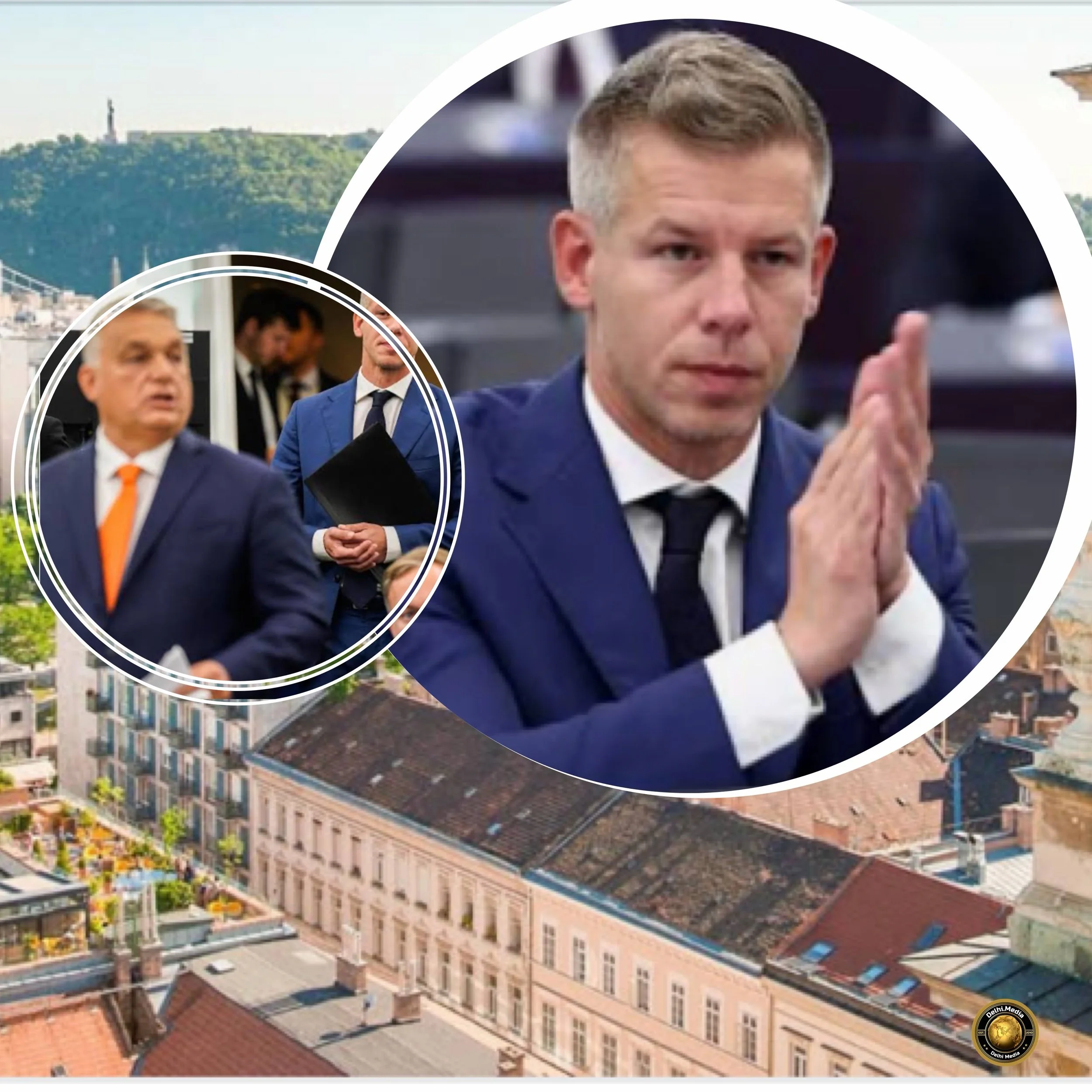
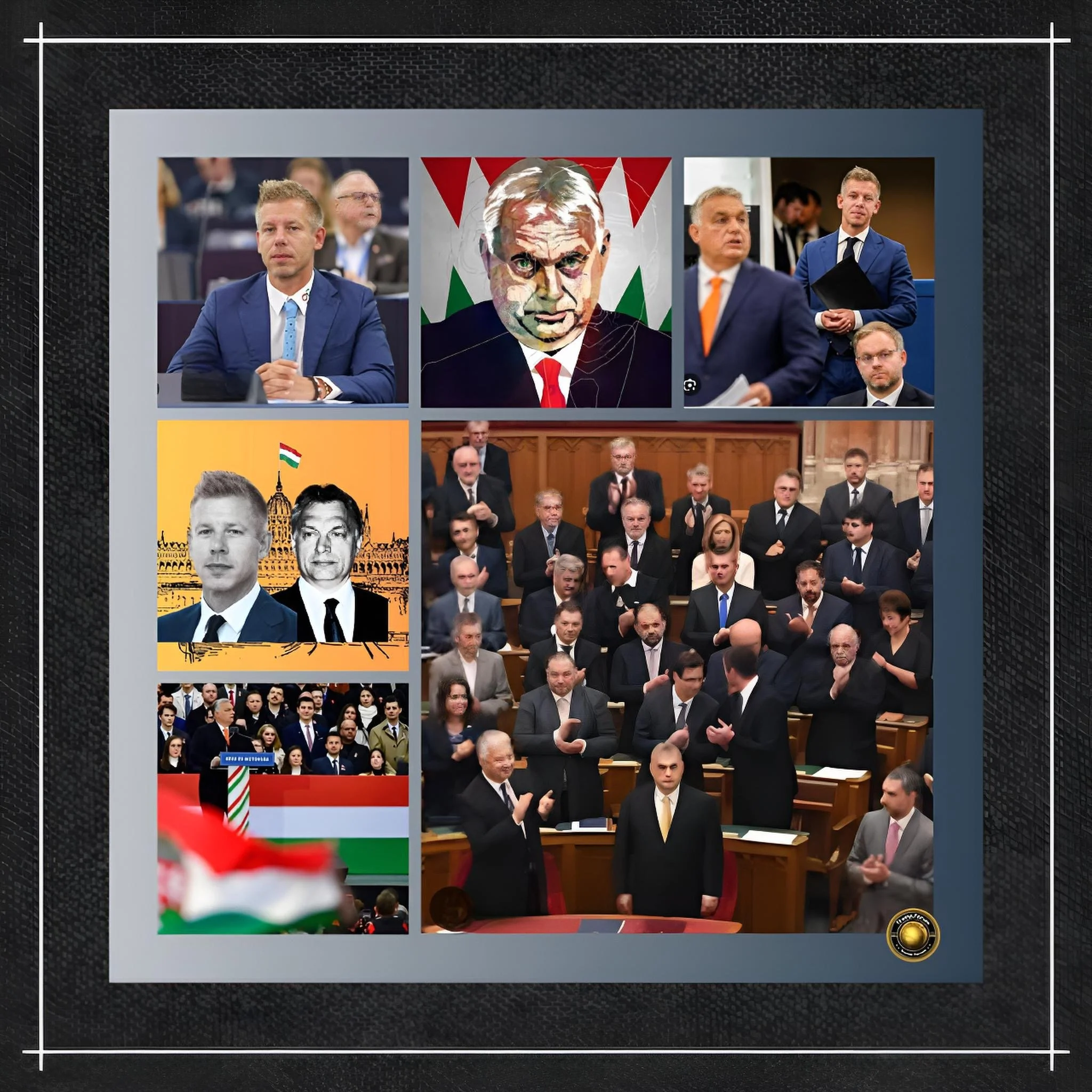
The election in April could change this story. Péter Magyar, the leader of the new Tisza party, tells voters that one of his main goals is to repair relations with the EU. He promises to join the European Public Prosecutor's Office, which investigates fraud with EU money, and to pass real reforms so that Brussels trusts Hungary again. In simple terms, he says: "If we play by the rules, the money will come, and your lives will get better."
For ordinary Hungarians, this is very concrete. Imagine two towns. One gets EU money to fix its main road, renovate the school, and build a small business park that creates jobs. The other town does not, because the country's government is fighting with the EU. Over time, young people will leave the second town for better opportunities. Many Hungarians feel their country has become that second town.
If Magyar wins and keeps his promises, the EU would probably unfreeze many funds. Hungary would again be seen as a "normal" partner. That could mean more investment, more stable rules, and a better business climate. It would also send a message to other governments in Europe: if you break democratic rules, you may lose money and influence; if you fix them, cooperation is possible again.
If Orbán stays in power, especially after a very close race, the opposite message may be sent. He may feel encouraged to keep fighting with Brussels and using his veto in EU meetings to get side-deals. The EU would then have to decide whether to punish him more strongly, try new legal tools to limit his blockages, or quietly accept that one of its members has chosen a more authoritarian path. None of these options is easy.
So the Hungarian election is not only about who runs the government in Budapest. It is also about whether the European Union can still push its members to respect common democratic rules, or whether strong leaders can ignore pressure and stay in power anyway. For Hungarians, the choice is personal and national. For the EU, it is a test of what kind of club it really is.