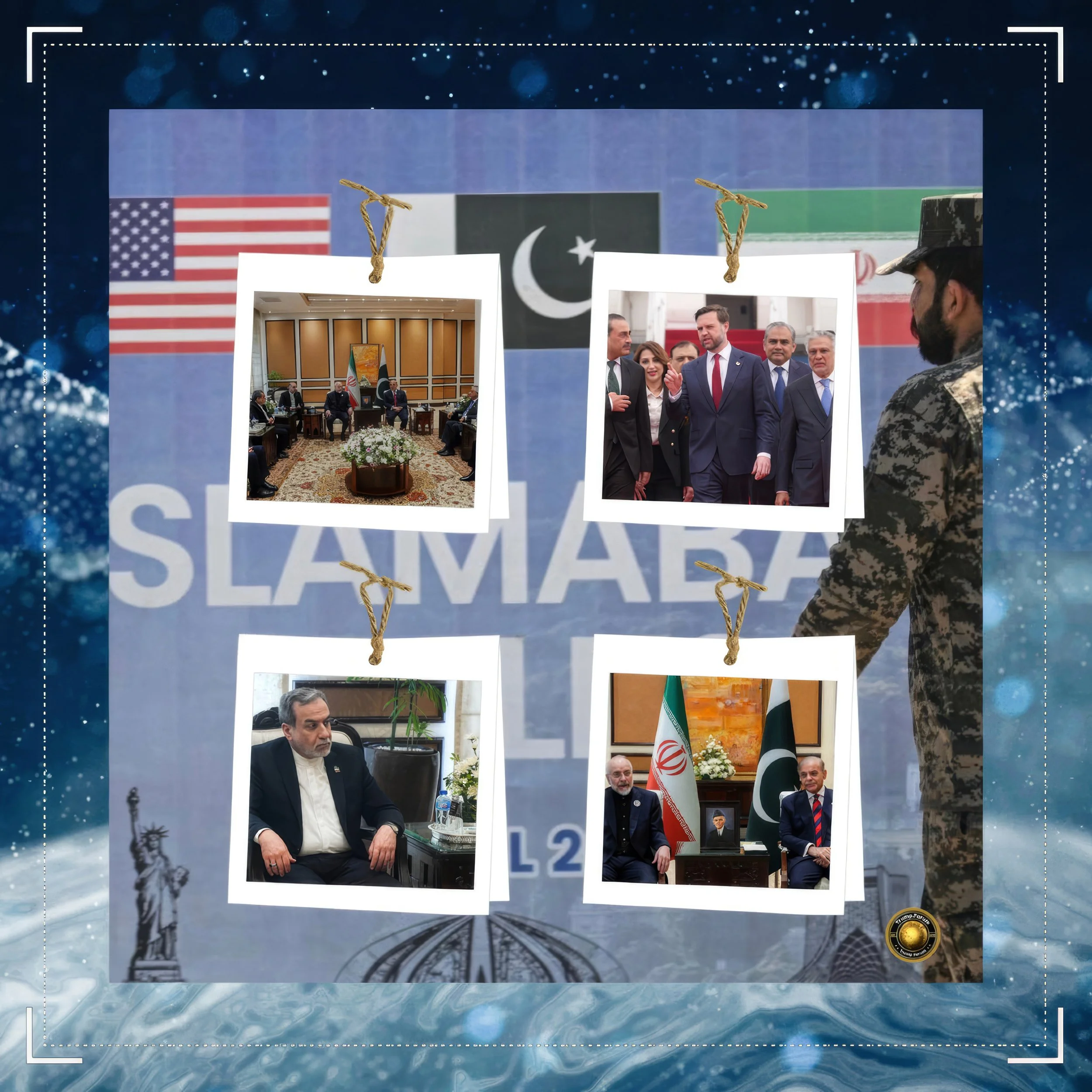
Beginners 101 Guide: When the Talks Fall Apart: The Islamabad Meeting Between the US and Iran
Summary
Imagine two neighbors who have been in a terrible fight for weeks.
They have knocked down each other's fences, blocked the shared road between their homes, and frightened everyone else on the street. A third neighbor — someone who knows both of them — steps in and says, "Come to my house. Sit down. Talk this out." Both sides show up.
They argue for 21 hours straight, through the night and into the following morning.
Then they each pick up their bags and leave — without agreeing on anything.
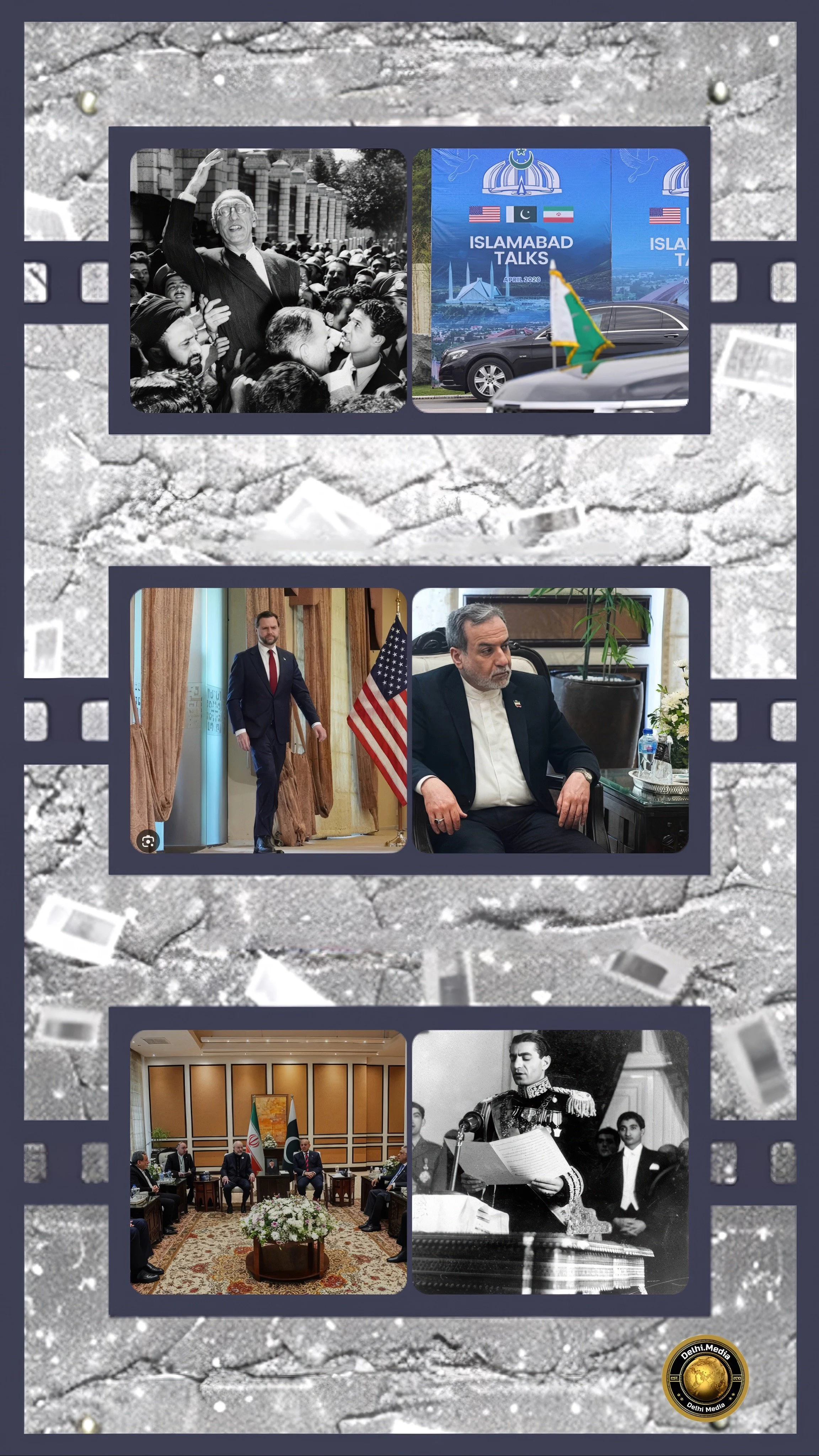
That is exactly what happened in Islamabad, Pakistan, on April 11th, 2026, when the United States and Iran sat down to make peace and walked away without a deal.
What started this whole situation?
The United States and Iran have had a deeply hostile relationship since Iran's Islamic Revolution in 1979 ( or to be more specific spanning back to 1953), when the government was overthrown and replaced by one that was fiercely anti-American.
But the specific crisis that led to the Islamabad talks began much more recently, and at its center is a single, enormously complicated issue: Iran's nuclear program.
Over many years, Iran has been enriching uranium — a technical process that, at low levels, produces fuel for nuclear power plants, and at very high levels, can produce material for nuclear bombs.
In 2015, Iran signed an international agreement called the JCPOA, which limited its nuclear activities in exchange for relief from painful financial sanctions that were choking its economy.
Think of it as a deal where you agree to keep your most dangerous tools locked up in exchange for being allowed to do normal business with your neighbors.
In 2018, the US walked away from that deal. After that, Iran started enriching uranium to much higher levels — reaching 60% purity by late 2024.
To understand how alarming that is: nuclear power plants need uranium enriched to only about 3% to 5%. Sixty % has almost no civilian use. It is a short technical step away from weapons-grade material.
By late 2024, Iran had accumulated enough enriched uranium to potentially build 5 to 6 nuclear bombs within approximately 2 weeks of deciding to do so.
That is the equivalent of someone stockpiling enough gunpowder to blow up a block, and then asking the neighborhood to trust them.
How did the war start?
On February 28, 2026, the United States and Israel launched a massive, coordinated military campaign against Iran.
Over the following 40 days, American aircraft and missiles struck more than 13,000 targets inside Iran — missile factories, weapons warehouses, drone manufacturing plants, air defense systems, and nuclear facilities including the heavily fortified Natanz enrichment site, which was hit with bunker-buster bombs capable of penetrating deep underground.
By the end of the campaign, roughly 80% of Iran's nuclear industrial base had been damaged or destroyed, along with the vast majority of its air defenses and missile storage infrastructure.
The US military's own assessment described Iran's defense-industrial base as "completely destroyed."
To use a simple comparison: imagine someone has spent 30 years building a very sophisticated security system for their home. In 40 days, most of it was demolished.
Iran fought back, but its options were limited. Iranian cruise missiles did reach and penetrate Israel's air defenses on several occasions, causing damage.
But the most powerful Iranian retaliation was economic, not military: Tehran closed the Strait of Hormuz — a narrow waterway barely wider than a major river in global terms — through which roughly one-fifth of the world's oil and gas passes every single day.
The results for the global economy were immediate and severe. Oil prices jumped from roughly $70 per barrel before the conflict to a wartime peak of $126 per barrel.
Fuel became more expensive everywhere. Food prices rose in countries that import both food and the fuel needed to transport it.
Factories in Europe and Asia that depend on Gulf energy sources slowed their production.
Ordinary people in countries that had nothing to do with the conflict felt the financial pain directly in their daily lives.
How did the ceasefire happen?
By early April 2026, both sides were under enormous pressure. Iran's military had been devastated.
The US was spending billions of dollars per week sustaining the campaign. Global economies were straining under $126 per barrel oil. And Pakistan — the neighbor who knows both parties — had been quietly working behind the scenes for weeks.
Pakistan's Prime Minister Shehbaz Sharif and the Army Chief had been passing messages back and forth between Washington and Tehran, trying to find language and terms that both sides could accept.
President Trump had set a hard deadline: if Iran did not open the Strait of Hormuz, he would order strikes on Iranian power plants and bridges — targets that, if hit, would cut off electricity and water to millions of ordinary Iranian civilians.
Less than two hours before that deadline expired, Iran agreed to a ceasefire and reopened the Strait.
Oil prices fell 13% almost immediately when the ceasefire was announced on April 7. The world breathed a collective sigh of relief. But a ceasefire is simply a pause in the fighting — it is not a peace.
The Islamabad summit that followed on April 10th-11thwas supposed to turn that pause into something lasting. It did not.
What did each side want?
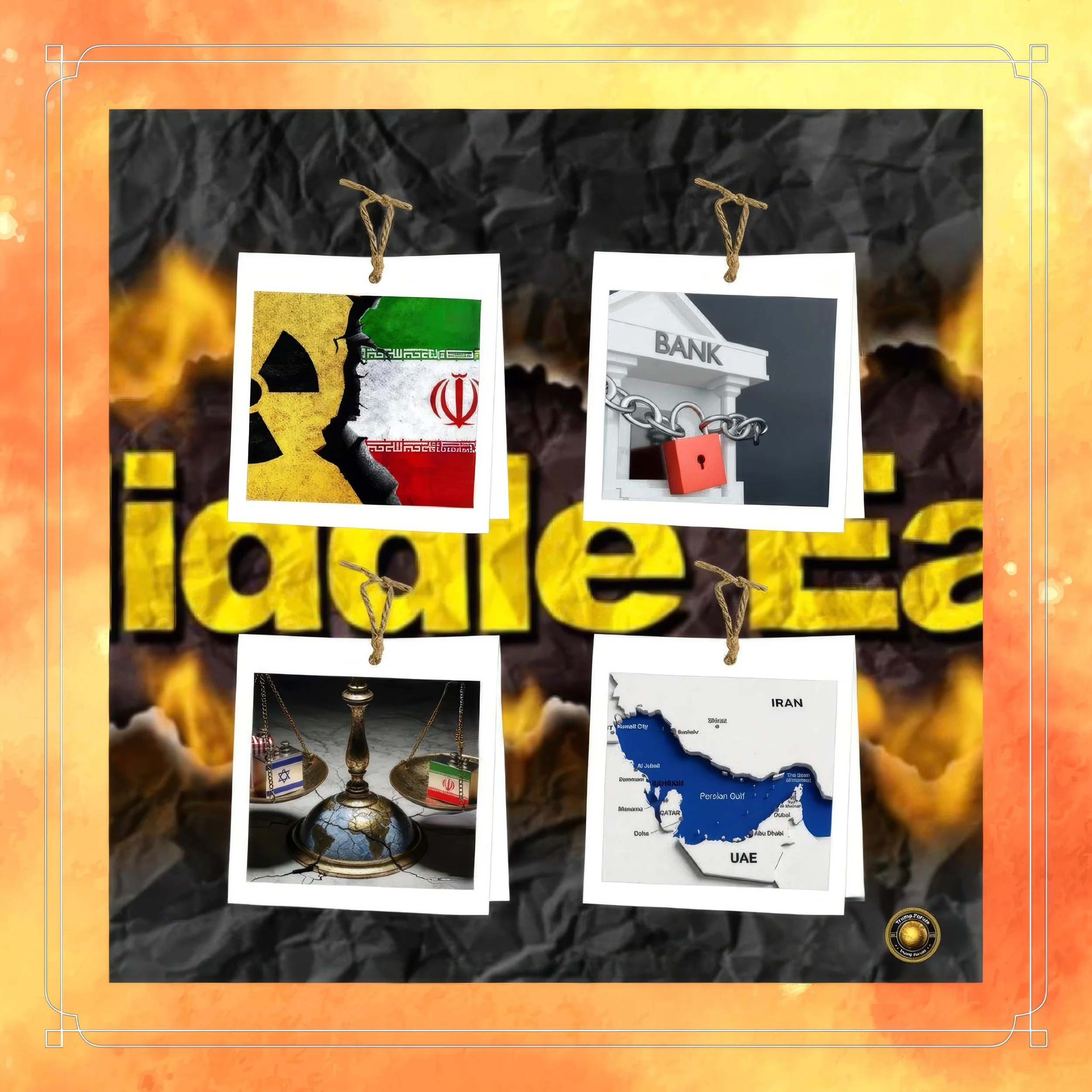
The American side, led by Vice President JD Vance, had one core demand that it was not willing to move away from: Iran must clearly, formally, and verifiably commit that it will never build a nuclear weapon and that it will dismantle the tools — the enrichment machines, the enriched uranium stockpiles, the research facilities — that would allow it to quickly build one.
In simple terms, the US was asking Iran not only to put down the weapon but to destroy the factory that makes weapons.
Iran refused. The head of Iran's nuclear agency said before the talks even began that any restrictions on uranium enrichment were completely and permanently off the table.
From Iran's point of view, the nuclear program is the most important insurance policy the country has.
Leaders in Tehran look at what happened to neighboring Iraq — which had ended its weapons program by the 1990s and was then invaded and destroyed in 2003.
They look at Libya — which gave up its nuclear program in 2003 and whose leader was then killed during a foreign-backed uprising in 2011.
The Iranian government's lesson from these examples is stark: if you give up your ultimate deterrent, powerful outside forces will eventually come for you.
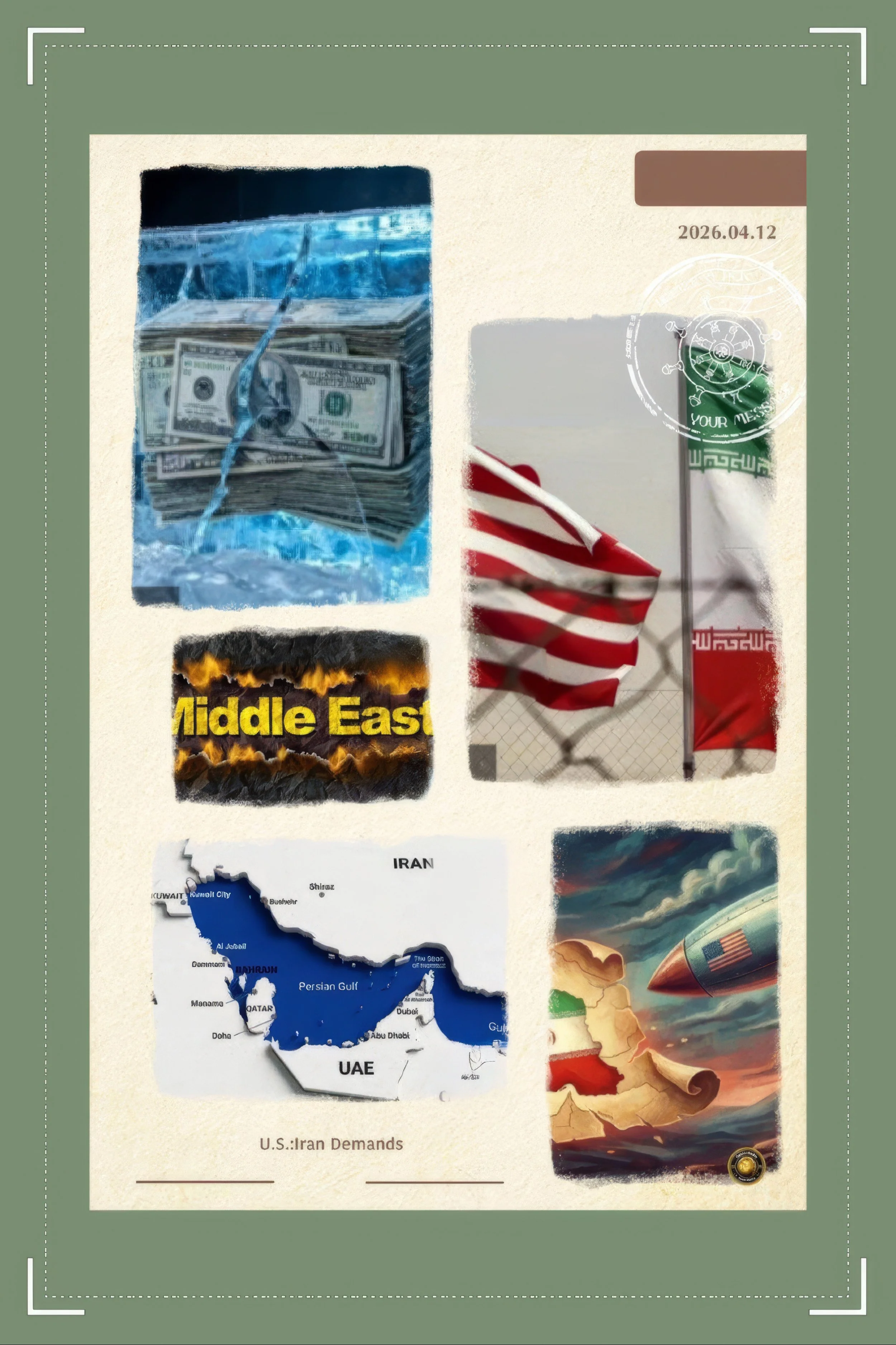
The two sides also argued about many other things — whether Iran would permanently guarantee open access through the Strait of Hormuz, whether American financial sanctions would be lifted, whether Iran would receive compensation for the destruction caused by the military campaign, and what would happen to Iranian-allied groups like Hezbollah in Lebanon and militias in Iraq.
On all of these questions, the two delegations were too far apart to find common ground within the 21 hours they spent at the table.
Who else is involved?
This is not a story about just two countries.
The world has a stake in the outcome, and several powerful stakeholders have been trying to influence it.
Russia warned all sides to behave responsibly before the Islamabad talks began, and Moscow has consistently condemned the American and Israeli military strikes as violations of international law.
Russia and Iran have grown much closer in recent years — Iran supplied Russia with military drones during the Ukraine conflict — and that closeness means Russia has an interest in supporting Iran's resistance to American demands.
China, the world's second-largest economy, imports massive amounts of oil from the Middle East. When the Strait of Hormuz closed, Chinese factories and refineries felt the impact directly.
At the same time, China signed a 25-year, $400 billion economic partnership with Iran in 2021, giving Beijing a powerful financial reason to want Iran to survive and remain capable of honoring that partnership.
China's top diplomat Wang Yi held meetings with Pakistani officials in Beijing in late March 2026 to discuss the possibility of China playing a more active role in future peace talks.
For Pakistan, hosting the Islamabad talks was a moment of enormous national importance.
Pakistan is not typically seen as a major global diplomatic power, but its unique position — trusted by both Washington and Tehran, a Muslim-majority state with nuclear experience, a neighbor to Iran and a longtime partner of the United States — gave it an irreplaceable role.
The failure to produce a deal is a setback for Pakistan's ambitions, but its role as the only viable neutral channel between the two sides remains structurally important going forward.
What happens now?
The ceasefire formally expires on April 22nd, 2026. Vance said upon leaving Islamabad that the failure was "bad news" for Iran.
The US military said it is watching Iran's uranium stockpiles and will "take action" if Tehran does not hand them over.
These are serious warnings.
But resuming the war would be catastrophic for everyone.
The Strait would almost certainly close again.
Oil prices would spike again, this time potentially beyond $126 per barrel.
The global economic damage would be worse than anything experienced during the first round of the conflict.
There are better options available.
Pakistan and China could work together to propose a new diplomatic framework.
European countries — the United Kingdom, France, and Germany — have deep knowledge of Iran's nuclear program from the years they spent negotiating the JCPOA and could contribute proposals.
Both sides could agree to extend the ceasefire quietly while negotiations continue in a lower-pressure environment.
What history teaches us, from cases as different as North Korea, Libya, and Iraq, is that you cannot bomb a country into permanently surrendering its nuclear ambitions.
Military force can damage and delay a nuclear program, but it cannot change the underlying political calculation that drives a government to pursue one.
That calculation — the Iranian leadership's belief that nuclear capability is the only reliable guarantor of its survival — can only be addressed through a political process that offers Tehran genuine and credible security assurances in exchange for genuine and verifiable disarmament.
That process has not yet been designed. Designing it is the most important diplomatic task the international community faces today.
The stakes could hardly be higher or more concrete.
The world's energy supply, the economic wellbeing of ordinary people from Delhi to São Paulo to Frankfurt, the safety of millions of people throughout the Middle East, and the future of the global agreements that have kept nuclear weapons from spreading to dozens of countries over the past five decades — all of these hang on what comes next after the failure at Islamabad.
The talks have failed.
The work of finding a solution has not ended. It has, with urgent and renewed necessity, only just begun.