How the Iran War is Shaking Asia’s Energy and Putting the Region Under Pressure- Beginners 101 Guide Economics of Iran War
Executive Summary
Asia needs huge amounts of oil and gas every day to keep its factories running, its lights on, and its people moving. Much of this energy comes from Gulf countries and travels through a narrow sea passage called the Strait of Hormuz.
Because of the war involving America, Israel, and Iran, tankers are now afraid to move through this area.
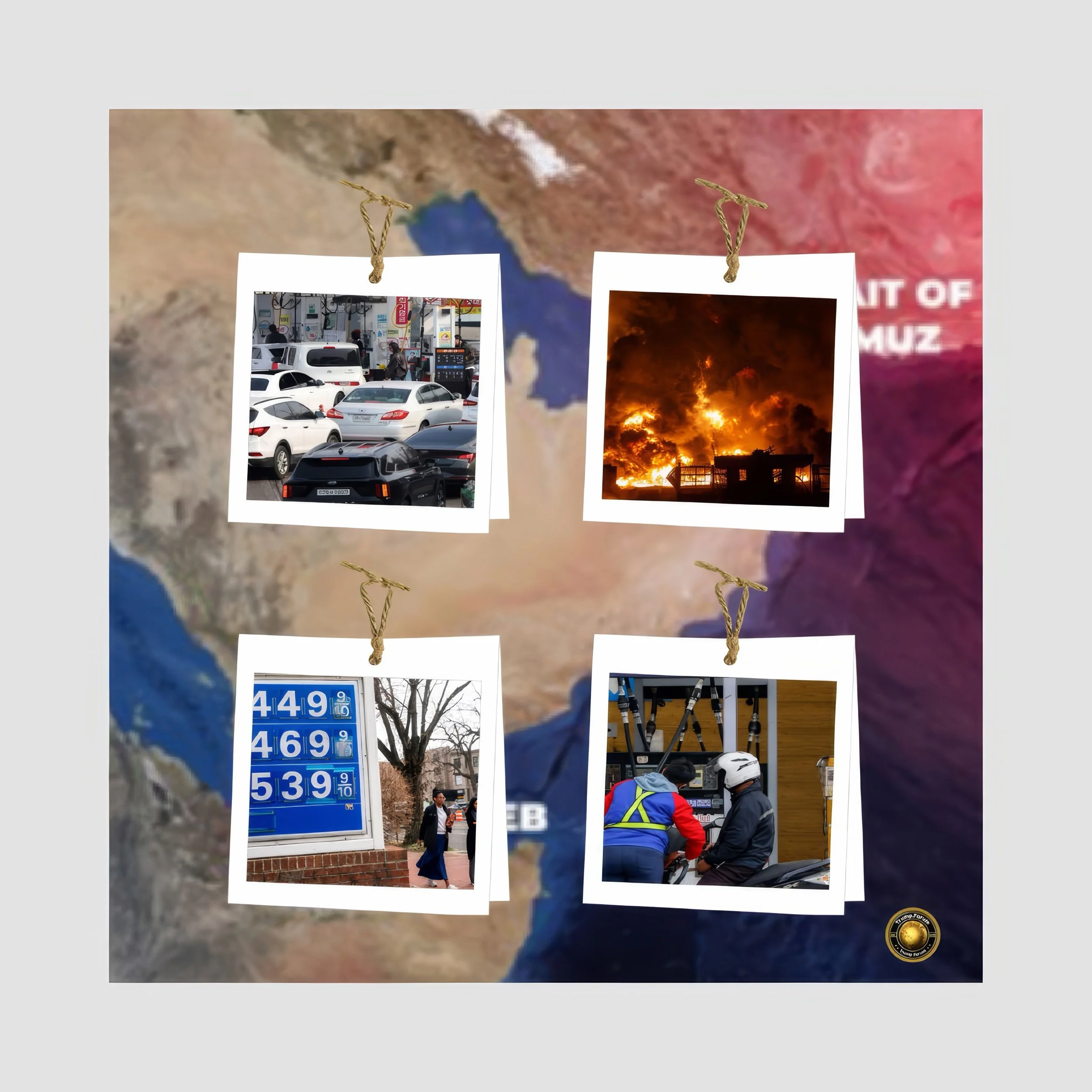
Some ships have stopped sailing, and some Gulf countries have cut how much oil they pump, because they cannot ship it out. This has pushed up oil prices above $100 a barrel and made gas prices jump in Europe and Asia.
For Asian countries that buy most of their energy from abroad, this is a big problem.
They face higher costs, risk of shortages, and pressure on their economies.
Some governments are already asking people and offices to save energy, while also looking for new suppliers and thinking again about their long‑term energy plans.
Introduction
Asia’s growth story is closely tied to energy. As economies like China, India, South Korea, and many South‑East Asian countries grew, they needed more fuel for transport, factories, and homes. Because they do not produce enough oil and gas at home, they have depended on imports, especially from Gulf countries around the Persian Gulf.
Most of this oil and gas leaves the Gulf in large tankers.
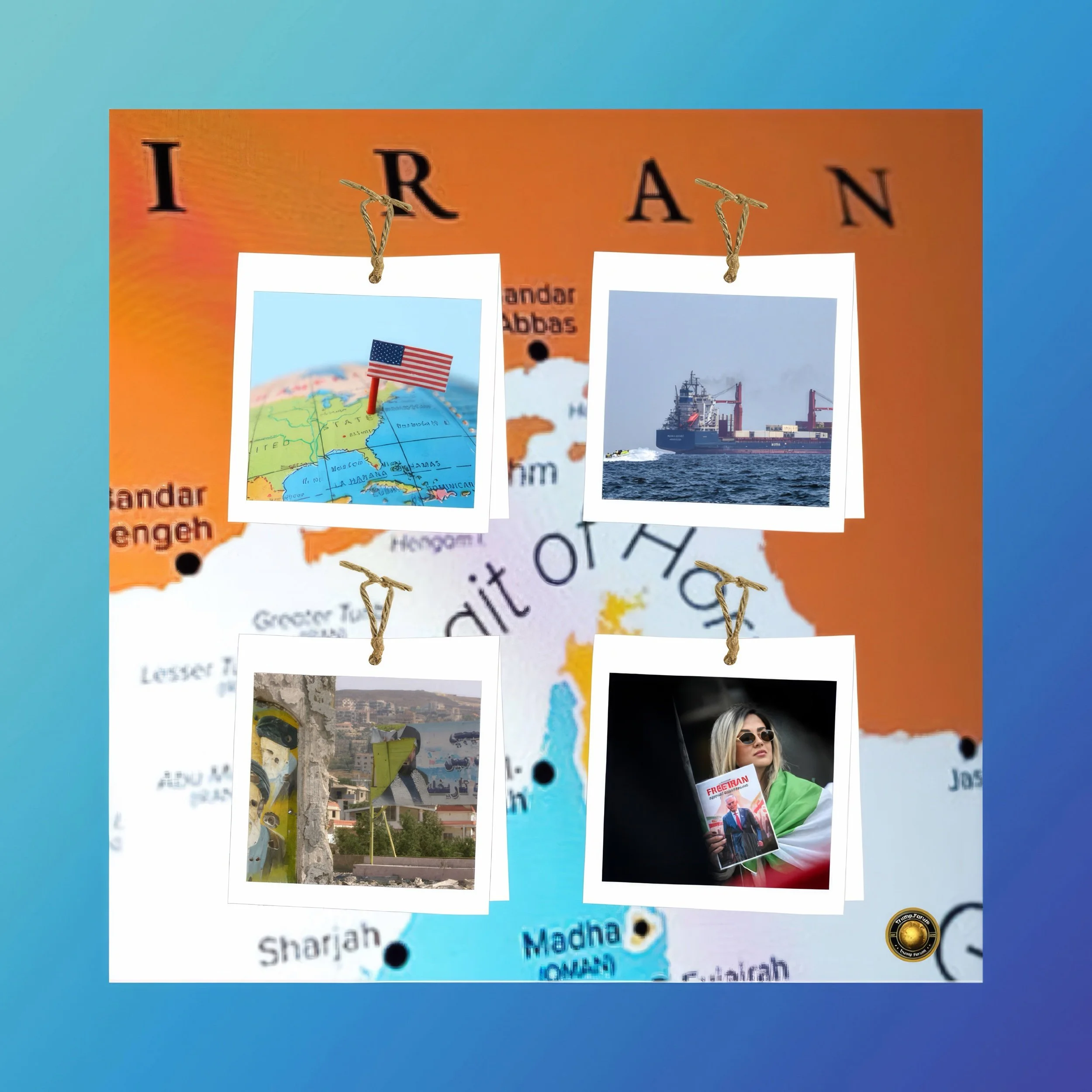
These ships must pass through a very narrow sea channel called the Strait of Hormuz.
It lies between Iran on one side and Oman on the other. A big part of all oil traded across the world passes through this one chokepoint, and Asia depends heavily on it.
The war involving America, Israel, and Iran has turned this channel into a risky zone.
There are reports of attacks and threats against ships. Insurance costs have risen a lot, and many owners are not ready to put their vessels in danger.
This is why people say Asia’s “energy lifeline” has been cut.
History and Current Status
In the past, energy crises mostly hit Western countries. For example, in the 1970s, Arab oil exporters cut supplies to some Western states, and prices jumped. At that time, Asian economies were still smaller and used far less oil.
Today the picture is different. Asia now uses more oil and gas than any other region. China is a huge buyer.
India’s demand has been rising fast. Japan and South Korea have long depended on imports. Together, these and other Asian economies buy large amounts of Gulf oil and LNG.
Because of this, the Strait of Hormuz has become central to Asia’s daily life. It is narrow, but it carries a large share of the crude and LNG that Asia uses.
Some studies say that more than four-fifths of Asia’s oil imports pass through this single sea lane. When it functions smoothly, energy arrives on time and prices stay fairly stable. When it is blocked or threatened, the whole system starts to shake.
Right now, that is what is happening. The American‑Israeli war with Iran has made shipping companies nervous about sending tankers through the area.
Reports say many ships have stopped or changed routes. Iran and groups tied to it have warned that they can target ships and infrastructure.
On the other side, American and allied forces are trying to secure the passage, but normal traffic has not returned.
Key Developments
Several big changes have taken place since the fighting began. First, oil exports from some major Gulf producers have dropped sharply.
For example, exports from important oilfields in southern Iraq are reported to have fallen by roughly 70%, because ships cannot safely move the oil out and storage tanks are filling up.
Other countries in the region are also cutting or carefully managing production.
Second, prices have jumped fast. Brent crude, which is a global benchmark for oil, has gone above $100 a barrel and at times has gone much higher, after climbing more than 40% in a short time. US crude has also surged, showing its biggest weekly rise in many years.
LNG supplies have also been hit. When producers like Qatar face trouble shipping gas, prices in Europe and Asia rise.
European gas prices have almost doubled, and the Japan‑Korea gas benchmark used in Asia has reached the highest level in about a year.
Third, Asian governments and firms are starting to react. China has stopped sending refined fuel products abroad, so that it can keep more supplies at home. Vietnam and Thailand have stopped selling bunker fuel to ships.
This makes it harder for vessels to refuel in the region. In the Philippines, the government has ordered a shorter working week for its offices and has asked agencies to cut fuel and electricity use by around 10–20%.
These are early signs of how serious the problem could become.
Latest Facts and Concerns
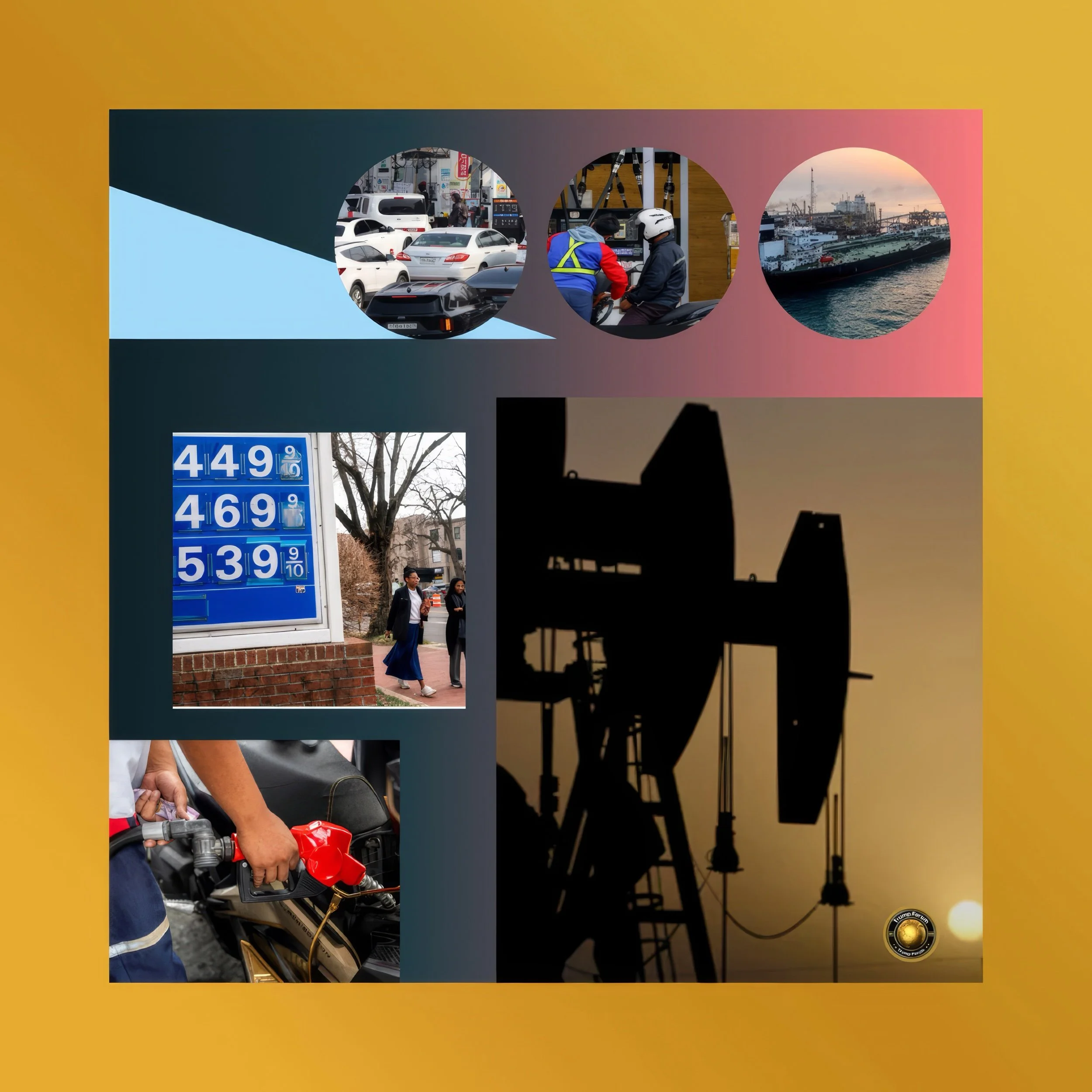
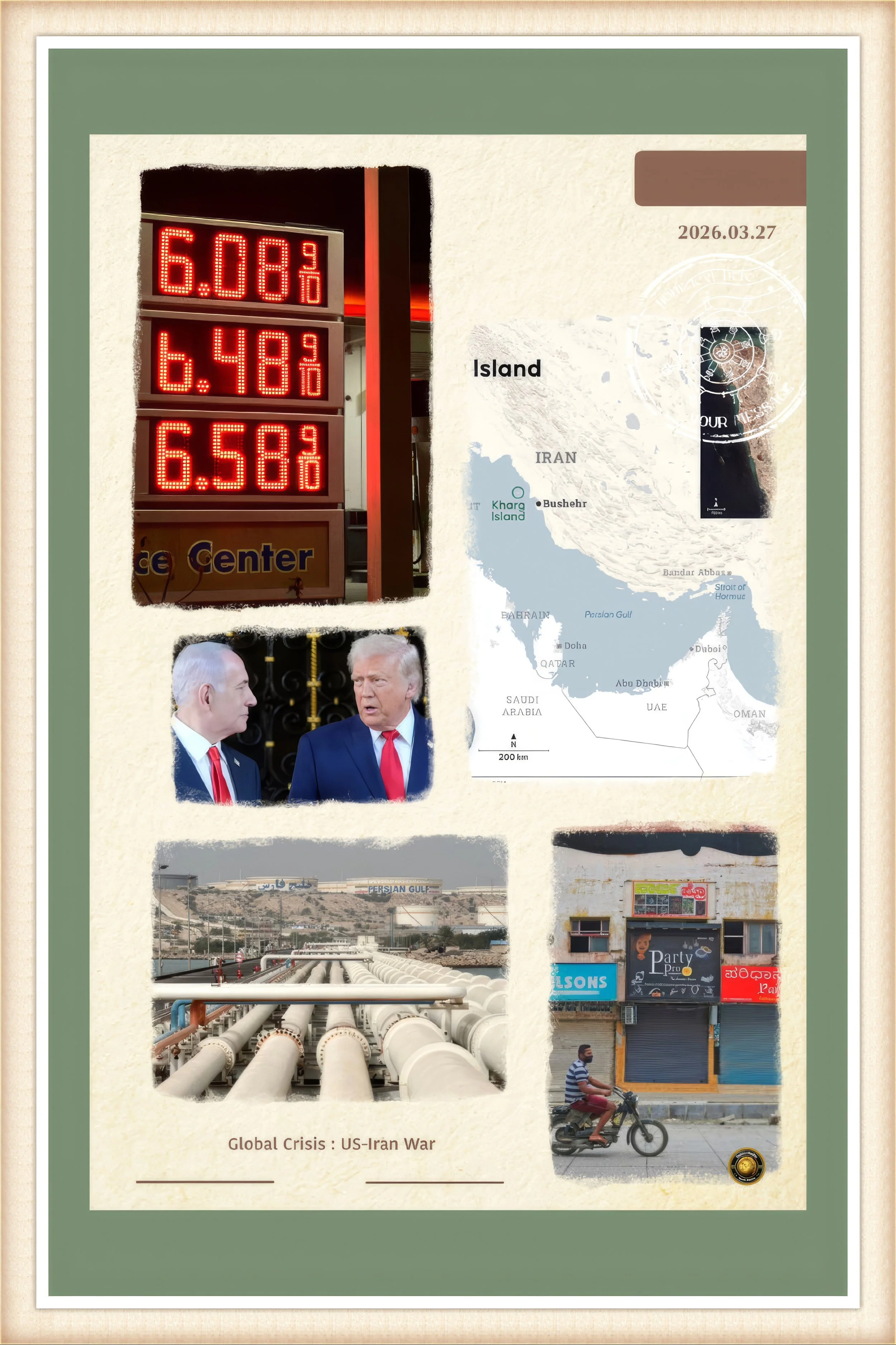
The most obvious change people can see is higher prices at the pump and in their power bills. In America, average petrol prices have gone above $3.40 a gallon, up about $0.50 from late February.
In Europe, gas prices have risen by around 90% compared with before the war, raising fears of another cost‑of‑living crisis.
In Asia, the picture is worrying for several reasons.
Many countries already carry heavy debts and are still recovering from the pandemic and earlier energy shocks.
When fuel becomes more expensive, governments must decide whether to let prices rise for consumers or to spend more money on subsidies to hold prices down.
If they choose subsidies, budgets come under pressure. If they let prices rise, people and businesses feel the pain. Both options can hurt growth.
Another concern is inflation. When oil and gas prices rise, transport becomes more expensive. This affects the price of almost everything, from food to manufactured goods.
For example, if diesel prices go up, it costs more to move vegetables from farms to cities, and food prices increase. If gas is more expensive, running factories and power plants costs more, and companies may raise prices for their products.
Economists often say that a $10 increase in oil prices can reduce growth in large economies like China by close to 1%.
In this crisis, prices have risen far more than $10, and gas has also become more costly.
That means slower growth, more inflation, and harder policy choices. The fear is that some countries could see higher prices and slower growth at the same time, a mix that is very difficult to manage.
Cause and Effect in Simple terms
One way to think about this crisis is as a chain reaction. It starts with war and threats in the Gulf region. Because of the fighting, the risk to ships passing through the Strait of Hormuz rises.
There may be attacks on tankers or on nearby infrastructure. Even if not every ship is attacked, the perceived danger increases.
Shipping companies and insurers then respond. Insurance firms raise their war‑risk fees for ships entering the area by about half. Some owners decide the risk is too high and keep their ships away.
As a result, fewer ships are available to move oil and gas. Ports may slow operations, and some export terminals may not be able to load as usual.
Because less oil and gas is reaching the market, the balance between supply and demand changes. Demand has not fallen much, but supply has, so prices go up.
Traders who buy and sell futures also look ahead. They worry that the crisis could last weeks or months, or even get worse. So they bid prices up even more, to reflect this fear.
The next part of the chain is the effect on the wider economy. Higher prices for oil and gas quickly show up in many places:
People pay more to fill their cars with fuel.
Power bills increase as gas‑fired plants face higher costs.
Transport companies raise fares to cover higher diesel prices.
Factories that use a lot of energy find their costs rising.
All of this can slow economic activity. Some firms may reduce production if they cannot pass on the cost to customers.
Households may cut other spending because they are paying more for fuel and electricity.
Governments may have to divert money from other priorities—such as health, education, or infrastructure—to support energy subsidies or to help poor households.
Future steps and choices for Asia
Asian countries now face difficult choices. In the short term, they need to manage the emergency: they must keep enough fuel flowing to prevent blackouts, keep essential services running, and avoid panic.
This may mean drawing more heavily on strategic oil and gas reserves.
Many countries keep these reserves for exactly such crises, but they are meant to last only a limited time.
Countries will also look for other suppliers. Tankers may travel longer distances from producers outside the Gulf, such as West Africa, the Americas, or the North Sea.
This takes more time and often costs more, but it can reduce the risk of being cut off.
Some governments will also try to sign more long‑term contracts with trusted partners to ensure they get a fixed amount of supply at agreed prices.
In the medium and long term, the crisis will likely speed up efforts to change how Asia uses energy.
Many governments already want to use more renewables like solar and wind, as well as more nuclear power, to reduce their dependence on oil and gas and to cut emissions.
This crisis gives them another reason: energy security. If a country gets more of its power from sources at home, it is less vulnerable when a far‑away sea lane is blocked.
However, changing energy systems takes time. Building new power plants, upgrading grids, and changing how industries work cannot be done overnight.
For years to come, Asia will still need large amounts of oil and gas.
That is why this crisis is so serious. Policy makers must handle the current shock while also planning for a different future.
Conclusion
The war with Iran has shown how quickly Asia’s economic health can be shaken by events in a narrow sea passage far away.
When tankers stop moving through the Strait of Hormuz, it is not only Gulf exporters that suffer.
It is factories in India, refineries in South Korea, power plants in Japan, and households in South‑East Asia that feel the impact through higher prices and the risk of shortages.
This crisis underlines an uncomfortable truth. Asia has built its growth on imported energy that depends on a few fragile routes.
Even as leaders talk about diversification and clean energy, the region remains heavily tied to Gulf oil and gas.
The current panic may pass if the war eases and shipping resumes, but the deeper lesson will remain.
Unless Asia reduces its dependence on such vulnerable supplies, similar shocks will return, and each new crisis may be harder to manage than the last.