Beginners 101 Guide : Why Netanyahu's War in Lebanon Is Putting the Iran Ceasefire in Danger
Summary
Imagine a fire that has been burning for weeks inside a large building.
After enormous effort, the fire department finally convinces two sides to stop throwing gasoline — but one side quietly keeps a small flame going in a back room and argues that the agreement only covered the main hallways.
That is essentially what is happening in the Middle East right now, and it is threatening to burn the whole building down again.
On the night of April 7th, 2026, something that felt like a miracle was announced.
Pakistan's Prime Minister Shehbaz Sharif told the world that Iran and the United States had agreed to stop fighting.
The ceasefire, he said, would apply "everywhere, including Lebanon."
People in Beirut, Lebanon's capital, went to bed with a feeling of hope they had not felt in weeks. Hospital workers across the country allowed themselves, briefly, to exhale.
Less than 10 hours later, the hope was shattered.
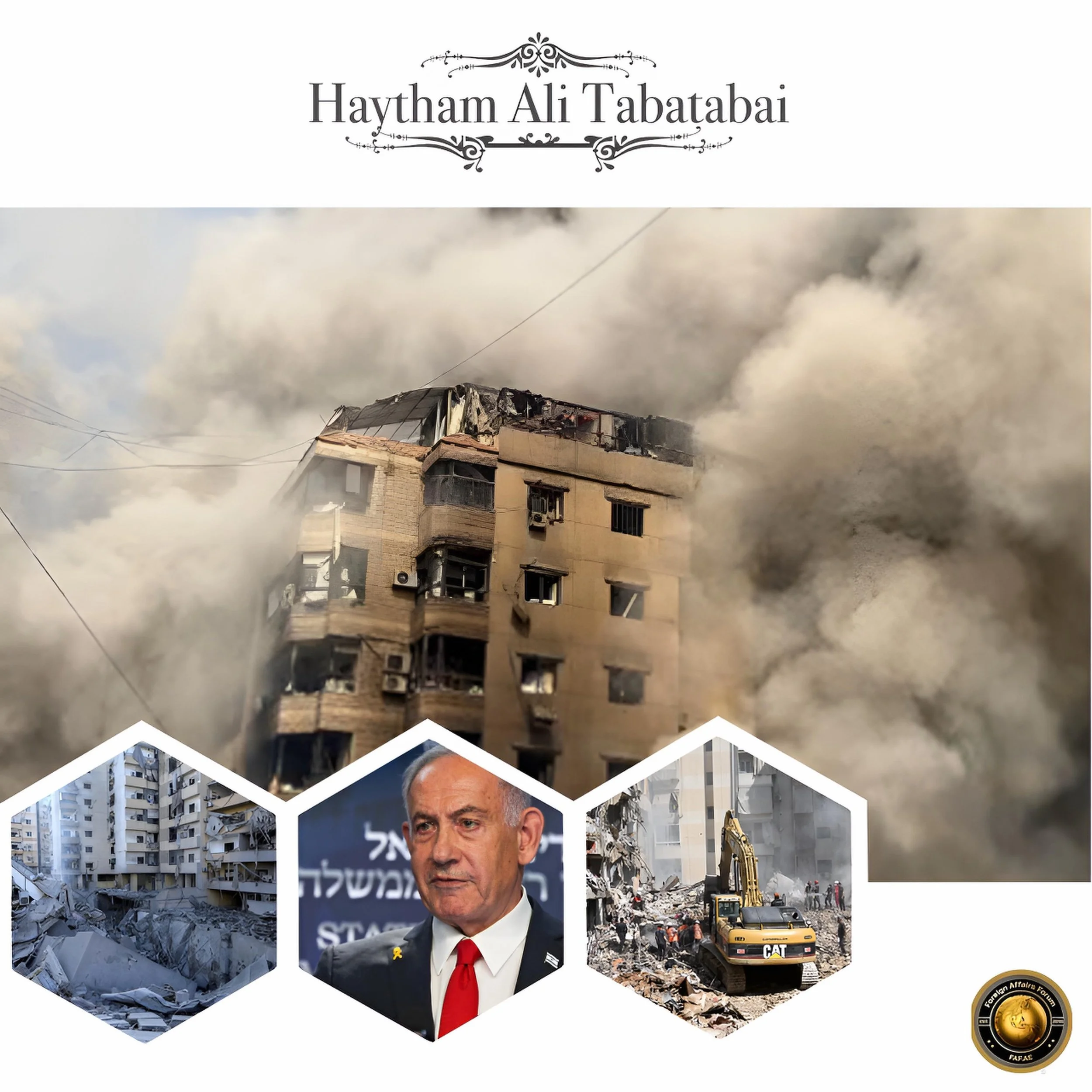
Israeli warplanes launched more than 100 strikes across Lebanon in roughly 10 minutes, hitting cities including Beirut, Sidon, and Baalbek.
According to Lebanon's Health Ministry, over 303 people were killed and more than 1,150 were wounded. It was the deadliest day in Lebanon since the conflict had dramatically escalated on March 2nd, 2026.
One patient arrived at Rafik Hariri University Hospital in Beirut with both legs severed. Doctors could not save him.
The reason this matters beyond Lebanon's borders is simple: Iran had said that any ceasefire deal must include a stop to Israeli attacks on Hezbollah, the armed group that Iran supports inside Lebanon.
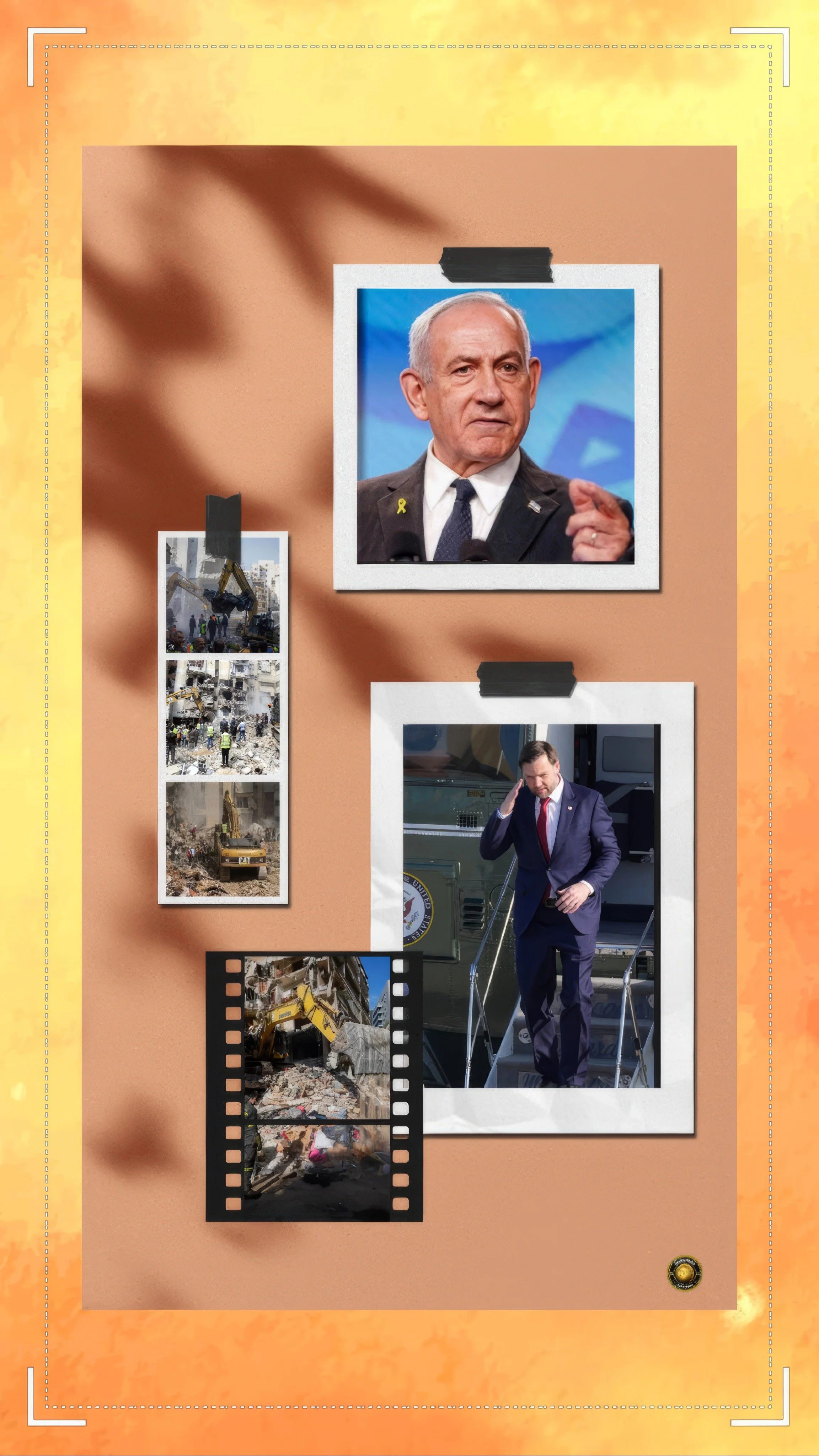
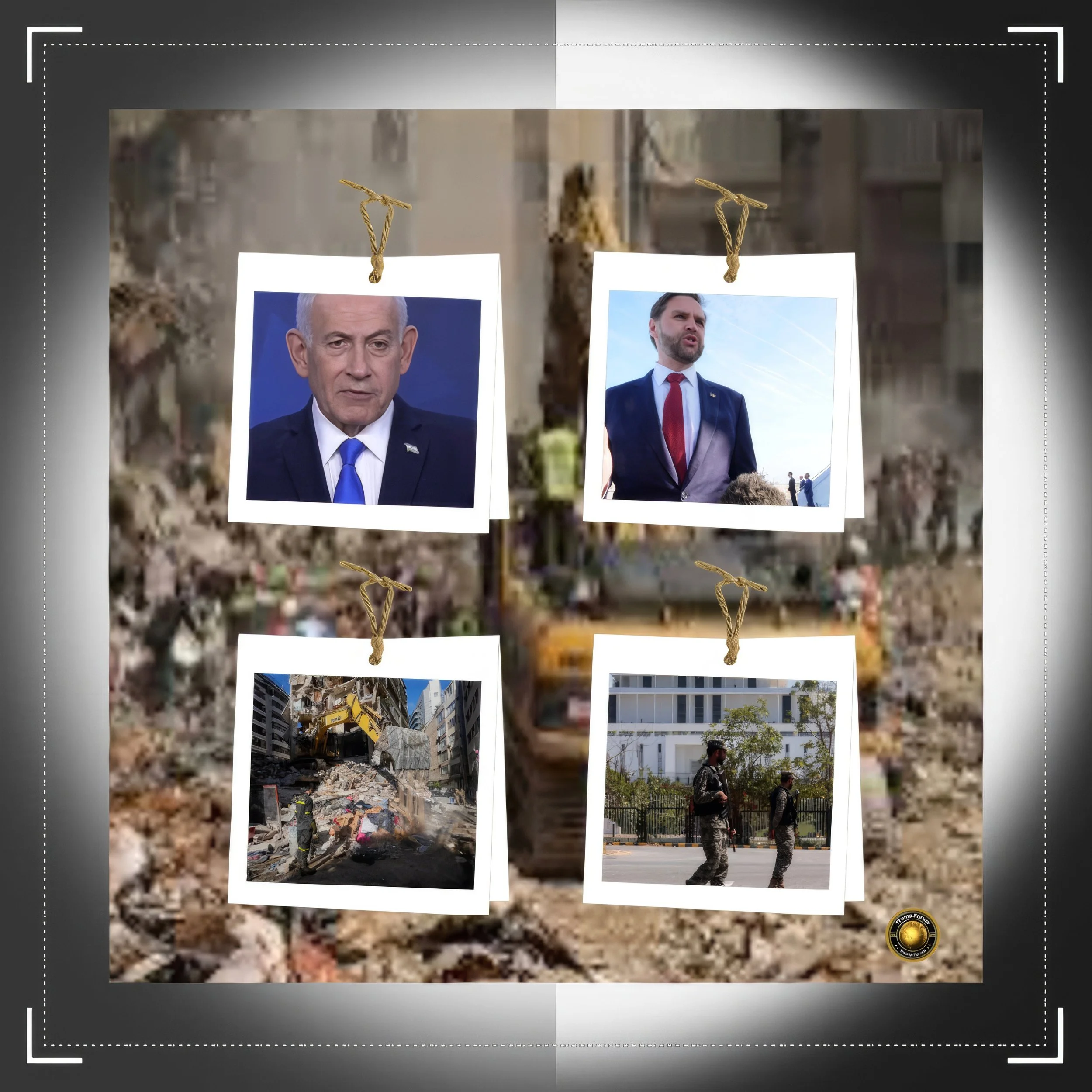
Israel, led by Prime Minister Benjamin Netanyahu, said the ceasefire with Iran had nothing to do with Lebanon.
These two positions are directly contradictory, and that contradiction is now the biggest threat to peace in the region.
How Did This War Start?
To understand today's crisis, we need to go back to February 28th, 2026. On that day, Israel and the United States launched a major military campaign against Iran.
Among the most dramatic early events was the killing of Iran's Supreme Leader Ali Khamenei.
This shocked the entire region. Think of it like the moment a match is dropped into dry grass — everything that followed caught fire very quickly.
Hezbollah, which is Iran's most powerful allied armed group and is based in Lebanon, began launching rockets and drones at Israel almost immediately. This was not surprising.
Hezbollah's entire purpose, from Iran's perspective, is to act as a military shield and a way to put pressure on Israel if Iran itself is attacked.
When the head of Iran's government was killed, Hezbollah responded the way it was designed to respond.
Israel hit back hard. Within days, Israeli aircraft were striking targets across Lebanon, including areas in and around Beirut.
By March 16th, Israeli ground forces crossed into southern Lebanon.
By late March, Israeli officials were talking openly about creating a permanent military zone in the south — a buffer meant to keep Hezbollah rockets away from Israeli communities.
Who Is Pakistan and Why Is It Involved?
Pakistan is a large Muslim-majority country in South Asia, and it was not a participant in the fighting.
But it offered to act as a messenger and go-between — what diplomats call a "mediator" — between the United States and Iran.
Why Pakistan? Because Washington believed that Tehran would be more likely to listen to a message delivered by a Muslim-majority neighbor that had stayed neutral, rather than receiving a direct ultimatum from America.
Pakistan's Army Chief, General Asim Munir, played a central role in shuttling messages back and forth.
Pakistani officials helped deliver a detailed American proposal to Iran — a 15-point plan that included stopping Iran's nuclear weapons program, keeping the Strait of Hormuz open for international shipping, and limiting Iran's missile arsenal. In return, Iran would get sanctions relief and help with civilian nuclear energy.
Iran rejected the American proposal but put forward its own 10-point plan, which included demands like a lifting of all sanctions and, critically, a requirement that any deal must end attacks on all of Iran's allied groups — including Hezbollah in Lebanon.
After days of intense negotiation, a 2-week ceasefire was agreed. But from the very beginning, the two sides had different ideas about what exactly they had agreed to.
The Ceasefire That Was Not
Think of it like two people signing a contract, but each reading a different version of it.
Pakistan and Iran understood the ceasefire to cover Lebanon.
Israel and the United States said Lebanon was a separate issue entirely.
Hours after the ceasefire was announced, Israel launched its biggest wave of strikes on Lebanon in weeks, explicitly naming the operation "Eternal Darkness."
The message from Jerusalem was clear: Israel considers the Lebanon campaign to be a completely different war, governed by its own rules, and no ceasefire with Iran changes that.
Iran was furious. Iranian state media warned that if Israeli attacks on Lebanon continued, Tehran would pull out of the ceasefire entirely and resume fighting.
Iranian officials said that negotiations with Washington could become "meaningless" if Hezbollah was still being bombed.
For Iran, allowing Hezbollah to be destroyed while Tehran sat on the sidelines would be like watching your most important defensive wall get knocked down while you had agreed not to fight back.
Trump Tells Netanyahu to "Ease Up"
Even Donald Trump, who has been strongly supportive of Israel throughout his presidency, was uncomfortable with what happened.
On April 9th, 2026, Trump publicly confirmed that he had asked Netanyahu to take a "more low-key" approach to Lebanon. He said on a phone call with an Israeli journalist: "Netanyahu is going to take a step back on the Lebanon issue. He'll ease up a bit there."
This was significant. The Trump administration had invested enormous diplomatic effort in achieving the Iran ceasefire.
Having it threatened from within Israel hours after its announcement was deeply embarrassing. Iran's threat to walk away from the process was not empty: Tehran had shown through the negotiations that it was serious about certain red lines, and Hezbollah was one of them.
Netanyahu responded in a way that was careful but revealing. He announced that Israel would open direct peace talks with the Lebanese government, focused on the disarmament of Hezbollah and the normalization of relations between Lebanon and Israel.
But in the same breath, he declared clearly that "there is no ceasefire in Lebanon."
Lebanon's government, which had been asking for negotiations for weeks, responded bluntly: "No negotiations under fire."
This is like being offered a seat at a peace table while someone continues throwing rocks at your house. The offer is hard to take seriously.
The Human Cost
While political stakeholders argue about ceasefire terms and red lines, the people paying the price are ordinary Lebanese civilians.
Since the fighting began on March 2nd, over 1,888 people have been killed in Lebanon, including more than 130 children, 102 women, and 57 medical workers.
More than 1.2 million people — including 350,000 children — have been forced to flee their homes. Hospitals across the country are overwhelmed, short of blood, medicine, and staff.
MSF — Médecins Sans Frontières, the international medical charity — described the April 8th strikes as the worst they had seen since the current conflict began.
Medical teams at Beirut's Rafik Hariri University Hospital worked through the night treating people with shrapnel wounds, blast injuries, and severe bleeding.
One of the most haunting testimonies came from Jeremy Ristord, MSF's Head of Mission, who described families arriving at the hospital in the middle of the night after returning home — they had gone back thinking the ceasefire meant it was safe. It was not.
Israel has also been documented using white phosphorus munitions, an incendiary weapon that burns intensely and cannot be put out with water, in populated areas of southern Lebanon.
Human Rights Watch verified its use near homes in the town of Yohmor on March 3th, calling it unlawful under international humanitarian law.
The UN's human rights chief has condemned the strikes and called for accountability.
What Happens Next?
There are really three possibilities.
In the best case, Netanyahu pulls back from the most intensive strikes, the Islamabad peace talks move forward, and a broader deal is eventually reached that addresses both Iran's nuclear program and provides some form of security arrangement in Lebanon.
In the worst case, Iran walks away from the ceasefire entirely, fighting resumes on all fronts, and the human and economic costs climb to levels that are difficult to imagine.
In the most likely case — at least in the short term — the situation drifts in a grey zone: some Israeli strikes continue, Iran issues warnings but does not completely abandon talks, Lebanon's civilians continue to suffer, and diplomats keep trying to hold a framework together that was built on contradictory promises.
What the Lebanon crisis reveals, above all else, is that a ceasefire which means different things to different stakeholders is not really a ceasefire at all. It is an argument about a ceasefire.
And arguments, in the Middle East in April 2026, have a way of being settled not at a negotiating table in Islamabad, but in the smoke and fire over Beirut.