Executive Summary
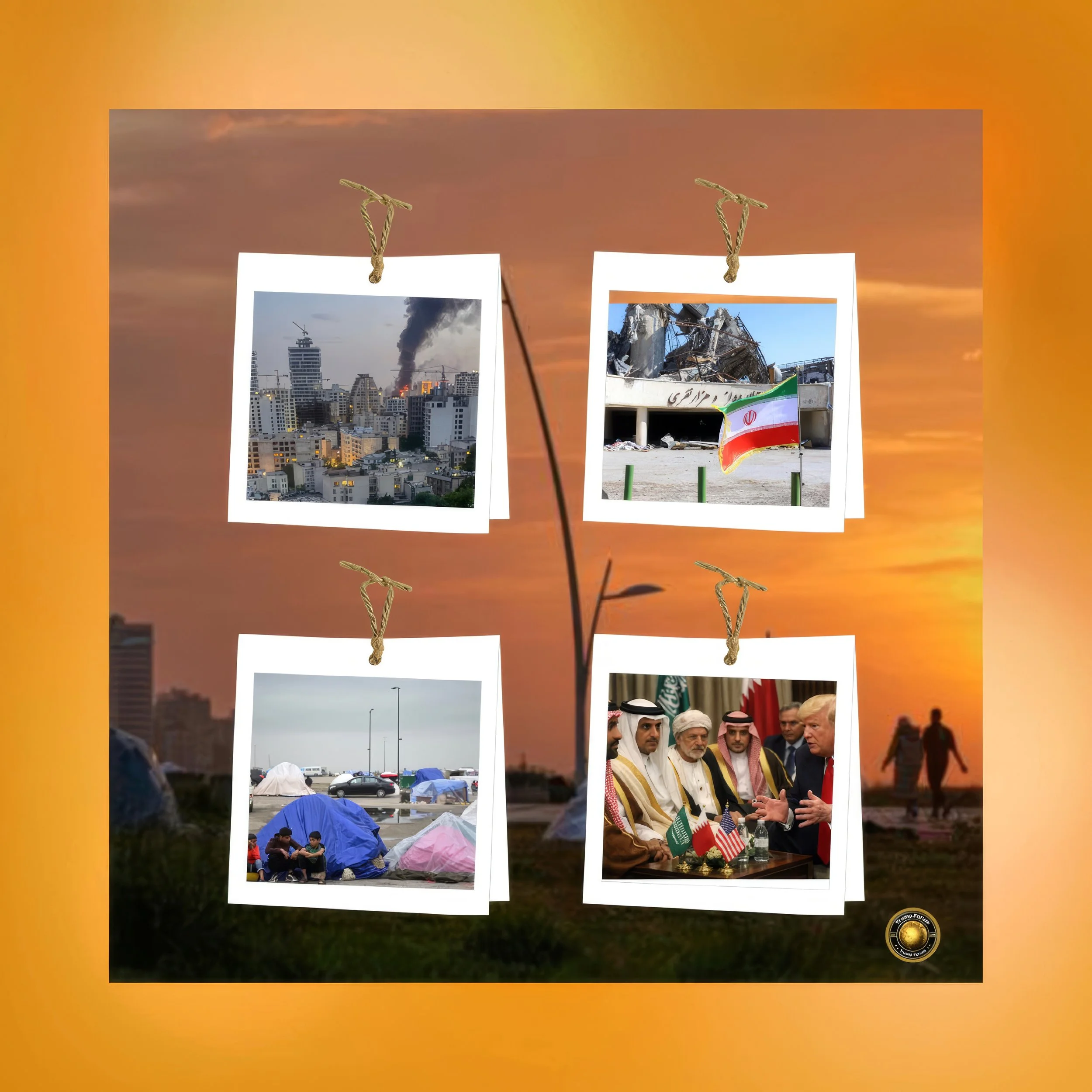
The United States and Iran agreed to a short 2-week pause in fighting in April 2026. But this pause does not mean peace.
It means that a very complex and dangerous situation has been frozen in time—with Iran now in a stronger position than it was before the war started.
President Trump made several big decisions that went against the advice of his own experts, and those decisions have led to serious problems that will not be easy to fix.
Introduction: A Ceasefire That Is Not a Victory
Imagine you get into a fight with a neighbor. You knock down part of his fence.
But when the dust settles, he has moved his car to block your driveway—and now you need his permission to leave your own home.
That is a rough picture of what has happened between the United States and Iran.
After five weeks of airstrikes, missile attacks, and global economic disruption, the two sides agreed to stop fighting for 14 days.
The pause came after Pakistan helped broker a deal in talks held in Islamabad.
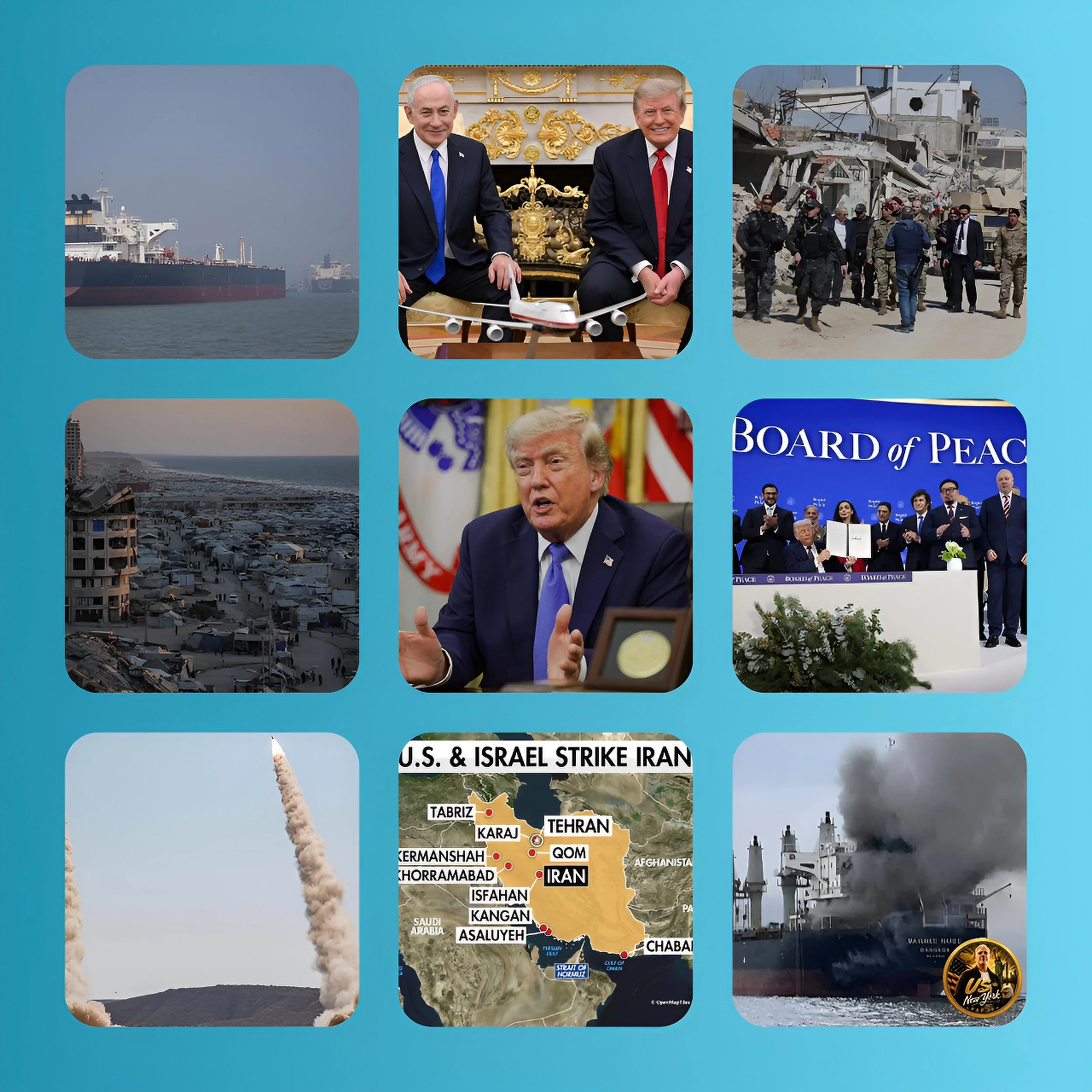
But Iran's military still controls the Strait of Hormuz—the narrow waterway through which roughly 20% of the world's oil and gas passes.
And the regime that Trump was trying to weaken is still in power, now led by someone younger and more aggressive than before.
A History of Missed Chances
To understand how things got this bad, we need to go back to 2015.
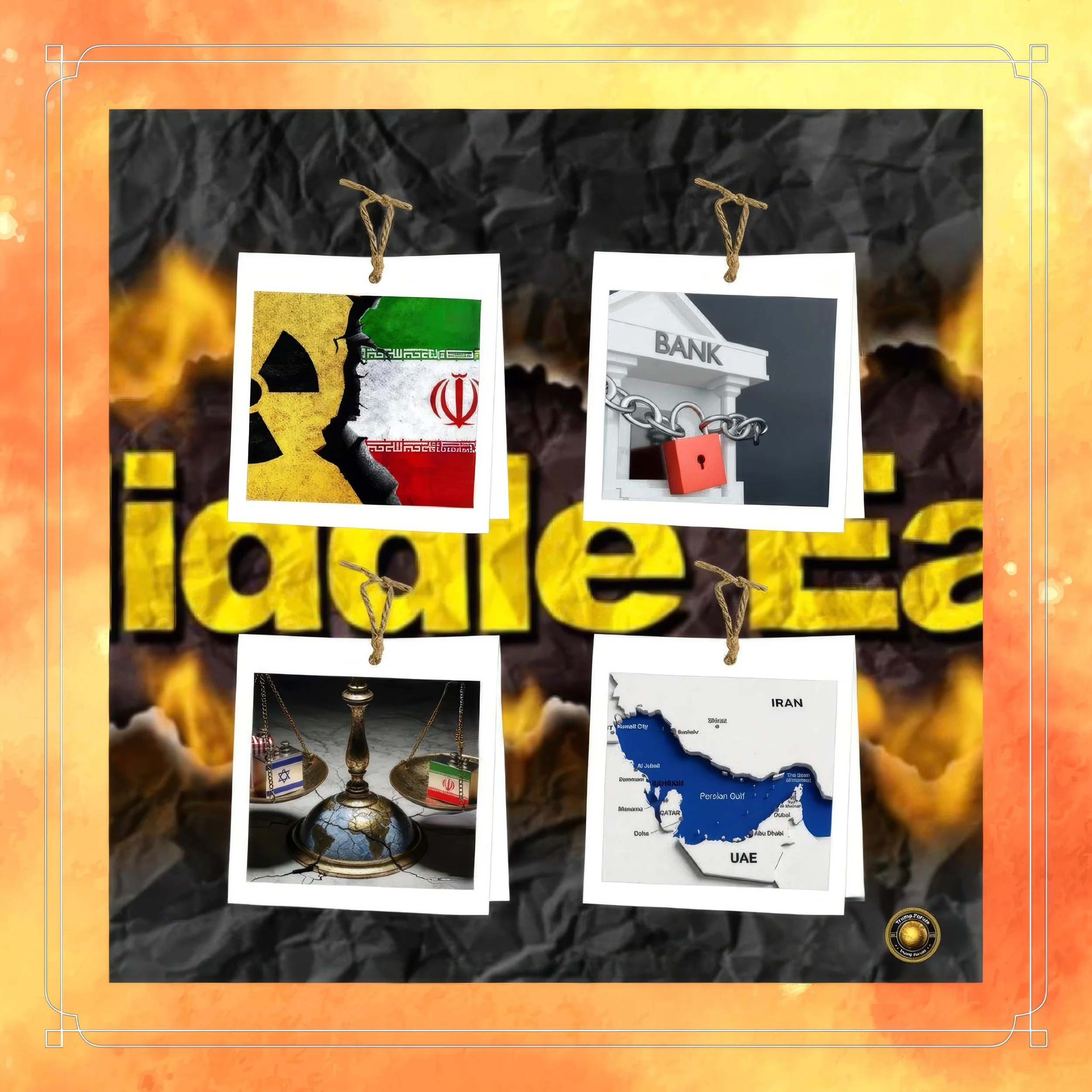
That year, Iran and six world powers—including the United States—signed a major nuclear deal called the JCPOA.
Under that deal, Iran agreed to limit its nuclear program, and international inspectors were allowed in to check.
Think of it like a neighbor agreeing to keep his guard dog on a leash in exchange for lower rent. The leash was not perfect, but at least you could see the dog.
Then in 2018, Trump tore up that agreement. He said it was a "bad deal" and imposed heavy economic punishment—called sanctions—to force Iran into a better deal.
Instead, Iran started building up its nuclear materials much faster, with no one watching.
By 2025, Iran had 440 kilograms of uranium enriched to a high level—enough material for the explosive cores of ten nuclear bombs if processed further.
The Bombing That Broke the Talks
In June 2025, while diplomats were still in the room trying to negotiate, Trump approved Operation Midnight Hammer—a large military attack on Iran's nuclear facilities.
This is a bit like walking away from a business meeting, then setting your negotiating partner's office on fire, and then expecting him to come back and sign a contract.
The attack damaged Iran's nuclear sites but did not destroy them. More dangerously, it drove Iran to stop letting international inspectors into its facilities.
Those 440 kilograms of enriched uranium are now sitting in damaged buildings that no one from the outside can access.
The world's nuclear watchdog, the IAEA, cannot verify where the material is or whether it is being used for weapons.
A New, Harder Leader in Iran
On February 28th, 2026, the United States and Israel launched an even bigger set of attacks on Iran.
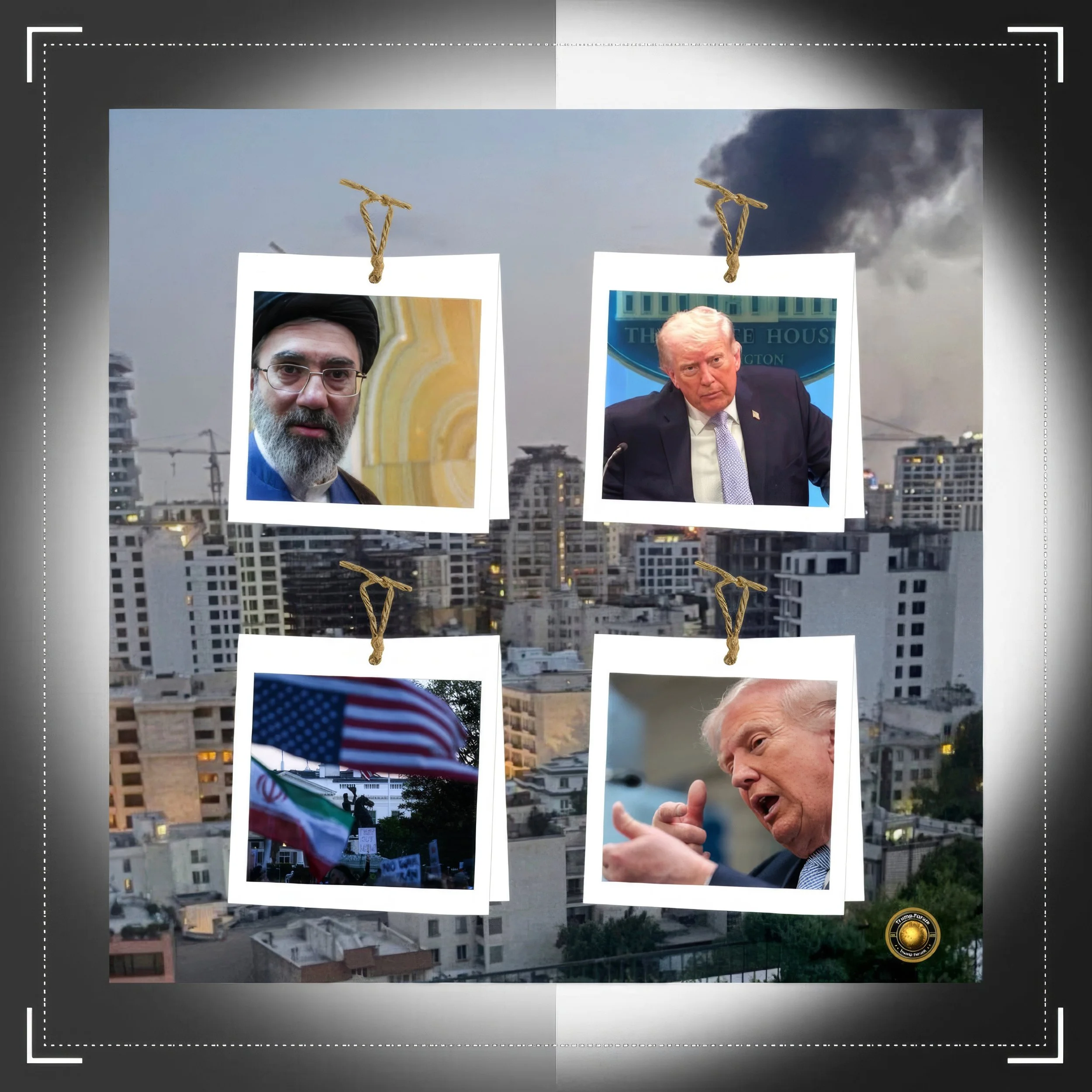
In the very first wave of strikes, Iran's Supreme Leader Ali Khamenei—an 86-year-old religious leader who had been in charge since 1989—was killed at his compound in Tehran.
Trump may have assumed that killing the top leader would cause the Iranian government to collapse or become more cooperative. Instead, the opposite happened.
Within 10 days, Iran's top religious body chose a new supreme leader: Mojtaba Khamenei, the 56-year-old son of the man who was just killed.
Mojtaba is three decades younger than his father and is known for his very close ties with Iran's Revolutionary Guard—the military group most committed to confrontation with the United States.
Think of it this way: you tried to intimidate a company by removing its old CEO. But the new CEO is younger, angrier, and has a direct line to the security team.
The Strait of Hormuz: Iran's New Weapon
The most serious long-term consequence of the war is what has happened to the Strait of Hormuz.
This is a narrow passage of water about 20.5 mile wide at its narrowest point, sitting between Iran and the Arabian Peninsula.
Through this tiny bottleneck passes 20% of the world's oil, large quantities of natural gas, fertilizer needed to grow food, and helium needed to make computer chips.
Before the war, international maritime law said ships could pass through freely. Today, Iran says ships must coordinate their passage with its armed forces.
Iran is working on a new system where ships would need permits and licenses to use the strait. It is, in effect, turning a global highway into a toll road—and Iran is the tollbooth operator.
Trump responded by threatening to bomb Iran's power plants and bridges if the strait was not reopened within two days.
Iran rejected the ultimatum and then negotiated a partial opening as part of the ceasefire—but on its own terms.
Washington did not recover freedom of navigation. It negotiated controlled access with Iran as the authority.
This is a dramatic reversal of American power in the Persian Gulf.
What About the Nuclear Material?
The 440 kilograms of highly enriched uranium that Iran had before the war is still unaccounted for.
Iran's Foreign Minister says it is trapped under the rubble of bombed facilities and has not been moved.
But inspectors cannot get in to check.
That means the world's most sensitive nuclear material is essentially invisible to the international community.
This is a very dangerous situation.
The reason countries like the IAEA exist is to watch this kind of material and make sure it does not become a weapon.
The American bombing campaign destroyed the facilities but also destroyed the ability to watch what is inside them.
Israel and Lebanon: A War Within a War
While the ceasefire between the United States and Iran was announced, Israel immediately made clear that it does not apply to Lebanon.
Hours after the ceasefire was announced, Israeli jets struck southern Lebanon, bombing areas near Tyre and Nabatieh.
Israel has been fighting Hezbollah—an armed group in Lebanon supported by Iran—since the older ceasefire in Lebanon fell apart in early 2026.
Iran had said that it would only accept a full peace deal if Israel also stopped attacking Lebanon and Hezbollah.
But Israel's Prime Minister Netanyahu flatly rejected this, saying the ceasefire "does not include Lebanon."
This creates a serious problem: the ceasefire is like a temporary patch on a tire with three holes.
Fix one hole, and air keeps escaping from the others.
Pakistan is trying to hold the deal together, but Pakistan does not even recognize Israel as a country—which makes it a very awkward mediator for any deal that involves Israeli behavior.
What Comes Next?
The most likely short-term scenario is that the 14-day ceasefire will extend, but break down before becoming permanent.
Iran will use the time to rebuild its missile capacity and strengthen its hold over the Strait of Hormuz.
Mojtaba Khamenei, the new supreme leader, will use the ceasefire period to consolidate his power and present himself as the leader who stood up to America and won.
Iran does not need a nuclear weapon for now. It has already found something arguably more powerful: control of the strait.
If it ever needed to, it could shut down the world's energy supply by blocking 20% of global oil flows. That kind of leverage is almost as powerful as a bomb—and it requires no international condemnation or sanctions to acquire.
For the rest of the world, the coming weeks will focus on whether a longer ceasefire can be reached, whether the Iran nuclear file can be brought back under inspection, and whether Israel can be persuaded or pressured to stop its campaign in Lebanon.
None of these tasks will be easy.
The United States has spent years trying to keep Iran weak and isolated.
The result of those efforts—specifically the decisions made during Trump's 2nd term—is an Iran that controls a global chokepoint, has a more aggressive leadership, holds 440 kilograms of near-weapons-grade nuclear material outside international inspection, and has successfully turned a military assault on its homeland into a story of national resistance and strategic gain.
The ceasefire may hold for two weeks.
The consequences of how we got here will last far longer.