Israel-Lebanon Ceasefire: Violations, Netanyahu’s Intent, Context, and Current Developments - Airstrike on Haytham Ali Tabatabai
Introduction
The November 23, 2025, Israeli airstrike on Beirut does represent a serious escalation, though the full context encompasses violations and disputes from multiple parties.
The Incident
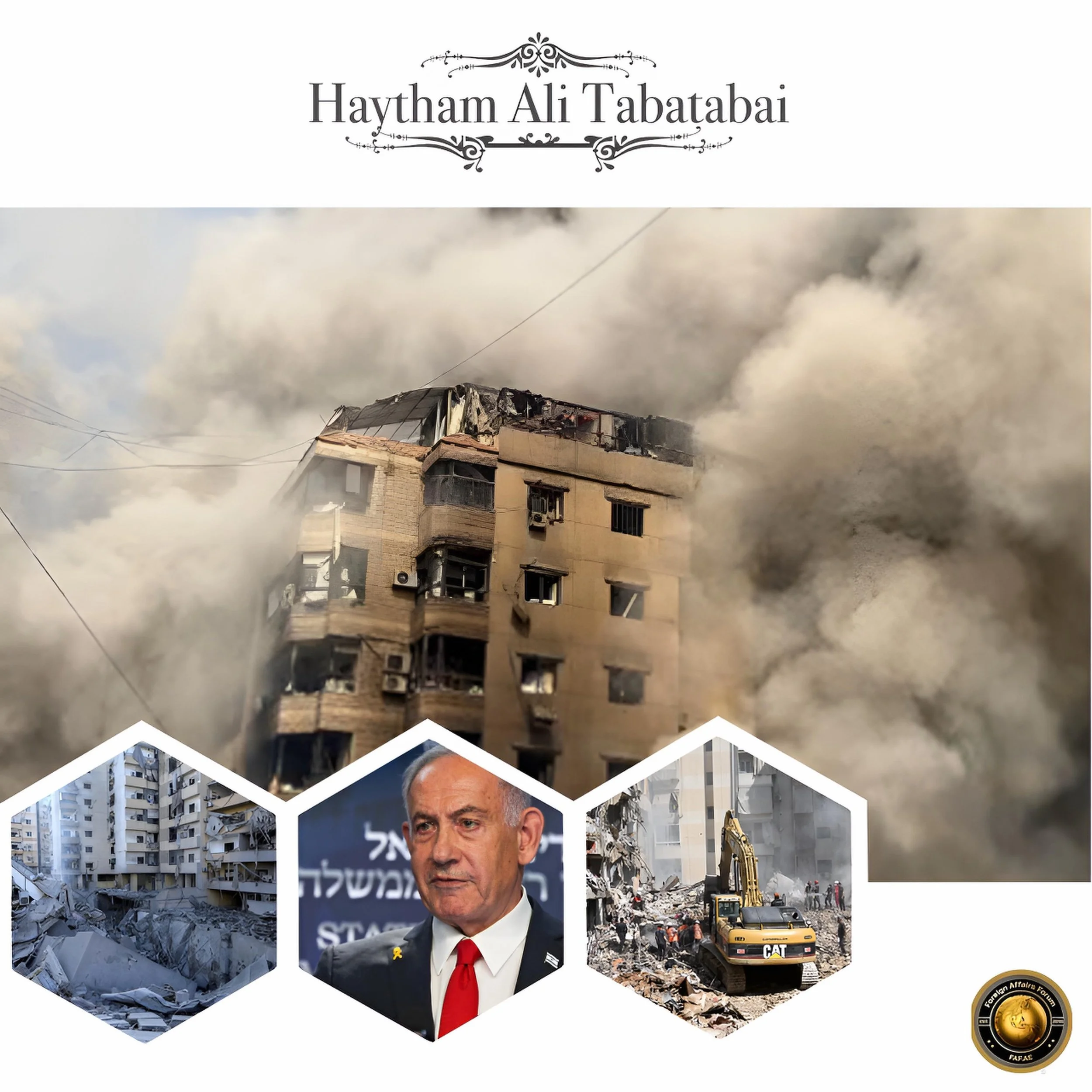
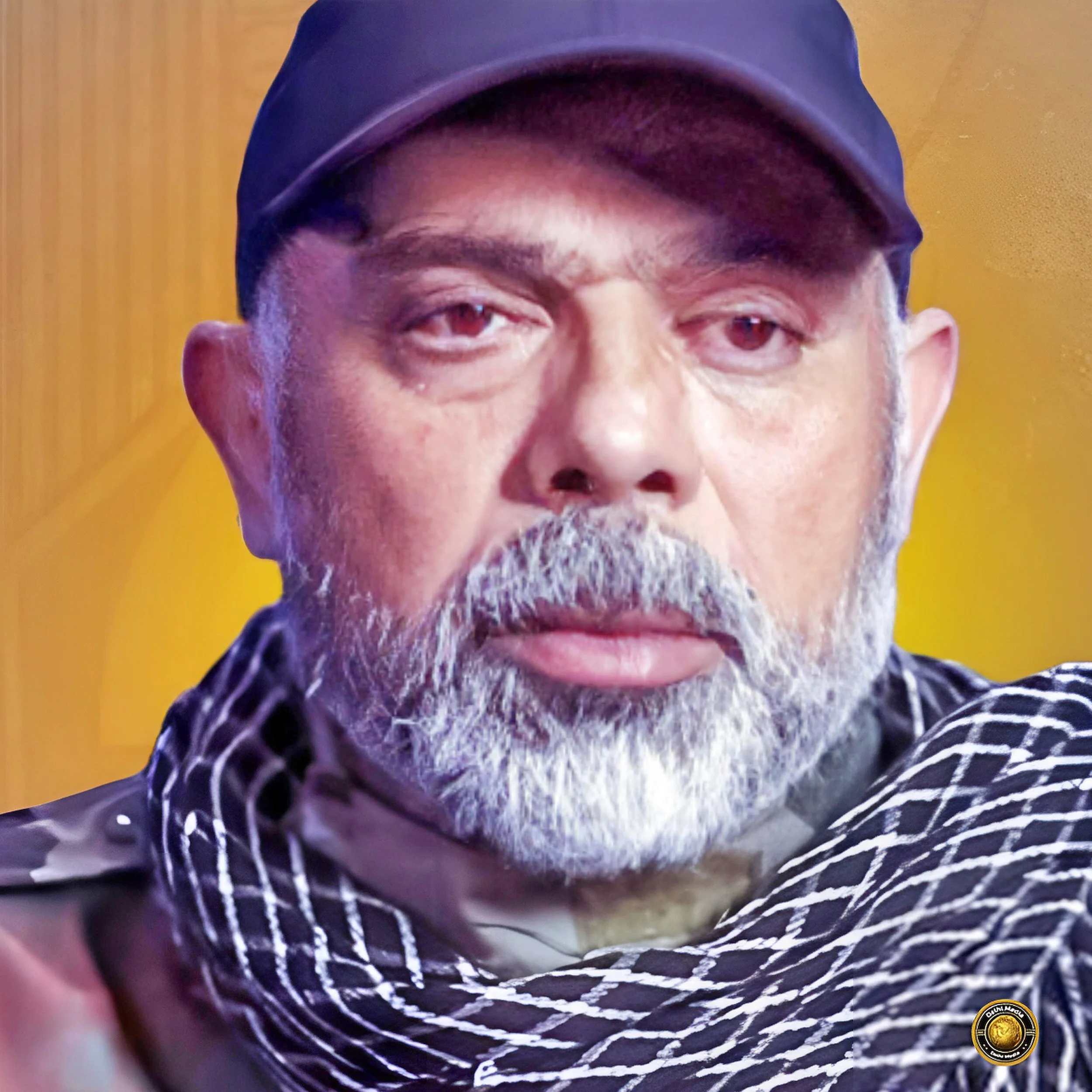
On November 23, 2025, Israeli forces conducted an airstrike on Dahiya, a southern suburb of Beirut and a Hezbollah stronghold, killing Haytham Ali Tabatabai, Hezbollah’s chief of staff.
The attack resulted in at least five deaths and 28 injuries according to Lebanese health ministry figures.
This marked the first Israeli strike on Beirut in several months, occurring precisely two days after Lebanese President Joseph Aoun announced Lebanon’s willingness to engage in negotiations to resolve the ceasefire’s remaining issues.
Israeli Prime Minister Benjamin Netanyahu stated that Tabatabai had “commanded Hezbollah units and was diligently working to prepare them for conflict with Israel,” emphasizing that Israel “will not allow Hezbollah to reconstitute its military capabilities.”
The Ceasefire Framework
The November 27, 2024, US-brokered ceasefire was designed to be a permanent cessation of hostilities after over a year of devastating conflict between Israel and Hezbollah following October 7, 2023.
The agreement mandated.
Isreal
Withdrawal from southern Lebanon within 60 days
Hezbollah/Lebanon
Withdrawal of forces north of the Litani River and disarmament
Ongoing mechanism
A monitoring committee comprising the US, France, Israel, Lebanon, and UN UNIFIL to oversee implementation
Documented Violations and Context
The situation is characterized by systematic violations from both sides, though on asymmetric scales
Israeli violations have been extensive and documented by international bodies. According to the UN Interim Force in Lebanon (UNIFIL):
Over 7,500 air violations and nearly 2,500 ground violations by Israeli forces in less than one year of ceasefire
Nearly 10,000 total violations
Over 500 Israeli airstrikes in Lebanon during the first 10 months of the ceasefire
At least 108 civilians killed, including 16 children, in Israeli strikes
19 documented abductions of Lebanese civilians by Israeli soldiers
Israel continues to occupy at least five southern hilltop positions contrary to withdrawal obligations
In September 2025, UN human rights experts stated: “Despite the ceasefire, Israel continues to strike Lebanese territory almost daily.
These attacks have resulted in a mounting toll of civilian deaths and injuries and destruction and damage of infrastructure, housing, the environment and agricultural zones vital to civilian livelihoods.”
Recent attacks before the November 23 incident included an airstrike on the Palestinian refugee camp of el-Hweh near Sidon on November 18, 2025, killing 13 people—the deadliest single attack since the ceasefire began.
Hezbollah violations have also been documented, though typically characterized as smaller in scale.
(1) Alleged movement of fighters south of the Litani River
(2) Continued weapons smuggling into Lebanon
(3) Limited rocket fire incidents (March 2025)
Hezbollah claims it has adhered to ceasefire terms but conditions further disarmament on Israel’s full withdrawal and the release of detainees.
Netanyahu’s Strategic Intentions for Lebanon:
Netanyahu’s overarching doctrine for Lebanon reflects a fundamentally maximalist security paradigm rooted in three interconnected strategic imperatives
(1) permanent prevention of Hezbollah’s military reconstitution
(2) indefinite Israeli military presence in southern Lebanon to enforce this prevention
(3) conditional normalization under an expanded Abraham Accords framework, contingent upon Lebanese state capacity to achieve complete Hezbollah disarmament.
The “New Lebanonization” Doctrine
Netanyahu has operationalized what Israeli analysts term the “New Lebanonization” model—a deliberate departure from traditional ceasefire conceptualization.
Rather than terminating military operations, the framework permits Israel to maintain strategic ambiguity between “war” and “peace,” sustaining indefinite military prerogatives under the guise of counterterrorism operations.
As Israeli media figure Amit Segal, aligned with Netanyahu’s government, articulated: the doctrine presumes Israel maintains military outposts positioned far from international borders, with authority to strike targets “when deemed necessary.”
This approach operationalizes what Netanyahu has termed “Israel is responsible for its own security,” explicitly rejecting international constraints on unilateral military decision-making.
The November 2025 Beirut strike exemplifies this doctrine in practice—executed despite formal ceasefire status and at a moment of diplomatic momentum, signaling Netanyahu’s prioritization of tactical military objectives over strategic diplomatic consolidation.
Domestic Political Imperatives
Netanyahu’s Lebanon strategy remains intrinsically linked to domestic political survival. The displacement of approximately 70,000 Israeli residents from northern border communities has become a politically critical issue, with return to these communities serving as a barometer of governmental success.
The May 2024 expansion of stated war objectives explicitly incorporated “the safe return of residents from the north to their homes” as a formal military goal—transforming what might constitute a humanitarian objective into a military campaign justification.
The Disarmament Conditionality
Netanyahu publicly articulates a deceptively straightforward position: Lebanon must fulfill ceasefire commitments to disarm Hezbollah.
However, the underlying strategic calculation reveals sophisticated pessimism regarding Lebanese state capacity.
Israeli intelligence assessments conclude that the Lebanese government neither possesses the institutional capacity nor political will to forcibly disarm Hezbollah, particularly given Hezbollah’s deep institutional entrenchment and the organization’s significant political constituency.
This creates an insurmountable structural paradox: Netanyahu demands Lebanese action on disarmament while simultaneously conducting military operations that undermine Lebanese state authority and complicate disarmament efforts.
The strategic logic implicitly assumes that continued Israeli military pressure will either coerce Lebanese state action or justify indefinite Israeli occupation as a necessary security measure.
The Abraham Accords Contingency
Netanyahu has extended conditional diplomatic overtures suggesting Israel-Lebanon peace remains “possible” within an expanded Abraham Accords framework, contingent upon genuine Lebanese disarmament efforts.
This represents Netanyahu’s preferred resolution architecture: transforming Lebanon from adversary to normalization partner, thereby neutralizing Hezbollah’s operational capacity through state-level integration rather than military destruction.
However, this framework carries inherent contradiction: Lebanese participation in Abraham Accords would require demonstrating state capacity and political unity—precisely the conditions Netanyahu’s military operations undermine by sustaining Lebanon’s institutional fragmentation and economic deterioration.
Sustainability Assessment
The doctrine faces critical feasibility constraints. Indefinite military occupation generates perpetual resistance dynamics, increasing both Israeli casualties and international pressure.
The parallel application of this “New Lebanonization” model in Gaza suggests Netanyahu envisions sustained military dominance across multiple theaters—a resource-intensive strategy with uncertain long-term sustainability.
Regional actors, particularly Iran, possess asymmetric response capacities that could generate escalatory spirals Netanyahu cannot unilaterally control despite overwhelming military advantage.
Netanyahu’s Lebanon strategy ultimately represents coercive optimization rather than resolution—a calculus predicated upon sustaining Israeli military dominance while exhausting Lebanese state and Hezbollah organizational capacity. Its success remains contingent upon both Lebanese state acquiescence and Iranian strategic restraint—neither assured.
International Responses
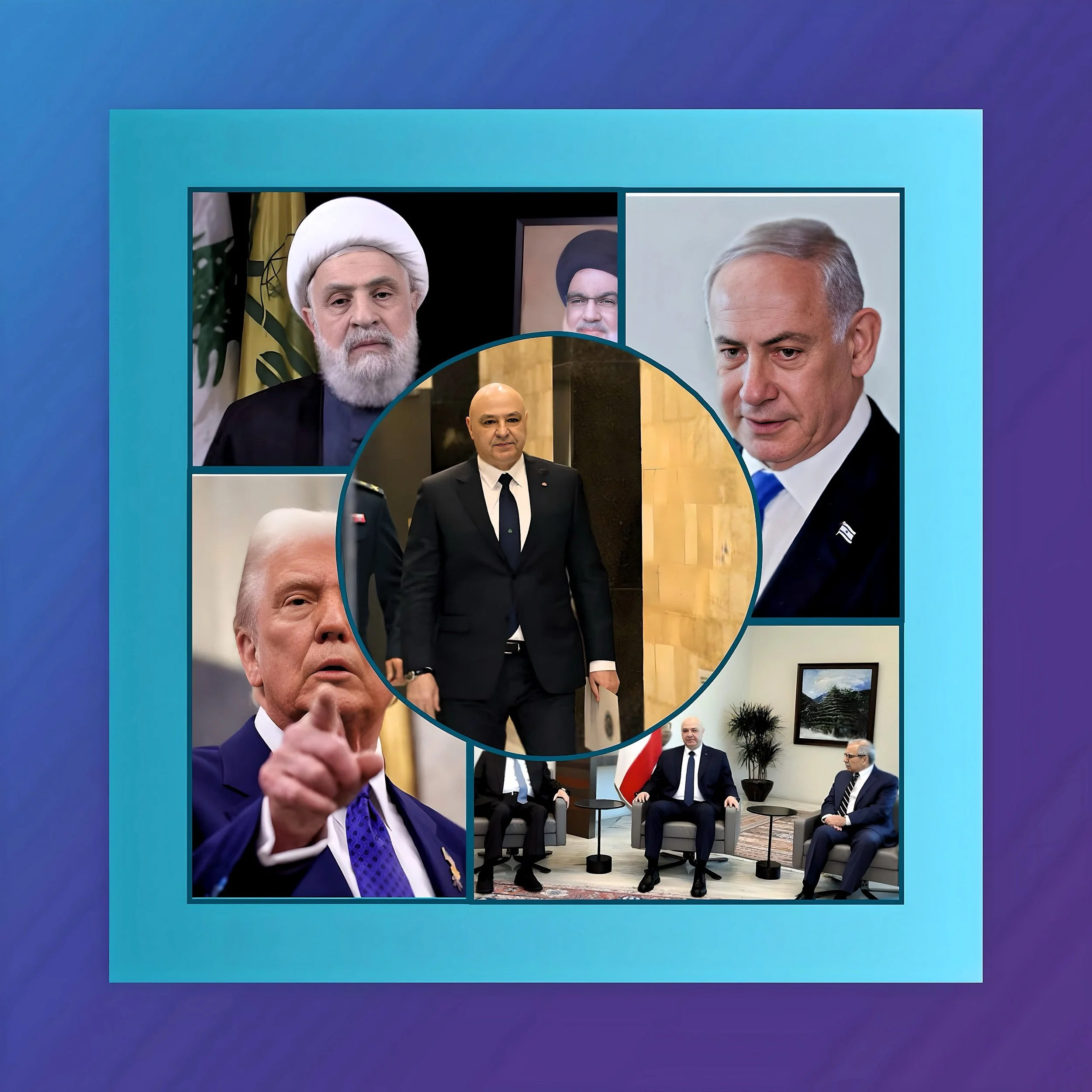
Lebanese President Joseph Aoun condemned the strike as violating the ceasefire and the Lebanese government’s sovereignty, urging the international community to “intervene decisively and earnestly to halt the assaults on Lebanon and its populace.” He reported the incident to the United Nations.
Hezbollah’s Statement characterized the killing as “a flagrant violation of the November 2024 US-brokered ceasefire and a brutal breach of Lebanon’s national sovereignty,” with the group signaling potential response options, though analysts suggest it may avoid full escalation to prevent wider regional war.
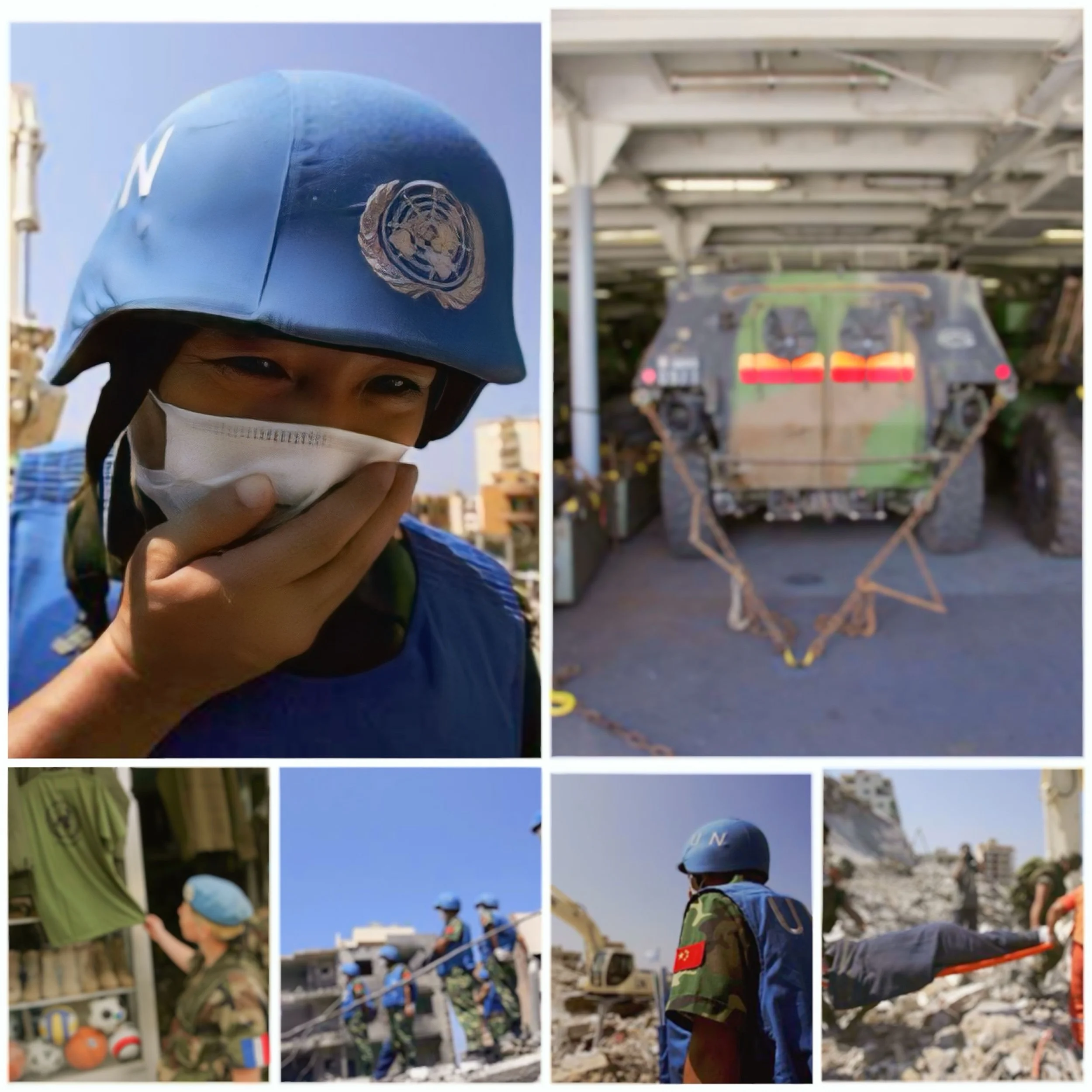
UN Peacekeepers (UNIFIL) have repeatedly documented violations as threatening “fragile stability” and called on Israel to “fully withdraw from Lebanese territory” and refrain from strikes that endanger peacekeepers and civilians.
French Response
France, as a ceasefire mediator, expressed deep concern in January 2025 over Israeli operations, calling for rapid Israeli withdrawal and Lebanese Armed Forces redeployment. France continues urging parties to fulfill commitments rapidly.
Lebanese Prime Minister Nawaf Salam called for an end to Israeli military actions, emphasizing the threat to regional stability.
The Structural Problem
The core issue is that implementation of the ceasefire has been asymmetric and incomplete.
Israel claims it extended its occupation because.
(1) The Lebanese Army has not fully deployed in southern zones
(2) Hezbollah continues military activities
(3) Significant security concerns persist
Lebanon counters that Israel’s continued presence and strikes prevent Lebanese forces from establishing security and undermine confidence in the agreement. Hezbollah has made disarmament conditional on Israeli withdrawal—creating a standoff.
The November 23 strike, while falling within Israel’s claimed operational framework, represents a further erosion of the ceasefire at a critical diplomatic moment when Lebanon’s president had just signaled openness to negotiations.
Broader Context
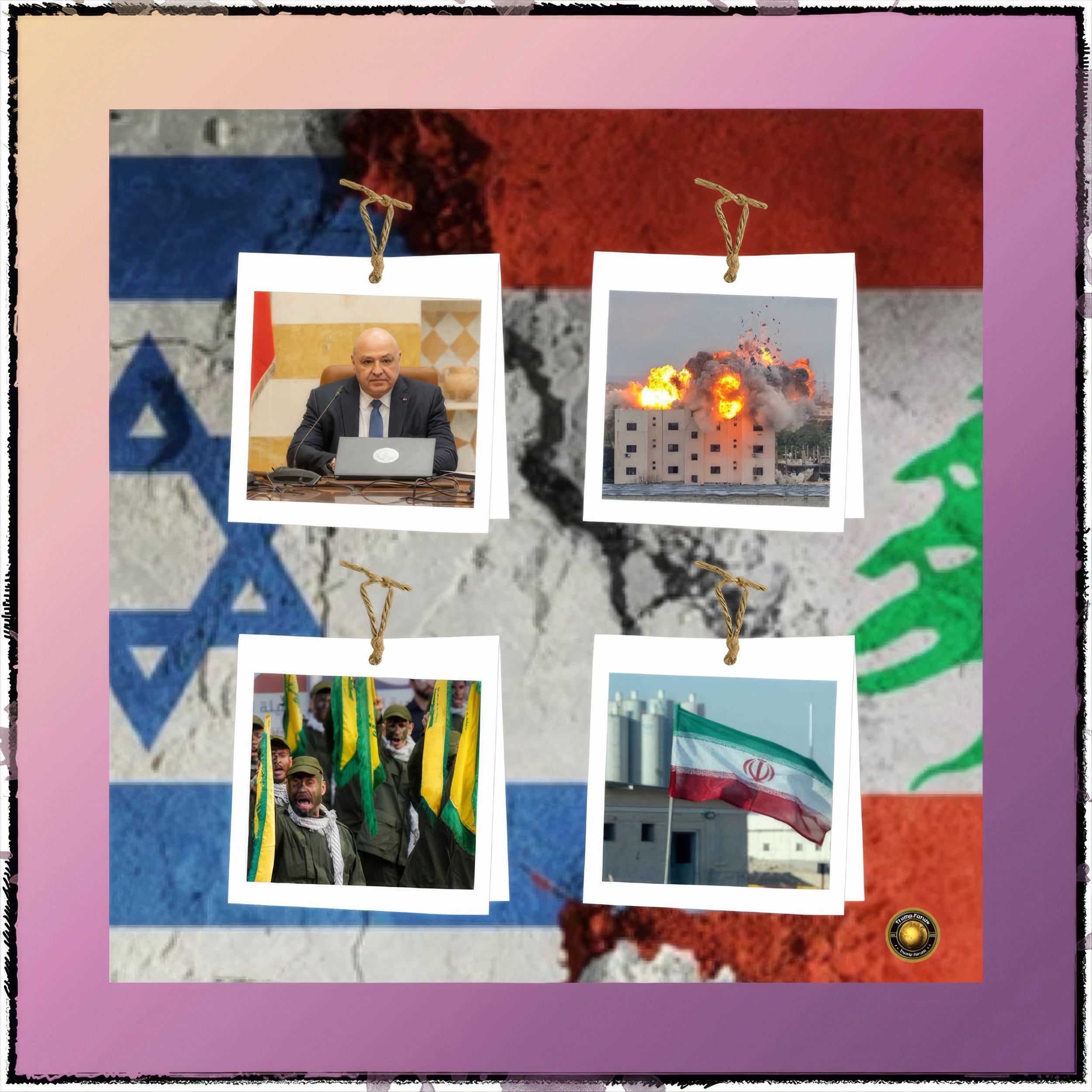
The incident must be understood within overlapping geopolitical dimensions: Israel’s regional security strategy, Hezbollah’s ties to Iran and Lebanese domestic politics, Lebanon’s state weakness in enforcing sovereignty, and international mediators’ limited leverage to enforce agreements.
The situation reflects genuine Israeli security concerns about Hezbollah’s military reorganization alongside documented patterns of Israeli operations that violate international law and ceasefire terms, creating cycle of reciprocal grievance and escalation risk.
Conclusion
The Israel-Lebanon Ceasefire and Regional Escalation Dynamics
The November 23, 2025 Israeli airstrike targeting Hezbollah’s chief of staff in Beirut epitomizes the fundamental structural instability inherent in the November 2024 ceasefire framework.
Rather than representing an isolated incident, this strike constitutes a manifestation of systematically asymmetric implementation that has characterized the agreement’s ten-month trajectory.
The ceasefire, though formally operative, has functioned as a de facto frozen conflict rather than a genuine cessation of hostilities.
The documented evidence—encompassing nearly 10,000 Israeli violations, over 7,500 aerial incursions, 500+ airstrikes, and 108 civilian casualties—suggests that Israel has interpreted the agreement as permitting continued military operations against perceived Hezbollah reconstitution efforts, thereby rendering the cessation of hostilities provisional and contingent upon Israel’s unilateral security assessments.
The temporal proximity of this strike to Lebanon President Aoun’s announcement of diplomatic willingness introduces a particularly consequential dimension: the attack occurred precisely at an inflection point where diplomatic momentum might have accelerated substantive implementation.
This suggests that Israel perceived escalatory risk from negotiations more acutely than from military action, thereby prioritizing tactical military objectives over strategic diplomatic consolidation.
Hezbollah’s measured initial response—signaling potential retaliation while restraining immediate escalation—indicates organizational calculation that full-scale conflict resumption would prove strategically disadvantageous given regional developments and Lebanese state vulnerabilities.
However, this restraint carries inherent fragility; repeated violations and high-casualty civilian strikes incrementally erode organizational incentives for continued forbearance.
The asymmetry of enforcement mechanisms presents the core dilemma: the US, France, and UN possess monitoring capacity but lack enforcement instruments commensurate with violation scale.
Lebanese sovereignty remains compromised by both Israeli occupation and Hezbollah’s autonomous military structure, rendering state authority insufficient to independently enforce the agreement’s terms.
The trajectory remains fundamentally unstable. Without either
(1) credible mechanisms enforcing Israeli withdrawal and operational constraints
2) comprehensive Hezbollah disarmament coupled with Lebanese state capacity-building, the ceasefire will continue its degradation through incremental violations, each marginally expanding operational latitude until a triggering incident precipitates resumption of large-scale conflict.
The November 23 strike represents not an anomaly but rather the logical consequence of an agreement lacking enforcement mechanisms—a framework that has deferred rather than resolved underlying strategic competition between Israel and Hezbollah.