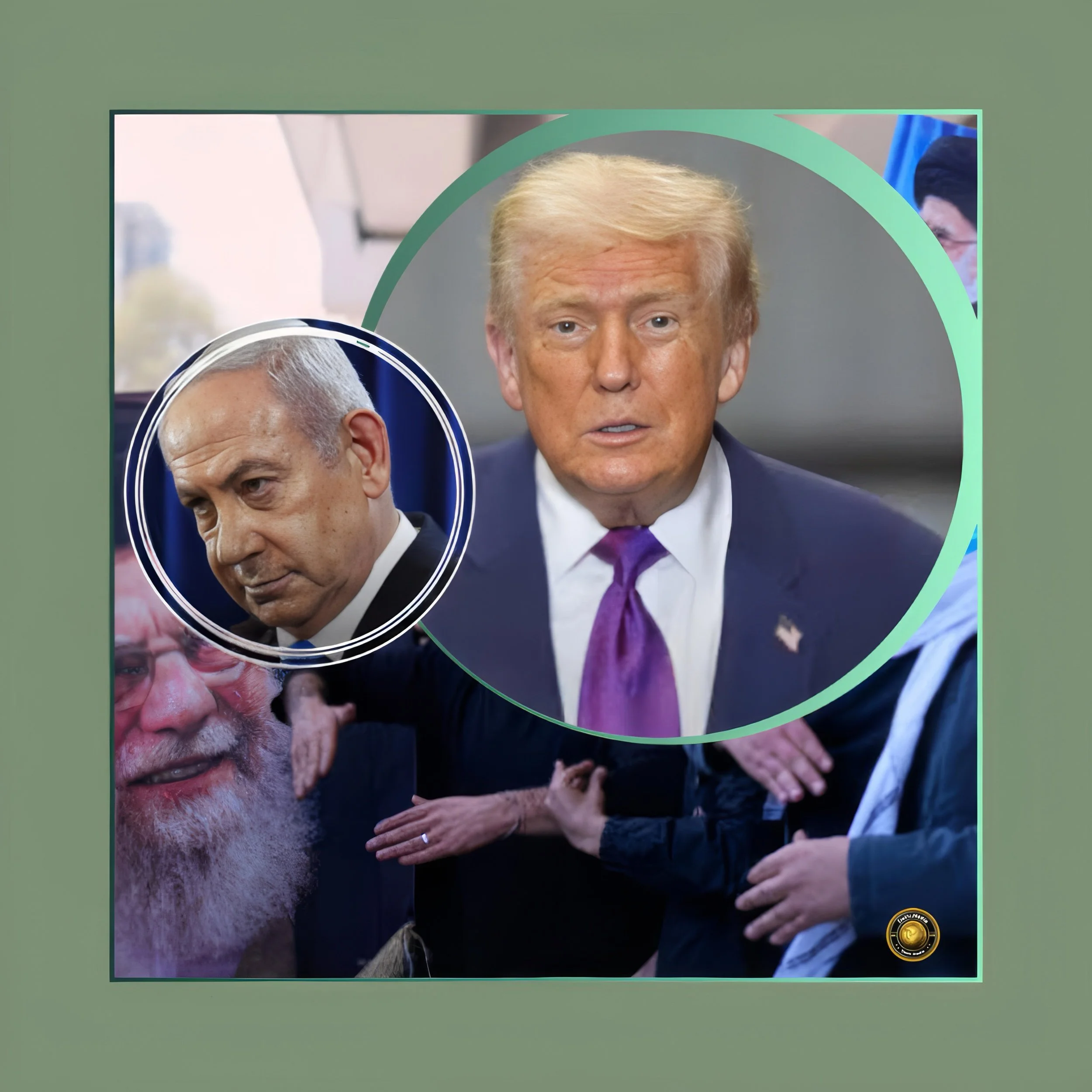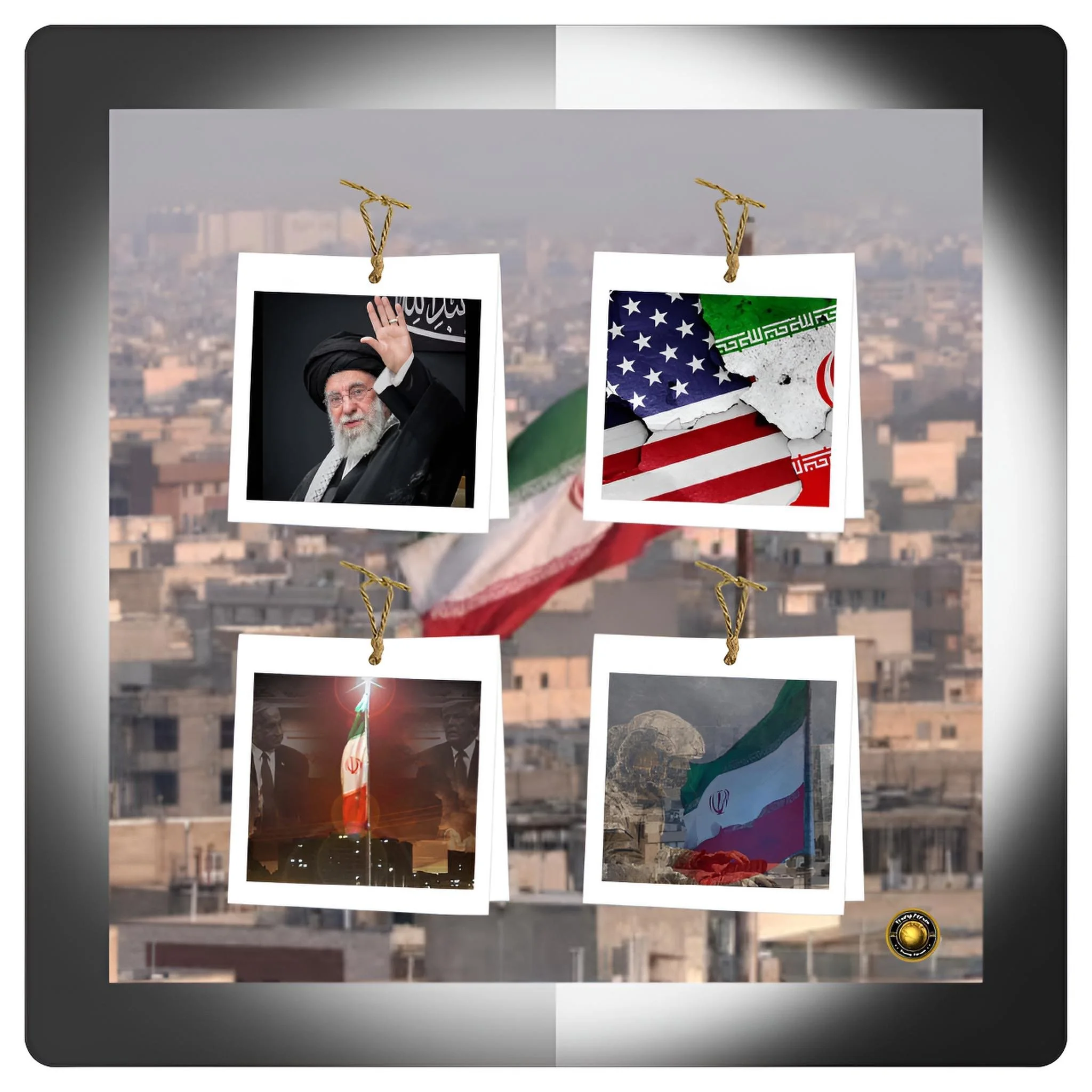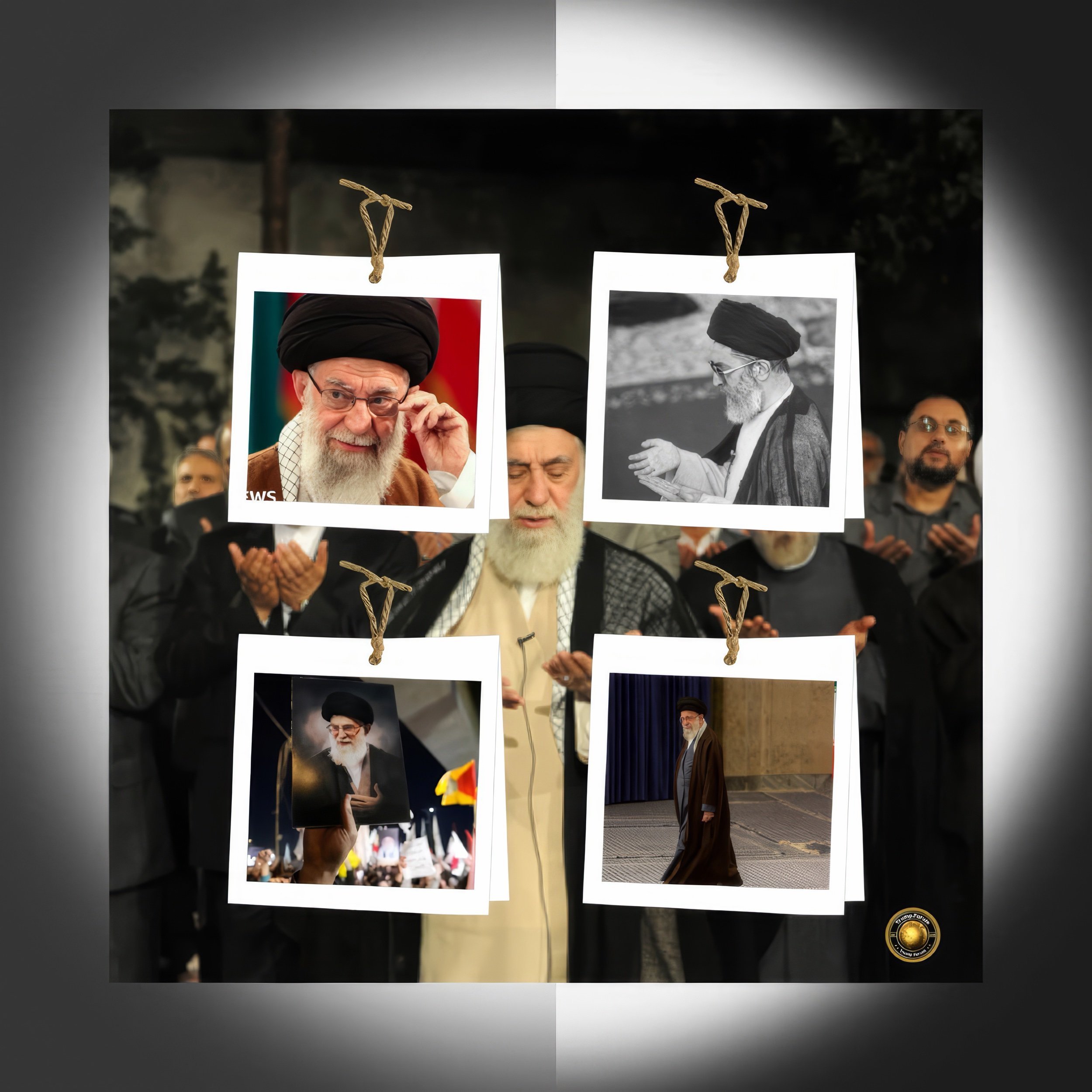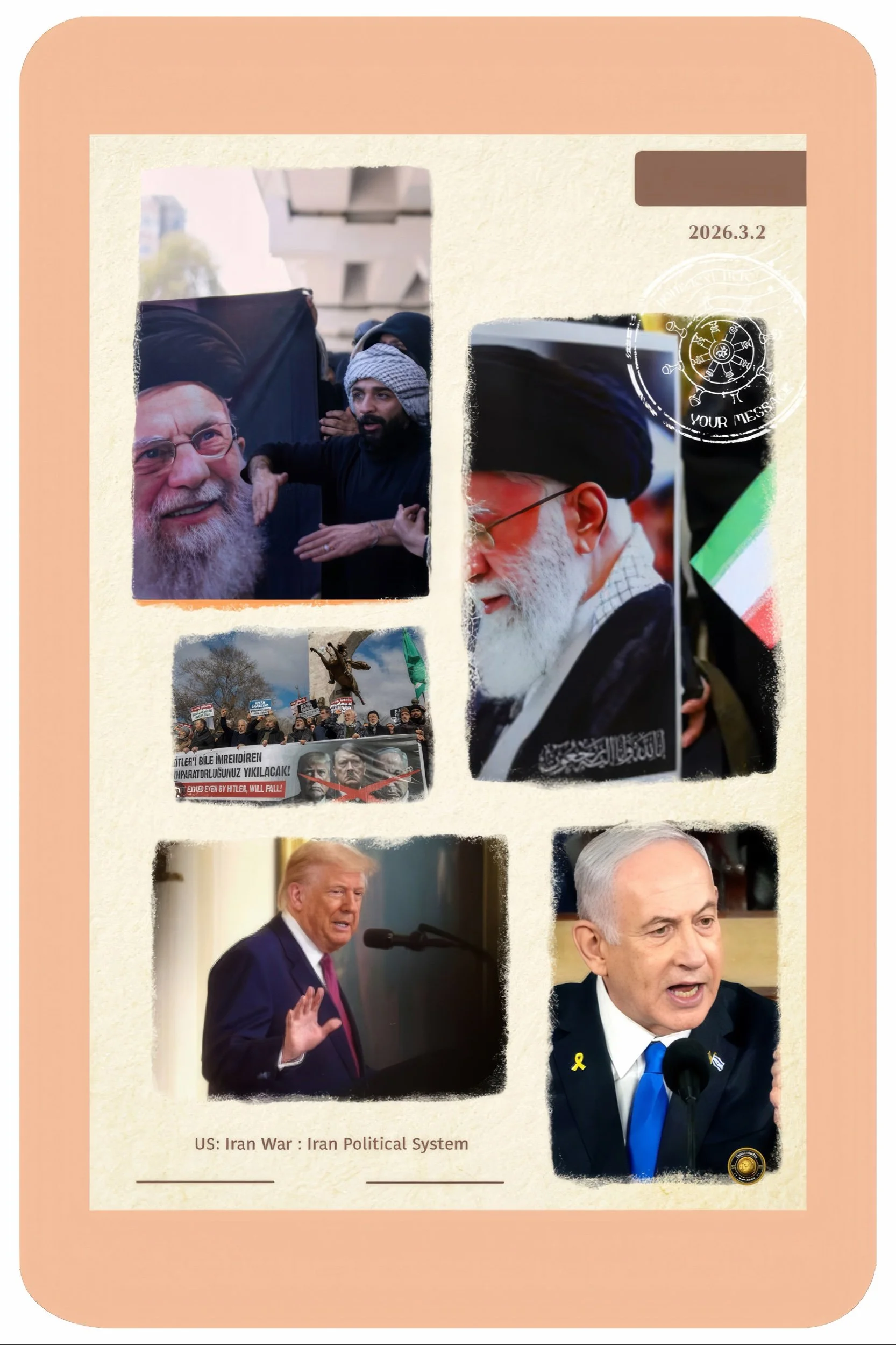
Targeting Tehran’s Leadership at Its Peak Could Strengthen Revolutionary Control: Assassinating Khamenei Might Entrench Rather Than Weaken Iran - Part II
Executive Summary
Why Iran’s Theocracy Can Survive Leader Decapitation
The proposition that eliminating Iran’s supreme leader would precipitate the collapse of the Islamic Republic rests on a misunderstanding of the Iranian state’s institutional architecture, ideological foundations, and historical experience.
Unlike highly personalized authoritarian systems such as those of Muammar al-Qaddafi in Libya or Bashar al-Assad in Syria, Iran’s political order is not reducible to a single individual.
Although the office of the supreme leader embodies concentrated authority, that authority is embedded in a dense web of clerical legitimacy, revolutionary institutions, constitutional mechanisms, and security structures designed explicitly for continuity under existential threat.
FAF article argues that a decapitation strategy aimed at Supreme Leader Ali Khamenei would likely consolidate, rather than fragment, the Islamic Republic.
Iran’s post-1979 order has been shaped by war, sanctions, assassination campaigns, and covert destabilization efforts. Its governing elite has internalized survival as a central organizing principle.
The Assembly of Experts possesses constitutional authority to appoint a successor. The Islamic Revolutionary Guard Corps functions not merely as a military force but as a political-economic guardian of the revolution.
The clerical establishment provides religious continuity, while factional competition occurs within institutional boundaries rather than through systemic rupture.
Far from triggering regime collapse, the assassination of the supreme leader could activate mechanisms of controlled succession, rally nationalist sentiment, and legitimize intensified repression under the rubric of external aggression.
In the contemporary geopolitical context—marked by regional rivalries, nuclear brinkmanship, and shifting great-power alignments—such an outcome could escalate confrontation rather than resolve it.
The long-term consequence may be a more securitized, less flexible Iran, with diminished prospects for diplomatic engagement.
Introduction
Regime Decapitation and the Resilience of Iran’s State
Modern strategic thought often assumes that authoritarian systems are vulnerable to leadership decapitation. The removal of a central figure is presumed to create paralysis, elite fragmentation, and popular unrest. Historical precedents, however, reveal divergent outcomes.
In Libya, the fall of Qaddafi dissolved the regime’s personalist networks. In Syria, the Assad dynasty’s survival depended on external backing and brutal counterinsurgency. In Iraq, the elimination of Saddam Hussein dismantled state coherence. These cases have shaped contemporary military doctrines that prioritize the targeting of apex leadership.
Iran presents a different case. Since the 1979 Islamic Revolution, the Islamic Republic has fused republican institutions with theocratic oversight.
The supreme leader, vested with ultimate authority, commands the armed forces, appoints the judiciary’s head, influences media oversight, and arbitrates disputes among branches of government. Yet the system’s durability derives not from charismatic rule but from institutionalized revolutionary governance.
Ayatollah Ruhollah Khomeini’s death in 1989 did not destabilize the regime. Instead, a structured transition elevated Ali Khamenei to the apex of authority, illustrating the system’s capacity for succession.
Understanding whether Iran is vulnerable to decapitation requires an examination of its constitutional design, ideological resilience, security apparatus, and social contract under sanctions.
FAF analysis proceeds by situating the current moment within the broader arc of Iranian political development.
History and Current Status
The Islamic Republic emerged from a revolutionary upheaval that displaced monarchy with clerical governance.
The 1979 constitution enshrined the principle of velayat-e faqih, or guardianship of the jurist, granting a senior cleric ultimate supervisory authority.
The Iran-Iraq War from 1980 to 1988 entrenched militarization and normalized a siege mentality. Assassinations of senior officials in the early 1980s reinforced a culture of vigilance.
The death of Ayatollah Khomeini in 1989 constituted the first major test of continuity.
The Assembly of Experts selected Ali Khamenei, then president, as successor. Constitutional amendments consolidated the office’s powers.
Over subsequent decades, Iran endured economic sanctions, covert sabotage of its nuclear facilities, cyber operations such as Stuxnet, and targeted killings of nuclear scientists. Each episode strengthened the regime’s emphasis on redundancy and layered authority.
Today, Iran’s political system combines elected institutions—the presidency and parliament—with unelected bodies including the Guardian Council and the Expediency Council.
The IRGC wields extensive influence, controlling key sectors of the economy and maintaining parallel security capabilities. The judiciary enforces ideological boundaries. The state’s legitimacy narrative emphasizes resistance to foreign domination.
Economically, Iran faces high inflation and currency volatility. Youth unemployment remains elevated. Social unrest has surfaced periodically, including protests over economic hardship and women’s rights.
Yet the regime has demonstrated an ability to contain dissent through a combination of coercion, patronage, and ideological framing. The state’s survival does not depend on popular enthusiasm but on institutional cohesion.
Key Developments
Recent escalations between Iran and its adversaries have intensified speculation about regime decapitation. Airstrikes on symbolic targets, covert operations against senior commanders, and public rhetoric about regime change reflect a strategic calculus that equates leadership removal with systemic collapse.
Simultaneously, Iran has advanced its nuclear program, enriching uranium to levels approaching weapons-grade thresholds.
Regionally, Iran maintains influence through allied non-state actors in Lebanon, Iraq, Syria, and Yemen. These networks provide strategic depth. The IRGC’s Quds Force coordinates external operations. The killing of Qassem Soleimani in 2020 illustrated both vulnerability and resilience: while his death disrupted operations, it did not dismantle the network.
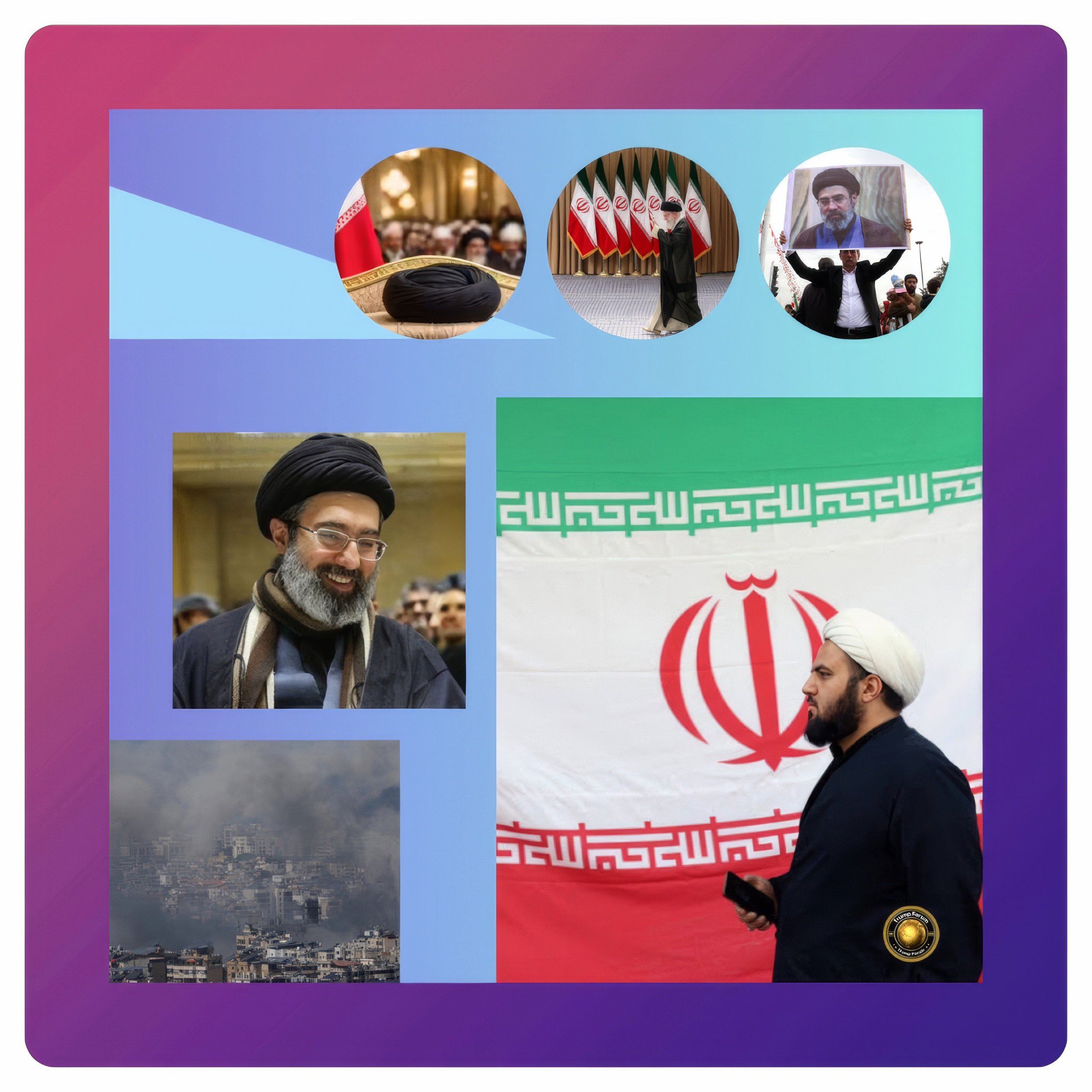
Within Iran, succession planning has reportedly intensified as Khamenei ages. Potential successors are debated among clerical and security elites.
The Assembly of Experts convenes periodically, signaling procedural readiness. Rather than indicating fragility, such planning underscores institutional continuity.
Latest Facts and Concerns
Current intelligence assessments suggest that Iran’s leadership anticipates targeted strikes. Protective measures around senior officials have expanded.
Communications redundancies and decentralized command structures aim to ensure continuity. The IRGC has rehearsed scenarios involving leadership disruption.
Concerns arise from the possibility that assassination could radicalize policy. Hardline factions may interpret decapitation as validation of their narrative that engagement with external powers invites betrayal.
Nuclear acceleration, withdrawal from remaining inspection regimes, and intensified regional proxy activity could follow.
Another concern involves domestic unrest. While nationalist sentiment could initially rally around the regime, prolonged economic hardship might resurface. Yet historical patterns suggest that external aggression tends to suppress internal dissent temporarily.
Cause-and-Effect Analysis
The premise of decapitation rests on causality: remove the leader, and the system collapses. In Iran, causality operates differently. The supreme leader embodies authority, but authority is institutionalized.
The constitution specifies succession procedures. The Assembly of Experts possesses legal mandate to appoint a new leader. The IRGC’s loyalty is to the revolution, not solely to an individual.
If assassination occurred, the immediate effect would likely be securitization. Emergency powers would be invoked. The narrative of martyrdom would mobilize ideological legitimacy.
Clerical authorities could frame the event as external aggression against Islamic sovereignty. The IRGC would consolidate control during transition.
Internationally, escalation could ensue. Retaliatory strikes against regional adversaries or maritime assets might follow.
The risk of miscalculation would increase. Instead of regime collapse, the probable outcome would be regime hardening.
Future Steps
For policymakers contemplating decapitation strategies, the evidence suggests caution.
Diplomatic engagement, deterrence calibrated to avoid martyrdom narratives, and multilateral pressure may offer more sustainable avenues. Regional de-escalation frameworks could mitigate incentives for confrontation.
Within Iran, gradual generational change may alter political dynamics over time.
Economic reform, social pressures, and elite bargaining could reshape governance more profoundly than external strikes. Succession planning, if managed institutionally, may produce continuity rather than rupture.
Conclusion
Iran Is Built to Withstand the Ayatollah’s Assassination
Iran’s Islamic Republic was forged in revolution and tempered by war. Its architects anticipated existential threats and constructed a system designed for endurance.
While the supreme leader occupies a uniquely powerful office, that office functions within a resilient institutional matrix. Assassination might eliminate a person, but it would not dissolve the structures that sustain the state.
Rather than precipitating collapse akin to Libya or Syria, decapitation could reinforce ideological cohesion, empower hardliners, and escalate regional tensions.
The calculus of regime change must therefore account for institutional resilience. In Iran’s case, the state is built to survive the loss of its apex figure—and may emerge more entrenched as