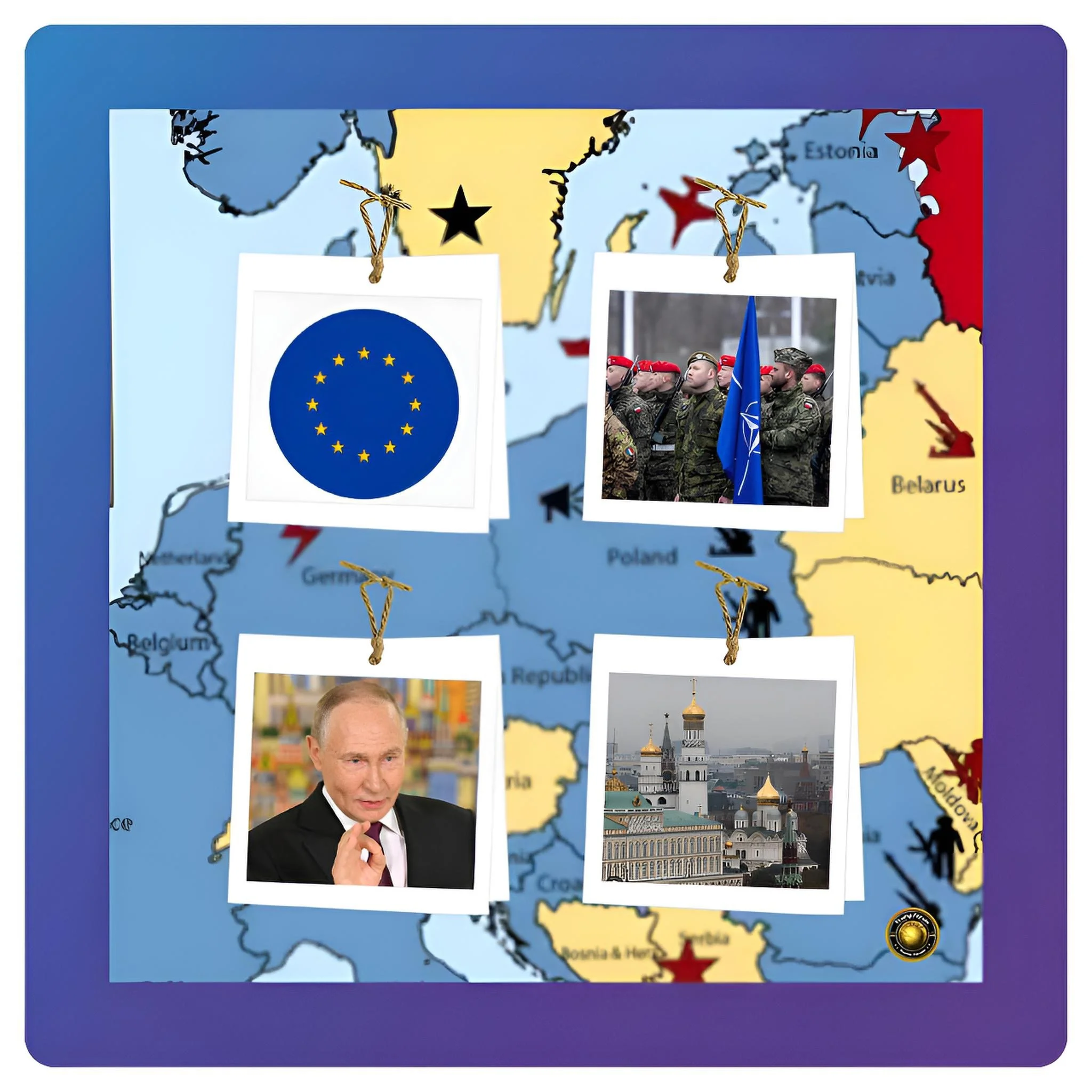
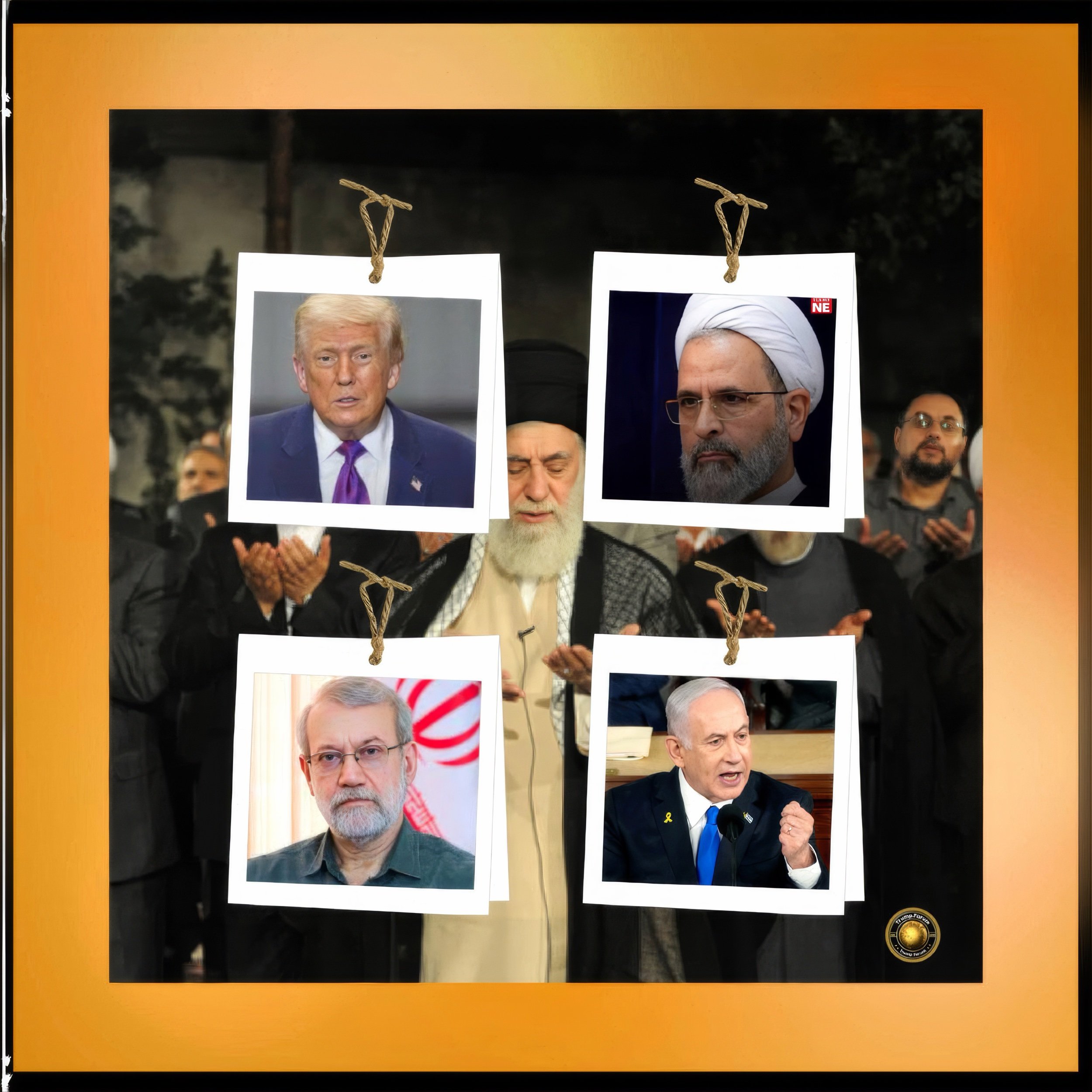
Executive Summary
The United States has moved a very large number of ships, aircraft, and troops near Iran.
President Donald Trump believes this show of strength should pressure Iran to give up parts of its nuclear program.
But Iran has not surrendered. This creates a serious question: What can the United States actually do next?
FAF article explains the different military options in simple language. It also explains what might happen after each option.
Introduction
The US has sent aircraft carriers, fighter jets, and surveillance planes to the Middle East.
An AWACS plane can see aircraft and missiles from far away and help guide attacks.
This shows that America is ready if war starts.
However, Iran is not backing down.
Instead, it continues to support its allies in the region and expand parts of its nuclear program.
History and Current Situation
Since 1979, the US and Iran have had poor relations. There have been sanctions, threats, and occasional military actions.
In 2020, the US killed Iranian General Qassem Soleimani in a drone strike.
Iran responded with missile attacks on US bases in Iraq.
Today, tensions are high again. The US has more than 1/3 of its available navy ships in the region. Iran says it will defend itself if attacked.
Possible Military Options
Limited Airstrikes
The US could bomb a few nuclear or missile sites.
For example, it could target a uranium enrichment facility. This would try to slow Iran’s nuclear progress without starting full war.
But Iran might respond by firing missiles at US bases or at Israel. Oil prices could rise quickly.
Leadership Strike
The US could try to target senior military leaders. This happened before with Soleimani. Such a strike might weaken coordination for a short time.
However, it could also make the Iranian public unite behind their government. Sometimes when a country is attacked, even critics support their leaders.
Cyber Attacks
Instead of bombs, the US could use cyber tools. For example, it could try to shut down computers controlling nuclear equipment.
Iran also has cyber capabilities. It could attack US banks or energy systems in response.
Full Air and Naval War
The most extreme option is large-scale bombing and a naval blockade.
The US military is stronger in traditional weapons.
But Iran has many missiles and can attack ships in the Strait of Hormuz.
About 20% of global oil passes through that narrow waterway. If fighting starts there, the whole world economy could suffer.
How Other Leaders Are Reacting?
Israel supports strong action because it fears a nuclear-armed Iran.
Russia and China say war would destabilize the region.
France calls for negotiations. Saudi Arabia worries about oil facilities.
India worries about oil prices because it imports large amounts of energy.
These reactions show that this crisis affects the whole world, not just two countries.
Cause and Effect
If the US strikes first, Iran will likely respond. Even a small strike can lead to a bigger conflict.
For example, if Iran attacks a US base, the US might strike again.
This cycle can grow quickly.
If the US does nothing militarily, Iran may continue nuclear development. That could worry Israel and Gulf states even more.
So each decision has risks.
Future Steps
The US could combine pressure with diplomacy. It might keep forces in place but open secret talks.
Iran might slow enrichment in exchange for limited sanctions relief.
Another possibility is a long standoff.
Both sides keep threatening but avoid direct war.
Conclusion
The United States has many military options. It can strike lightly, strike heavily, or not strike at all. But every option has consequences.
Military strength does not always mean political success. Sometimes force creates new problems.
The real challenge is finding a solution that protects security without causing a larger regional war.