Mojtaba Khamenei and the Future of Iran: A Beginner's Guide to Iranian Supreme Leader Politics
Executive Summary
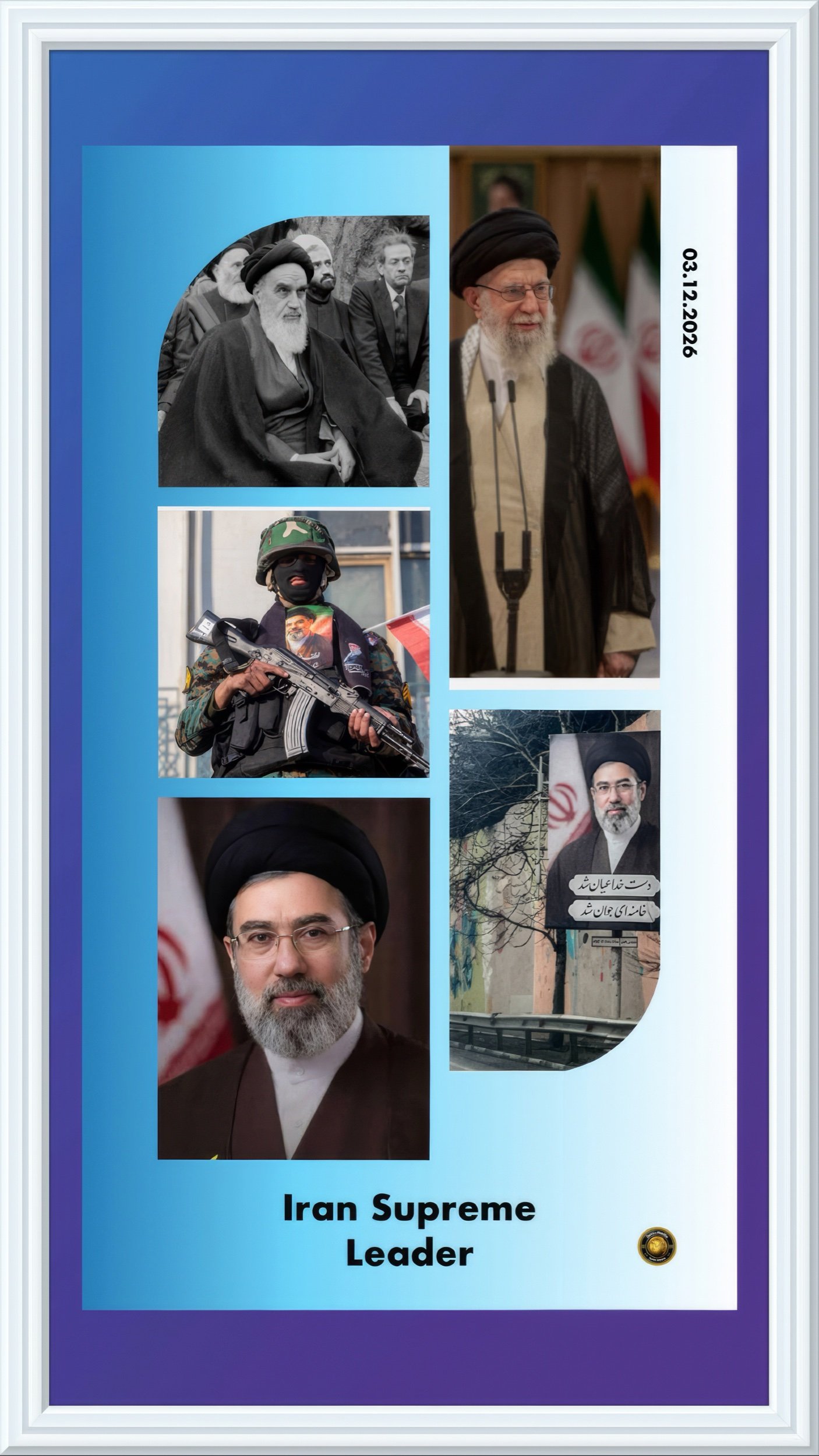
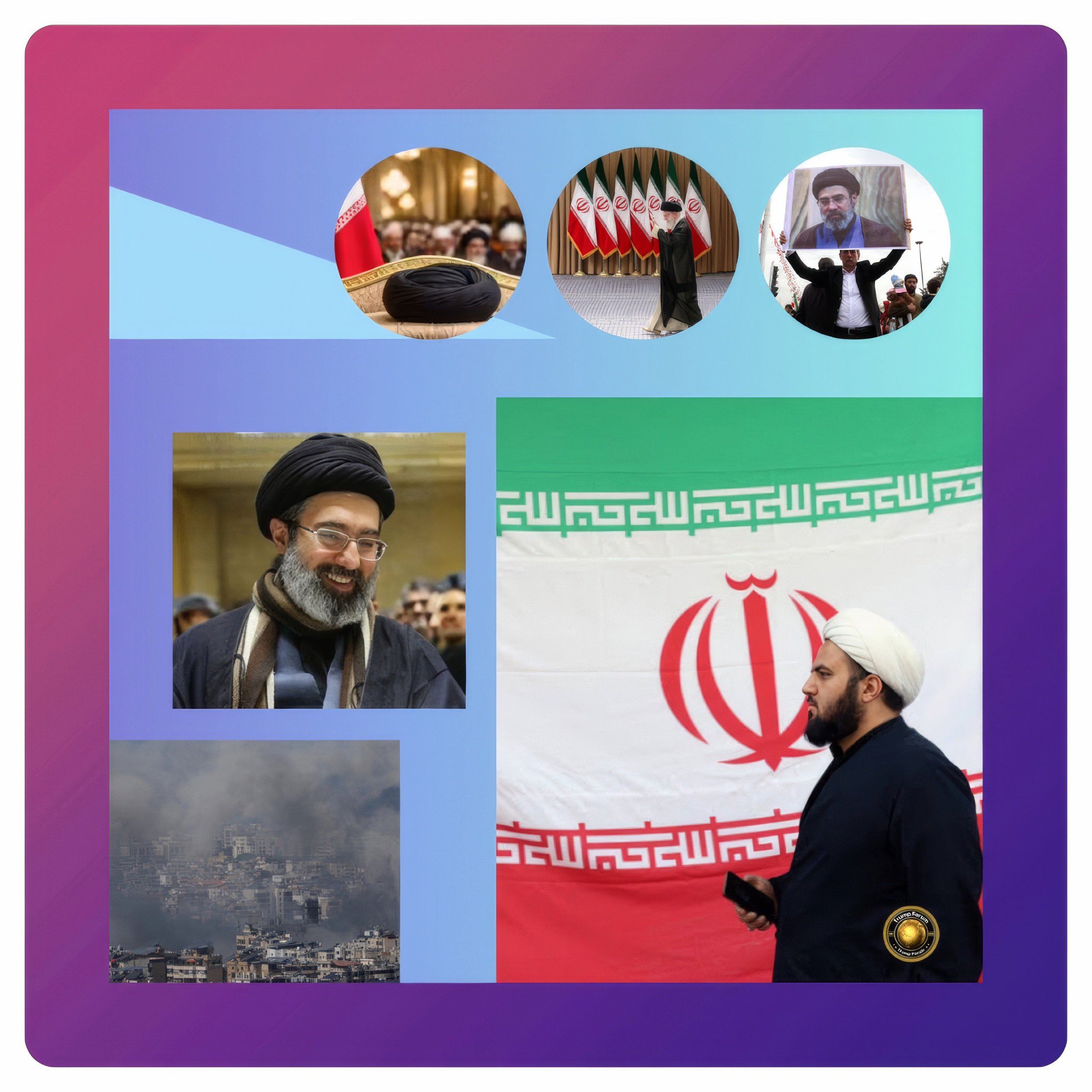
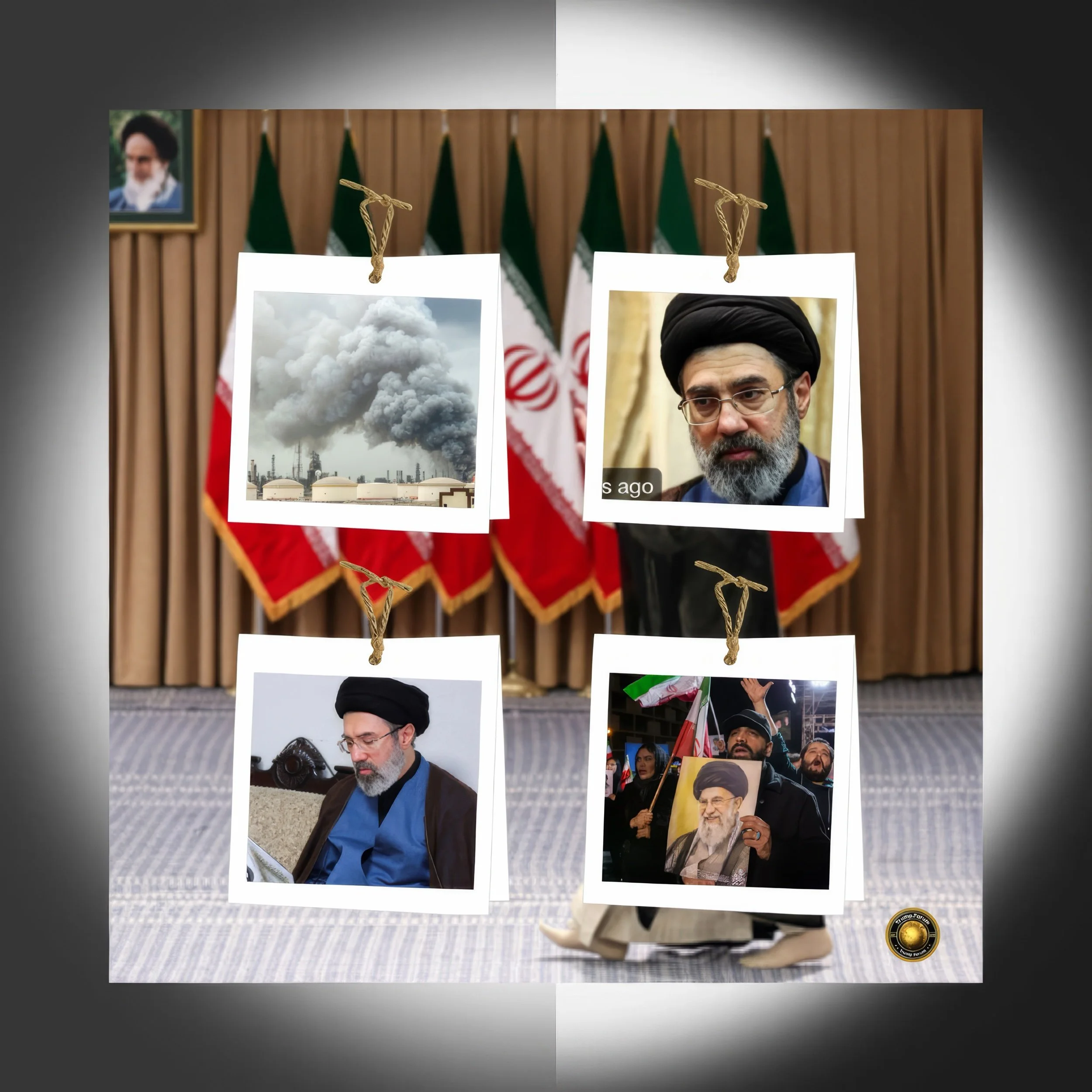
Iran has entered a new political period after Mojtaba Khamenei became the country’s new supreme leader.
He is the son of the previous leader, Ayatollah Ali Khamenei, who died during wartime airstrikes.
This leadership change is very important because the Islamic Republic of Iran was originally created to reject hereditary rule.
Many Iranians now see the appointment as a sign that the political system is tired and struggling to renew itself.
Mojtaba has been influential for many years, but mostly behind the scenes.
His rise shows how power in Iran often moves through networks of security forces, clerics, and political elites.
The coming years will show whether this leadership change strengthens the government or increases pressure for political reform.
Introduction
Iran is one of the most complex political systems in the world. It combines elections with strong religious authority.
At the top of this system is the supreme leader, the most powerful political figure in the country.
When Ayatollah Ali Khamenei died, Iran needed a new leader quickly.
The government announced that his son Mojtaba Khamenei would take the position. This surprised many people because the Islamic Republic was created to oppose family rule like the monarchy that existed before 1979.
Understanding why Mojtaba became leader helps explain the current political situation in Iran.
History and Current Situation
Before 1979, Iran was ruled by a king known as the Shah. Many people protested his government because they believed it was authoritarian and too close to Western powers.
The revolution of 1979 replaced the monarchy with a new political system led by religious scholars. Ayatollah Ruhollah Khomeini became the first supreme leader.
After Khomeini died in 1989, Ali Khamenei became the second leader.
He stayed in power for decades and built strong connections with the military and political institutions of Iran.
During this time, his son Mojtaba slowly gained influence.
Key Developments
Mojtaba Khamenei never held a major public office. Instead, he worked quietly within the political system.
Many insiders said he helped coordinate relationships between the supreme leader’s office and security organizations.
During the protests of 2009, which followed a disputed presidential election, Mojtaba was widely believed to support the government crackdown on demonstrations.
These events made him controversial among many Iranian citizens.
Latest Facts and Concerns
Many people worry about the appearance of hereditary leadership. The revolution promised that Iran would never again become a monarchy.
Now critics say the appointment of the leader’s son looks similar to a dynasty.
At the same time, the government believes continuity is necessary during wartime and political tension.
Cause and Effect
Several factors explain Mojtaba’s rise.
First, the political system values loyalty and stability. Mojtaba had long relationships with powerful institutions such as the Revolutionary Guard.
Second, Iran faced a leadership crisis after the death of the previous leader.
Choosing someone already trusted by the political establishment made the transition faster.
However, this decision could increase political frustration among citizens who want reforms.
Future Steps
The new leader must deal with several challenges.
Iran’s economy faces inflation and sanctions. Young people want more opportunities and greater political participation.
At the same time, Iran must manage complex international tensions in the Middle East.
How Mojtaba Khamenei handles these issues will shape the future of the country.
Conclusion
The appointment of Mojtaba Khamenei represents a turning point for Iran.
It shows how the political system values stability but also reveals deeper tensions inside the state.
For many citizens, the change raises questions about the original ideals of the revolution.
For the government, it is a chance to maintain continuity during uncertain times.
The future of Iran will depend on whether the new leadership can adapt to the demands of a changing society while preserving the structure of the Islamic Republic.