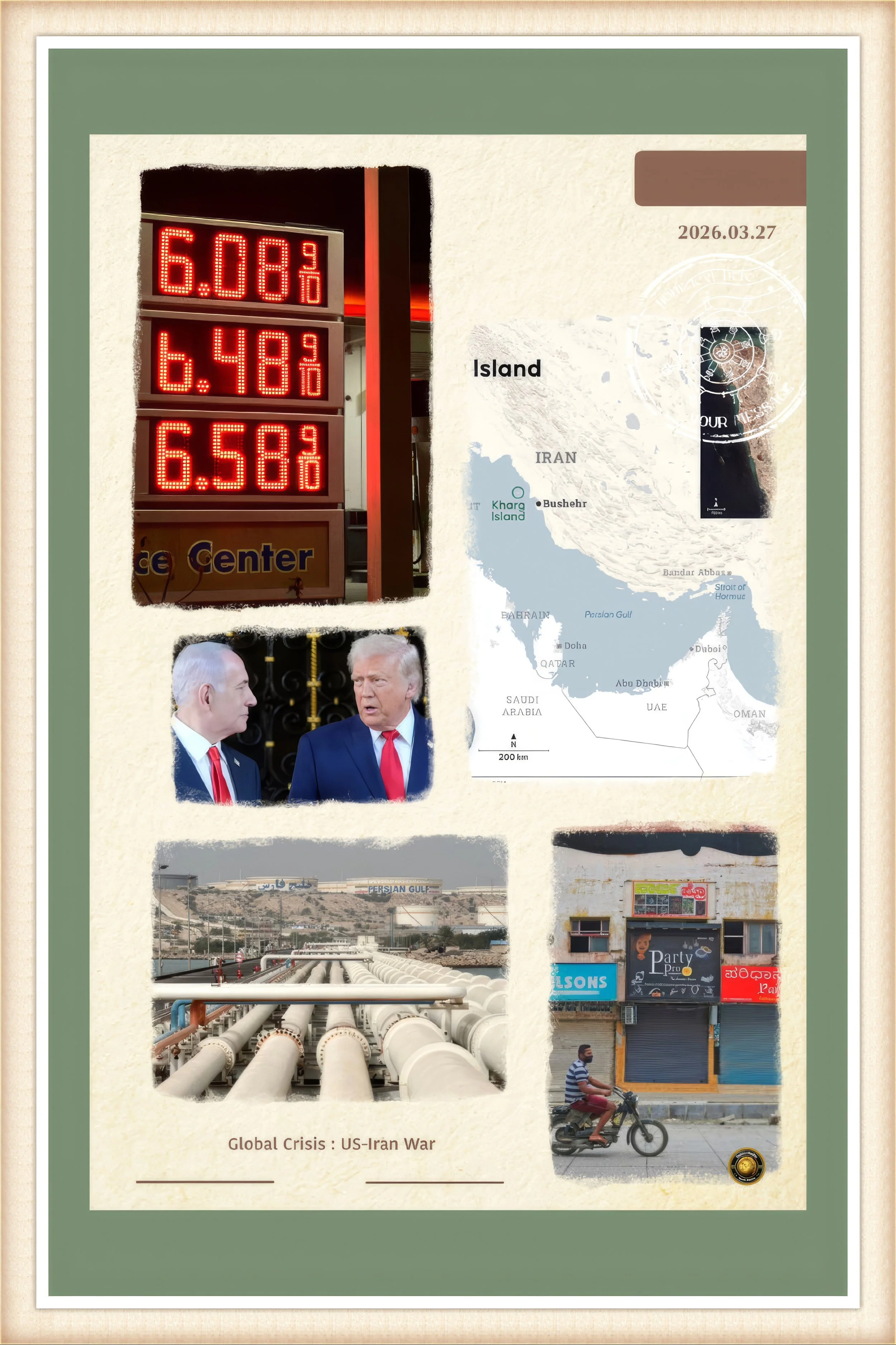
Why the World Is Running Short of Energy — and What It Means for You- Beginners 101 Guide for Chocking Global Economy
Executive Summary
Right now, in early 2026, the world is facing its worst energy emergency in modern history.
The reason comes down to one narrow stretch of water in the Middle East called the Strait of Hormuz — a passageway so important that, when it was blocked, the price of oil shot past $100 per barrel and children in countries like Pakistan and Laos were sent home from school to save fuel.
FAF article explains, in plain language, what happened, why it matters, and what comes next.
What Is the Strait of Hormuz and Why Does It Matter?
Imagine a single door that controls the flow of energy into most of the world.
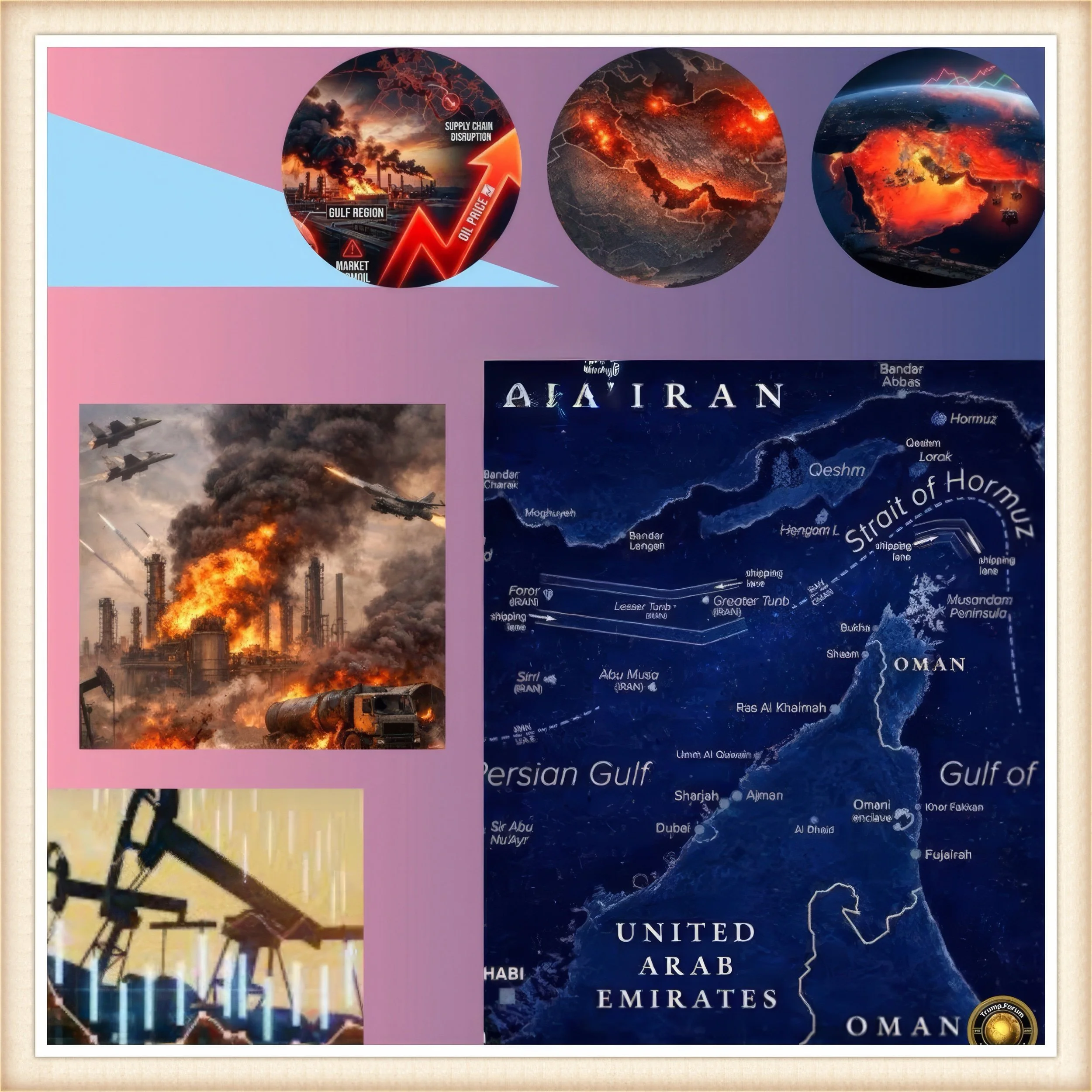
That is essentially what the Strait of Hormuz is. It is a narrow sea passage — roughly 33 kilometers wide at its narrowest — between Iran and the Arabian Peninsula.
Every single day, about 20 million barrels of oil and enormous quantities of natural gas travel through this passage by ship. That is approximately one in every five barrels of oil consumed globally. Take it away, and the world runs short very quickly.
Think of it this way: if you remove one of the five water pipes feeding a city, everyone immediately gets less water and must pay more for what remains.
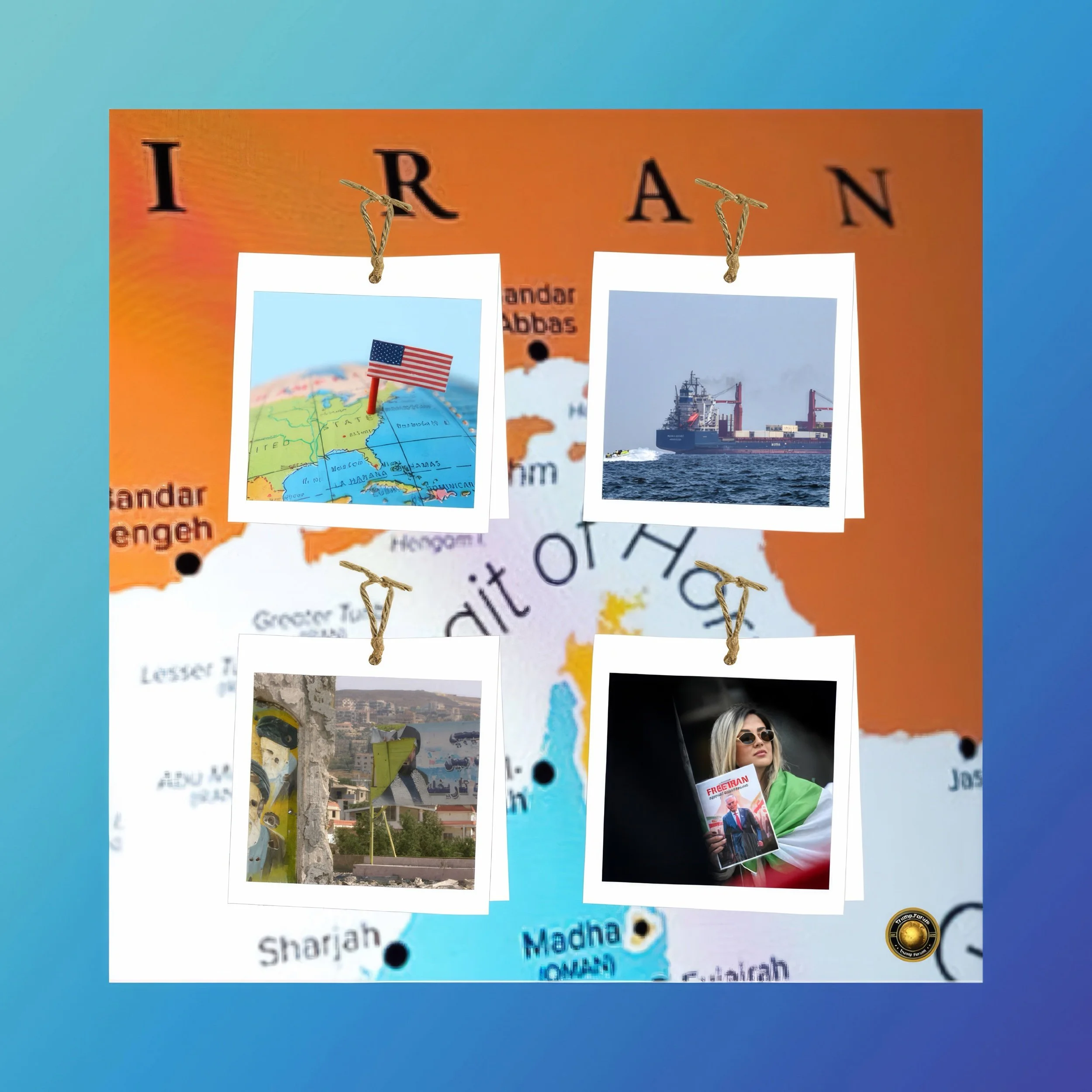
That is exactly what happened to global energy markets in late February 2026 when Iran, after being struck by US and Israeli military forces, ordered the waterway closed.
Shipping companies stopped sending their tankers through. More than 150 vessels dropped anchor just outside the strait, waiting to see if conditions would improve.
They did not. Tanker traffic fell to near zero.
How the Crisis Started?
On February 28th, 2026, the United States and Israel launched coordinated military strikes on Iran.
These strikes were among the most significant military actions in the region in decades, and they included the killing of Iran's supreme leader. Iran's response was immediate and designed to hurt the global economy as much as possible.
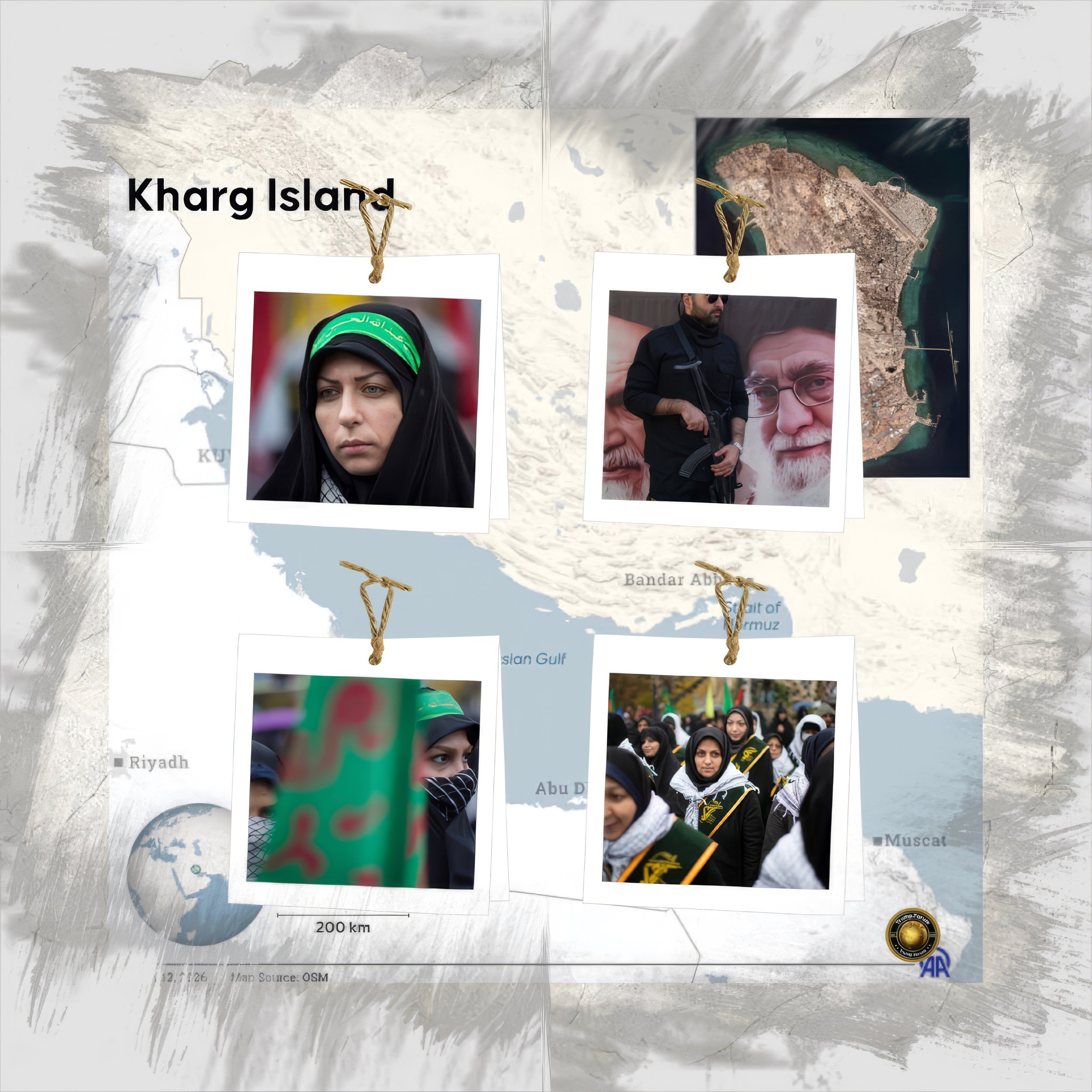
The Islamic Revolutionary Guard Corps — Iran's elite military force — broadcast orders over ship radio channels telling every vessel in the area that the Strait of Hormuz was closed.
They then began attacking ships to enforce this order. By March 12th, 2026, Iran had attacked 21 merchant vessels.
At the same time, Iran fired missiles and drones at energy facilities belonging to its Gulf neighbors. Qatar — which supplies natural gas to dozens of countries — saw its giant LNG export hub at Ras Laffan struck multiple times.
Qatar had to stop exporting gas and declared force majeure, a legal term that means something so extraordinary has happened that a business cannot be expected to fulfill its contracts.
Repair work at these facilities could take 3 to 5 years. Saudi Arabia's oil infrastructure was also threatened.
What Happened to Energy Prices?
The answer is: they went up very fast, very far. Brent crude oil — the main global benchmark — shot up to $114 per barrel in the earliest days of the crisis. At the time of writing, it is trading near $100 per barrel.
Financial analysts at Rystad Energy have warned that if the crisis continues for four more months, oil could reach $135 per barrel. Prediction of FAF is on same lines except prices might jump crossing $150 per barrel.
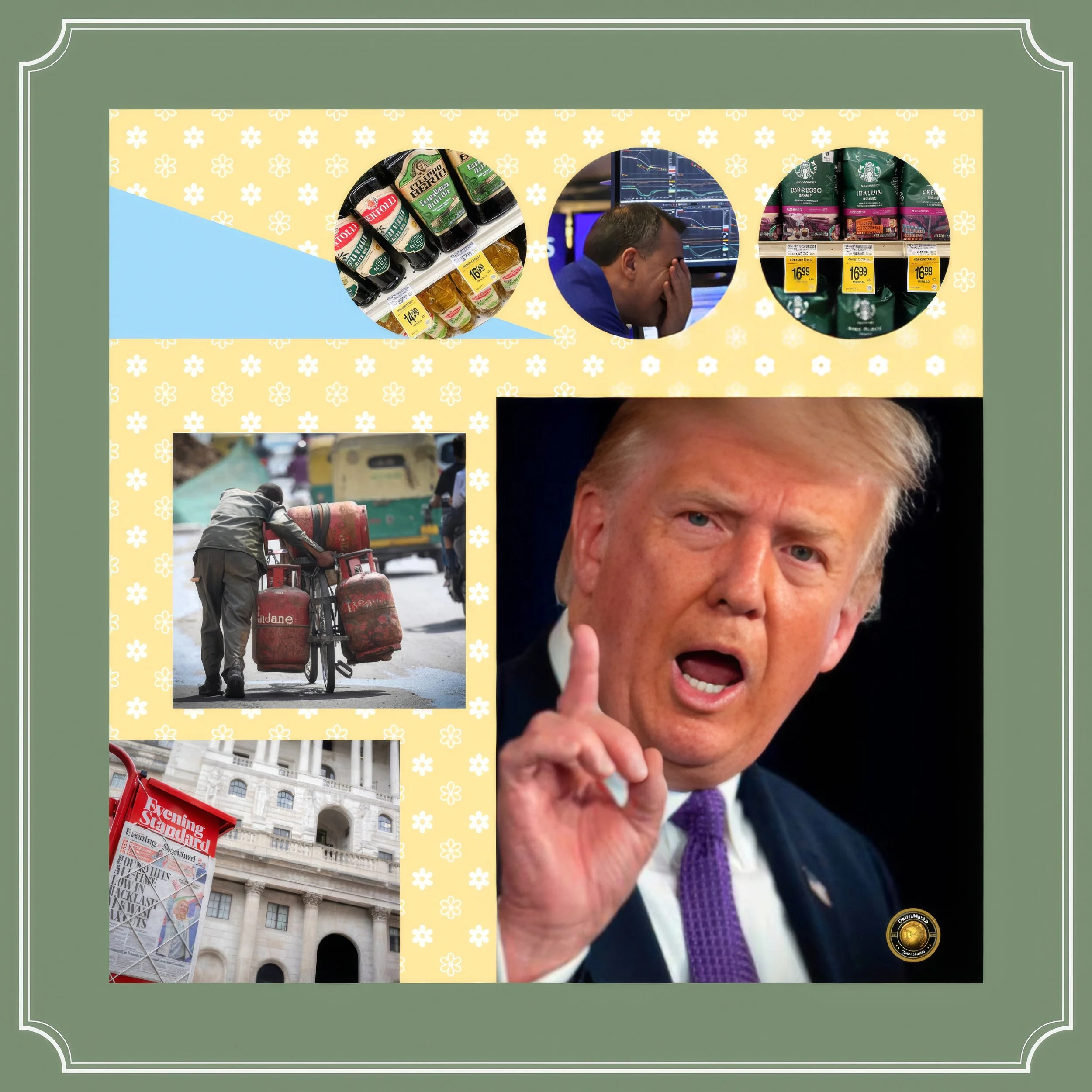
To put this in everyday terms: when oil gets more expensive, so does everything that uses oil. Petrol at the pump gets more expensive. Food gets pricier because trucks use diesel to deliver it.
Electricity bills rise because many power plants burn gas. Fertilizer costs go up because it is made from natural gas, meaning farmers spend more and food prices climb further.
The people who feel this most sharply are those who spend the highest fraction of their income on basic necessities — which means poorer households and poorer countries suffer first and most severely.
How the Crisis Hurt Ordinary People Around the World
In Pakistan, Prime Minister Shehbaz Sharif addressed the nation on television and announced emergency austerity measures. Schools across the country closed for 2 weeks starting March 16th.
Universities moved their classes online to save electricity on campuses and reduce fuel used for transportation. Half of all public-sector employees were ordered to work from home. Government offices shifted to a four-day working week.
In a country where tens of millions of children rely on school as their primary daily structure, this disruption is not a minor inconvenience — it is a direct harm to education, nutrition, and social development.
In Laos, a small, landlocked nation in Southeast Asia, the government announced on March 19th, 2026, that schools would reduce from five days to three days per week — for all public and private schools, at every level.
The reason was simple and sad: families could no longer afford the fuel to send their children to school every day.
The government extended the academic calendar to try to make sure children still learned the full curriculum, but acknowledged that many schools lack the digital infrastructure needed to shift to online learning.
In Germany, petrol at the pump has climbed above $2.32 per liter, sparking public protests. Energy-intensive factories are struggling to stay open.
European governments are spending billions to subsidize energy costs and prevent the worst of the economic damage from reaching households — but this spending itself strains national budgets that are already tight after years of crisis.
Who Is Winning and Who Is Losing?
Not everyone suffers equally from an energy crisis. Some countries are in a stronger position than others — and a few are actually benefiting.
China, despite being the world's largest oil importer, is in better shape than most.
Over the past decade, China has built one of the largest strategic oil stockpiles in the world, massively expanded its renewable energy capacity, and shifted millions of its drivers from petrol-powered cars to electric vehicles.
This means that even when global oil prices spike, China is less exposed than it used to be.
On top of this, Iran has been selectively allowing Chinese-flagged ships to pass through the Strait of Hormuz while blocking Western-affiliated vessels.
This gives China access to discounted oil at a time when Western buyers cannot get any at all. Energy expert Jason Bordoff noted that, contrary to what most people might expect, the Iran war could actually strengthen China's long-term energy position.
India is in a more complicated spot. Like China, Indian-flagged ships are being allowed through the strait.
But India still imports approximately 85% of its oil, and higher global prices are straining its economy, widening its trade deficit, and putting pressure on its currency.
Russia, which is not involved in the conflict but sells enormous quantities of oil, benefits financially from every increase in the global oil price. Higher prices partially offset the impact of Western sanctions imposed after its invasion of Ukraine.
For Europe and the Global South — particularly energy-import-dependent nations in Africa, South Asia, and Southeast Asia — the crisis is simply painful, with no clear offsetting benefit.
What Happens Next?
The international community has already made emergency moves to try to reduce the pain. On March 11, 2026, the IEA announced the largest release of emergency oil reserves in its history — 400 million barrels from member countries' strategic stockpiles, including 172 million barrels from the US.
This is roughly twice as large as the reserve release that followed Russia's invasion of Ukraine. Analysts estimated it could compensate for approximately 20 to 45 days of Hormuz closure.
But if the conflict runs longer — and most analysts expect it to — even this enormous release will not be enough to fully stabilize prices.
The deeper question is not about the next few weeks but about the next few decades.
This crisis has demonstrated, more vividly than any expert report or policy paper ever could, that the world's dependence on oil and gas flowing through a single narrow strait is a catastrophic vulnerability.
The countries that take this lesson seriously — and invest in domestic renewable energy, energy storage, and diversified supply — will be more secure in future crises.
Countries that simply return to the same patterns once the war ends will face the same nightmare again, probably sooner than they expect.
The IEA's Fatih Birol, whose agency was founded specifically to handle crises like this one, has warned that even after the conflict ends, markets will not quickly return to normal. Infrastructure that took decades to build has been damaged.
Supply chains that were finely calibrated have been disrupted. Trust in the reliability of Middle Eastern energy exports — already fragile — has been further eroded.
The energy world of 2030 will look different from the energy world of 2025, and the 2026 Hormuz crisis will be a central reason why.