Summary
Modern war is changing faster than ever before. The Pentagon, which is the headquarters of the United States military, has realized that the old way of fighting wars is no longer enough.
After operations like Epic Fury, military leaders understood that they were facing a new kind of battlefield.
This battlefield is not only about soldiers and weapons, but also about data, software, and machines that can think and act.
In the past, wars were fought using large and expensive systems.
These included fighter jets, aircraft carriers, tanks, and missiles.
These systems are still important today, but they are no longer enough on their own.
New technologies, especially drones and artificial intelligence, are changing everything.
For example, in recent conflicts around the world, small drones have been used to attack expensive military equipment.
A drone that costs a few thousand dollars can damage or destroy equipment worth millions.
This shocked military planners. It showed that even powerful armies can be challenged by smaller and cheaper technologies.
Because of this, the Pentagon started to change its strategy. It began to speed up new programs that focus on smart systems.
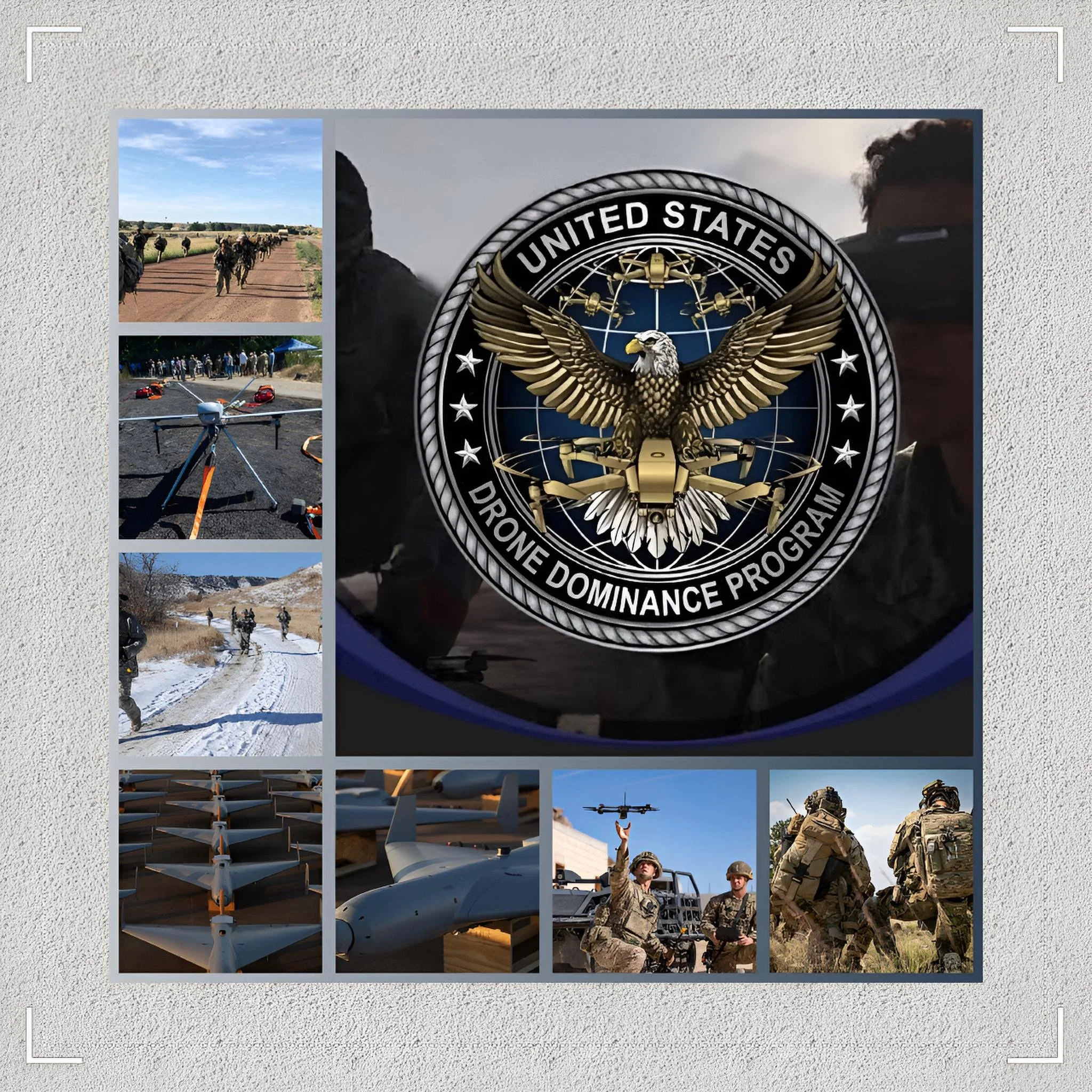
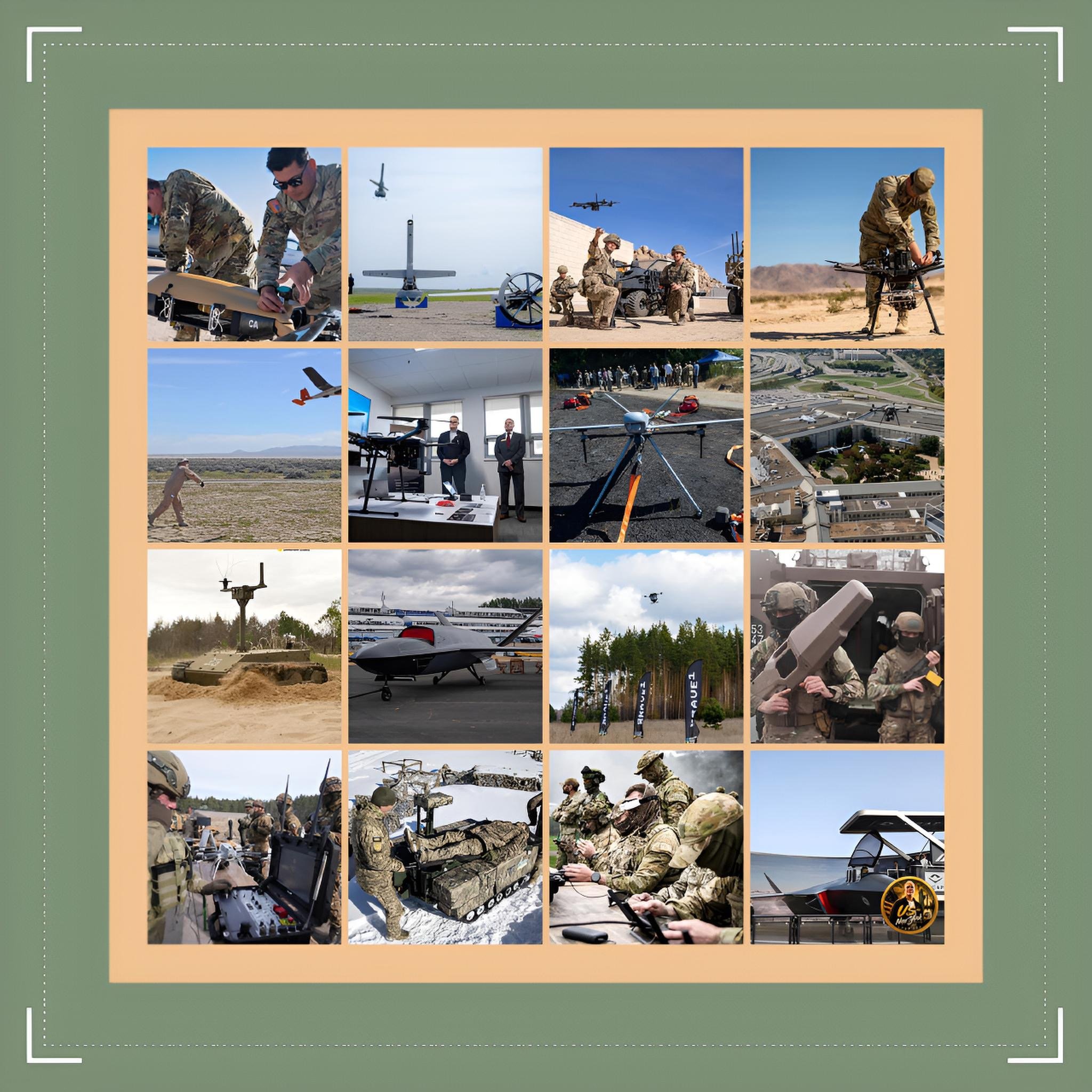
One of these programs is called Drone Dominance. The idea is simple: instead of relying only on a few powerful machines, the military will use many smaller machines working together.
Imagine a swarm of drones flying together. If one drone is destroyed, the others continue the mission.
This makes the system stronger and more flexible. It is very different from older systems where losing one aircraft or one ship could have a big impact.
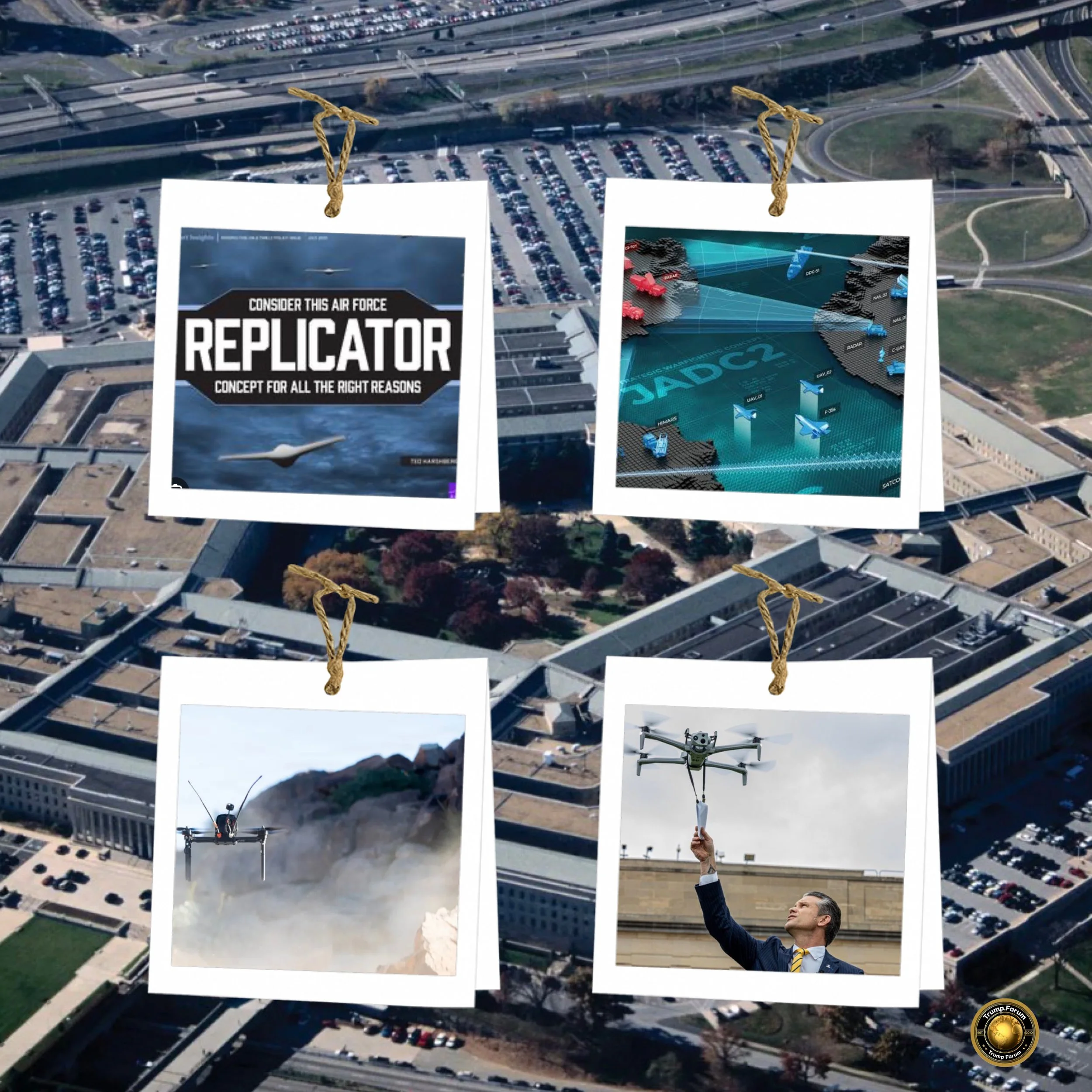
Another important program is called Replicator. The goal of this program is to produce thousands of small autonomous systems quickly.
These systems can include drones, robotic vehicles, and sensors. They are designed to be cheap, easy to replace, and able to work together.
For example, instead of sending one expensive aircraft into a dangerous area, the military can send hundreds of small drones.
These drones can gather information, track targets, and even carry out attacks. This reduces risk and increases efficiency.
The Pentagon is also working on improving how information is shared. In modern war, information is as important as weapons.
Systems must be able to collect data, analyze it, and share it instantly.
This is where companies like Palantir Technologies play a big role. They build software that can analyze large amounts of data very quickly. For example, they can combine satellite images, drone footage, and intelligence reports to create a clear picture of what is happening on the battlefield.
Another important company is Anduril Industries. This company builds autonomous systems such as drones and surveillance towers. These systems can detect threats and respond automatically, without needing constant human control.
Traditional companies like Lockheed Martin are also involved. They have a lot of experience building large systems, but now they are adding new technologies like AI and automation to stay competitive.
However, not all companies are moving at the same speed. Newer companies often move faster because they are used to working with software.
They can update their systems quickly, sometimes in weeks or months. Older companies may take longer because they have more complex processes and systems.
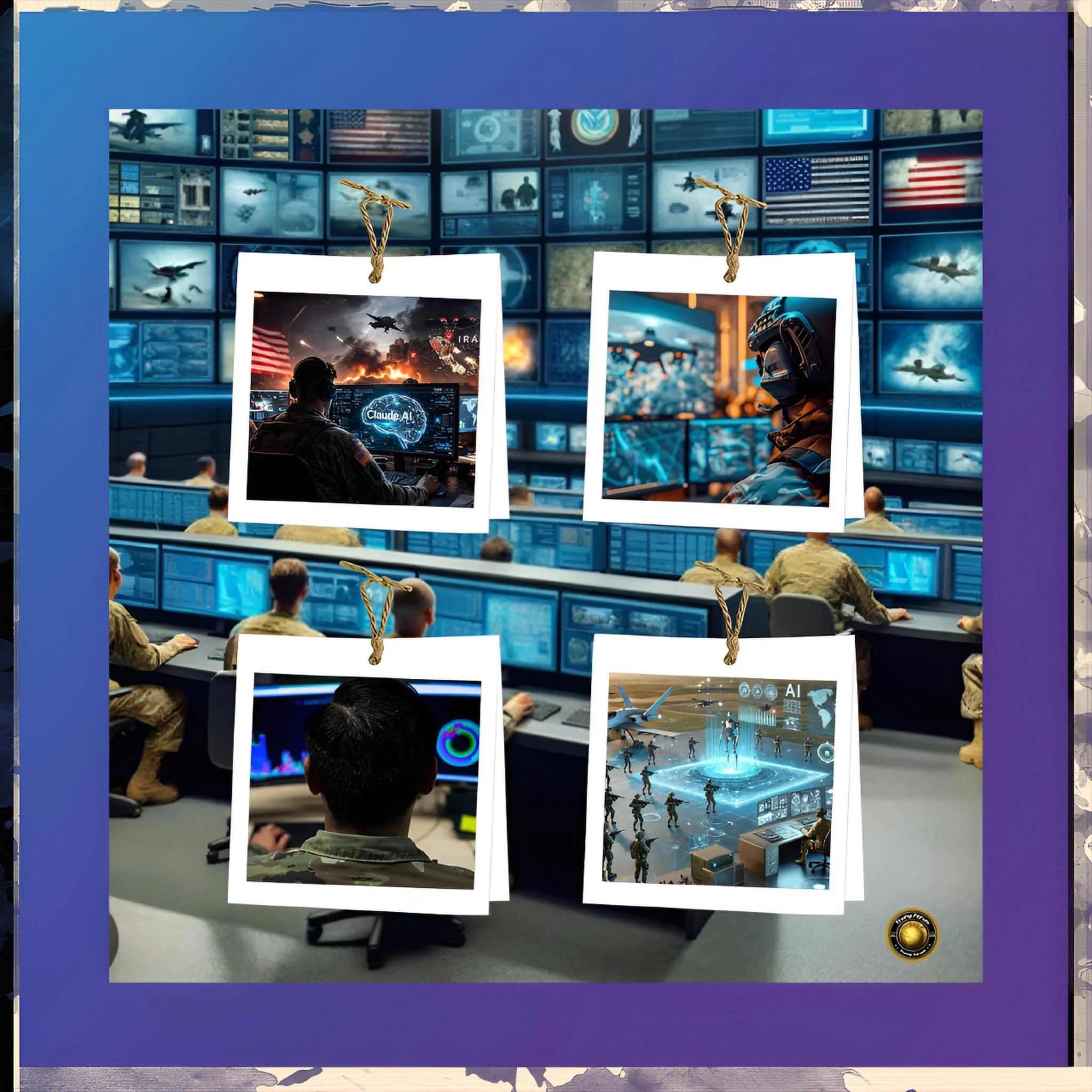
There are many advantages to these new programs. One advantage is speed. AI systems can process information much faster than humans. This helps military leaders make quicker decisions.
Another advantage is flexibility. Small systems can be used in many different ways. For example, a drone can be used for surveillance one day and for delivering supplies the next day.
Cost is also an important factor. While advanced systems can still be expensive, many new technologies are designed to be cheaper. This allows the military to use them in large numbers.
However, these changes also bring new problems. One major concern is the use of artificial intelligence in decision-making. AI systems can make mistakes. If an AI system identifies the wrong target, it could lead to serious consequences.
For example, imagine a drone that is supposed to identify enemy vehicles. If the system makes an error and targets a civilian vehicle instead, it could cause harm to innocent people. This raises serious ethical questions.
Another concern is dependence on private companies. The Pentagon now relies heavily on companies for technology and software. If something goes wrong, or if a company fails to deliver, it could affect military operations.
There is also the problem of integration. Different systems must work together. If they cannot communicate properly, the whole system becomes weaker.
For example, if one drone system cannot share data with another system, it may miss important information. This can lead to delays or mistakes.
Cybersecurity is another major issue. As systems become more connected, they also become more vulnerable to cyberattacks. An enemy could try to hack into these systems and disrupt operations.
For instance, if a group of drones is controlled through a network, a cyberattack could take control of those drones or shut them down completely. This is why the Pentagon is investing in stronger cybersecurity measures.
The Pentagon is also learning from other countries. In recent conflicts, countries have used drones in new and creative ways. These lessons are being studied carefully.
For example, in Eastern Europe, drones have been used for surveillance, targeting, and attacks. These experiences have shown how effective drones can be when used in large numbers and combined with good intelligence.
Looking ahead, the Pentagon has several goals. One goal is to improve how systems work together. This means better communication and coordination between different technologies.
Another goal is to create clear rules for using AI in warfare. These rules are important to prevent mistakes and ensure accountability.
The Pentagon also wants to strengthen its partnerships with companies. This includes working closely with both new and traditional companies to develop better systems.
Training is also important. Soldiers need to learn how to use these new technologies effectively. This requires new training programs and new ways of thinking.
In the future, warfare will likely become even more dependent on technology. Machines will play a larger role, and decisions will be made faster than ever before.
For example, instead of waiting for human analysis, AI systems may provide instant recommendations. Commanders will still make final decisions, but they will rely heavily on machine support.
This does not mean that humans will be removed from the process. Instead, humans and machines will work together. Humans will provide judgment and ethics, while machines will provide speed and data analysis.
In simple terms, war is becoming smarter and faster. It is less about size and more about intelligence and adaptability.
The United States wants to stay ahead in this new environment. By investing in programs like Drone Dominance and Replicator, the Pentagon is trying to prepare for future conflicts.
However, success is not guaranteed. The Pentagon must manage risks carefully. It must ensure that systems are reliable, secure, and used responsibly.
The most important lesson is clear. The nature of war is changing, and those who adapt quickly will have an advantage.
In the end, the future of warfare will depend on how well countries can combine technology, strategy, and human decision-making.
The Pentagon’s current efforts are a major step in that direction, but the journey is still ongoing.