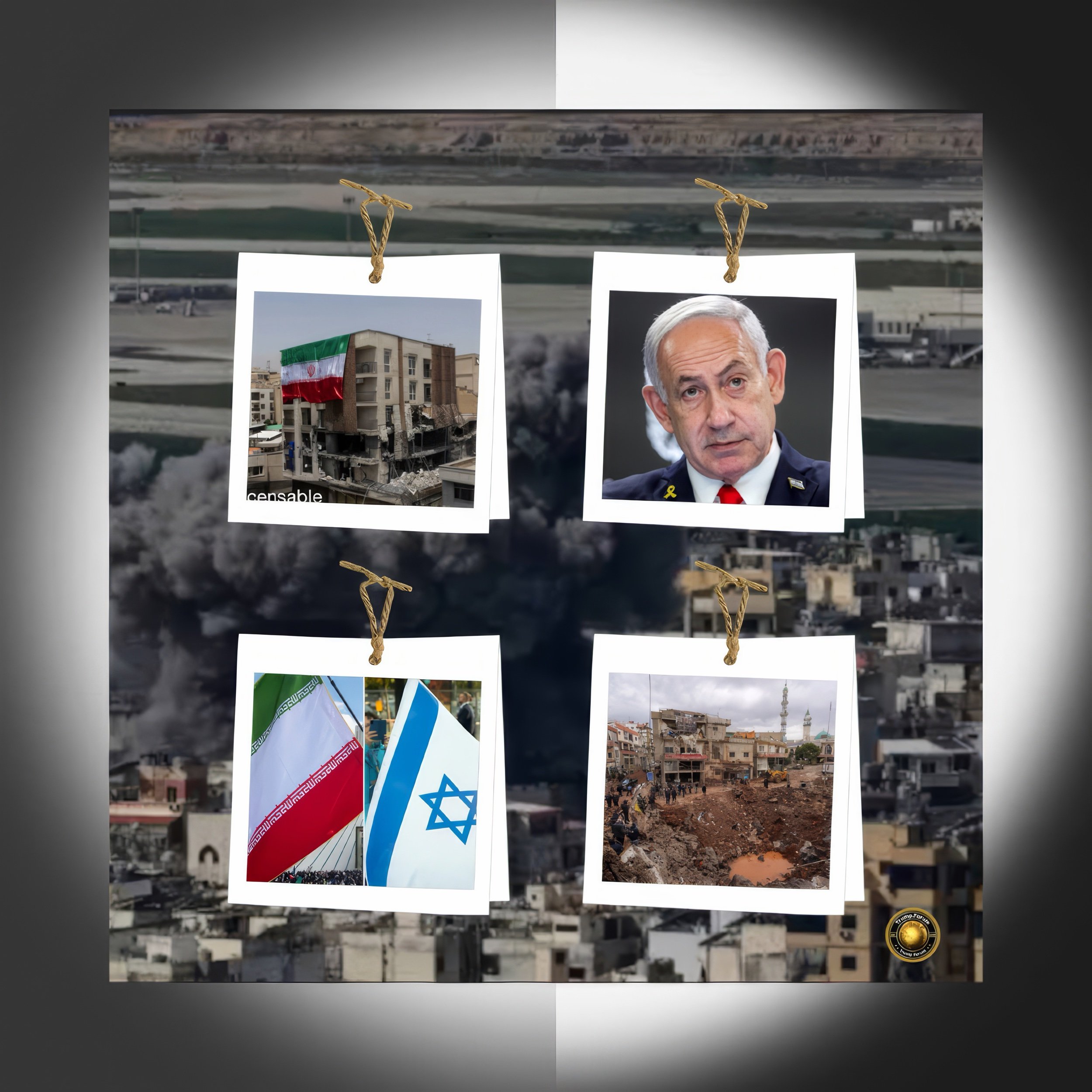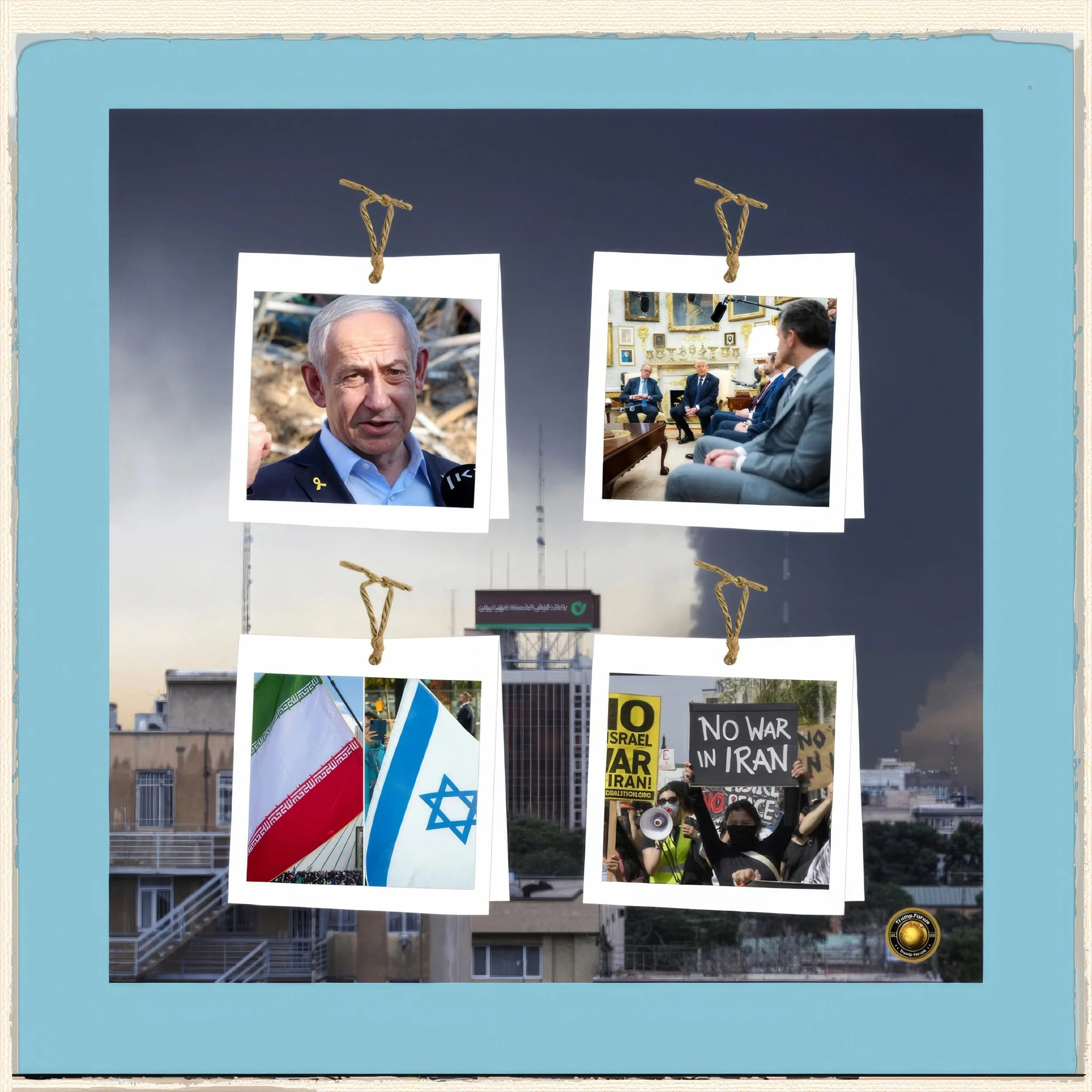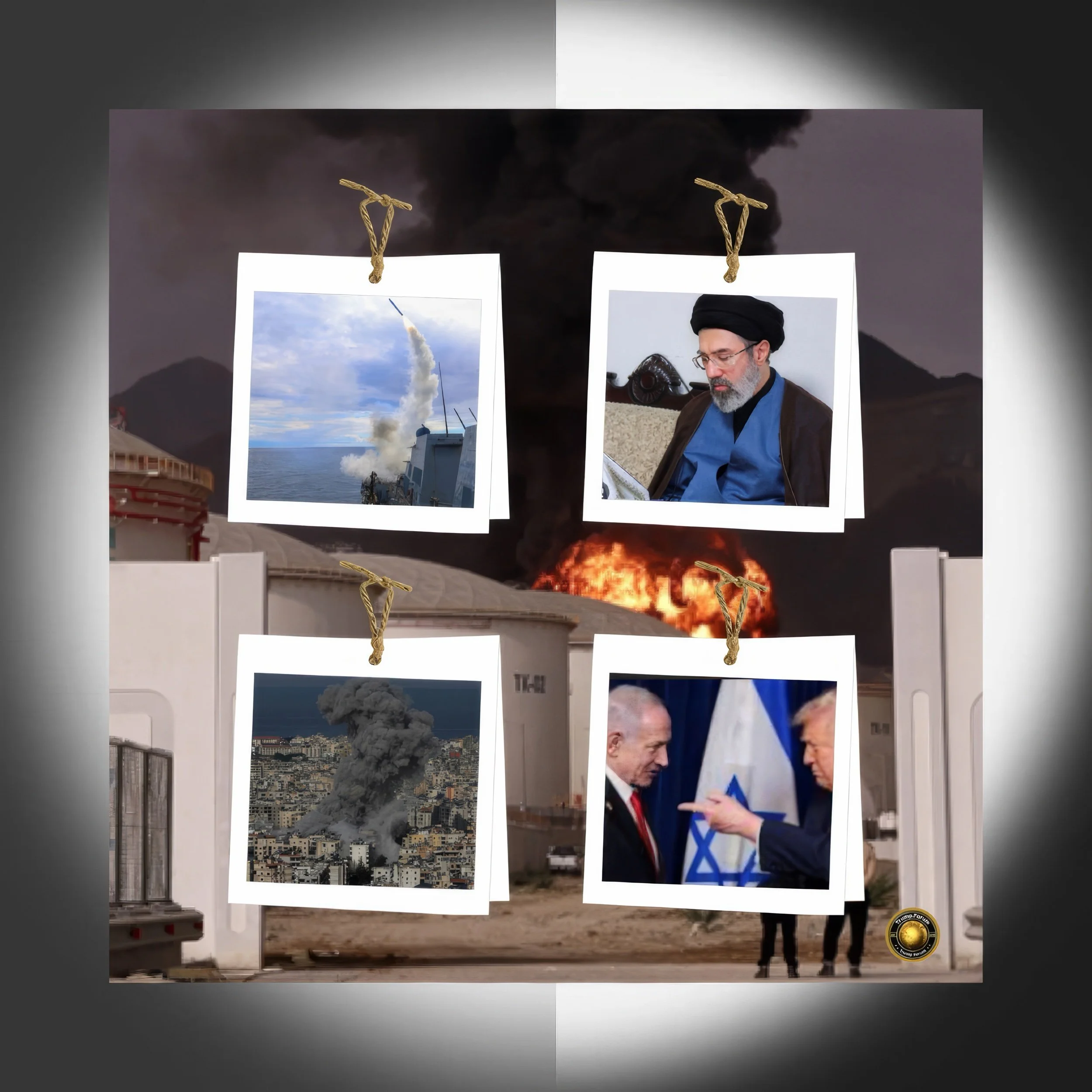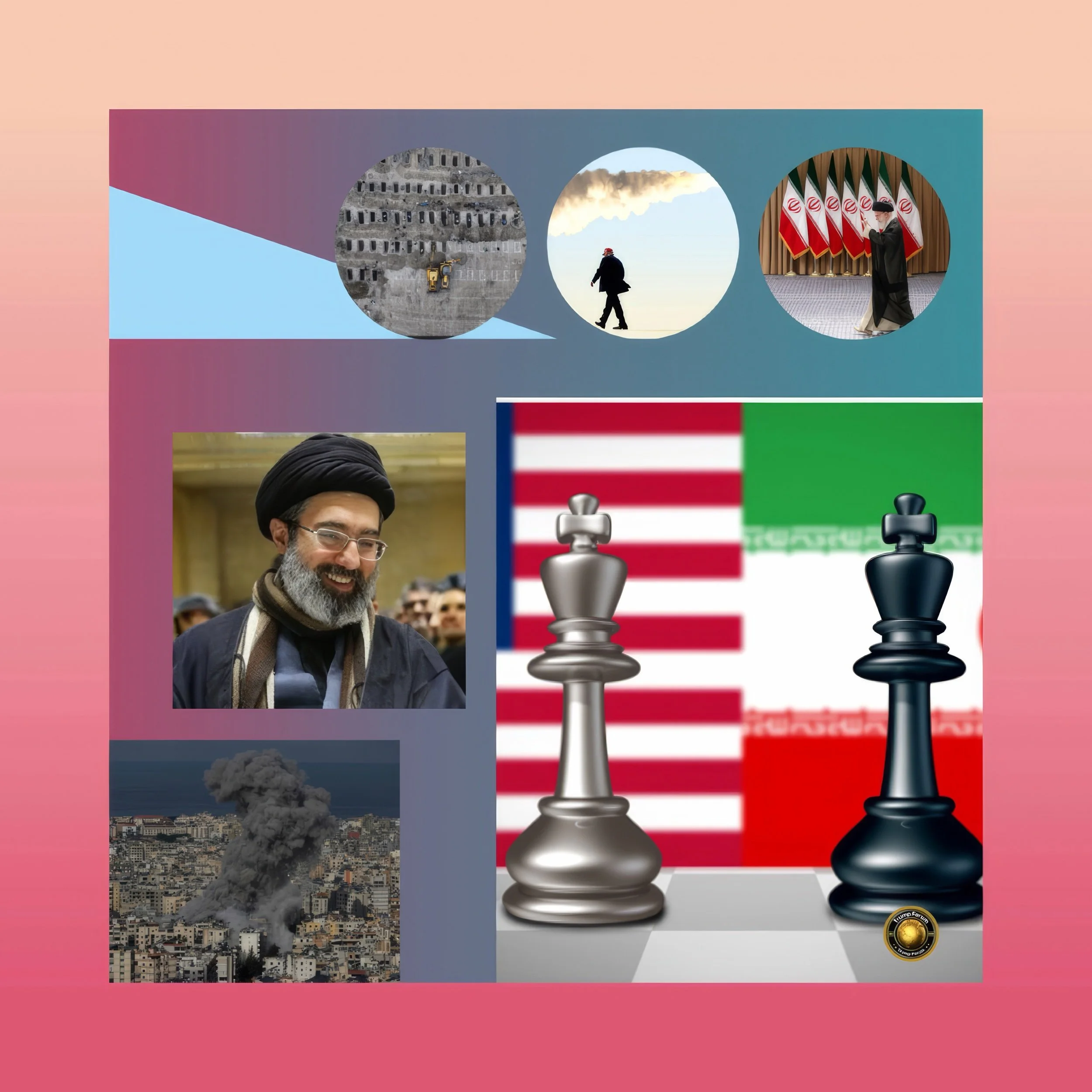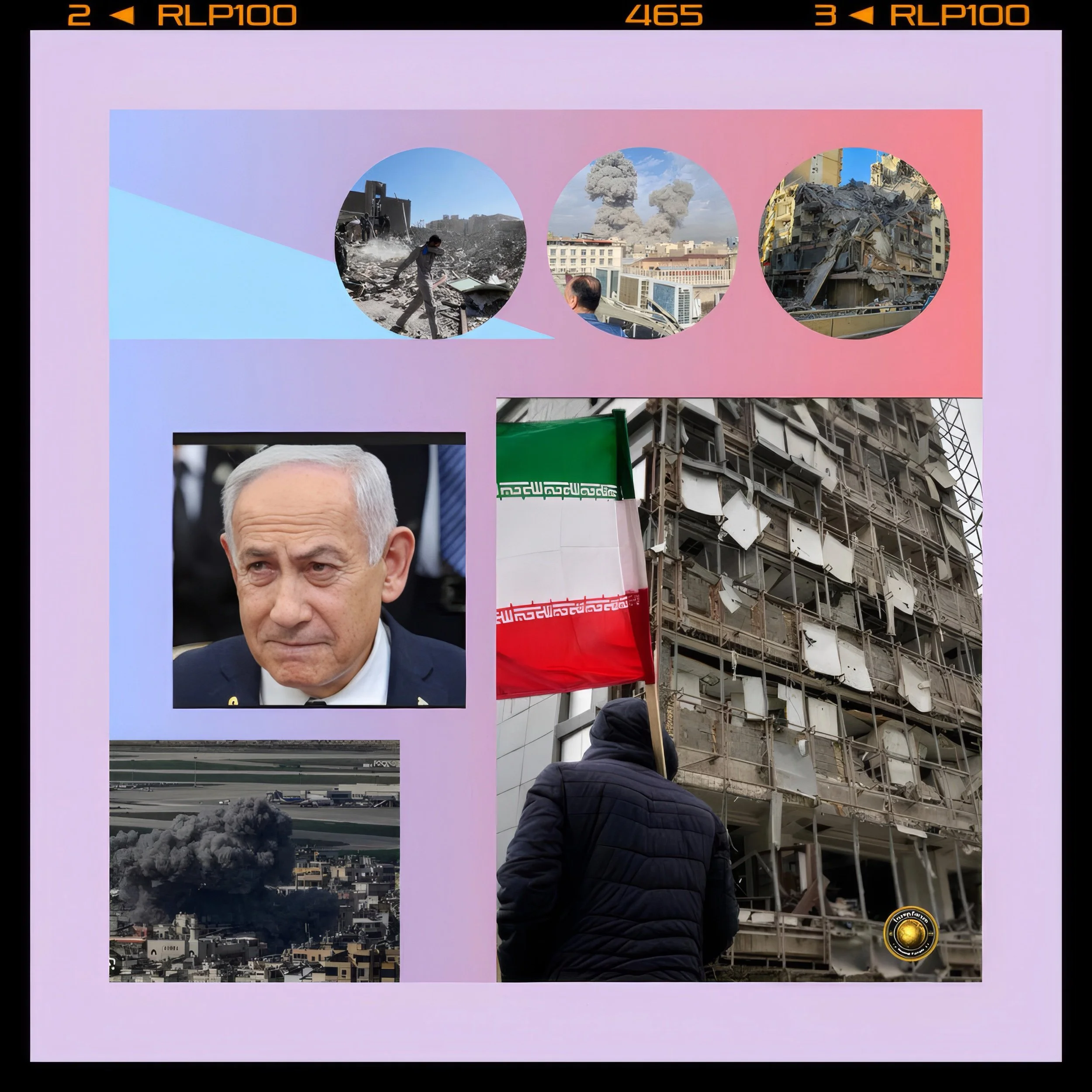
A New Strategic Map Emerges Across Middle East After Escalating Iran Israel Conflict And Gulf Realignment
Executive Summary
Regional Conflict Accelerates Structural Transformation Across Middle Eastern Strategic Landscape
FAF analysis delves deeper into the profound geopolitical transformation now unfolding across the Middle East following the latest cycle of regional conflict involving Iran, Israel, and multiple proxy arenas stretching from Gaza and Lebanon to Iraq, Syria, and the Red Sea.
While earlier wars reshaped borders or alliances temporarily, the current confrontation appears to be producing something more enduring: a reconfiguration of deterrence structures, alliance systems, and military doctrines across the entire region.
The strategic order that emerged after the 1991 Gulf War and evolved after the 2003 invasion of Iraq relied heavily on overwhelming American military primacy combined with fragmented regional rivalries.
That architecture has gradually eroded over the past two decades.
Today’s confrontation reveals a Middle East entering a new strategic phase characterized by distributed power, layered proxy networks, and rising regional autonomy from Washington.
Iran has demonstrated the ability to project influence through a dense network of non-state partners.
Israel has shown unmatched military reach but faces growing strategic overstretch.
Gulf monarchies are increasingly pursuing pragmatic hedging strategies that balance security ties with the United States alongside cautious diplomatic engagement with Tehran.
The consequences extend beyond battlefield dynamics.
Energy markets, shipping routes, domestic politics, technological warfare, and great power competition are all being reshaped. As several leaders acknowledged in recent statements, the region may be approaching a decisive historical pivot.
Israel’s prime minister recently declared that the conflict represents “a defining struggle that will determine regional security for decades.” Iran’s president argued that “resistance networks have fundamentally altered the balance of power.”
Saudi Arabia’s crown prince warned that “continued escalation threatens global economic stability.”
The president of the United States emphasized that “regional war must be prevented while security guarantees remain firm.”
The French president described the crisis as “a dangerous moment for international order,” while China’s leadership urged “collective diplomatic mechanisms to prevent uncontrolled escalation.”
Taken together, these statements illustrate the magnitude of the transformation underway.
Introduction
Middle East Entering New Strategic Era After Regional Confrontation
The Middle East has long been defined by cycles of conflict that reshape its political geography.
Yet the present confrontation differs from previous wars in both scale and structure.
Rather than a single battlefield, the conflict unfolds simultaneously across multiple interconnected arenas.
Gaza has become the immediate focal point of violence, but the strategic shockwaves extend far beyond.
Missile exchanges between Israel and armed groups in Lebanon have intensified. Iranian-backed militias have targeted American bases in Iraq and Syria.
Maritime attacks in the Red Sea have disrupted international shipping routes. Cyber operations and intelligence warfare have become constant features of the confrontation.
This multi-front dynamic reflects a broader transformation in how power is organized across the region.
States increasingly rely on networks of partners, militias, and technological capabilities that blur the line between conventional war and irregular conflict.
The current crisis therefore represents more than another round of violence. It signals the erosion of an old strategic order and the emergence of a more fragmented but also more interconnected regional system.
History and Current Status
Legacy Of Gulf Wars Continues Shaping Regional Strategic Thinking
The modern strategic structure of the Middle East emerged from the aftermath of the 1991 Gulf War.
That conflict demonstrated the overwhelming military superiority of the United States and cemented Washington’s role as the central security guarantor for Gulf monarchies.
The 2003 invasion of Iraq further reshaped the region by removing Saddam Hussein but inadvertently empowering Iran.
Tehran used the political vacuum in Iraq to cultivate deep influence among political parties and armed groups. Over time, similar networks expanded into Syria, Lebanon, and Yemen.
Meanwhile Israel continued to maintain qualitative military superiority while confronting non-state actors such as Hezbollah and Hamas.
The wars in Lebanon during 2006 and Gaza during several subsequent campaigns demonstrated that technological superiority alone could not easily defeat decentralized militant organizations embedded within civilian environments.
The current confrontation builds upon these earlier developments but introduces new dynamics.
Precision missiles, drones, artificial intelligence–driven targeting, and cyber warfare have dramatically increased the lethality and reach of regional actors.
Key Developments
Expanding Networked Warfare Redefines Regional Military And Political Competition
Several developments illustrate the transformation of regional conflict.
First, Iran’s network of allied organizations has demonstrated unprecedented operational coordination.
Armed groups across different countries now share intelligence, technology, and strategic messaging.
This network allows Tehran to apply pressure on Israel and Western forces without direct state confrontation.
Second, Israel has expanded its doctrine of preemptive deterrence. Israeli military operations now increasingly target supply chains, infrastructure networks, and command systems across multiple countries simultaneously.
Third, Gulf states are pursuing strategic diversification.
While maintaining security cooperation with Washington, they are simultaneously expanding diplomatic engagement with Iran and strengthening economic ties with Asian powers.
Fourth, technological warfare has accelerated. Long-range drones costing a fraction of traditional weapons have altered the economics of conflict.
Latest Facts and Concerns
Escalation Risks Rising Amid Expanding Military Confrontations Across Region
By early 2026 the regional environment remains extremely volatile.
Cross-border exchanges between Israel and Hezbollah continue to threaten a wider war in Lebanon.
Maritime disruptions in the Red Sea have forced shipping companies to reroute vessels, increasing global transport costs. Energy markets remain sensitive to potential disruptions in the Strait of Hormuz.
Political leaders across the region increasingly warn that miscalculation could trigger broader confrontation.
Saudi Arabia’s crown prince recently stated that prolonged escalation “risks dragging multiple states into uncontrollable regional war.”
Iran’s leadership has warned that further Israeli strikes on allied forces could provoke “direct retaliation.”
American officials emphasize that protecting navigation routes and preventing regional war remain central objectives.
Cause and Effect Analysis
Strategic Realignments Emerging From Prolonged Cycles Of Regional Conflict
Several cause-and-effect dynamics explain why the present conflict has become so transformative.
The weakening of centralized states across Iraq, Syria, and Lebanon created space for non-state military actors to flourish.
These groups gradually formed interconnected networks capable of projecting influence across borders.
At the same time, technological diffusion allowed smaller actors to acquire capabilities previously monopolized by advanced militaries.
The resulting environment produced a new strategic equation: conventional military superiority remains important but is increasingly constrained by asymmetric networks capable of imposing continuous pressure.
Future Steps
Diplomatic Innovation Required To Prevent Permanent Regional Strategic Fragmentation
The future trajectory of the Middle East will depend on whether diplomatic frameworks can adapt to these new realities.
Traditional peace negotiations focused primarily on bilateral state relationships. The current regional system, however, includes numerous non-state actors and transnational alliances.
Effective diplomacy may therefore require broader regional security frameworks that incorporate multiple actors and address underlying economic and political grievances.
China and European powers have increasingly advocated such multilateral approaches. Washington continues to emphasize deterrence combined with diplomatic engagement.
Conclusion
Emerging Middle Eastern Order Will Differ Fundamentally From Previous Strategic Structures
The latest regional conflict represents a pivotal moment in Middle Eastern history. Iran’s networked influence, Israel’s evolving deterrence strategy, and the Gulf states’ pragmatic hedging are reshaping the strategic landscape.
The emerging regional order will likely be more multipolar, technologically driven, and politically complex than the system that dominated the late 20th century.
FAF analysis delves deeper into this transformation and concludes that the Middle East is entering a new strategic era whose full consequences will unfold over the coming decades.