War in the Middle East: How Bombs, Fires, and Missiles Are Affecting the Air, Sea, and Living Things - Beginner's Guide to the Impact on Ecosystems and Human Life in the US-Israel War on Iran
Executive Summary
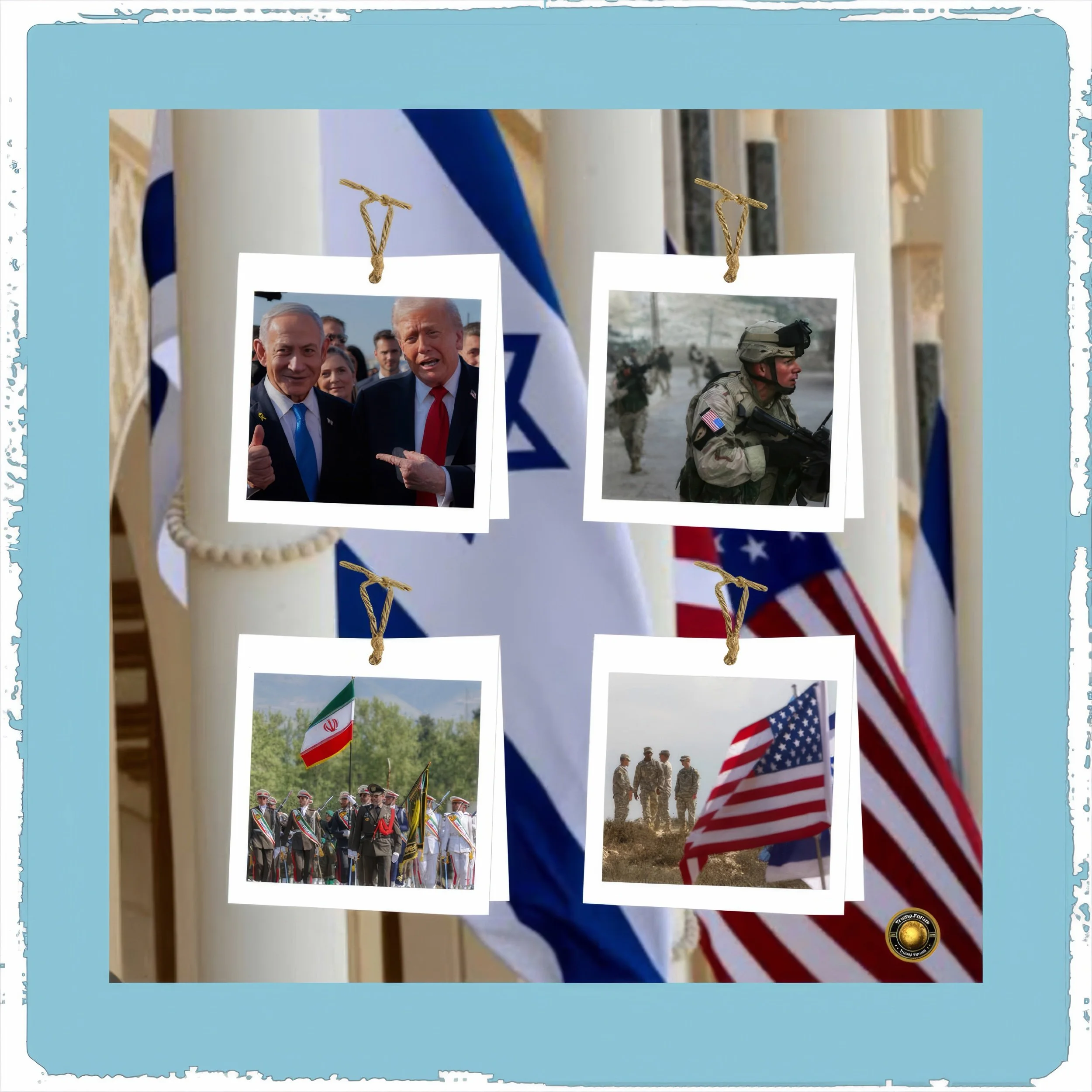
A war between the United States, Israel, and Iran that started in early 2026 is causing serious damage to nature and people's health — not just to soldiers and buildings.
Fires from oil tanks are making the air dangerous to breathe. Strikes near nuclear power plants could release invisible radiation.
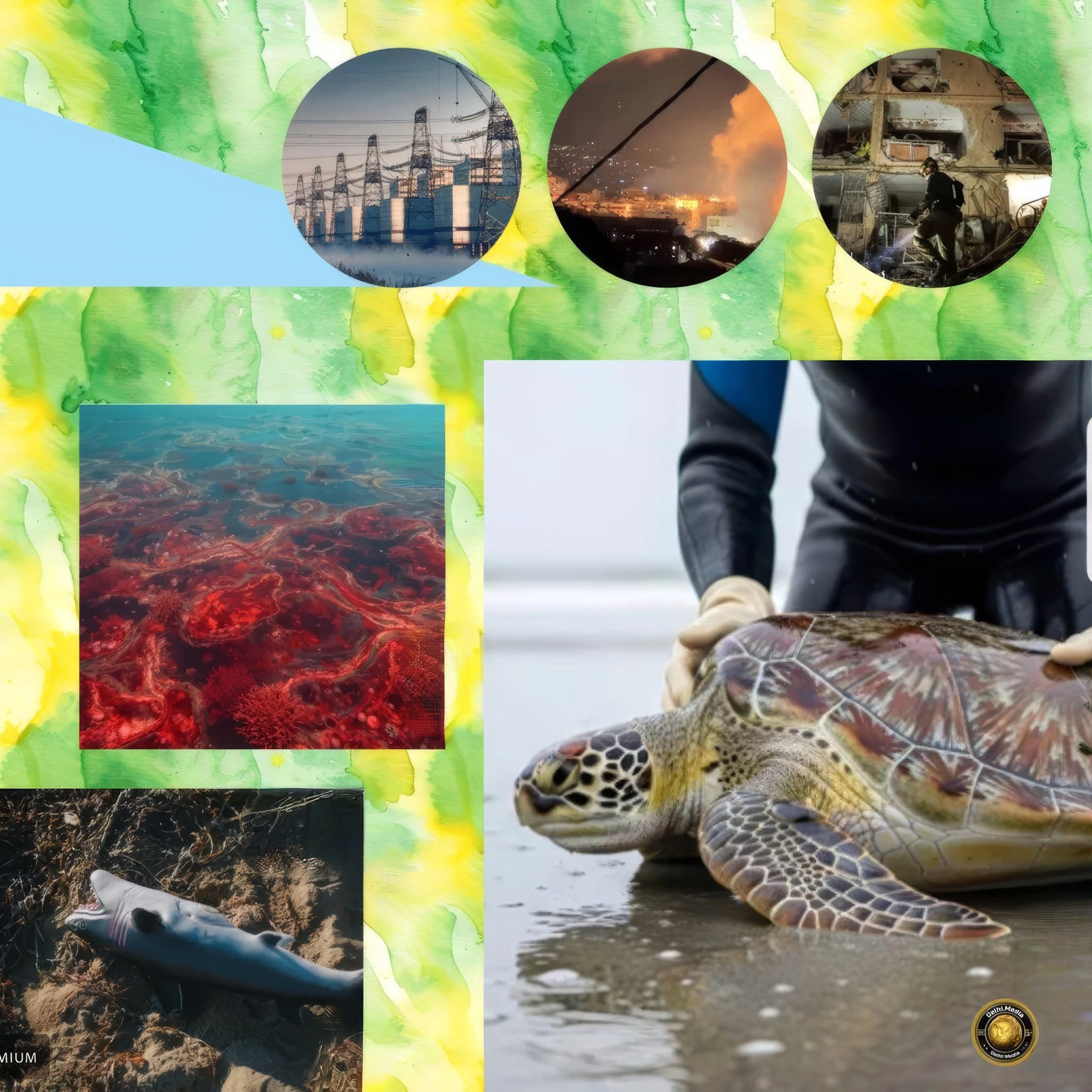
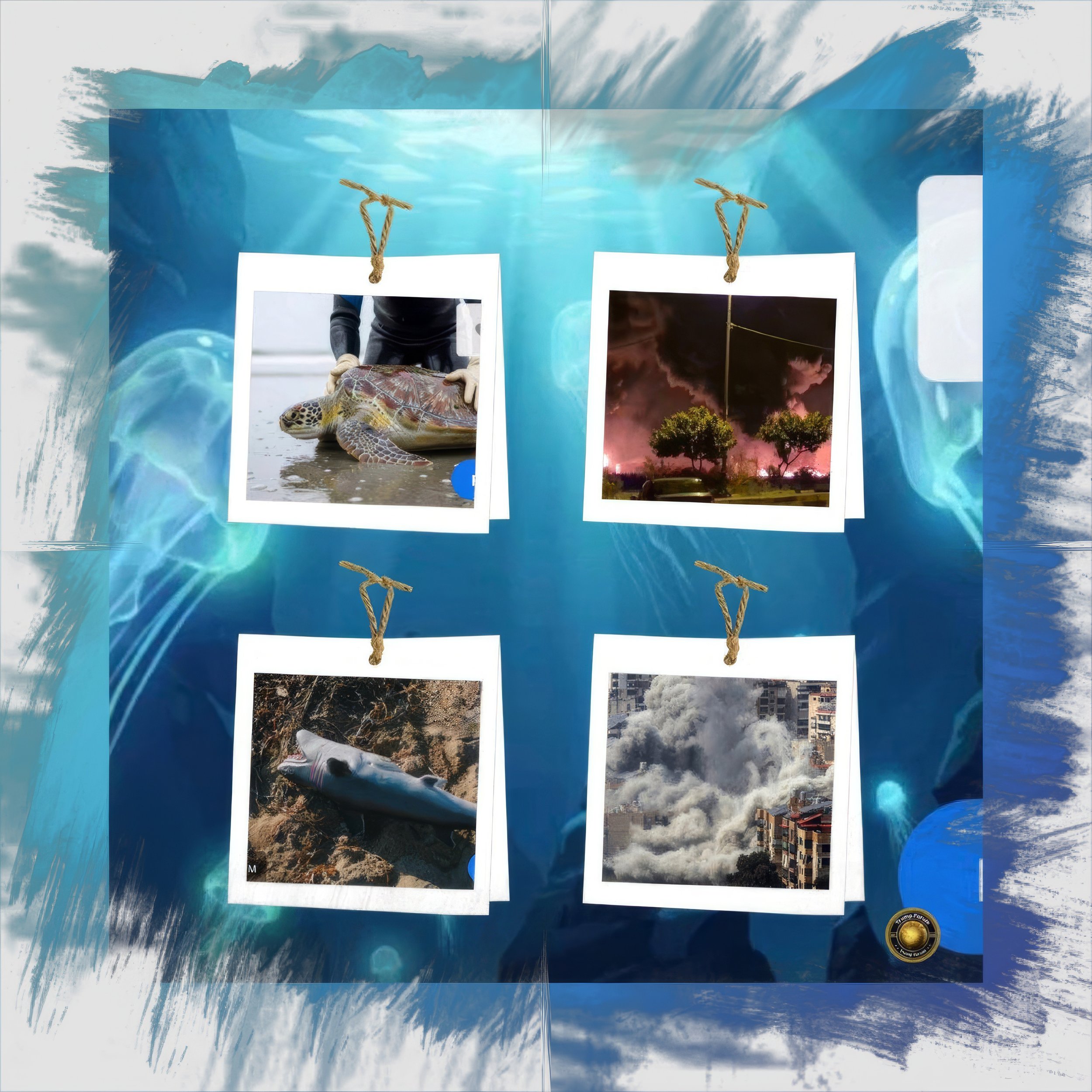
Sea animals like dolphins, turtles, and coral reefs are dying.
And in Lebanon, a chemical called white phosphorus used as a weapon is poisoning the soil and rivers for years to come.
Introduction
A War That Hurts the Earth Too
When we think about war, we usually think about weapons, soldiers, and destroyed cities. But wars also hurt the natural world in ways that last a very long time — sometimes longer than the war itself.
Think of it like this: if someone sets fire to your kitchen to win an argument, the smoke does not just stay in one room. It fills the whole house, poisons the air, and the damage to the walls can last for years even after the fire is out.
This is exactly what is happening in the Middle East right now.
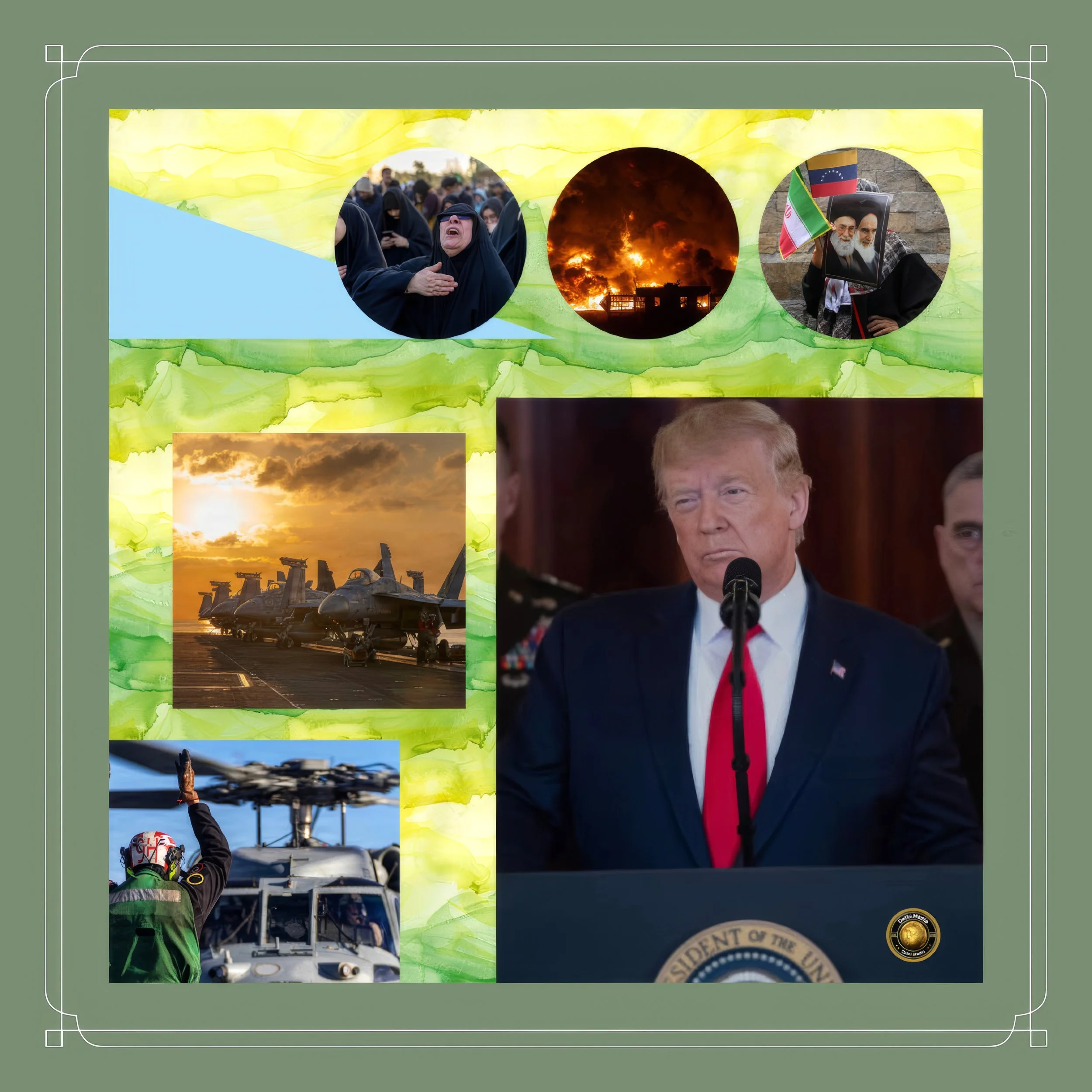
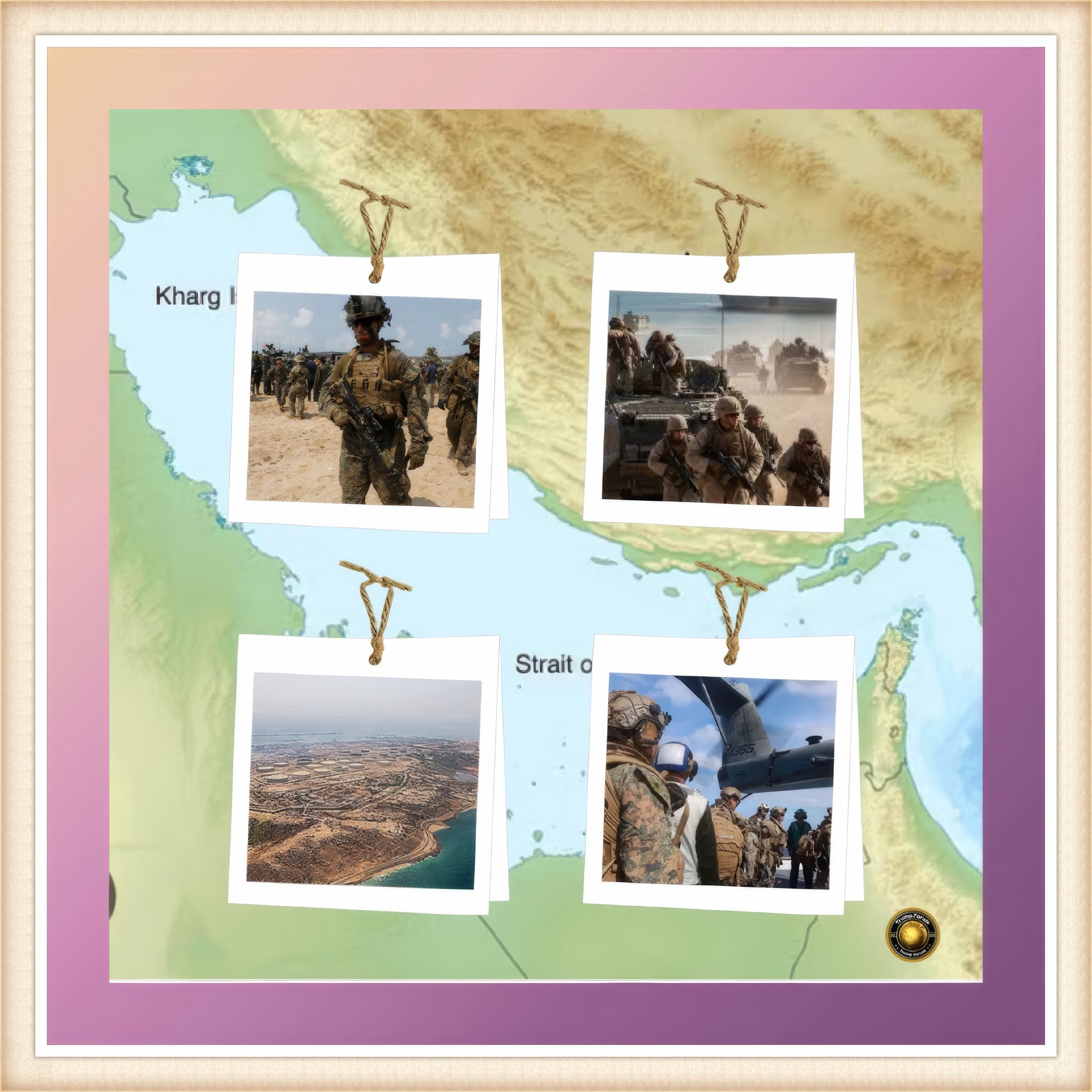
Since February 28th, 2026, the United States and Israel have been carrying out large military strikes on Iran — hitting oil storage tanks, military bases, factories, and sites connected to nuclear energy.
Iran has been hitting back, targeting energy facilities in Saudi Arabia, Qatar, Kuwait, the UAE, and even oil refineries in northern Israel.
All of this fighting has created a giant environmental emergency that experts are comparing to some of the worst industrial disasters in history.
History and Current Status
This Did Not Start Overnight
This is not the first time war has damaged the Persian Gulf's environment.
Back in 1991, during the Gulf War, up to 11 million barrels of oil were dumped into the Persian Gulf.
That oil covered 640 kilometers of Saudi Arabia's coast and killed more than 30,000 seabirds. It took decades for nature to even begin recovering.
A shorter but intense military campaign happened in June 2025, when Israel attacked Iran's nuclear facilities at Fordo, Isfahan, and Natanz using 14 very large bombs — each one weighing about 30,000 pounds, as heavy as a large truck — plus 30 cruise missiles.
Then, on February 28, 2026, the larger war began when the US and Israel launched surprise attacks on many sites across Iran on the same day. The fighting quickly spread across the Gulf region.
By March 2026, Iran was retaliating by hitting energy sites in Qatar, Saudi Arabia, Kuwait, and the UAE.
Saudi Arabia's biggest oil refinery was shut down after Iranian drone strikes.
Qatar stopped producing gas at two major facilities. Ships were set on fire in the Gulf waters.
Key Development
What Is Happening Right Now
Black Rain Falls on Tehran
One of the most frightening things that happened in this war was black rain falling on the streets of Tehran on March 7th and 8th, 2026. Israeli missiles hit large oil storage tanks in the city.
The tanks caught fire and burned for days. The fires produced enormous clouds of black, oily smoke — full of dangerous chemicals like sulfur and benzene.
These chemicals mixed with water droplets in the clouds above the city and fell back down as oily, acidic rain. Imagine walking outside and having black, stinging water fall on your face — that is what people in Tehran experienced.
The World Health Organization told residents to stay indoors because breathing this air was genuinely dangerous, especially for children, the elderly, and people with breathing problems.
White Phosphorus in Lebanon
In Lebanon, Israel used a substance called white phosphorus in residential areas in March 2026. White phosphorus burns at extremely high temperatures — about as hot as a forge used to melt metal — and it cannot be put out with water.
Human Rights Watch confirmed that this was used over civilian homes in southern Lebanon, which is illegal under international rules.
When white phosphorus lands on soil, it stays there and slowly poisons it.
Scientists at the American University of Beirut measured phosphorus levels in affected Lebanese soils at 1,000 times the normal level — as if 1,000 bottles of poison were poured into a glass of water.
This contaminated soil is washing into rivers, causing algae to grow out of control and suffocating fish and other water creatures.
The Nuclear Plant Everyone Is Watching
The Bushehr Nuclear Power Plant in Iran is perhaps the most alarming concern in the whole conflict.
It is a functioning nuclear reactor, built by Russia, that generates enough electricity for a large region.
On March 17th, 2026, a missile struck the outer section of the plant — very close to the main working unit. Russia's nuclear energy company confirmed the hit.
Although radiation levels were reportedly normal, the incident terrified neighboring countries.
Kuwait issued official radiation warnings and told citizens to stay inside.
Experts calculated that if the reactor were seriously damaged, radioactive particles could reach the UAE in about 24 hours, Oman in 36 hours, and Saudi Arabia in 48 hours.
These countries rely on desalination plants — machines that turn sea water into drinking water — and if seawater is contaminated by radiation, those plants would be useless.
Latest Facts and Concerns
Numbers That Tell the Story
Between 2.5 and 5.9 million barrels of oil have been destroyed in the fires caused by the conflict.
This released about 1.88 million tonnes of CO2-equivalent pollution — roughly the same as the carbon footprint of a small European country in an entire year.
Global military spending reached a record $2.7 trillion in 2024, the year before the big escalation, and militaries are responsible for roughly 5.5% of all global greenhouse gas emissions even in peacetime.
In active war, that number rises much higher. Dozens of oil tankers carrying approximately 21 billion liters of oil are trapped in the Persian Gulf right now, creating what Greenpeace Germany calls an environmental "time bomb".
Cause and Effect: How Bombs Become Poison
Understanding how a bomb becomes a public health crisis requires tracing there steps.
First, a missile hits an oil refinery.
The refinery catches fire. The fire releases soot, sulfur, benzene, and heavy metals into the air.
Second, these substances travel with the wind, mix with rainwater, and fall as acid rain.
The acid rain lands on farms, rivers, and cities — poisoning the soil, killing crops, and contaminating drinking water.
Third, people drink contaminated water or breathe contaminated air over weeks and months.
They begin to develop lung disease, heart problems, and in the long term, cancer. Children are most at risk because their bodies are still developing.
For the sea, the chain works differently.
Oil spilled from tankers or burning refineries spreads across the water.
It coats the gills of fish, stopping them from breathing.
It smothers coral reefs, which are like underwater apartments for thousands of species.
It sticks to the feathers of seabirds, causing them to drown.
And it builds up in the flesh of shellfish and smaller fish, moving up the food chain until it reaches humans who eat Gulf seafood.
Marine Life: Dying Beneath the Surface
The Persian Gulf is home to over 700 fish species and the world's second-largest population of dugongs — gentle sea mammals related to manatees.
These animals were already struggling before the war because of warming sea temperatures and decades of oil traffic.
Now they face a catastrophe. Underwater explosions from missile strikes create shock waves that can rupture the organs of whales, dolphins, and turtles, and permanently damage their hearing.
Sea turtles use the Earth's magnetic field to navigate; disruption from explosions and burning oil fields can disorient them completely, causing them to swim in circles until they starve.
Coral reefs — which took hundreds of years to form — are being smashed by blast waves and bleached by heat from burning oil.
Future Steps
What Needs to Happen
Scientists and health organizations are calling for three urgent actions. International inspection teams from the IAEA and UNEP must be allowed immediate access to affected areas in Iran and Lebanon to measure real levels of contamination — right now, monitoring is nearly impossible because of access restrictions.
All stakeholders must immediately stop targeting civilian energy and nuclear infrastructure, which international law already forbids.
And clean-up funds, modeled on the international oil spill compensation frameworks used after the 1991 Gulf War, must be committed by the countries responsible for the greatest destruction.
Conclusion
Nature Does Not Sign Peace Deals
When wars end, nature does not get a peace deal. The soil of southern Lebanon will hold its phosphorus poison for years after the last rocket falls.
The Persian Gulf's coral reefs will not know that a ceasefire was signed. Tehran's children will breathe the legacy of the black rain long after the politicians have shaken hands.
This war, like all wars, is being fought over human interests — but the bill is being paid by the living world that all of us, regardless of nationality or politics, depend on for survival.