American Soldiers, Israeli Goals: Understanding Who This War is Really For - Beginner's Guide to Israel - US Politics and the War with Iran
Executive Summary
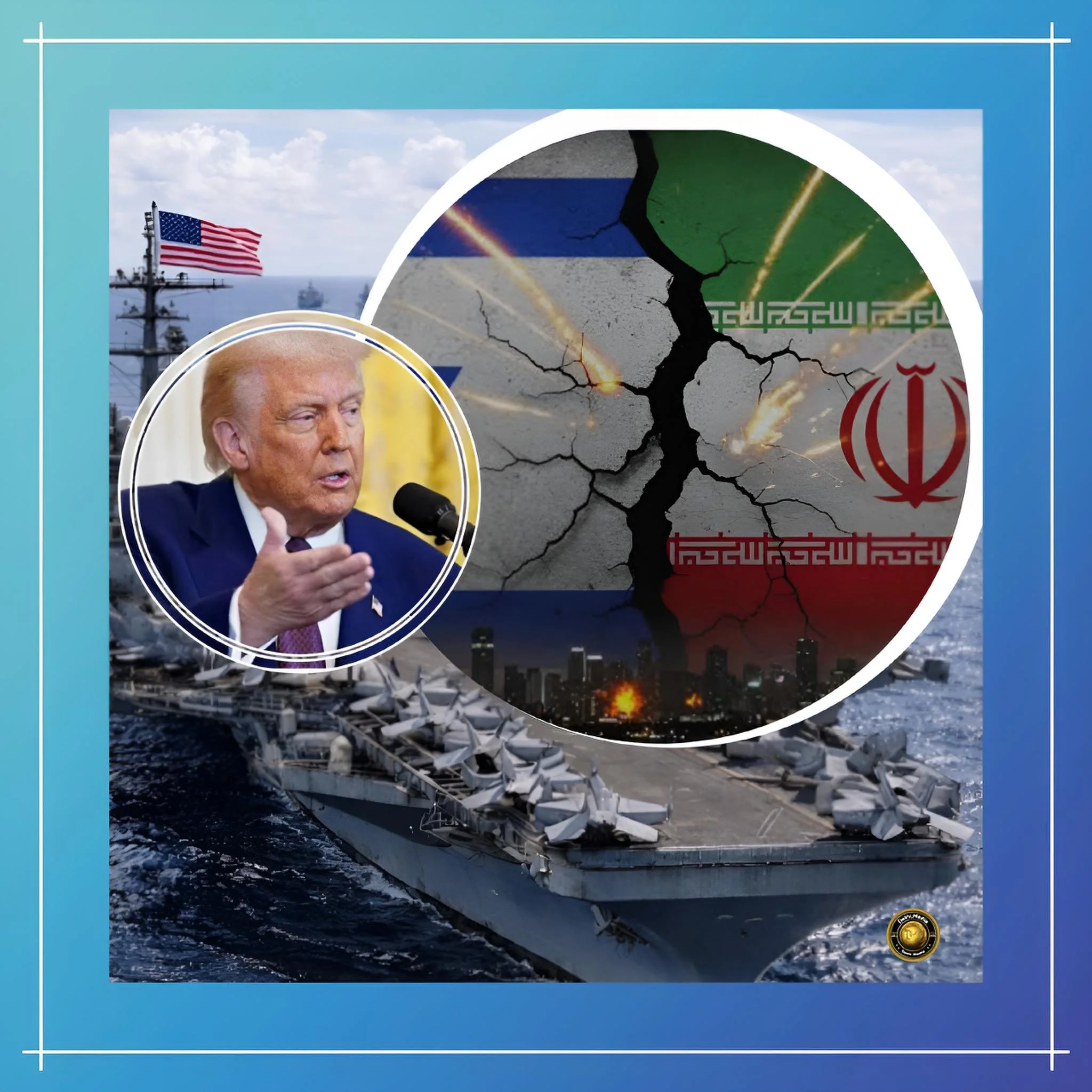
The United States and Israel are fighting a war against Iran.
But many experts are asking: is this war actually good for America, or is it more about what Israel wants?
Former Israeli diplomat Daniel Levy says plainly that this is "Israel First," not "America First."
FAF article explains what is happening, how we got here, and what it all might mean for the world — using plain language and simple examples.
Introduction
Whose War Is This?
Imagine your neighbour convinces you to fight his enemy by telling you the enemy is also dangerous to you.
You agree, spend your money, use your resources, and get into a long messy battle.
Afterwards, you realise your neighbour got everything he wanted — while you are stuck with the bills, angry other neighbours, and no clear plan for what comes next.
That is basically what many analysts say is happening between the United States and Israel in their joint military campaign against Iran.
On June 22, 2025, American B-2 stealth bombers flew from the US and dropped bombs on three of Iran's nuclear sites in a mission called "Operation Midnight Hammer."
Over 125 aircraft and a submarine were involved.
The whole operation lasted just 25 minutes. But the political and economic fallout has lasted far, far longer.
How It All Started: A Long History of Tension
Iran began building its nuclear programme all the way back in 1957.
After the Islamic Revolution of 1979, the programme paused, then started again in the 1980s during a brutal war with Iraq.
By the early 2000s, the world discovered Iran was secretly enriching uranium.
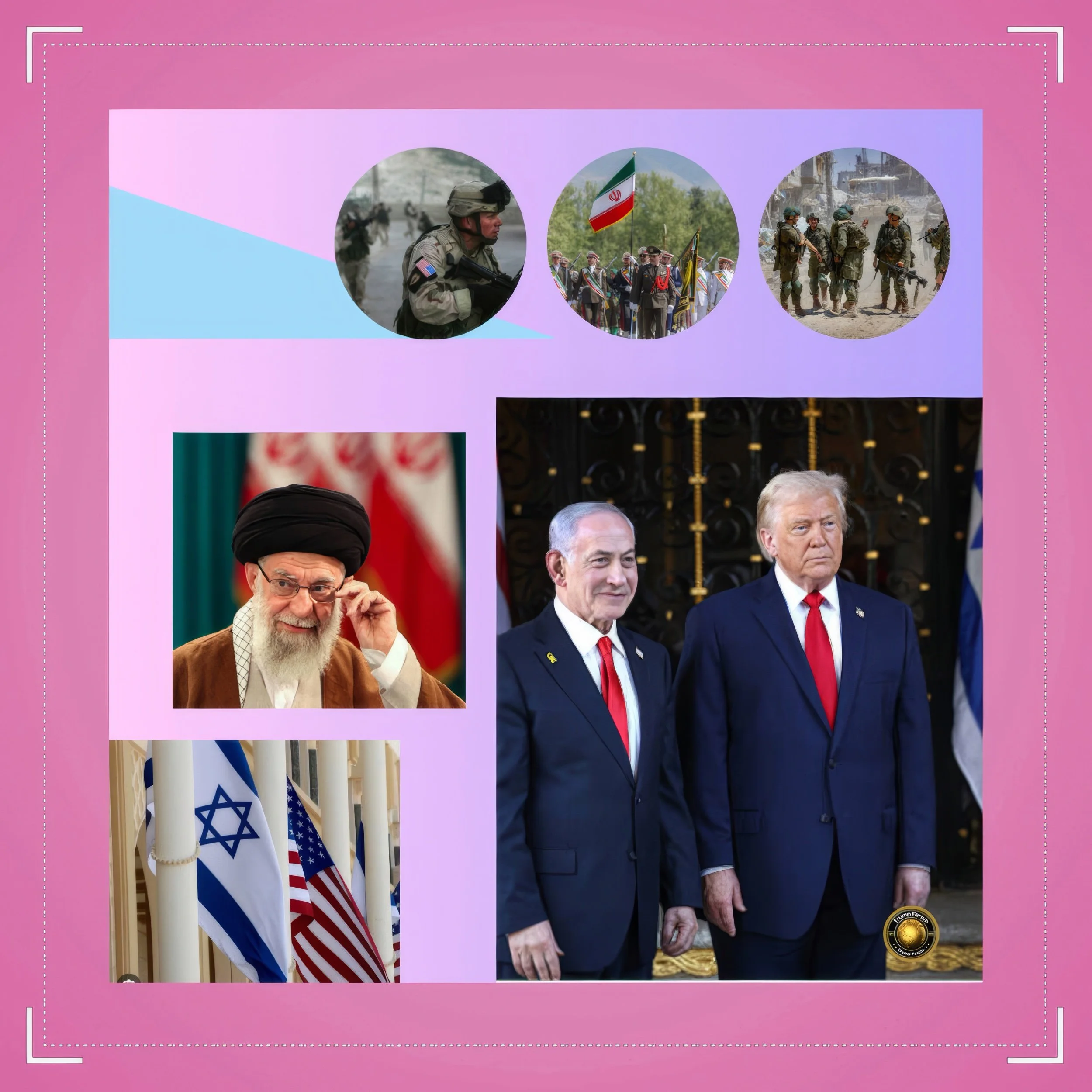
This alarmed both Israel and the United States — and it created decades of confrontation between Tehran, Tel Aviv, and Washington.
Think of it like a slow-burning fire that no one properly put out.
Israel destroyed Iran's nuclear-related facilities in Iraq in 1981 and Syria in 2007.
It has long believed that Iran — with its stated desire to see Israel gone — represents an existential danger.
Iran, meanwhile, built a network of armed groups across the region: Hezbollah in Lebanon, Hamas in Gaza, the Houthis in Yemen, and militias in Iraq.
These groups acted like a kind of insurance policy for Tehran — "if anyone attacks us, they will face problems everywhere."
When Trump came back to the White House in January 2025, Iran was again enriching uranium at dangerous levels.
Israel saw a window of opportunity.
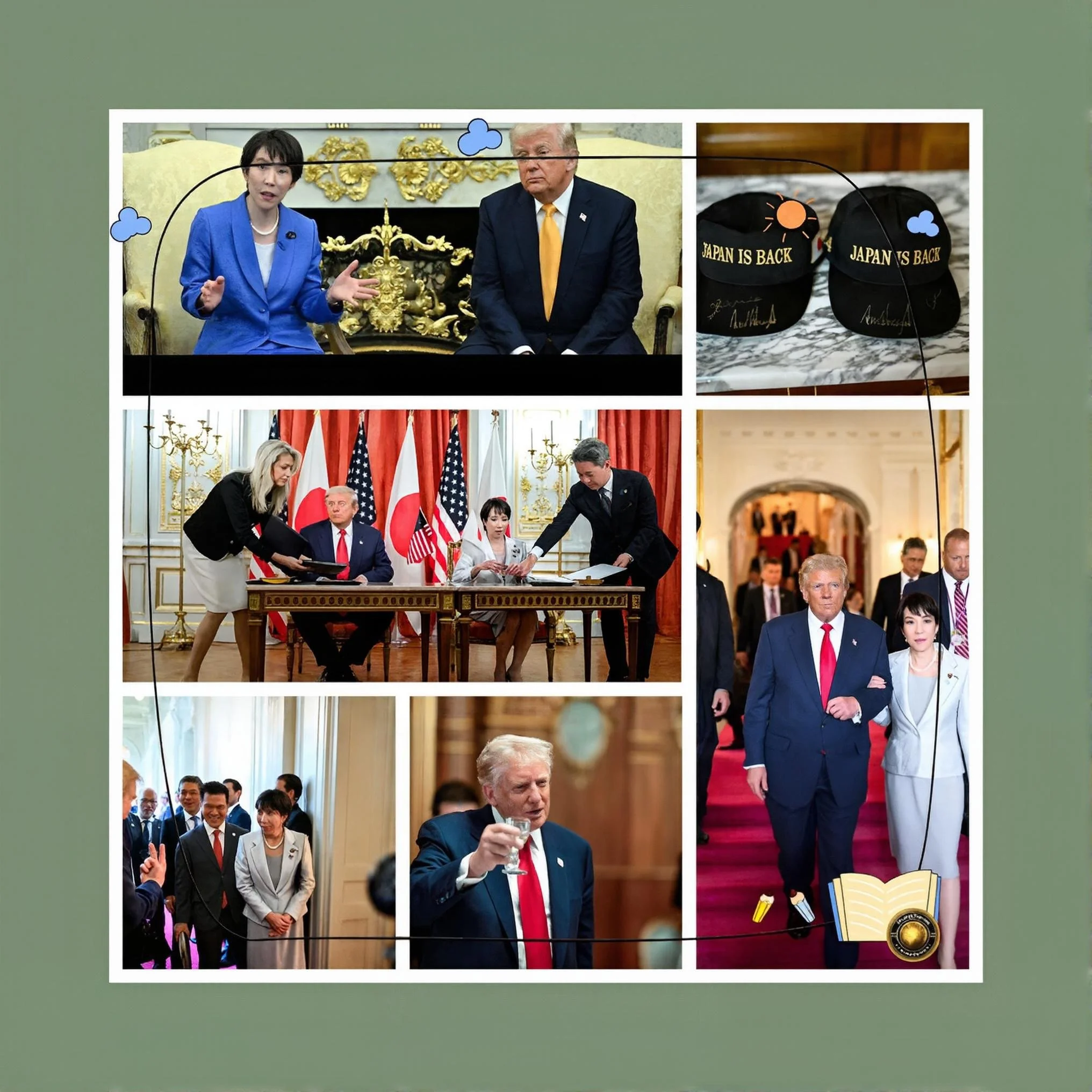
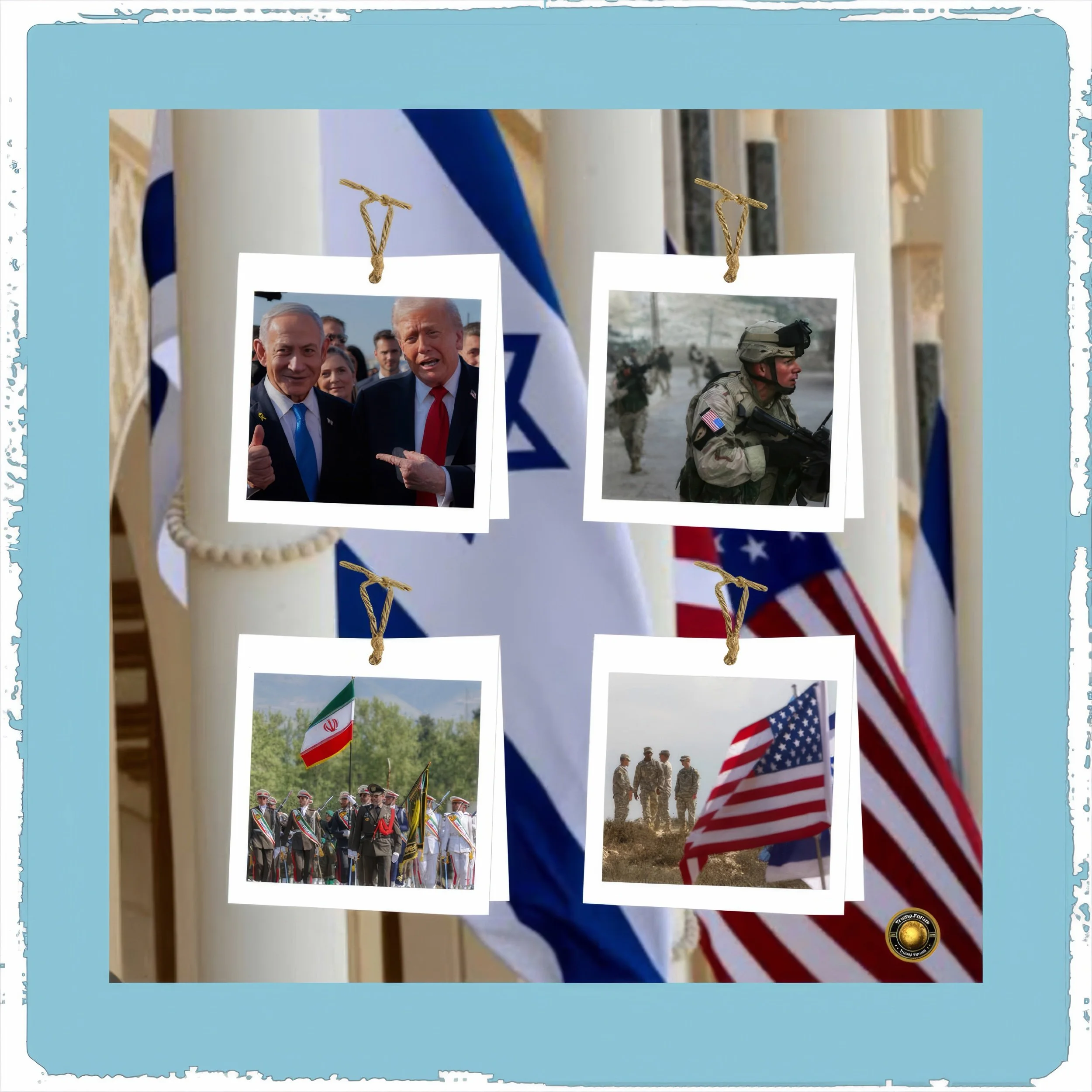
Israeli Prime Minister Benjamin Netanyahu, according to detailed reporting, chose to focus all his diplomatic energy on just one person: Donald Trump.
He visited Trump at his Mar-a-Lago estate, met with him for three hours at the White House, and — according to sources cited by the Wall Street Journal — flattered and persuaded the president in such a skilful way that he eventually got exactly what he wanted: American military participation in a war on Iran.
Key Developments
From One Strike to a Full War
The shooting started on June 12, 2025, when Israel launched "Operation Rising Lion" against Iranian nuclear sites, missile factories, and military leaders.
At first, the US said it was not involved.
But ten days later, American planes joined in. After a brief ceasefire in June 2025, both sides continued planning.
Then came February 2026.
American intelligence warned that Iran was possibly just one week away from being able to make weapons-grade nuclear material again.
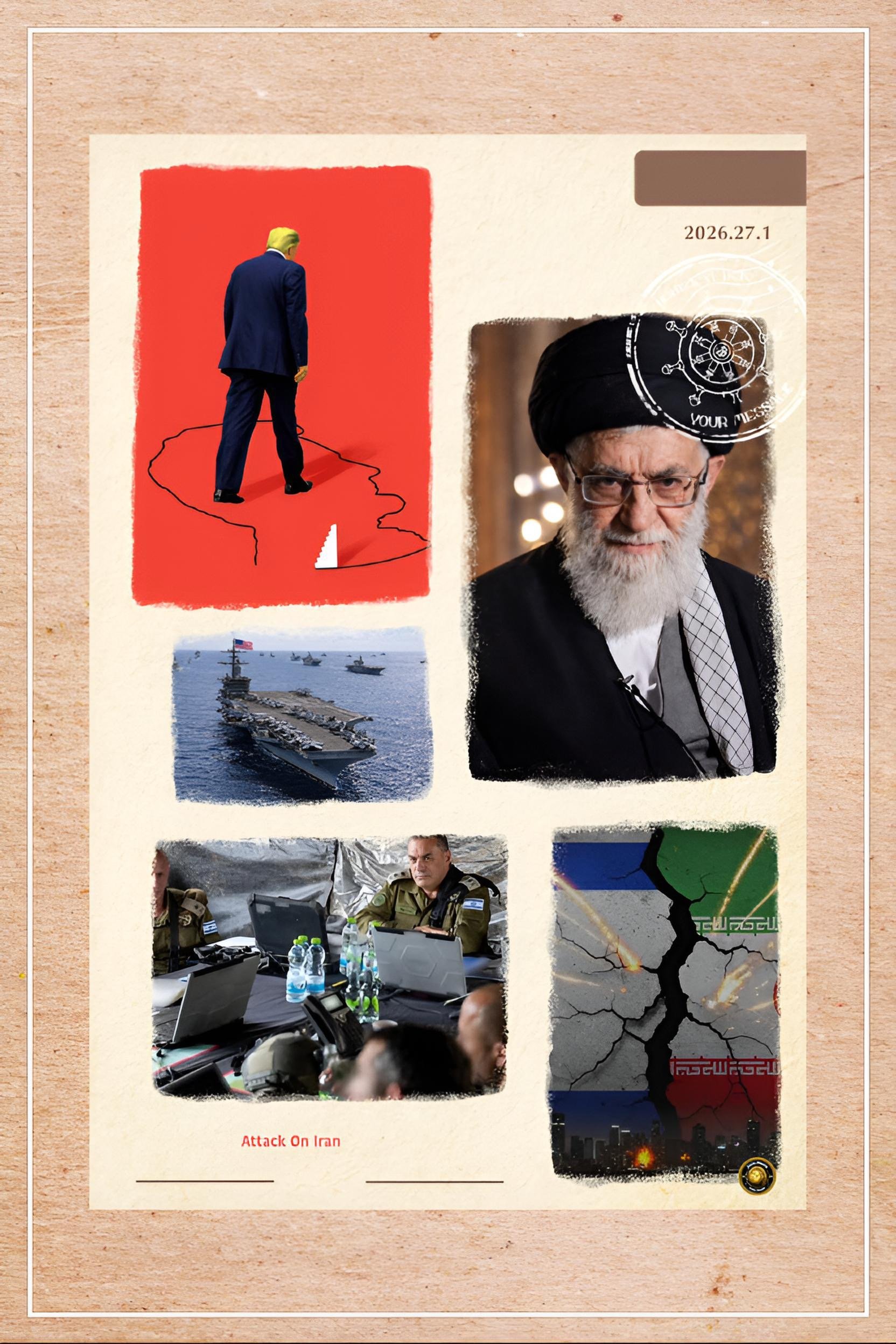
On February 28, 2026, American and Israeli forces launched a second and much bigger set of strikes.
This time, the goal was not just nuclear sites — it was the Iranian regime itself. The strikes killed Supreme Leader Ali Khamenei and other senior Iranian officials.
By mid-March 2026, the war had been going on for 16 days with no ceasefire.
Israeli officials said they had "thousands of targets ahead" and plans running all the way through the Jewish holiday of Passover.
Latest Facts and Concerns
The Bills Are Coming Due
The most immediate problem for the world right now is oil.
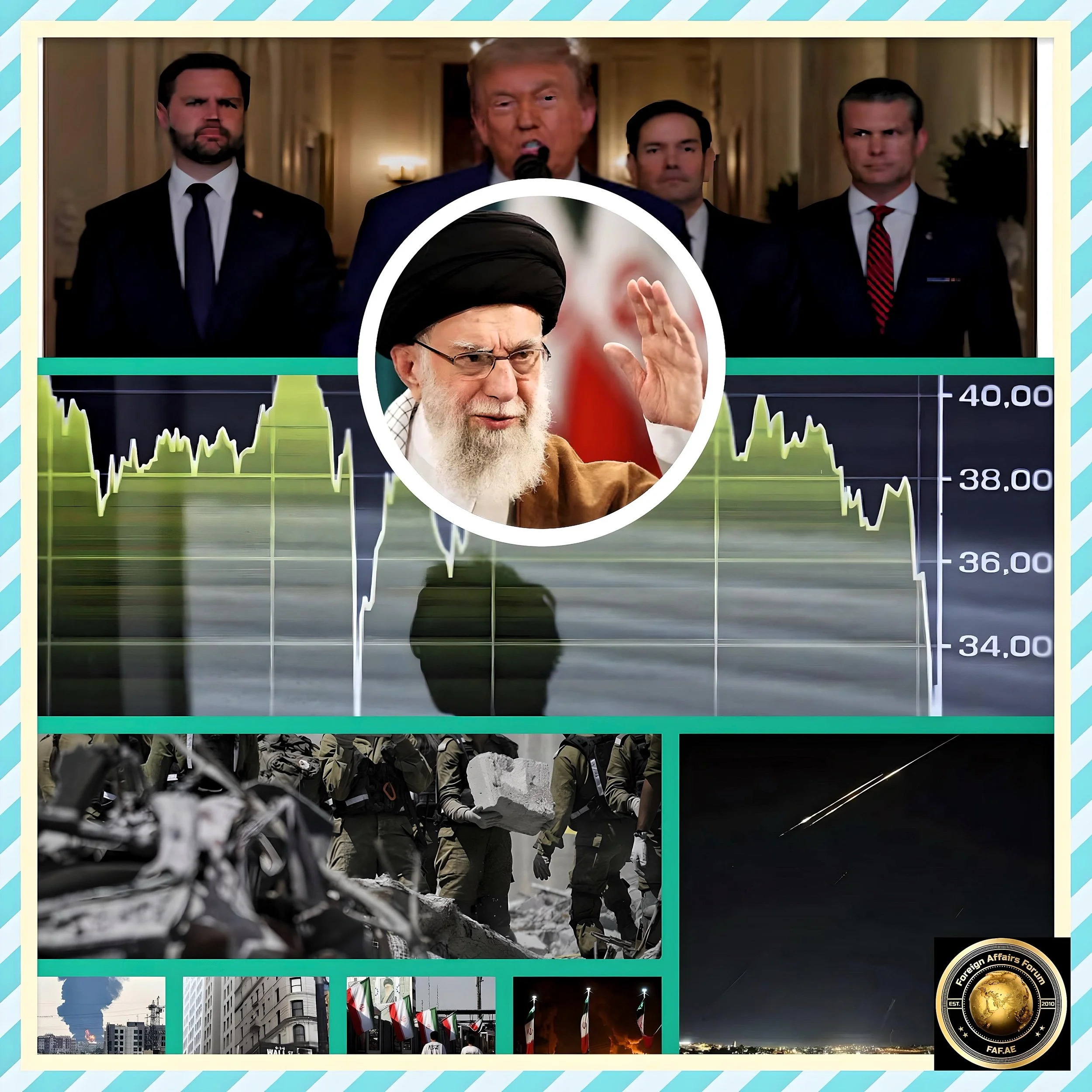
Iran retaliated by closing the Strait of Hormuz — a narrow stretch of water through which 20% of the world's oil travels every single day.
As a result, oil prices shot up from about $70 per barrel to over $110 per barrel almost overnight.
Some economists say if the war continues, prices could reach more than $150 per barrel.
Think of it this way: petrol, food transport, electricity, plastics — almost everything in modern life depends on oil.
When oil gets expensive, everything gets expensive. In Asian countries, some governments told workers to stay home and closed schools to save fuel.
Vietnam has less than 20 days of oil reserves.
Pakistan and Indonesia have about the same.
These are not rich countries with savings to fall back on.
The Gulf states — Saudi Arabia, the UAE, Qatar, Kuwait — are also suffering.
They did not ask for this war. They told Iran they would not let their territory be used to attack it.
But Iran attacked them anyway in retaliation for American and Israeli strikes.
Their airports, ports, energy facilities, and hotels have been hit by Iranian missiles and drones.
These are countries that depend on stability and tourism and business investment to keep their economies growing.
Former Israeli peace negotiator Daniel Levy has said clearly: "Does America have a plan? Israel has a plan. Does America know?"
His point is simple: Israel knows exactly what it wants — the collapse of Iran as a regional power, greater Israeli dominance in the Middle East, and the United States committed to policing whatever comes after.
America, by contrast, has been reacting to events rather than driving them.
Cause-and-Effect Analysis
Domino Problems
When the US joined Israel's war on Iran, a chain of events followed — much like pushing the first domino in a long line. Iran retaliated.
Gulf states got hit. Oil prices rose.
Asian economies wobbled. American allies asked questions. China offered Iran a way to sell oil in yuan, bypassing the US dollar.
Each of these effects connects directly to the initial decision to strike.
The people who argue this war serves American interests say Iran's nuclear programme was a genuine danger and the strikes have set it back.
The people who argue it does not serve America say the war has destabilised allies, raised global energy costs, damaged US credibility among Gulf partners, and created a post-conflict vacuum with no plan — the same mistake the US made in Iraq in 2003 and Libya in 2011.
Future Steps
What Happens Next?
There are a few ways this war could end.
The best case is a negotiated deal where Iran agrees to permanently give up its nuclear programme in exchange for peace.
But this requires an Iranian government willing and able to make that deal — and the current war aims include destroying that government.
That is a real contradiction.
The second possibility is a long, grinding military campaign that continues for weeks or months. That is expensive in money, in diplomatic relationships, and in human lives — on all sides.
The third, worst possibility is a wider war — more countries get drawn in, oil routes stay closed longer, and the global economic damage becomes severe.
Russia and China could step in to support Iran, turning a regional conflict into something much bigger.
The most important unknown is whether Washington will ultimately separate its own interests from Israel's interests.
Trump has said this is America's war, fought for American reasons.
But the documented history — the Mar-a-Lago conversations, the White House meeting, Netanyahu's flattery strategy, Rubio's admission that America may have "followed Israel" into the conflict — tells a more complicated story.
Conclusion
Questions America Must Answer
The US-Israel war on Iran is one of the most consequential events in Middle Eastern history since the 2003 invasion of Iraq.
Like that invasion, it began with stated goals that sounded reasonable — stopping nuclear weapons, protecting allies, reshaping the region for the better.
And like that invasion, it is already producing consequences that no one fully planned for: energy disruption, allied alienation, civilian casualties, and no clear exit.
Daniel Levy's question deserves a serious American answer. Israel has a strategy — detailed, long-planned, and being executed with discipline and purpose.
America, as the bigger stakeholder providing the bigger weapons and taking the bigger global blame, owes its own citizens, its Gulf partners, and the world a strategy of equal clarity.
Whether "America First" and "Israel First" are the same thing is not a rhetorical question.
In the fire of a live war with global economic consequences, it is the most important strategic question Washington has ever faced in the modern Middle East.