What Comes After Trump's World: Three Possible Futures for Our Planet — A Beginner's Guide to the Post-Trump World in the Next Decade
Executive Summary
The rules that countries used to follow — about trade, war, and cooperation — are breaking down.
The United States built these rules after World War II. Now, it is one of the forces tearing them apart.
Over the next 10 years, the world could go in three very different directions.
It could become chaotic and dangerous, split into two big rival camps, or find a new way to work together.
This article explains how we got here and what each future might look like.
Introduction: An Old System Is Falling Apart
Imagine a neighborhood where one very powerful family set all the rules for 70 years.
They said: "No fighting over property, trade fairly, and we will protect everyone."
Most neighbors followed the rules, and the neighborhood was mostly peaceful.
Now that family is fighting among themselves and ignoring their own rules.
The other neighbors are confused, some are excited about the chaos, and nobody is quite sure who is in charge anymore.
That is roughly what is happening in world politics right now.
After World War II, the United States built a system — with organizations like the United Nations, the World Trade Organization, and NATO — to keep countries from going to war and to make trade work smoothly.
This system helped create the longest period of peace between big countries in modern history.
But today, that system is crumbling. The story of how it crumbled matters for understanding what comes next.
History: How America Built the Old Order
After the terrible destruction of World War II, American leaders made a plan.
They would rebuild Europe with money (the Marshall Plan), create military alliances (NATO) to stop another war, and build organizations to manage trade and money (like the IMF and World Bank).
The idea was simple: if countries trade together and share security, they are less likely to fight each other.
For about 50 years, this worked quite well. Western Europe recovered from the war. Japan became one of the world's richest countries.
Global trade grew enormously. When the Soviet Union collapsed in 1991, it seemed like America's vision had completely won.
Many people thought democracy and open markets would spread everywhere and the world would become permanently peaceful and prosperous.
But some important things went wrong.
China joined the global trading system and became extremely powerful — but it did not become a democracy as many Western leaders had hoped.
Russia felt humiliated by its loss in the Cold War and began pushing back against American influence, eventually invading Ukraine.
And inside America and Europe, many working-class people saw their factory jobs disappear as companies moved production to cheaper countries.
These workers became angry, and their anger helped elect leaders like Donald Trump who promised to put their own country first.
Current Status: The Rules Are Breaking Down
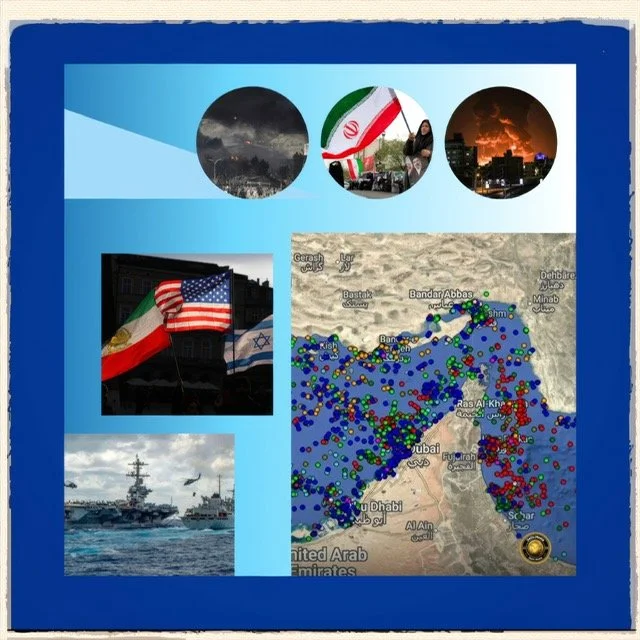
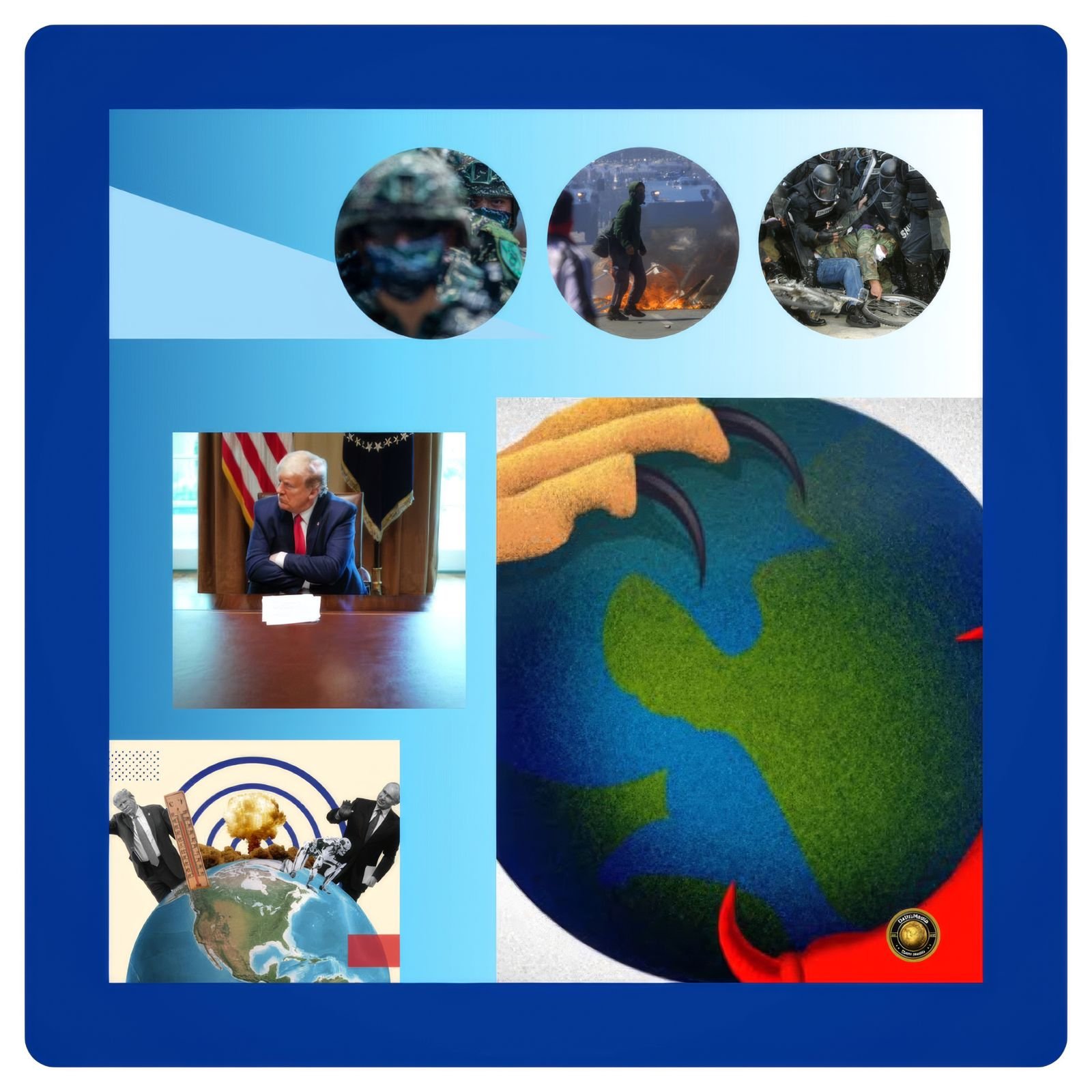
In 2025 and 2026, the breakdown has accelerated rapidly. President Trump imposed large tariffs — essentially taxes on imported goods — on products from almost every country in the world, including America's closest allies.
Think of it like the neighborhood rule-setter suddenly demanding that everyone pay a toll just to deliver groceries to their houses.
Understandably, this made other countries angry and confused.
Trump also questioned whether America would really defend its NATO allies if attacked, treated longtime partners like trading competitors, and pulled America out of or threatened to withdraw from international organizations.
In early 2026, he put tariffs on eight NATO member countries — the same countries the US is treaty-bound to protect militarily. These actions signal that America is no longer reliably playing by the rules it created.
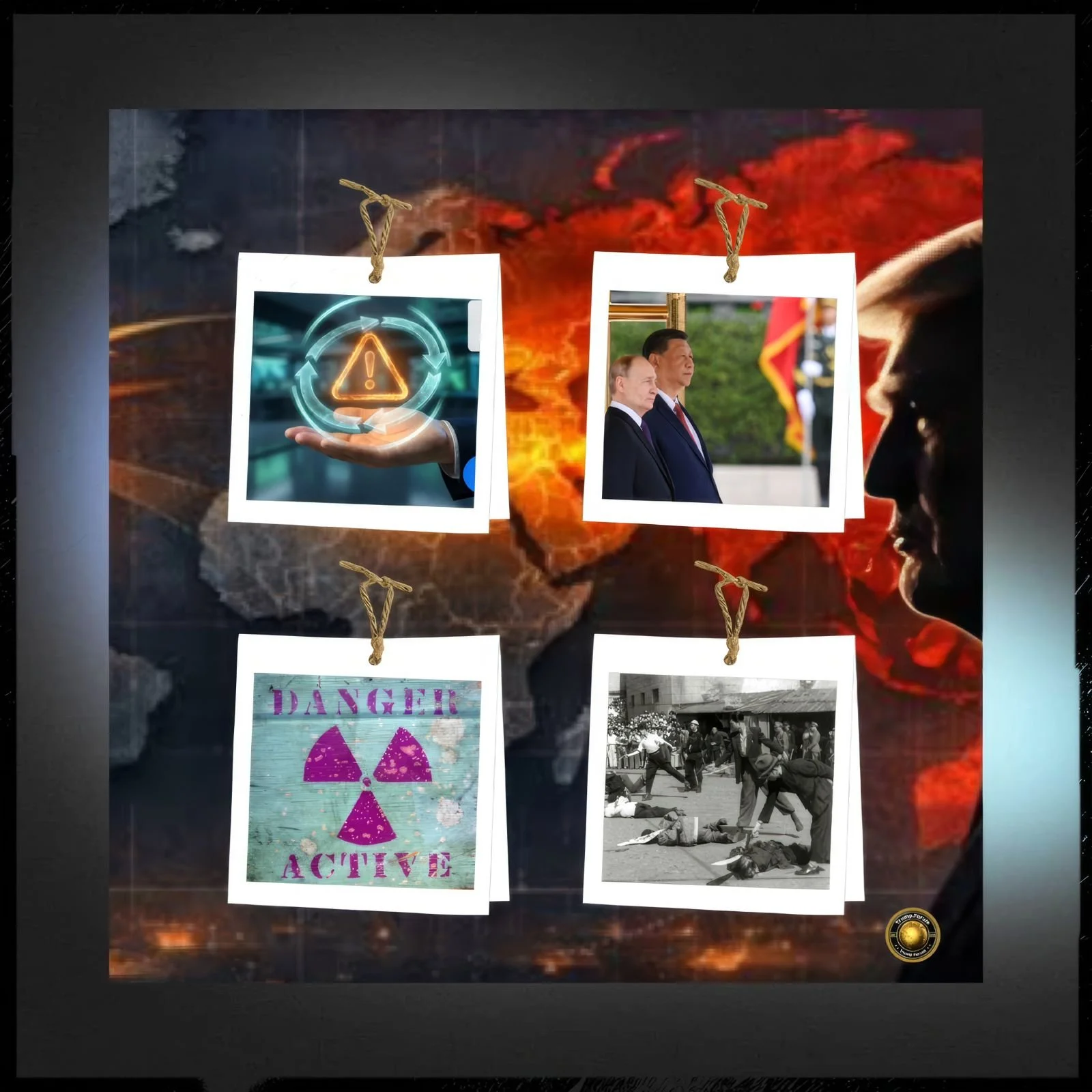
Meanwhile, China has been very active in filling the space America is leaving.
Chinese President Xi Jinping launched a series of global initiatives — the Global Governance Initiative being the most recent in September 2025 — presenting China as a champion of fairness, development, and multilateralism.
Think of China as a new neighbor saying, "The old rule-setter has stopped caring about the neighborhood. We have a new plan." Many developing countries are listening.
The war in Ukraine, now entering its 4th year, has shown the world what happens when the rules break down completely.
Russia took about 19% of Ukraine's territory by force.
America has pushed for a ceasefire that might let Russia keep some of what it seized — a development that worries smaller countries everywhere, who wonder if big neighbors can simply grab their land with limited consequences.
Three Possible Futures
The world ten years from now could look like 3 very different places.
Future One: Chaos and Competition
In this first future, no new system replaces the old one. Countries look out for themselves, form shifting alliances, and compete fiercely without shared rules.
Trade is more expensive and complicated, as countries build separate supply chains.
Climate change gets worse because no one can agree on global action.
Small conflicts break out more frequently because there is no strong referee.
This is a bit like a city where the police force has largely stopped working.
Most people still try to be decent neighbors, but the bad actors become bolder, disputes take longer to settle, and everyone spends more money on private security.
It is not World War III, but it is more expensive, more dangerous, and less fair — especially for smaller, less powerful countries.
The global economy grows at roughly 1.7% per year by 2030, according to economic projections, compared to over 3% when the old system was functioning.
Future Two: Two Big Camps
In the second future, the world divides more clearly into two camps — one led by America, one led by China — with a large group of countries in the middle playing both sides.
This looks something like the Cold War of the 20th century, but with important differences.
Unlike the Cold War, the two sides are deeply economically intertwined. American and Chinese companies still need each other's markets and products.
A complete split would hurt both enormously.
The middle group — including India, Indonesia, Brazil, Saudi Arabia, and many others — is very large and very important in this scenario.
These countries will not pick sides. Instead, they will negotiate with both camps and extract the best deals they can.
For example, India buys cheap Russian oil while also deepening its technology partnership with America.
Saudi Arabia sells oil to China while maintaining its security partnership with the United States.
This creates a messy but somewhat predictable world — more stable than Scenario One but full of mistrust and constant rivalry.
Future Three: A New Global Deal
In the third future, the world eventually finds a new way to cooperate. This does not mean going back to the old American-led system.
It means building new institutions that genuinely share power among the US, China, Europe, and major developing countries.
Think of it like a condo association where all the residents, not just the wealthiest, have a real vote on the rules.
This is the hardest future to achieve because it requires countries — especially big, powerful ones — to accept limits on what they can do unilaterally.
History shows this kind of cooperation usually only happens after a serious shared crisis, like a major war, a global economic collapse, or a catastrophic climate event that affects everyone simultaneously.
The COVID-19 pandemic came close to triggering this kind of cooperation, but ultimately did not go far enough. A more severe shock might succeed where COVID failed.
In this future, global GDP grows faster, climate change is better managed, and smaller countries have more protection against being bullied.
Europe plays a big role in setting the rules, especially on trade and climate standards.
China earns genuine leadership status in return for accepting certain international constraints.
America remains powerful but acts as a participant rather than a dictator in the new system.
Cause and Effect: Why This Matters Now
The reason this transition is happening now — and not 20 years from now — is that several things are happening simultaneously. American politics has been transformed by the anger of workers left behind by globalization.
China has grown strong enough to challenge American dominance.
Russia took a dramatic gamble in Ukraine that forced everyone to reassess the rules.
And developing countries have become economically strong enough to demand a bigger voice.
Each of these forces makes the others worse. American retreat creates space for Chinese assertiveness.
Chinese assertiveness worries America's allies in Asia.
That worry consumes resources that could otherwise go toward climate action or economic development.
The fragmentation of trade raises prices for ordinary families everywhere.
Conclusion: The Choice Ahead
The old world truly is dying. What is not yet decided is what takes its place?
The three futures described here are not equally good.
The first is dangerous and expensive.
The second is more stable but deeply competitive and likely to produce arms races and regional conflicts.
The third is the most hopeful, but also the most demanding — requiring cooperation from countries that currently distrust each other deeply.
The encouraging truth is that the choice among these futures is not made by history alone.
It is made by leaders, institutions, and citizens who decide whether to invest in cooperation or retreat into narrow self-interest.
Gramsci's monsters are always present in transition periods.
Whether they prevail depends on what ordinary people and their leaders choose to build in response.