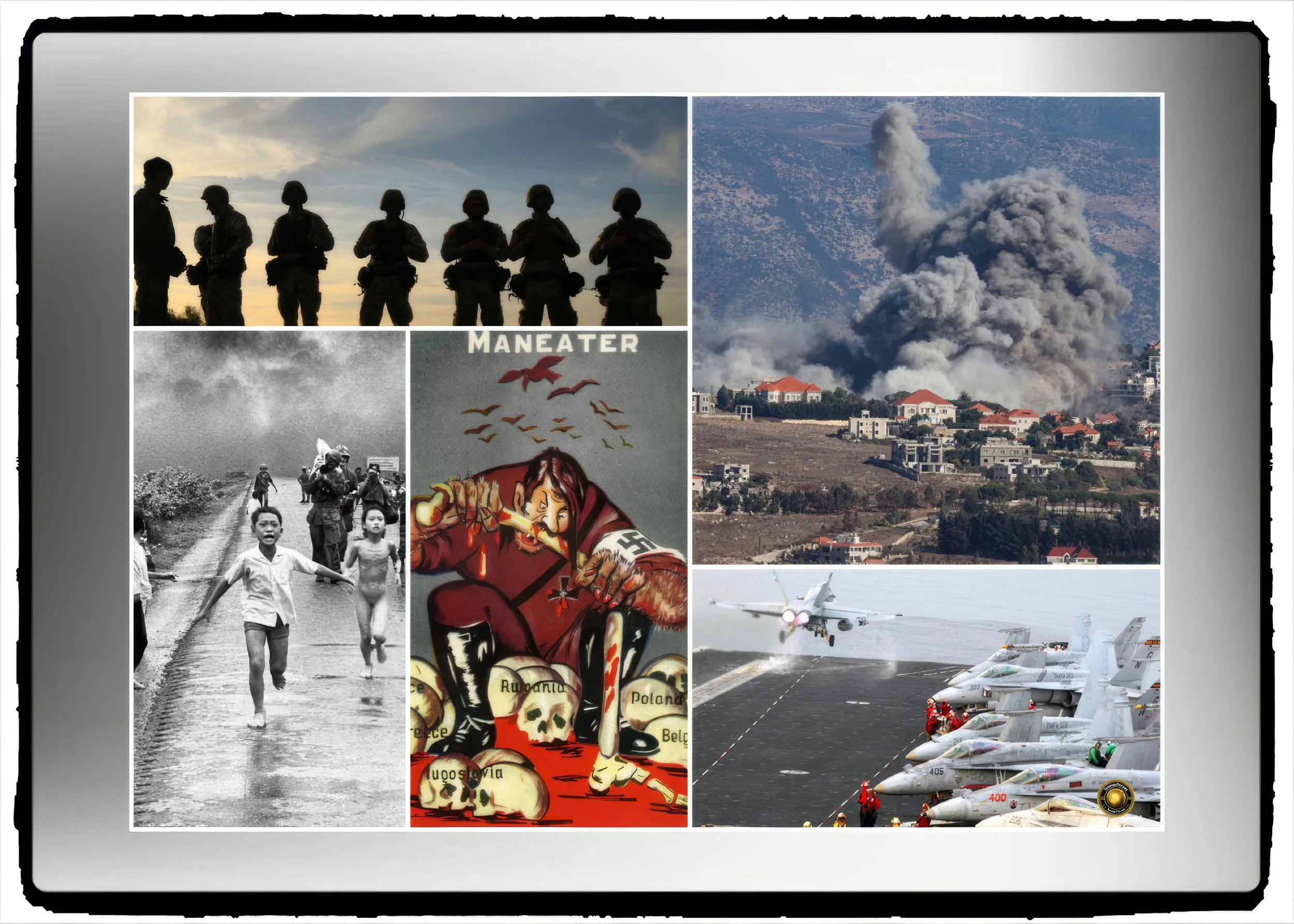
Four War Books That Explain Everything: What Old Theories Say About Today's Most Dangerous Conflicts - Beginners' 101 Guide to Military Theories and the Art of War
Executive Summary
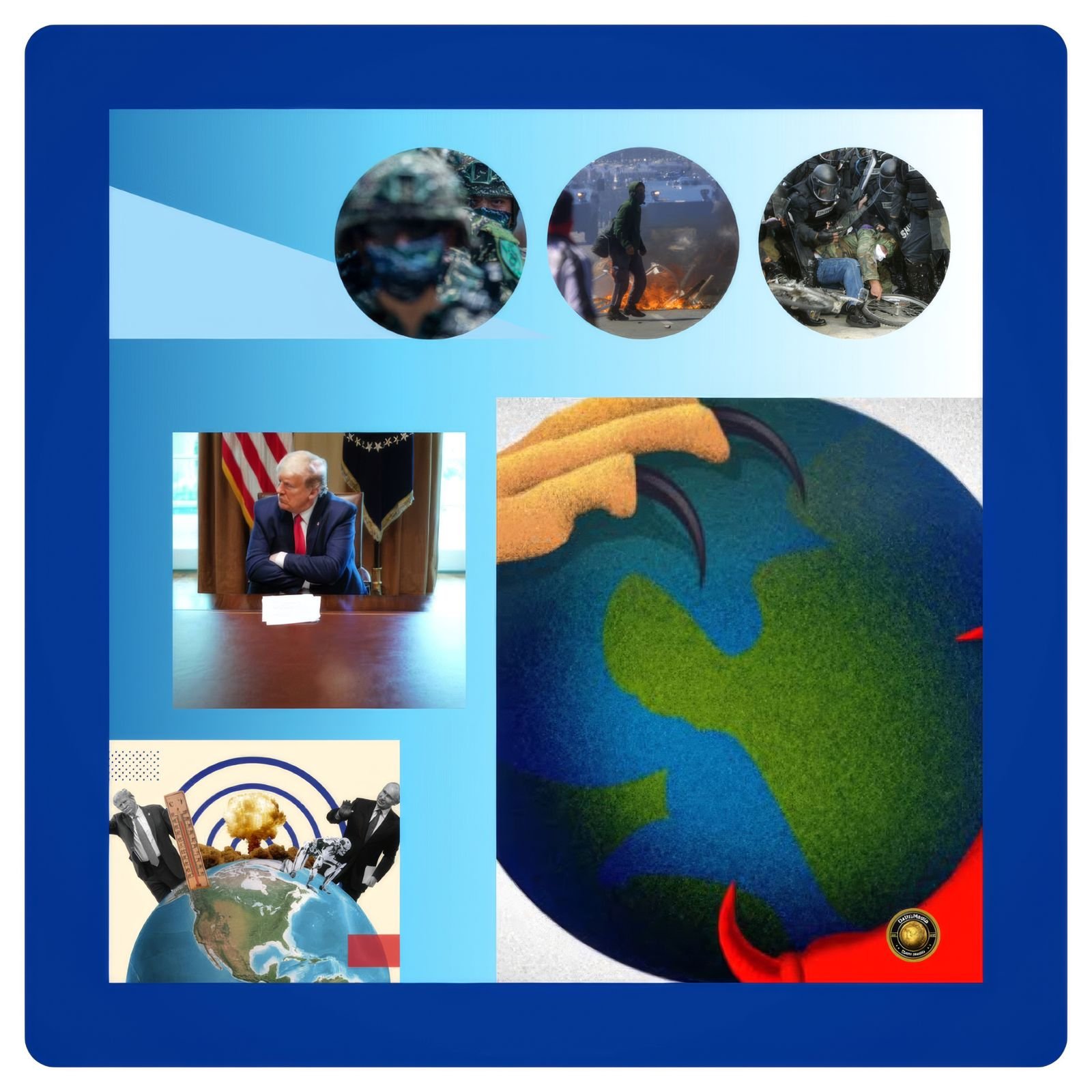
Four military thinkers — Thomas Schelling, Sean McFate, Rupert Smith, and Martin van Creveld — wrote books that seem to predict almost every war happening today.
Their ideas help us understand why America keeps fighting wars it does not win, why Iran uses cheap drones instead of big armies, and why bombing a country rarely solves the problem that started the conflict.
Introduction: Old Books, New Wars
Imagine you wrote a book in 1960 predicting that in the future, one country could threaten another with a missile strike not to actually destroy it, but simply to make it change its behavior — like a poker player raising the bet to force an opponent to fold.
Or imagine writing in 1991 that armies of the future would not fight each other in open fields but would be buried inside cities, using civilians as cover, impossible to defeat with bombs alone.
Both of those predictions came true. And the authors who made them — along with two others writing in 2005 and 2019 — gave us the clearest explanation available for why the world looks the way it does in 2026.
Thomas Schelling and the Power of the Threat
Thomas Schelling was an economist, not a general, but he understood something about war that most generals miss.
In 1960, he wrote The Strategy of Conflict, which argued that in modern war, the threat of doing something is often more powerful than actually doing it.
He called this "compellence" — forcing an opponent to act by making them believe the cost of refusing is too high.
Think of it like this: a parent threatening to cancel a child's birthday party unless homework is done is using compellence. The threat works best if the child believes it is real.
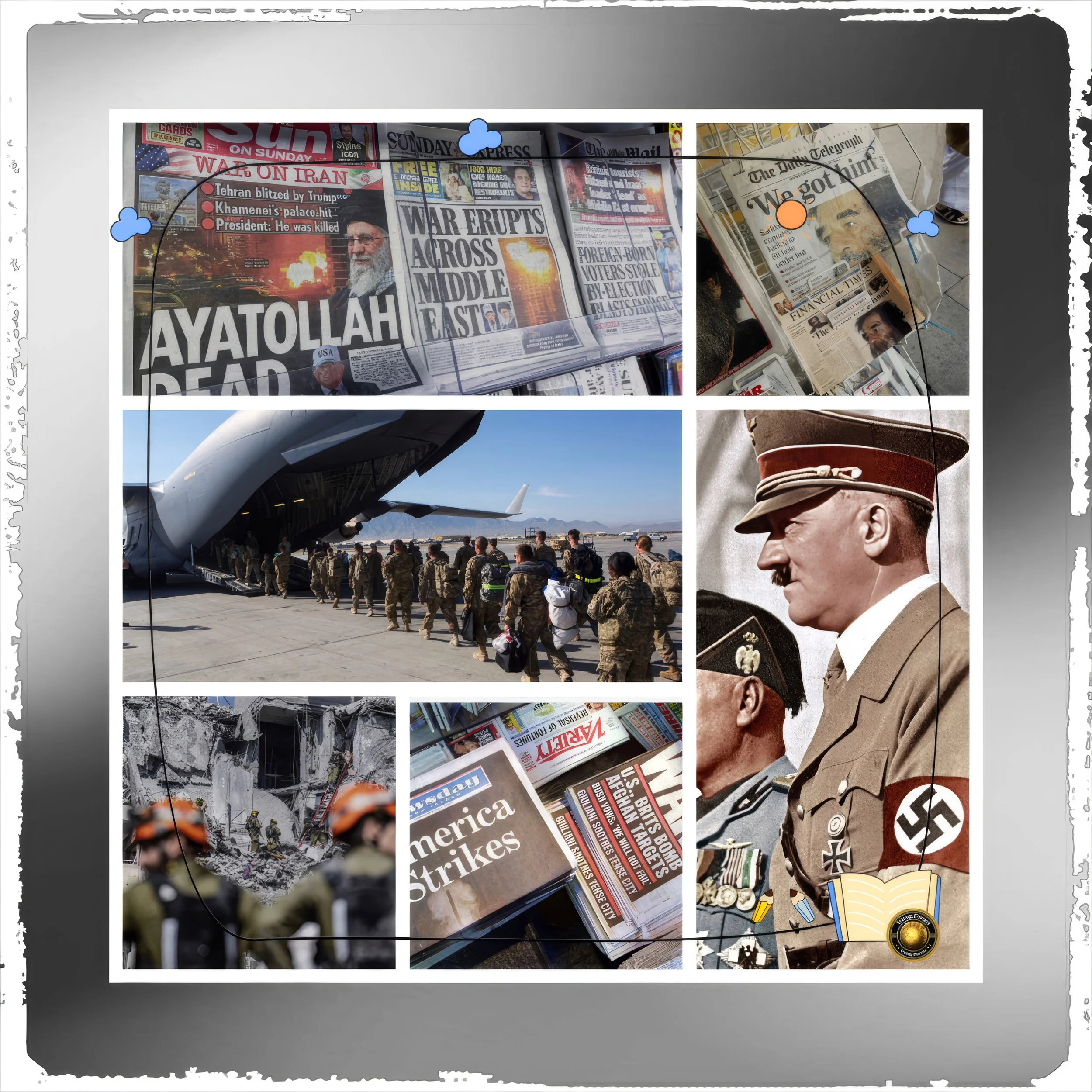
This perfectly describes the US-Israeli strikes on Iran in June 2025.
The two countries struck Iranian nuclear sites not to destroy Iran entirely but to send a message: stop building nuclear weapons or we will strike again.
Iran responded by firing missiles and threatening to close the Strait of Hormuz — the narrow waterway through which roughly 20% of the world's oil travels.
But Iran also quietly asked Gulf countries to help broker a ceasefire.
This is exactly Schelling's game: both sides threaten, both sides pretend to be winning, and behind the scenes they negotiate.
The same logic played out during the Cold War, when the United States and Soviet Union pointed thousands of nuclear missiles at each other for four decades without ever firing one, because the threat itself was enough.
Martin van Creveld and the Death of the Big Army War
In 1991, just as the Cold War ended and Americans were celebrating their high-tech victory over Iraq, a military historian named Martin van Creveld published a warning.
He said the future of war was not big armies fighting big armies on open battlefields.
The future was small groups — religious movements, ethnic militias, ideological networks — fighting inside societies, using guerrilla tactics, impossible to defeat by simply blowing things up.
He called these "non-state stakeholders," and he said they would frustrate the greatest military power in history.
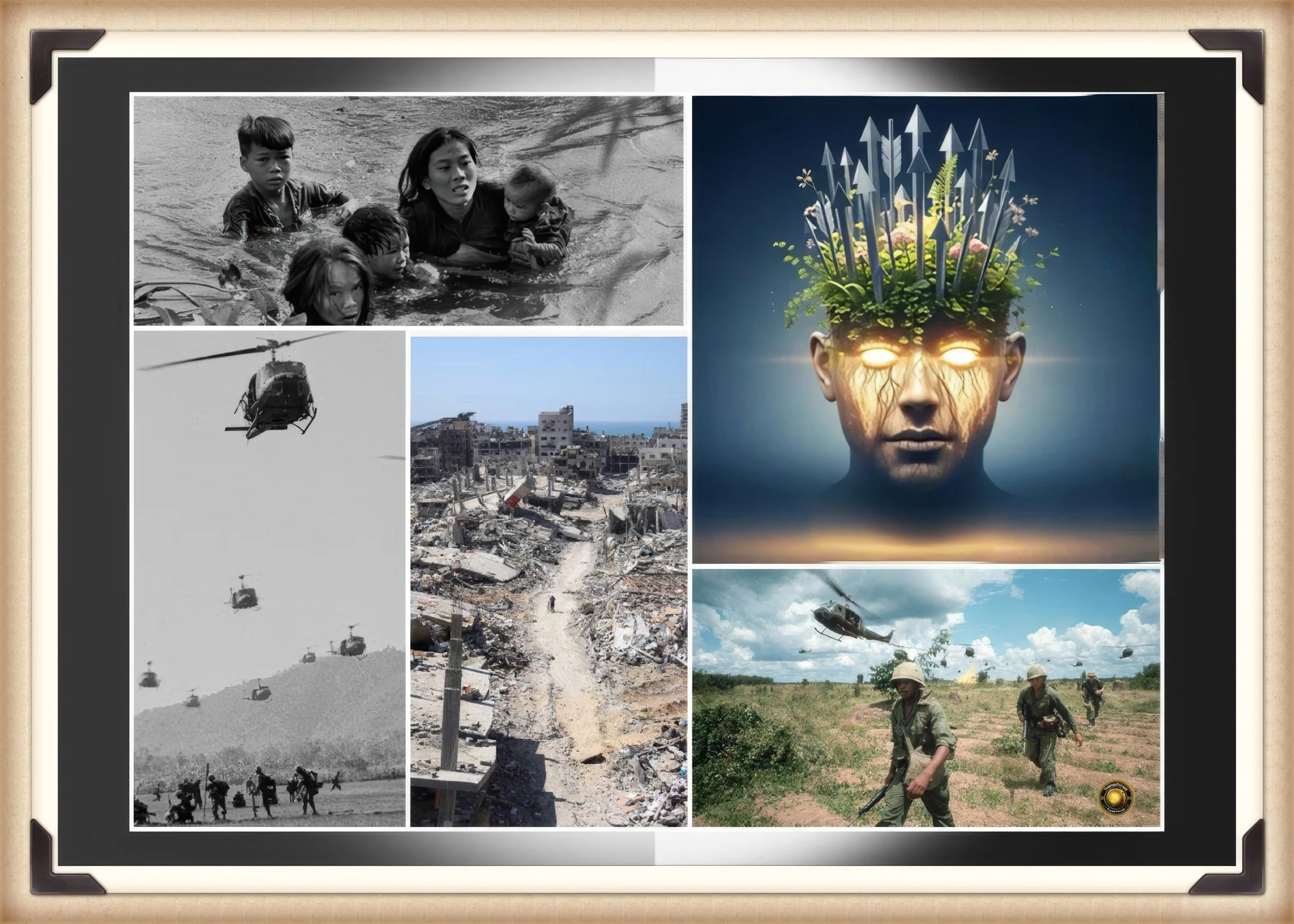
He was right. In Vietnam in the 1960s and 1970s, the United States dropped more bombs than in the entire WWII and still lost, because it was fighting not an army but a population with a cause.
In Afghanistan from 2001 to 2021, the US spent over $2 trillion and 20 years fighting the Taliban — a network of fighters without tanks, planes, or a formal army — and still ended up watching Kabul fall within days of withdrawal.
In Iraq, the American military destroyed the Iraqi army in three weeks in 2003 and then spent the next decade fighting militias, insurgents, and terrorist networks it had no idea how to defeat.
Iran understood van Creveld's lesson perfectly.
Instead of building a conventional army to match American or Israeli power — which it cannot afford — Tehran built a network of proxy groups across the Middle East: Hezbollah in Lebanon, the Houthis in Yemen, Hamas in Gaza, militias in Iraq.
This network is Iran's military power, spread across five countries, difficult to target, impossible to destroy with a single strike.
Rupert Smith and War in the City
British General Rupert Smith spent his career commanding troops in wars where there were no clean front lines — the Gulf War, Bosnia, Northern Ireland. In 2005, he published The Utility of Force, in which he argued that modern war has become "war amongst the people."
This means military forces are no longer fighting each other in open fields.
They are fighting inside cities, neighborhoods, and refugee camps, surrounded by civilians.
And in that environment, every bomb that kills a civilian becomes a propaganda victory for the other side.
Gaza is the clearest example of this in the current era. Israel has used its air force, navy, and ground forces to fight Hamas, a militant organization that operates inside one of the most densely populated pieces of land on earth.
Israel's military is technically superior.
But every strike that kills civilians — and there have been tens of thousands of civilian casualties — creates new enemies, new recruits for Hamas and other groups, and new political pressure on Israel internationally.
Smith would say this was predictable. When you fight war amongst the people, you cannot win with bombs alone. You need a political solution.
And the political solution to Gaza — what happens to two million Palestinians after the fighting stops — has never been clearly defined by Israel or the United States.
Without that answer, the military campaign cannot produce lasting peace, no matter how many weapons are used.
The same pattern — military superiority producing tactical success and political stalemate — repeated itself in Lebanon in 2006, in Iraq from 2003 onward, and in Afghanistan for 20 years.
Sean McFate and the Age of Permanent Disorder
Sean McFate worked as a US Army officer and a private military contractor before becoming a professor of strategy.
In 2019, he published The New Rules of War, in which he argued that the world has entered what he calls an age of "durable disorder.”
This means that the old idea of winning a war — defeating an enemy, signing a peace treaty, going home — no longer works.
Instead, conflicts drag on for years or decades, fought by networks of groups using cheap weapons, social media propaganda, and guerrilla tactics that the most sophisticated military in the world cannot easily defeat.
Iran's strategy after the June 2025 strikes is a textbook example of McFate's new rules.
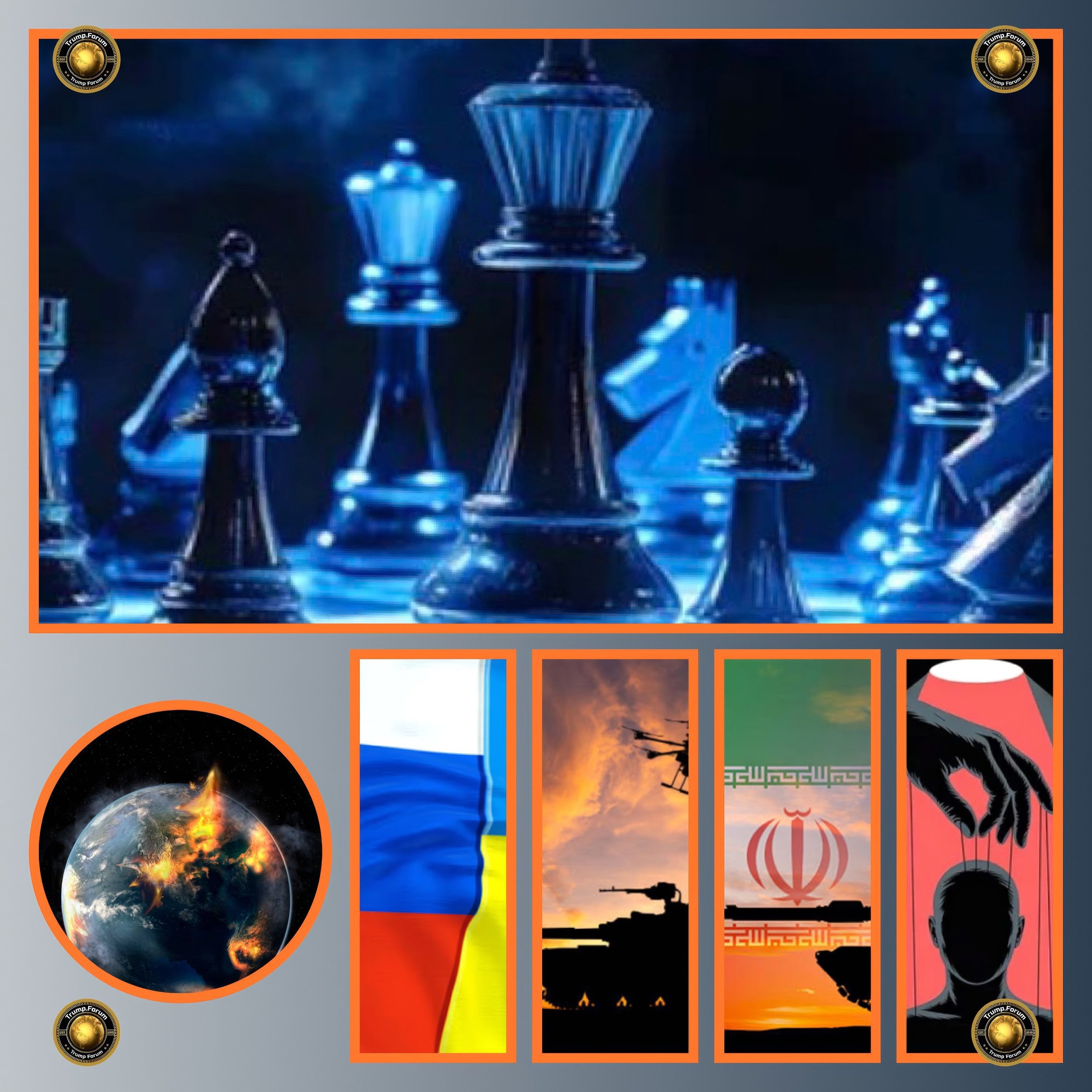
Rather than trying to fight the United States and Israel directly — which would be suicidal — Iran deployed cheap drones to threaten oil tankers in the Strait of Hormuz, costing almost nothing to produce but threatening to disrupt global oil markets.
The United States has aircraft carriers, stealth fighters, and precision-guided missiles. Iran has $500 drones. And the drones created a global crisis.
This is McFate's point: in the age of durable disorder, expensive military superiority does not guarantee victory over cheap, networked asymmetric tactics.
Trump, the Monroe Doctrine, and the Colonial Pattern
All four of these theorists would recognize a familiar pattern in President Trump's second-term foreign policy.
His "Trump Corollary" to the Monroe Doctrine — the 19th-century principle that the United States controls the Western hemisphere — declares that American interests override the sovereignty of smaller nations from Venezuela to Panama.
This is not a new instinct in American foreign policy.
It is the same logic that drove interventions in Guatemala in 1954, Panama in 1989, and dozens of other countries across two centuries.
And it produces the same results: short-term tactical control, long-term resentment, and new cycles of resistance that eventually force another intervention.
Schelling would call this the compellence trap: the more you use force to get your way, the more you need force to maintain what you got, because the underlying political grievances that generated resistance in the first place remain unresolved.
Lessons and Looking Forward
What these four authors teach us, taken together, is simple enough to state but extraordinarily difficult to apply: military force is a tool, not a strategy.
It can create conditions. It cannot, by itself, create political outcomes.
The United States has the most powerful military in history.
It has used that military in Vietnam, Afghanistan, Iraq, Gaza, Lebanon, and now Iran.
In none of these cases has military superiority produced the stable political outcome that justified the initial use of force.
The question these authors leave us with is not whether America will face another conflict in which this lesson applies. It certainly will.
The question is whether the people making the decisions will have read the books that explain why the last seven decades of military campaigns have produced so little lasting peace — and whether they will have the courage to apply what they teach.