Trump’s New War Doctrine Challenges Powell’s and Weinberger’s Legacy and Reshapes American Military Strategy - Part V
Executive summary
The End of Decisive War? Trump’s Model and the Future of U.S. Intervention
The recent U.S. military strikes on Iran have crystallized a transformation in American war-making.
Rather than adhering to the principles associated with the Powell Doctrine—clear objectives, overwhelming force, public debate, congressional authorization, and an articulated exit strategy—the current administration has embraced flexibility, ambiguity, and calibrated escalation.
This approach, visible not only in Iran but also in policies toward Venezuela and maritime operations in the Red Sea, reflects a shift from decisive war toward limited, adaptive coercion.
FAF article argues that the emerging doctrine prioritizes maneuverability over clarity, executive discretion over institutional consensus, and psychological signaling over territorial conquest.
It traces the intellectual origins of the Powell Doctrine, examines its application in Afghanistan and Iraq, and contrasts it with the present administration’s preference for iterative pressure campaigns.
The result is a model of conflict that reduces immediate political costs but risks protracted instability, strategic miscalculation, and erosion of democratic oversight.
The analysis demonstrates how this flexible model alters the relationship between means and ends in U.S. strategy.
It lowers the threshold for military action while raising uncertainty about termination.
It privileges tactical surprise over deliberative legitimacy. And it reflects a broader reorientation in global power politics, in which great powers increasingly rely on limited, deniable, or reversible force.
Introduction
Iran, Venezuela, and the Flexible Use of American Power in a Fragmented World
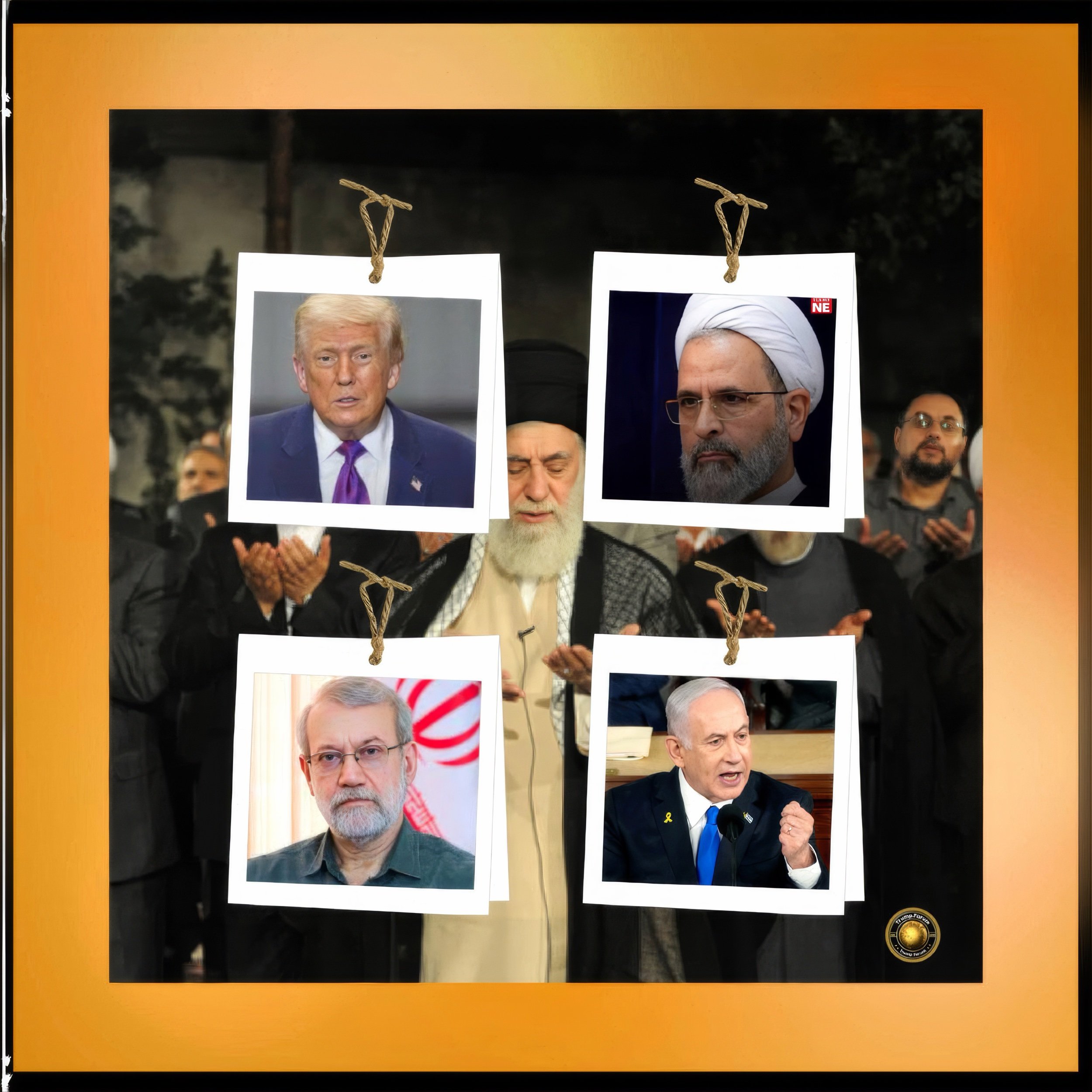
When U.S. aircraft struck Iranian targets, the decision did not follow a prolonged public debate, a formal congressional vote, or a clearly articulated war aim.
Negotiations between Washington and Tehran were ongoing, yet military action proceeded in parallel. The episode revealed a governing philosophy that departs sharply from late twentieth-century orthodoxy.
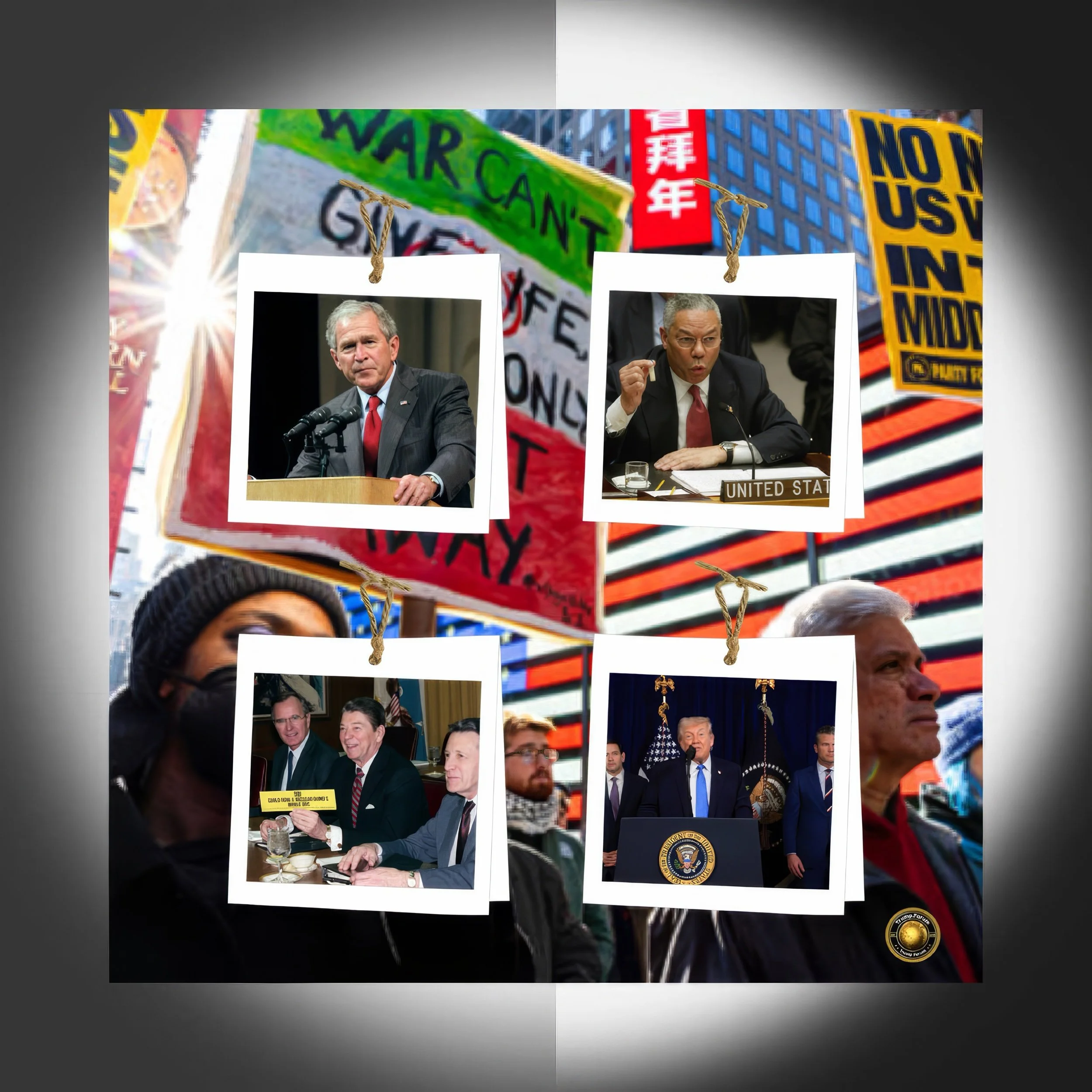
The Powell Doctrine, shaped by General Colin Powell after the Vietnam War and refined during the Gulf War, insisted that force should be a last resort, employed decisively and overwhelmingly to secure clear political objectives.
It was a reaction against incrementalism and half-measures.
In contrast, the contemporary approach favors calibrated pressure, flexible escalation, and limited commitments designed to preserve optionality.
This transformation does not represent strategic incoherence. It reflects an adaptation to a world of gray-zone competition, rapid information cycles, and domestic polarization.
Yet it also raises profound questions about democratic accountability, alliance cohesion, and escalation management.
History and current status
The intellectual roots of the Powell Doctrine lay in the trauma of Vietnam. American leaders concluded that ambiguous objectives and gradual escalation had produced stalemate and domestic division.
Caspar Weinberger, Secretary of Defense under President Ronald Reagan, articulated criteria in the 1980s: The Weinberger Doctrine established key principles for U.S. military engagement. It stipulated that the United States should not deploy forces into combat unless vital national interests of the nation or its allies are at stake.
Furthermore, any commitment of troops must be made with full resolve and a definitive strategy aimed at achieving victory.
In the absence of these conditions, military involvement should be avoided.
Powell refined these principles, emphasizing decisive application of military power and a defined exit strategy.
The 1991 Gulf War embodied this logic.
The United States assembled a broad coalition, secured United Nations authorization, defined a limited objective—the liberation of Kuwait—and employed overwhelming force to expel Iraqi troops.
The campaign ended swiftly, reinforcing confidence in the model.
The invasions of Afghanistan and Iraq were initially framed within similar parameters.
Congressional authorization was obtained.
Objectives were declared. Military force was applied rapidly.
Yet the aftermath exposed weaknesses in post-conflict planning.
Regime removal proved easier than political reconstruction. The exit strategies proved aspirational rather than operational.
Over the following decades, U.S. interventions became more limited and specialized.
Drone strikes, special operations raids, cyber actions, and sanctions replaced large-scale invasions.
The appetite for decisive occupation waned.
Domestic support for prolonged wars declined.
By the time of renewed tensions with Iran and Venezuela, the strategic environment had changed profoundly.
The current status reflects this evolution.
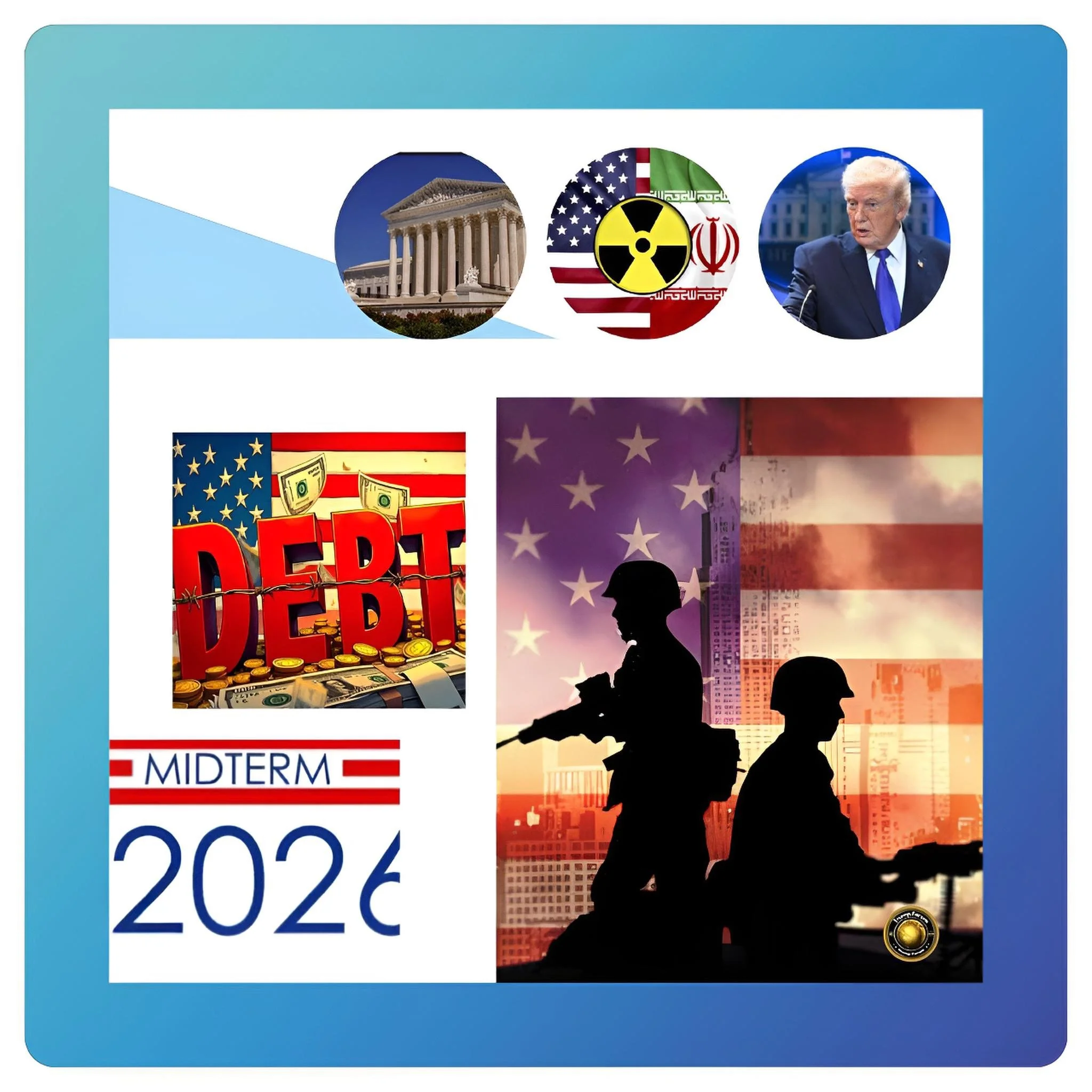
The United States retains formidable capabilities but faces constraints: fiscal pressures, polarized politics, and global competition with China and Russia.
The administration’s approach to Iran—limited strikes without full mobilization—illustrates a preference for episodic coercion over regime transformation through occupation.
Key developments
Several developments have shaped this shift.
First, technological advances enable precision strikes with reduced troop footprints.
Long-range missiles, cyber operations, and intelligence integration permit targeted action without mass mobilization.
Second, domestic political dynamics incentivize flexibility.
Leaders can demonstrate resolve without committing to prolonged ground campaigns. The costs appear contained. Casualty risks are minimized. The executive branch can act swiftly, often before opposition coalesces.
Third, global competition has blurred the line between war and peace.
Maritime confrontations in the Red Sea, economic sanctions against Venezuela, and strikes against Iranian assets exist within a continuum of coercion rather than formal declarations of war.
In Venezuela, the United States has alternated between sanctions, diplomatic isolation, and limited covert support for opposition forces, avoiding direct invasion.
In the Red Sea, naval deployments signal deterrence without a comprehensive war plan.
These patterns reveal a consistent preference for calibrated force.
Latest facts and concerns
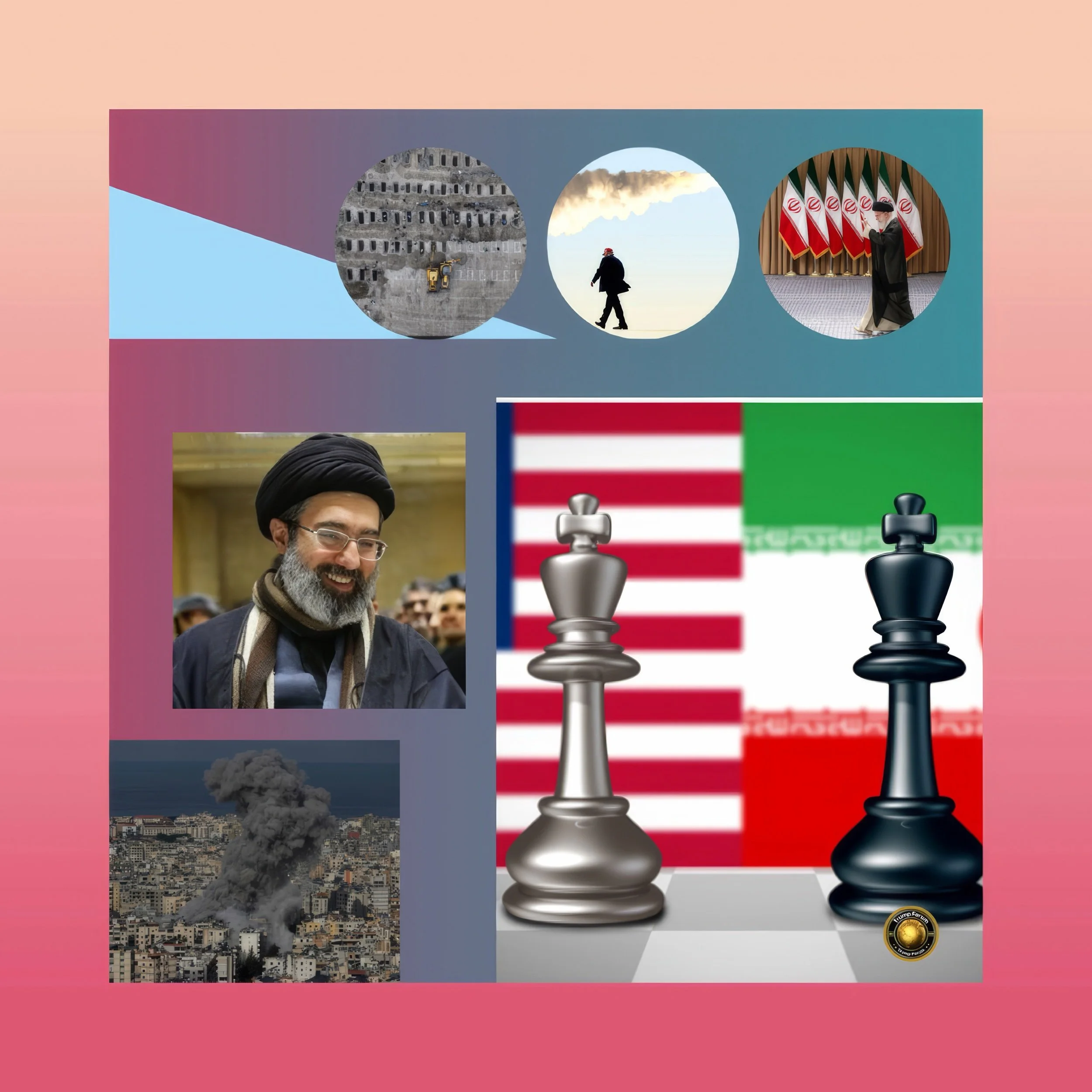
The immediate concern following the Iran strikes is escalation control. Tehran possesses asymmetric tools: missile forces, proxy networks, cyber capabilities, and maritime disruption.
Limited U.S. strikes may invite reciprocal action without producing strategic capitulation.
Allies express unease about consultation.
European partners seek clarity about objectives. Regional stakeholders worry about spillover. Oil markets react swiftly to perceived instability, with price fluctuations affecting global inflation.
Domestic debate centers on congressional authority. Critics argue that the absence of formal authorization weakens democratic oversight. Supporters contend that rapid response is essential in volatile environments.
Cause and effect analysis
The cause of the doctrinal shift lies in accumulated war fatigue, fiscal constraints, and technological change. The effect is a model that reduces immediate visibility of war but increases strategic ambiguity.
By avoiding overwhelming force, the administration lowers the threshold for action.
The psychological barrier to intervention diminishes. Yet without clear termination criteria, conflicts risk extension.
Limited strikes may not compel adversaries but may entrench hostility.
The erosion of public debate may streamline decision-making, but it diminishes consensus.
Over time, this can weaken legitimacy and alliance solidarity. The flexible model thus produces a paradox: tactical agility coupled with strategic uncertainty.
Future steps
If this approach persists, several trajectories are plausible. The administration may institutionalize rapid-response frameworks, integrating cyber and kinetic tools under executive authority. Congress may seek to reassert oversight through revised war powers legislation.
In Iran, future escalation will depend on reciprocal restraint. A cycle of limited strikes could stabilize into deterrence, or it could spiral into broader confrontation.
Globally, other powers may emulate the model, favoring calibrated coercion over decisive war.
The international landscape would then shift toward continuous low-intensity conflict.
Conclusion
Strategic Ambiguity and Escalation: How Trump Is Rewriting the Rules of War
The transformation from the Powell Doctrine to a flexible model of war marks a significant inflection in American strategy.
It reflects adaptation to new constraints and technologies, but it also raises enduring questions about clarity, legitimacy, and control.
Decisive war sought finality. Flexible war seeks leverage.
The former aimed to end conflicts swiftly; the latter manages them incrementally.
Whether this evolution enhances security or entrenches instability will define the next era of U.S. power.