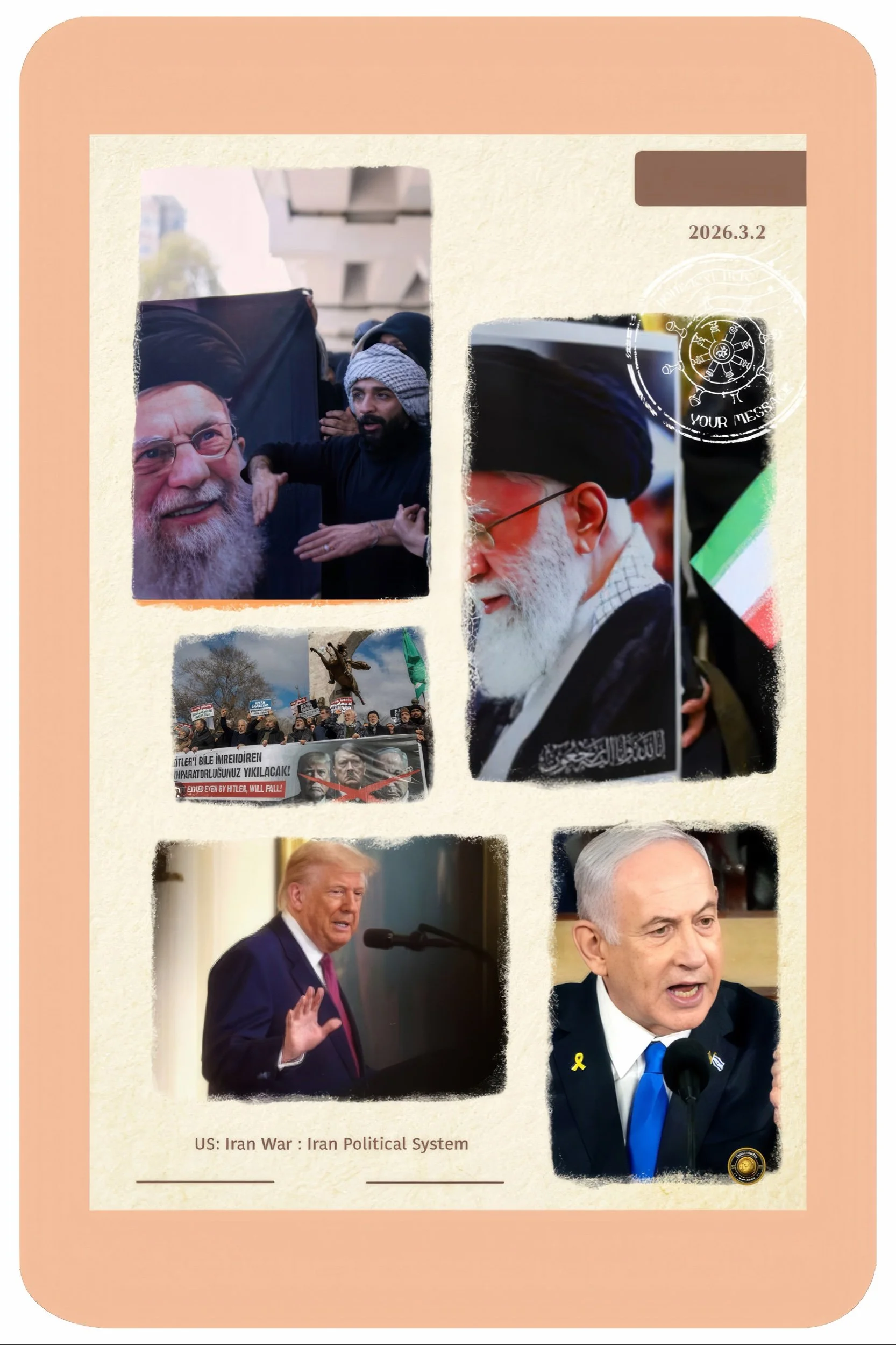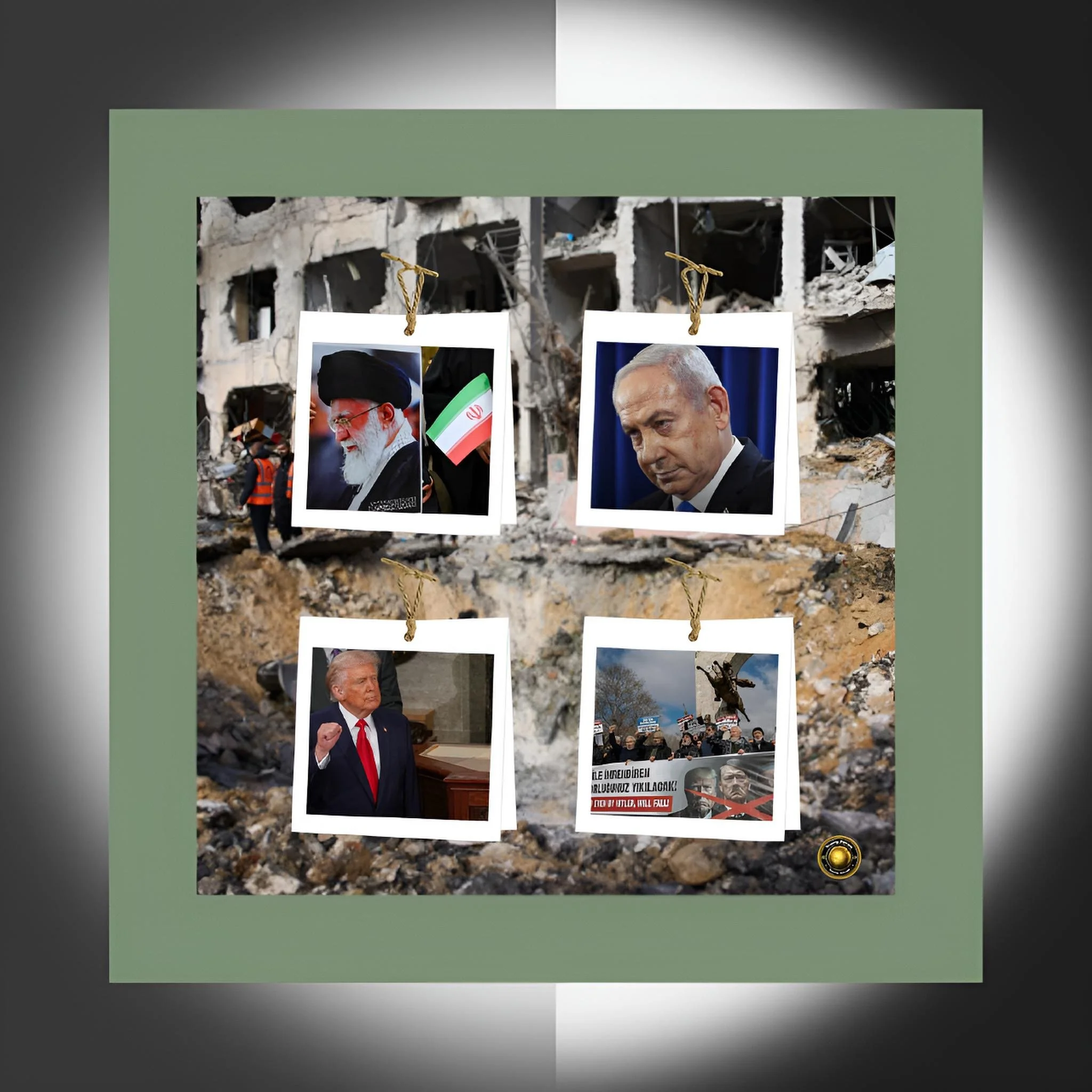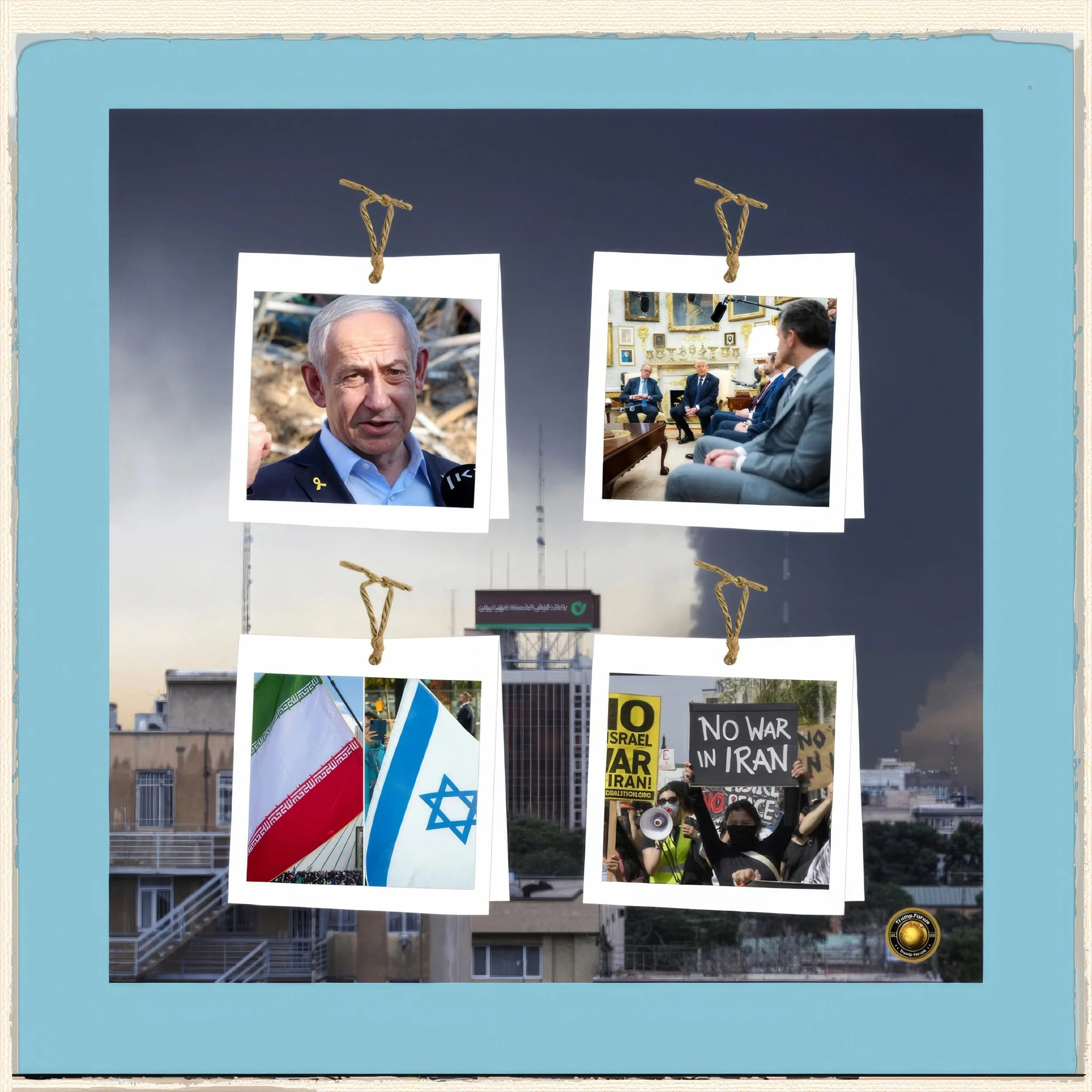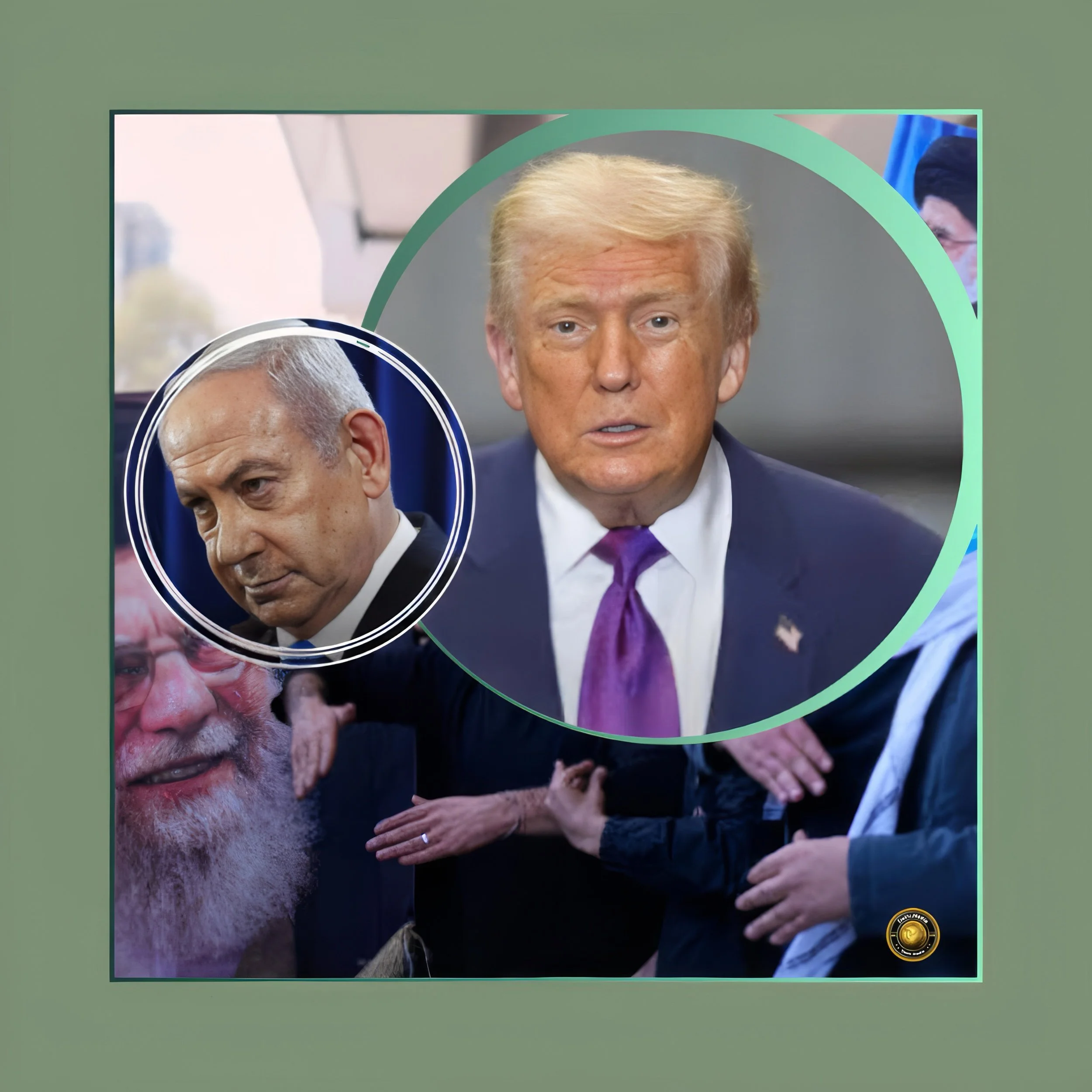
Khamenei’s killing and the Iran–U.S.–Israel conflict: a balanced overview - 101 Beginner's Guide on Iran and the US war
Executive Summary
People ask, “Who is right, Iran or Trump and Israel?”
After the reported killing of Iran’s Supreme Leader Ayatollah Ali Khamenei in a U.S.-Israeli strike on 28 February 2026, this question became more urgent.
The problem is that both sides say they are acting in self-defense. Iran says it was attacked and must respond.
The United States and Israel say Iran was a dangerous threat and had to be stopped.
This article explains both arguments with simple examples. It also explains why the situation can quickly become a bigger war.
Introduction
When a famous leader is killed, people feel shock and anger. Many people also choose a side fast. But to stay factual, we must look at what happened and what each side claims.
Public reporting says Khamenei was killed in a strike blamed on the U.S. and Israel, and Iran later confirmed his death and declared mourning.
Reporting also says Iran fired missiles in retaliation at U.S. bases and Israel.
History and Current Status
The U.S. and Iran have been enemies for decades. Iran and Israel also have a long conflict.
The biggest fights are about Iran’s nuclear program, missiles, and Iran’s support for armed groups in the region.
Right now, the crisis is much more dangerous because Iran’s top leader is dead and Iran’s government is moving toward a temporary leadership structure while it chooses a successor.
Key Developments
One key development is the killing itself. Reuters reports Khamenei died in a U.S.-Israeli strike. The Guardian reports Iran confirmed it and describes it as part of a bigger campaign.
Another key development is retaliation. Reporting says Iran responded with missiles against U.S. bases in the region and against Israel.
Another key development is Iran’s transition plan. Al Jazeera reports a temporary council for leadership duties while a successor is chosen.
Latest Facts and Concerns
The facts reported so far show fast escalation: leadership killed, retaliation started, and risks spreading.
The biggest concern is a chain reaction. If 1 side hits back harder, the other side may hit back even harder. Then war spreads to more countries.
Example: If missiles hit a U.S. base and kill many troops, the U.S. may strike deeper in Iran.
Then Iran may hit shipping routes or more bases. That affects oil prices and global markets, and civilians suffer.
Arguments Supporting the U.S. and Israeli Side
They say Iran is a serious threat. They point to Iran’s nuclear progress and its missiles and regional allies.
They argue that waiting is dangerous because some threats cannot be stopped later.
Simple example: If someone believes a robber is about to break into their house with a weapon, they might act before the robber enters. They would call it self-defense. The U.S. and Israel argue that Iran’s threat was close enough to require action now.
They also argue that hitting the leadership can stop larger war. The idea is that removing the decision-maker can weaken the system and stop future attacks.
They may also claim that Iran uses armed groups to attack others indirectly, so Iran’s leadership is responsible. If leadership is responsible, they say leadership can be a target in war.
Arguments Supporting Iran’s Side
Iran says killing a country’s top leader is assassination and aggression. Iran says it was attacked first in a very serious way, so it has the right to retaliate.
Simple example: If someone punches you first, you can defend yourself. Iran says the strike that killed Khamenei is like that punch, only much bigger.
Iran also says claims about “future threats” are not enough to justify killing leaders. Iran argues that if powerful countries can strike whenever they say “we felt threatened,” then weaker countries will never be safe.
Iran also argues that it has lived under pressure for years, including sanctions and attacks, and it built deterrence to survive.
Cause and Effect Analysis
This is how escalation happens.
Cause: Israel and the U.S. believe Iran is dangerous.
Effect: They strike Iran hard.
Cause: Iran feels its regime is under attack, especially after its leader is killed.
Effect: Iran retaliates to show it cannot be pushed around.
Cause: retaliation creates casualties and fear.
Effect: both sides escalate more.
This is why people say “everyone has the right to defend themselves,” but the result can still be bigger war. When 2 sides both claim defense, they can both keep fighting forever.
Future Steps
There are three likely directions.
First direction is limited fighting and then a pause. That means Iran retaliates but not too much, and the U.S. and Israel stop short of bigger attacks.
Second direction is wider war. That happens if casualties rise, or if strikes hit major cities, or if shipping lanes are attacked.
The third direction is diplomacy. That is harder right now because anger is high and Iran is in a leadership transition, but it can happen if outside powers push for talks and if all sides want an exit.
Conclusion
Who is right depends on what you believe about self-defense.
The U.S. and Israel argue they stopped a dangerous threat before it became unstoppable.
Iran argues it was attacked illegally and has the right to retaliate after its top leader was killed.
What is clear is that Khamenei’s killing changed everything. It increased the risk of a larger war and made every decision more dangerous.